

Sterling Silver Flatware Set
A sterling silver flatware set brings substantial weight and polished elegance to the table, spanning periods from George III to Art Deco.
Sterling Silver Flatware Set
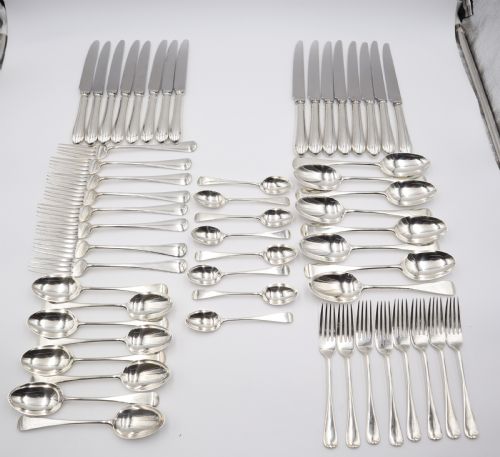
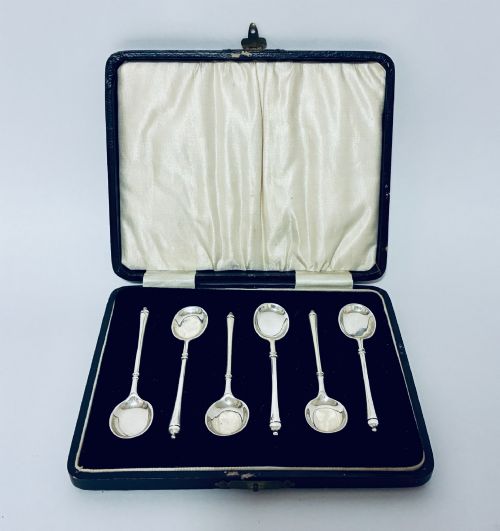
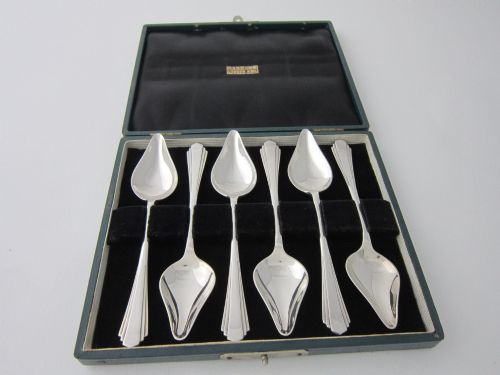
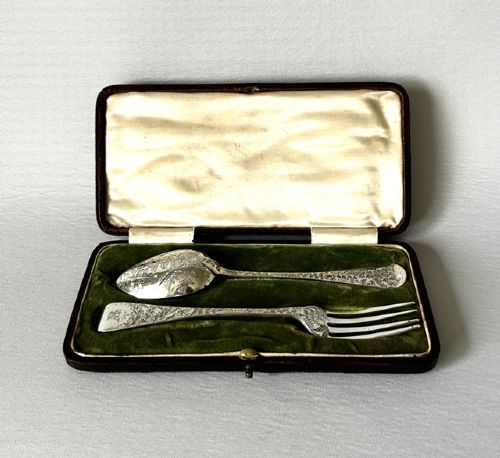
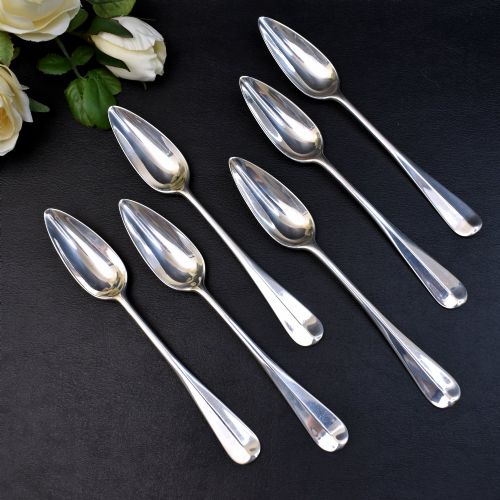
A sterling silver flatware set comprises coordinated dining implements, ranging from cased Christening sets and grapefruit spoons to large canteens for twelve persons. These collections emerge from periods including the Georgian, Victorian, Edwardian, and Art Deco eras.
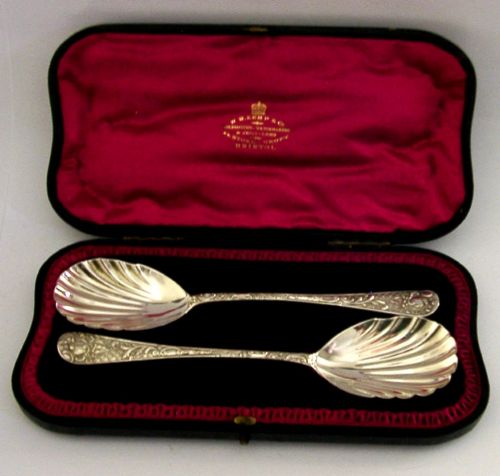
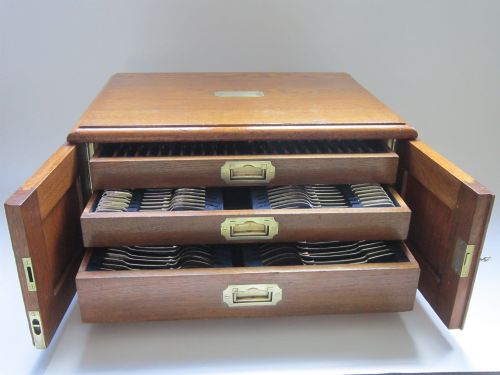
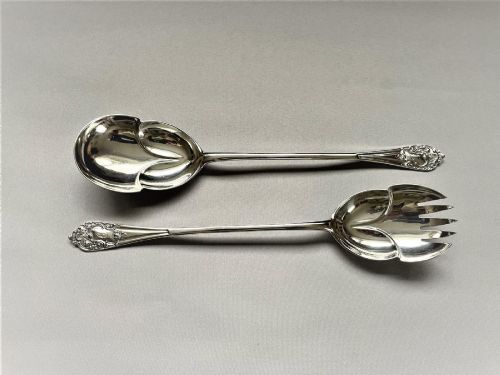
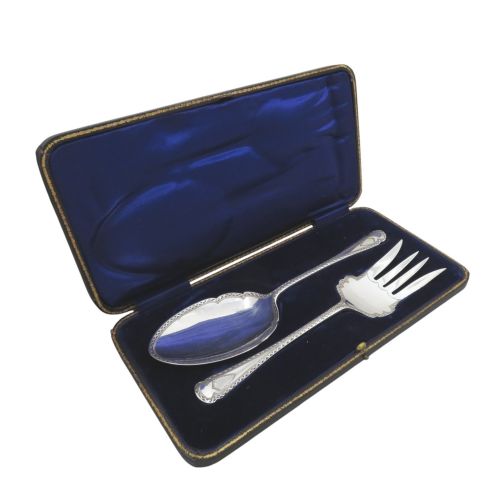
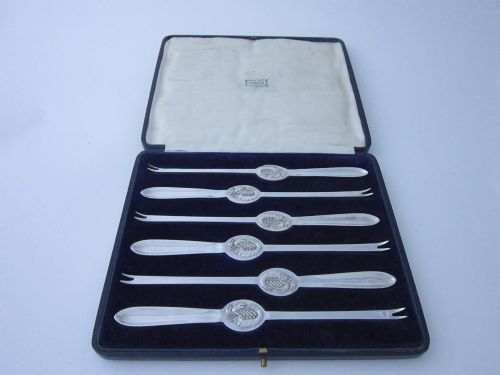
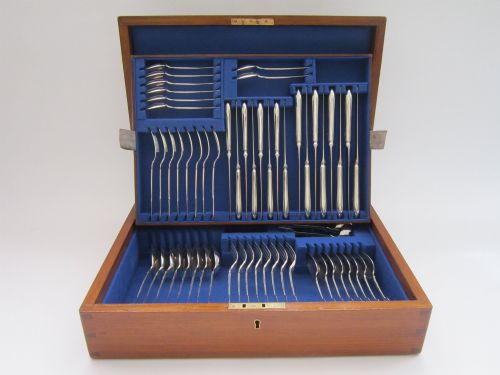
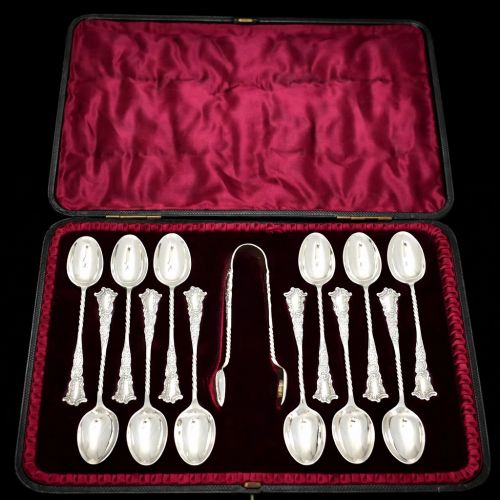
Buyers encounter individual serving spoons, salad servers, butter knives, and complete canteens housed in fitted boxes lined with velvet, satin, silk, or leatherette. The forms reflect domestic dining habits across centuries, utilising solid silver and steel components.
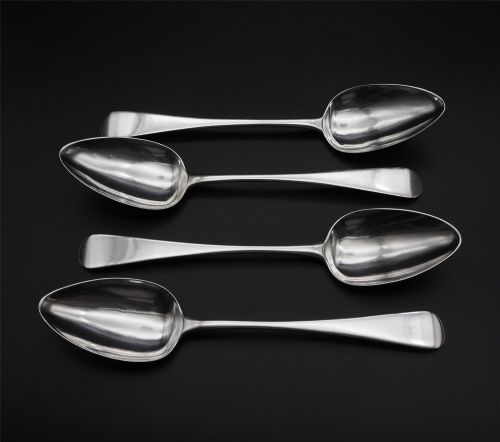
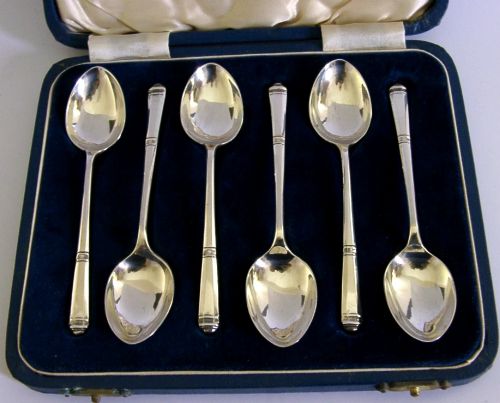
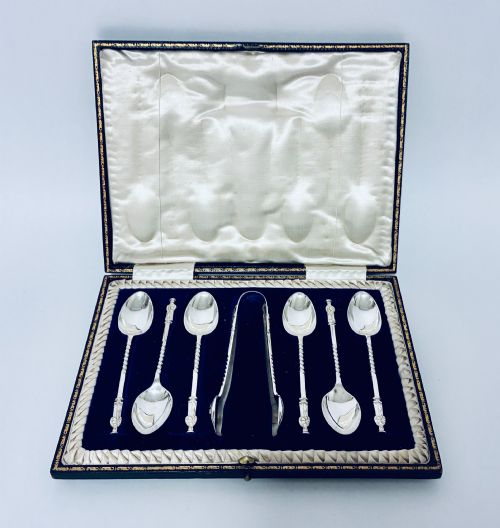
The most common configurations on this page are matched sets of six teaspoons, serving utensils, and canteens in traditional patterns such as Fiddle pattern.
How they were made
Silversmiths shaped sterling silver and silver through hammering, casting, and piercing, often employing bright-cut engraving or enamel work for decoration. Handles frequently integrate steel for knife blades or feature hollow-ware construction.
Presentation cases utilise wood or card covered in leatherette, leather, or cloth, lined internally with fitted velvet, satin, or silk to secure each individual piece.
What varies in quality
Design complexity and maker reputation separate standard sets from exceptional examples, seen in crisp bright-cut engraving, hand-forged details, and substantial gauge silver. Maker attribution and original fitted presentation cases add distinction.
Complete original canteens with matching cutlery for multiple persons demonstrate higher execution than assembled groups of disparate spoons and forks.
Hamilton and Inches·E Coker·John Locker·Georg Jensen·P A W Bateman
The Sterling Silver Flatware Set Glossary
- Sterling silver
- An alloy containing 92.5 percent silver by weight, used for durable domestic silverware and cutlery.
- Fiddle pattern
- A traditional cutlery handle shape featuring a narrow stem that broadens near the end with shoulders.
- Bright-cut engraving
- A surface decoration technique using faceted cuts to reflect light from shallow angled channels.
- Canteen
- A fitted box or chest designed to hold a complete set of matching cutlery securely.
- Basting spoon
- A large utensil originally used for moistening meat during roasting, frequently found in Georgian collections.
Sterling Silver Flatware Set: Frequently Asked Questions
How do I store a flatware set?
Keep silver in fitted wooden canteens or anti-tarnish rolls lined with appropriate cloth to prevent surface scratching and reduce oxidation from atmospheric sulfur.
Store them in dry environments away from direct heat sources to protect internal linings made of velvet, satin, or leatherette.
Can I use antique silver daily?
Regular use is entirely practical for solid silver flatware, provided you wash them by hand promptly after meals using mild detergent.
Avoid dishwashers, abrasive scouring pads, and harsh chemicals that damage delicate engraved details or enamel work.
What does cased mean?
A cased set refers to cutlery housed in its original dedicated storage box, often custom-fitted with moulded slots for each specific utensil.
These presentation boxes frequently feature protective exterior coverings of leather or leatherette with soft interior linings.
How do I identify the period?
Examine hallmarks stamped directly onto the silver, which record the assay office, date letter, and standard marks indicating the manufacturing year.
Stylistic indicators such as bright-cut engraving, fiddle handles, or geometric Art Deco lines also point to specific eras.