
Georgian Solid Silver
Georgian solid silver encompasses domestic tableware and decorative items forged during the reigns of the four King Georges, prized for distinct hand-wrought forms.
Georgian Solid Silver
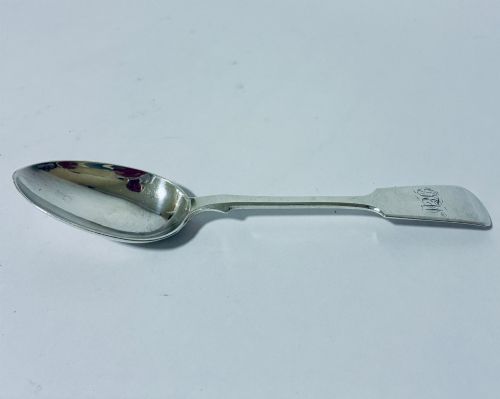
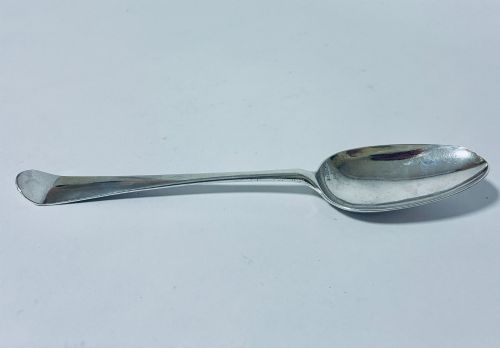
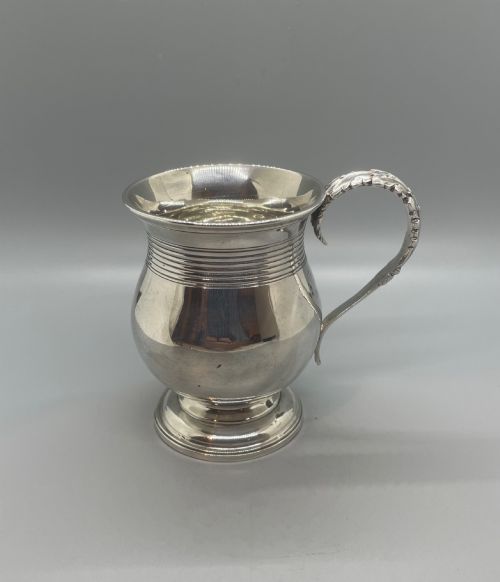
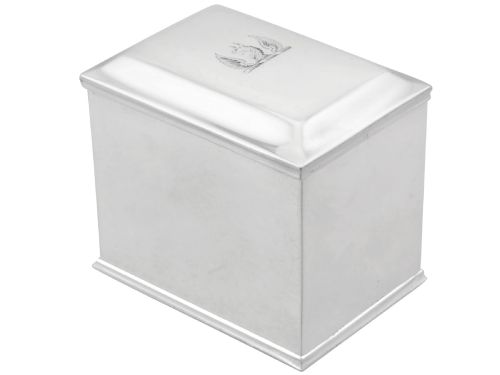
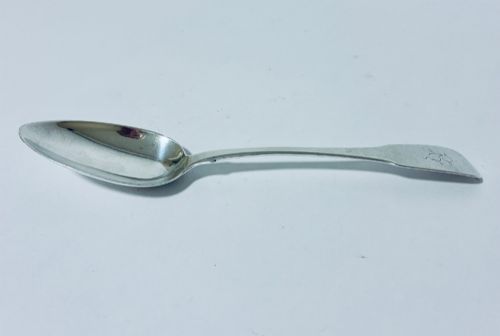
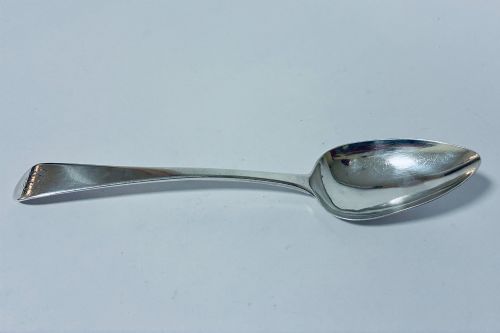
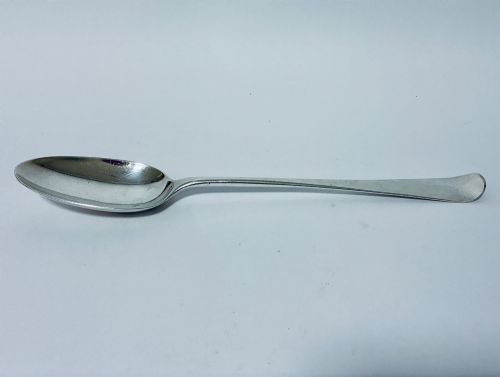
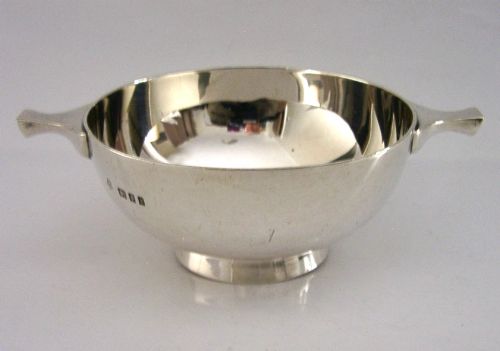
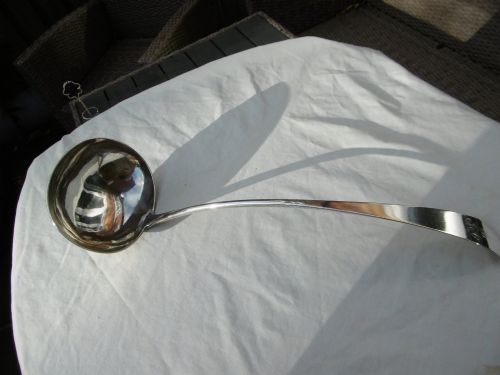
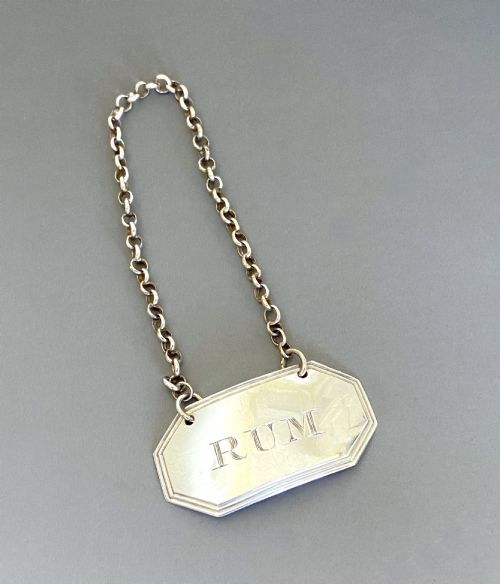
When searching for georgian solid silver, buyers encounter an array of domestic items ranging from intimate caddy spoons and vinaigrettes to substantial salvers, teapots, and basting spoons. These objects reflect the domestic habits of the eighteenth and early nineteenth centuries, produced during the reigns spanning George I through George IV.
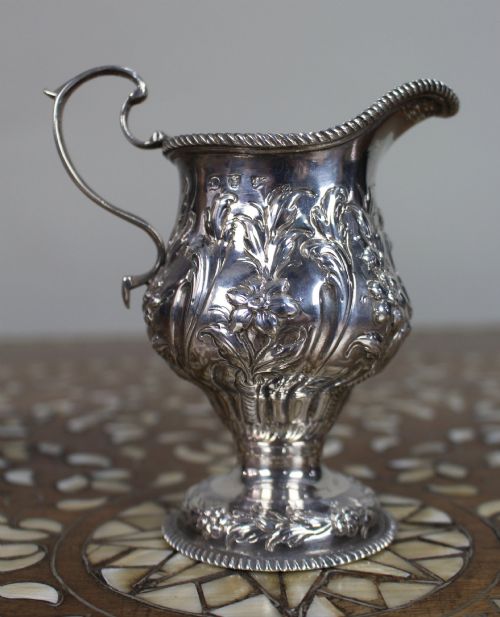
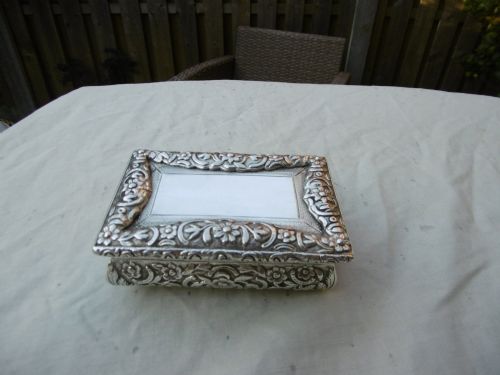
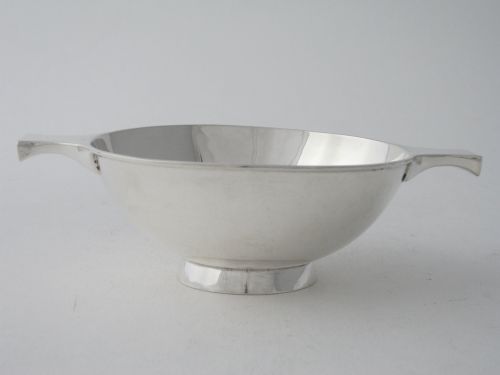
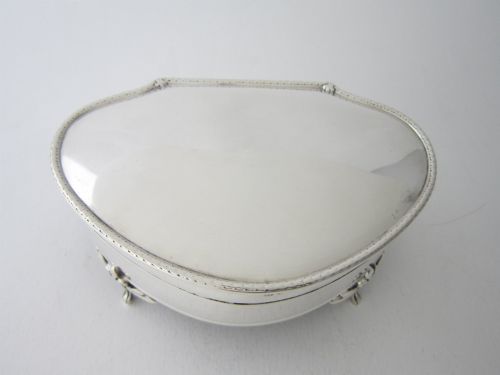
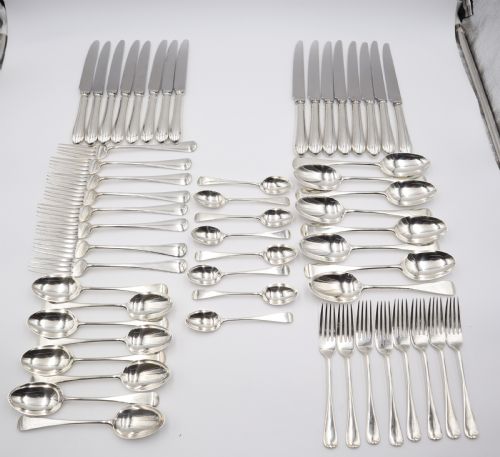
The versions most frequently met on this page include flatware, cream jugs, and small desk or tea accessories alongside occasional wine funnels and spice sifters. Makers utilised sterling silver standards, frequently ornamented with neoclassical lines or later rococo revival motifs.
Items carry the hallmarks of major assay offices, identifying the city of origin and exact year of manufacture. Collectors select these pieces for daily use or display, appreciating the tactile weight of solid metal.
How They Were Made
Silversmiths constructed these objects primarily from sterling silver, shaping ingots through hammering, raising, and casting techniques before finishing surfaces by hand. Hollowware pieces such as teapots and cream jugs often combined hammered body panels with cast spouts and handles, joined with silver solder.
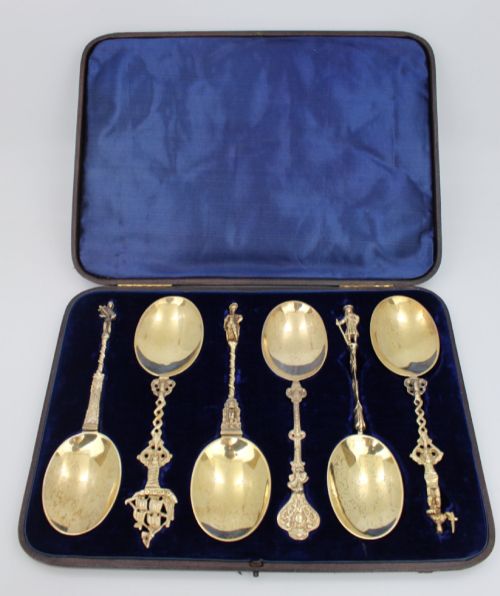
Decoration relied on chasing, repoussé, engraving, and piercing, creating textured surfaces like wrythen fluting or intricate floral scenes. Certain interior elements or presentation pieces received a thin layer of gold through fire gilding, producing the rich colour known as silver-gilt.
Materials recorded across the inventory include sterling silver, solid silver, silver-gilt, wood, steel, and inset agate.
What Varies in Quality
The standard of a piece depends heavily on the gauge of the metal and the crispness of the original chasing or engraving. Thicker metal resists denting and maintains sharper decorative edges through centuries of handling and cleaning.
Maker marks and legible date letters contribute significantly to desirability, as do intact original elements such as finials, handles, and gilding. Pieces showing minimal thinning from past polishing retain their structural integrity and visual balance.
Elizabeth Morley·Hester Bateman·Samuel Pemberton·Joseph Willmore·Andrew Archer·Stalker and Mitchison·Zimmermann·William Burwash·Joseph Willmore·Barnards·William Eaton·S and C Younge and Co·Daniel Pontifex·William Simpson·Edward Edwards·Archibald Douglas·Charles Rawlings·Robert Garrard·Rebecca Emes and Edward Barnard
The Georgian Solid Silver Glossary
- Hallmark
- A series of stamped symbols guaranteeing the purity of the metal, the maker, the assay office, and the year of production. These stamps provide the primary evidence for dating an antique.
- Repoussé
- A metalworking technique where the silversmith hammers the metal from the reverse side to form a raised design in relief. This method creates tactile, three-dimensional surface decoration.
- Chasing
- Working the metal from the front using punches and hammers to push the material inward and sharpen details established by repoussé. It defines lines and textures on hollowware and flatware.
- Vinaigrette
- A small ornamental box fitted with an internal pierced grille, holding a sponge soaked in aromatic vinegar. Victorians and Georgians carried these to counter unpleasant odours in public spaces.
- Caddy spoon
- A short-handled spoon designed specifically for measuring loose tea leaves from a storage caddy. Makers often shaped the bowls as shells, leaves, or jockey caps.
- Wrythen
- A decorative spiral twist applied to the body of hollowware or handles. This fluted pattern catches light dynamically across the curved silver surface.
Georgian Solid Silver: Frequently Asked Questions
How do I clean georgian solid silver?
Clean pieces gently using a soft cloth and a specialised silver polish formulated to preserve antique surfaces. Avoid harsh dips that strip away desirable patination and historic marks.
Store items in tarnish-resistant cloths or dry environments away from direct sunlight and rubber materials. Regular handling actually helps maintain a natural, pleasing shine.
Can I use these antique items daily?
Many items like spoons, mugs, and teapots were built for robust daily use and continue to function admirably today. Solid silver possesses durability that accommodates careful, regular employment at the table.
Hand wash items immediately after use rather than placing them in modern dishwashing machines. This protects delicate hinges, hollow handles, and original gilding from detergent damage.
What do provincial silver marks mean?
Provincial marks indicate that an item was assayed outside of London, such as in Birmingham, Newcastle, or Chester. These regional marks often feature unique town symbols alongside maker initials.
Collectors frequently prize provincial pieces for their distinct regional styles and relative scarcity compared to London-made counterparts. Identifying these marks requires consulting specialised silver hallmark reference guides.
Why are some silver items gilded?
Gilding involved applying a mercury and gold amalgam to the silver surface and heating it to bond the gold. This technique protected the silver from corrosive substances like salt or vinegar.
Items such as salt cellars, vinaigrettes, and presentation cups frequently received this treatment on their interiors. The resulting gold layer provides a warm contrast against the bright exterior metal.