



Georgian Medical Antiques
Georgian medical antiques are tangible survivals of past healing practices, offering collectors a fascinating window into historical medicine.
Georgian Medical Antiques
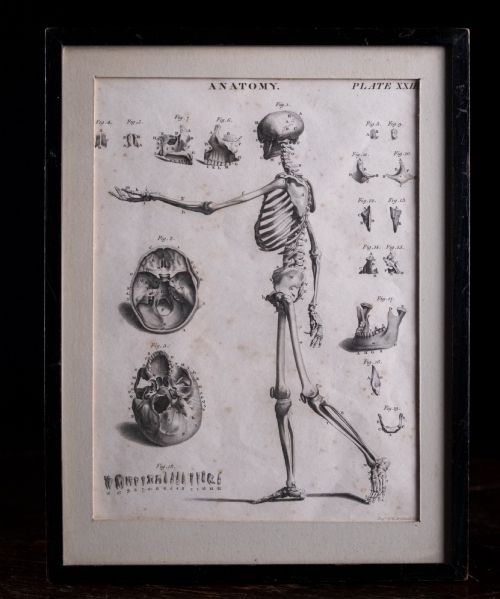
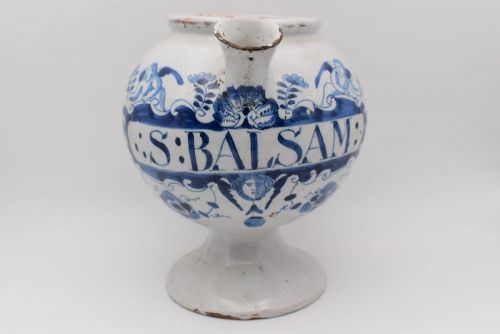
Beyond fitted boxes, the selection includes ceramic storage vessels such as English Delftware apothecary wet drug jars, alongside specialised instruments like vaccinating lancets, fleams, tongue depressors, and cupping sets. Paper evidence also appears through framed anatomical illustrations, skeleton engravings by figures like Andrew Bell, and oil paintings depicting medical doctors and veterinary surgeons.
Materials extend beyond wood and glass to encompass brass, sterling silver, tortoiseshell, velvet, and paper. These items originate from English and French workshops, reflecting the scientific and pharmacological pursuits of the eighteenth and nineteenth centuries.
How They Were Made
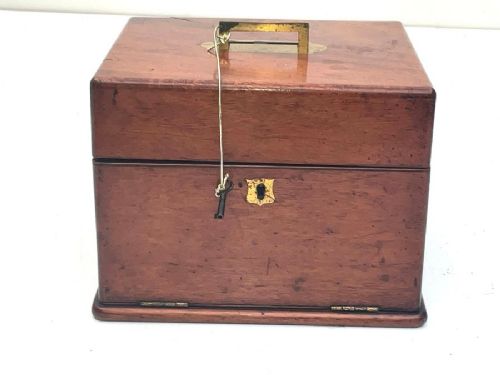
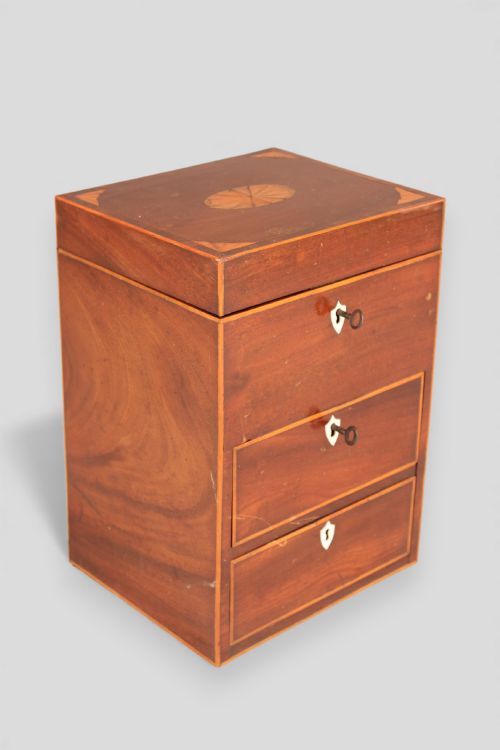
Makers utilised dense timbers such as mahogany and oak to construct sturdy travelling cases and cabinets, frequently incorporating brass hinges, handles, and locking mechanisms to protect fragile contents. Internal fitted compartments kept glass bottles secure during transport, often lined with velvet to cushion delicate apothecary glassware.
Glassware was mouth-blown, yielding variations in thickness and bubbles, while ceramic drug jars featured hand-painted Delftware glazes depicting cherubs, shells, and Latin pharmaceutical inscriptions. Instruments like silver-cased fleams and lancets required precision metalworking and engraved detailing by specialist silversmiths.
Listings feature mahogany, glass, brass, velvet, tortoiseshell, wood, paper, and sterling silver across multiple periods.
What Varies in Quality
Quality rests upon the completeness of the object, particularly in apothecary boxes where surviving original glass bottles, stoppers, and scales distinguish an intact ensemble from a depleted one. The precision of cabinetmaking, the grade of mahogany utilised, and the presence of working brass locks elevate certain chests above standard utilitarian examples.
For medical instruments and silver pieces, the clarity of hallmarks, the crispness of maker engravings, and the retention of original cases dictate desirability. In ceramics and paper goods, the vibrancy of hand-painted Delft glazes and the preservation of early anatomical engravings determine the standing of the piece.
John Millikin·Taylor and Perry·Andrew Bell·John E Fernley
The Georgian Medical Antiques Glossary
- Apothecary Box
- A fitted wooden chest designed to hold medicinal bottles, scales, and compounding equipment. These portable pharmacies were essential for country doctors and affluent households.
- Fleam
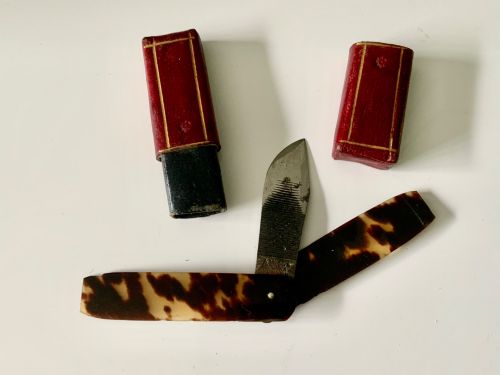
- A small surgical blade used for bloodletting, often hinged within a decorative silver or horn case. Veterinary and human practitioners utilised them before the decline of the practice.
- Delftware
- Tin-glazed earthenware produced in England and Europe, frequently utilised for wet drug jars in pharmacies. The opaque white glaze provided a smooth surface for painted pharmaceutical labels.
- Cupping Set
- A collection of glass or brass cups and scarificators used to draw blood to the surface of the skin. Regency sets typically include manual pumps or heating equipment.
- Pap Boat
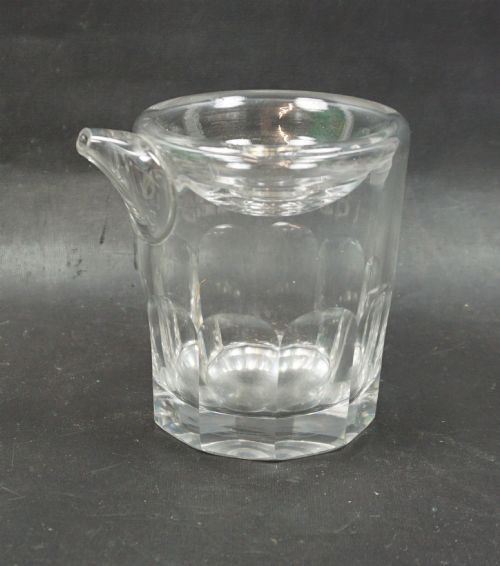
- A small boat-shaped vessel of silver or ceramic used to feed pap, a soft food mixture, to infants or invalids. Their shallow spouts allowed controlled feeding.
Georgian Medical Antiques: Frequently Asked Questions
What was inside an apothecary box?
Apothecary boxes contained rows of glass bottles for various drugs, compounds, and tinctures, alongside scales, mortars, pestles, and small mixing drawers.
These compartments allowed practitioners to dispense and mix remedies directly while travelling or visiting patients at home.
How are these medical chests dated?
Dating relies on cabinet construction styles, wood choices like mahogany, brass hardware design, and paper makers' labels found inside the lids.
Silver instruments within the boxes often feature hallmarks that provide exact assay office years and maker marks.
What is a wet drug jar?
Wet drug jars are tin-glazed ceramic vessels designed to store liquid medicines, syrups, and oils in apothecary shops.
They typically featured painted labels with abbreviated Latin inscriptions so the apothecary could quickly identify the contents.
Were these items used for humans or animals?
Objects from this era served both human medicine and veterinary practice, depending on the specific instruments and labeling.
Specialised tools like veterinary vaccinating lancets and tooth extractors indicate equipment intended specifically for livestock and working animals.