



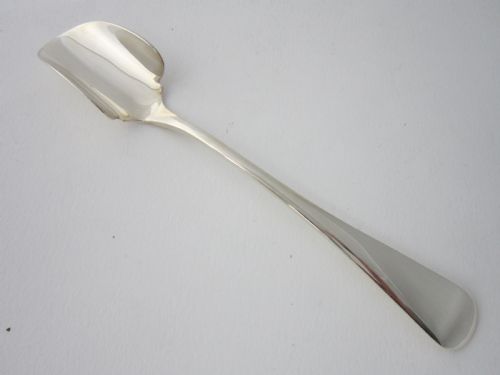


George I Flatware
When you search for george i flatware, you step directly into the world of early eighteenth-century silver spoons, hash spoons and serving pieces.
George I Flatware
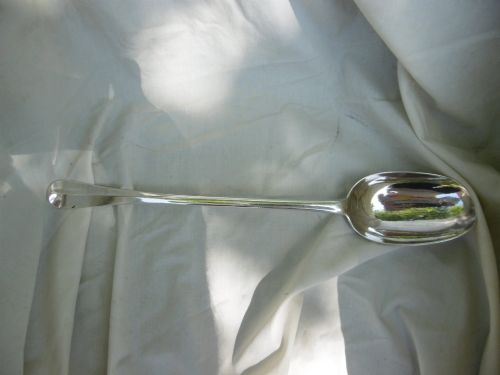
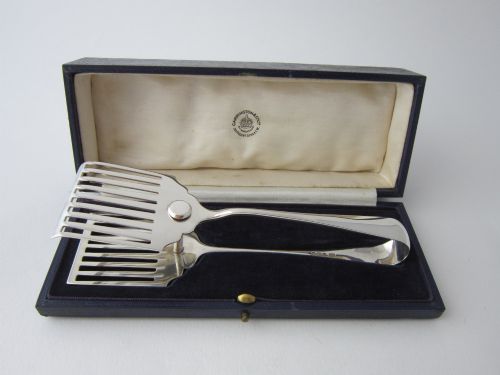
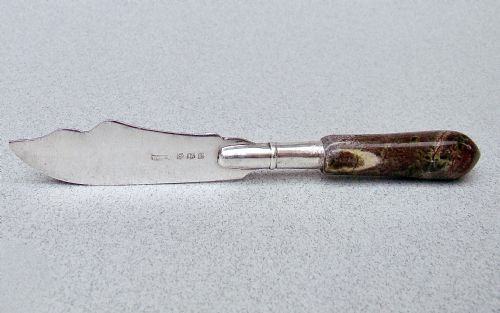
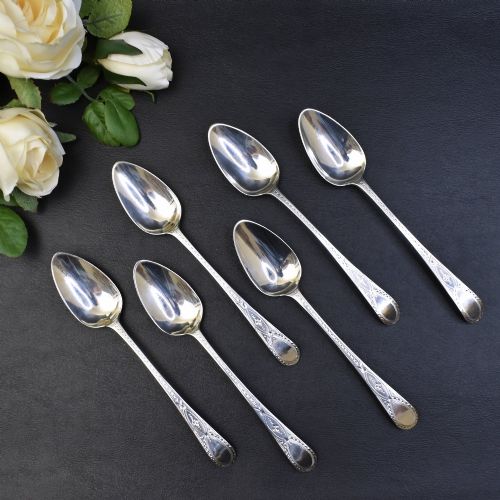
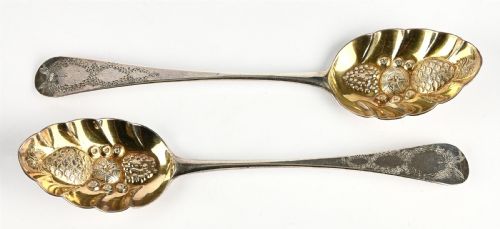
When buyers search for george i flatware, they encounter early eighteenth-century silver objects including hash spoons, basting spoons and rat tail tablespoons from the periods recorded on this page.
The pieces appearing on this page span multiple Georgian reigns and styles, with early examples originating in the eighteenth century alongside later nineteenth and twentieth-century items.
Formations range from serving utensils and caddy spoons to teaspoons and forks, capturing domestic dining habits across successive centuries of British silversmithing.
Materials and construction
Silversmiths utilised sterling silver and Britannia standard silver for these utensils, shaping heavy spoons and forks with substantial metal weight.
Auxiliary materials such as velvet, leatherette, gold gilt, silk, enamel and mahogany appear in fitted boxes and related accessories accompanying the silverware.
Listings on this page include sterling silver, silver, velvet, leatherette, gold gilt, silk, enamel and mahogany.
Factors that distinguish quality
Quality rests upon the heft of the sterling silver, the crispness of hallmarks and the preservation of original crests or engraving on the handle.
Early eighteenth-century pieces demonstrate exceptional metal volume and balance, where surviving marks and maker attributions elevate the standing of the utensil.
Andrew Archer·Joseph Willmore·Vale And John·Peter And Anne Bateman·E Coker·William Scarlett·James Tookey·Charles Reily And George Storer·John Wilks·Michael Smith·James Tait·Robert Gordon·Wilkes Booth·P A W Bateman·George Unite·Thomas Daniell
The George I Flatware Glossary
- Britannia standard
- A higher purity standard of silver introduced by statute in England, containing more fine silver than sterling.
- Rat tail
- A tapering spine extending down the reverse bowl of early spoons to reinforce the joint with the stem.
- Hash spoon
- An exceptionally large serving spoon designed for dishing up meat stews and substantial portions.
- Bright-cut
- An engraving technique using faceted cuts to create reflective patterns along the borders of flatware handles.
George I Flatware: Frequently Asked Questions
What is george i flatware?
George I flatware comprises silver spoons and serving implements produced during the early eighteenth-century reign of King George the First. These items display the heavier gauges of silver and characteristic forms of the period.
Such pieces include large hash spoons, basting spoons and tablespoons featuring rat tail attachments on the reverse of the bowls.
How were hash spoons used?
Hash spoons served at the communal table for dishing out portions of meat dishes, stews and hashes during large eighteenth-century meals. Their substantial length and deep bowls accommodated heavy servings.
Households utilised these oversized utensils alongside standard tablespoons and serving forks to manage multi-course dining.
How do I store silver flatware?
Silver flatware benefits from storage in lined boxes, rolls or cabinets that protect the pieces from dust and atmospheric tarnishing. Materials like velvet, leatherette and silk often line fitted presentation boxes.
Keeping items separated prevents scratching and maintains the polished finish of the sterling and Britannia silver surfaces.