




George V Silver Cutlery
George v silver cutlery brings together formal dining pieces from the early twentieth century alongside broader Georgian and later sterling silver flatware.
George V Silver Cutlery
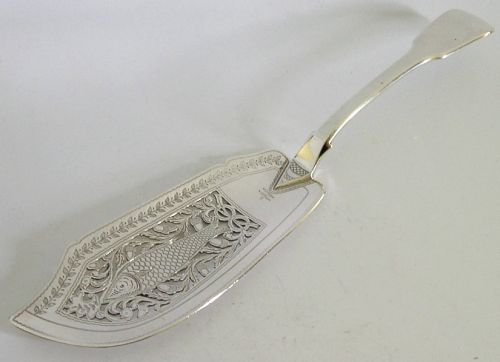
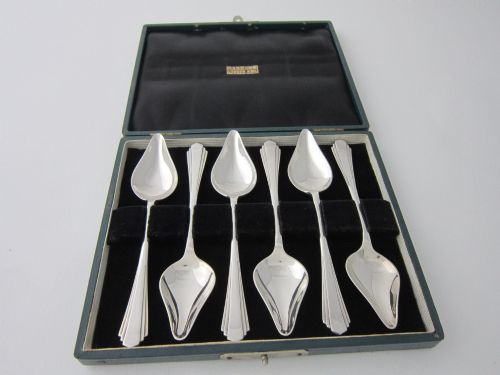
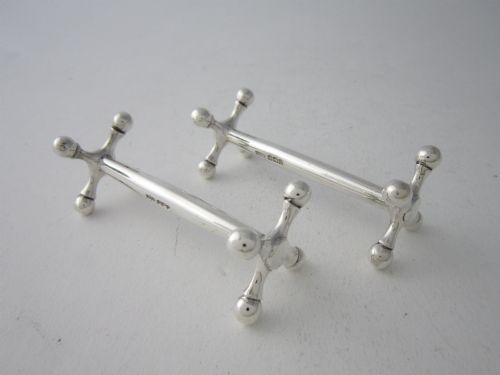
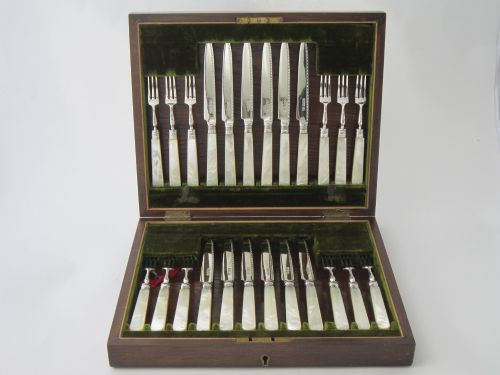
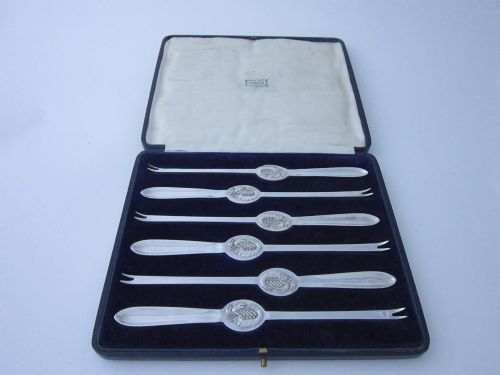
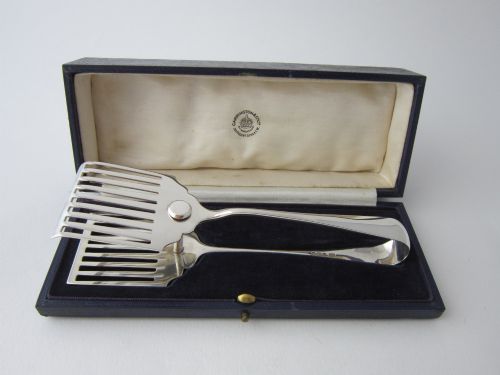
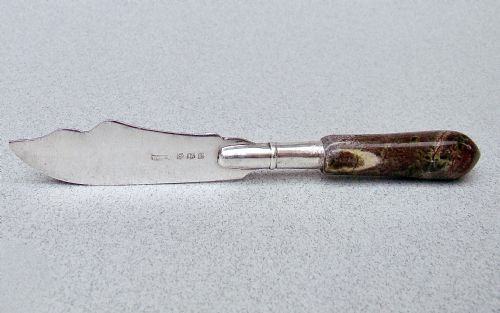
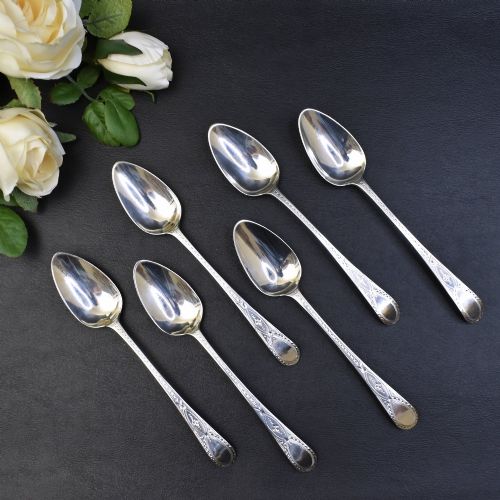
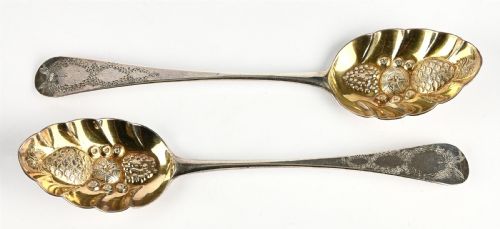
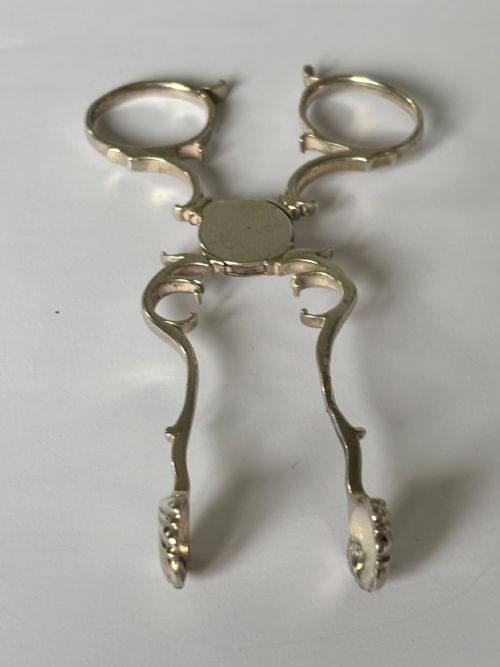
When you search for george v silver cutlery, you encounter specialised dining implements alongside complete canteens and serving items spanning multiple reigns. The selection frequently includes dessert sets with mother of pearl handles, asparagus tongs, lobster picks, and grapefruit spoons dated to the nineteen tens and twenties.
Alongside the flatware proper, you find related storage containers such as mahogany cutlery boxes with silver mounts and fitted wooden chests designed to protect the metal.
Distinctions in standard
Quality rests upon the crispness of the original hallmarks, the clarity of engraved crests or patterns, and the integrity of applied decoration such as bright-cut work.
The survival of auxiliary materials, including intact mother of pearl scales, original wooden chests with silver mounts, and matching fitted cases, elevates the standing of individual sets.
Vale and St John·Peter and Anne Bateman·E Coker·James Tookey·Thomas Tookey·James Tait·Robert Gordon·P A W Bateman·George Unite·Alexander Henderson·Jabez Daniell·George Adams
The George V Silver Cutlery Glossary
- Hallmark
- A series of official marks stamped on precious metals indicating the maker, assay office, and year of testing. These stamps provide the primary evidence for dating British silver.
- Marrow scoop
- A double-ended silver utensil with narrow troughs designed for extracting marrow from bones. Eighteenth-century examples often feature reversed bowls.
- Bright-cut
- An engraving technique utilising faceted V-cut channels that reflect light to create geometric or floral patterns. It appears frequently on late eighteenth-century teaspoons and sugar tongs.
- Canteen
- A fitted box, chest, or case containing a matched set of cutlery for multiple diners. These storage pieces often feature mahogany construction and velvet linings.
- Rat tail
- A prominent spine running down the back of a spoon bowl, extending from the handle. This strengthening ridge is typical of early eighteenth-century silver.
George V Silver Cutlery: Frequently Asked Questions
What pieces are included in george v silver cutlery?
The category encompasses twentieth-century specialised items like dessert sets, lobster picks, and serving tongs alongside standard flatware.
It also draws in historical spoons, forks, and serving slices from earlier Georgian periods presented under the same heading.
How do I identify the date of my silver?
British silver relies upon official hallmarked date letters stamped by assay offices such as London, Birmingham, or Edinburgh.
Comparing the stamped letter and maker mark against established tables reveals the exact year of manufacture.
What is the difference between flatware and cutlery?
Flatware traditionally refers to spoons and forks used for serving and eating, constructed primarily from silver.
Cutlery historically denoted cutting implements with steel blades, though modern usage often combines both terms to describe dining utensils.
How should antique silver be stored?
Silver benefits from storage in lined wooden chests, mahogany boxes, or anti-tarnish rolls that limit exposure to air and moisture.
Keeping pieces separated prevents scratching between individual spoons and forks.