




Georgian Silver Urn
These georgian silver urn pieces and related vessels bring genuine period presence to a room, offering tactile metalwork and classical form.
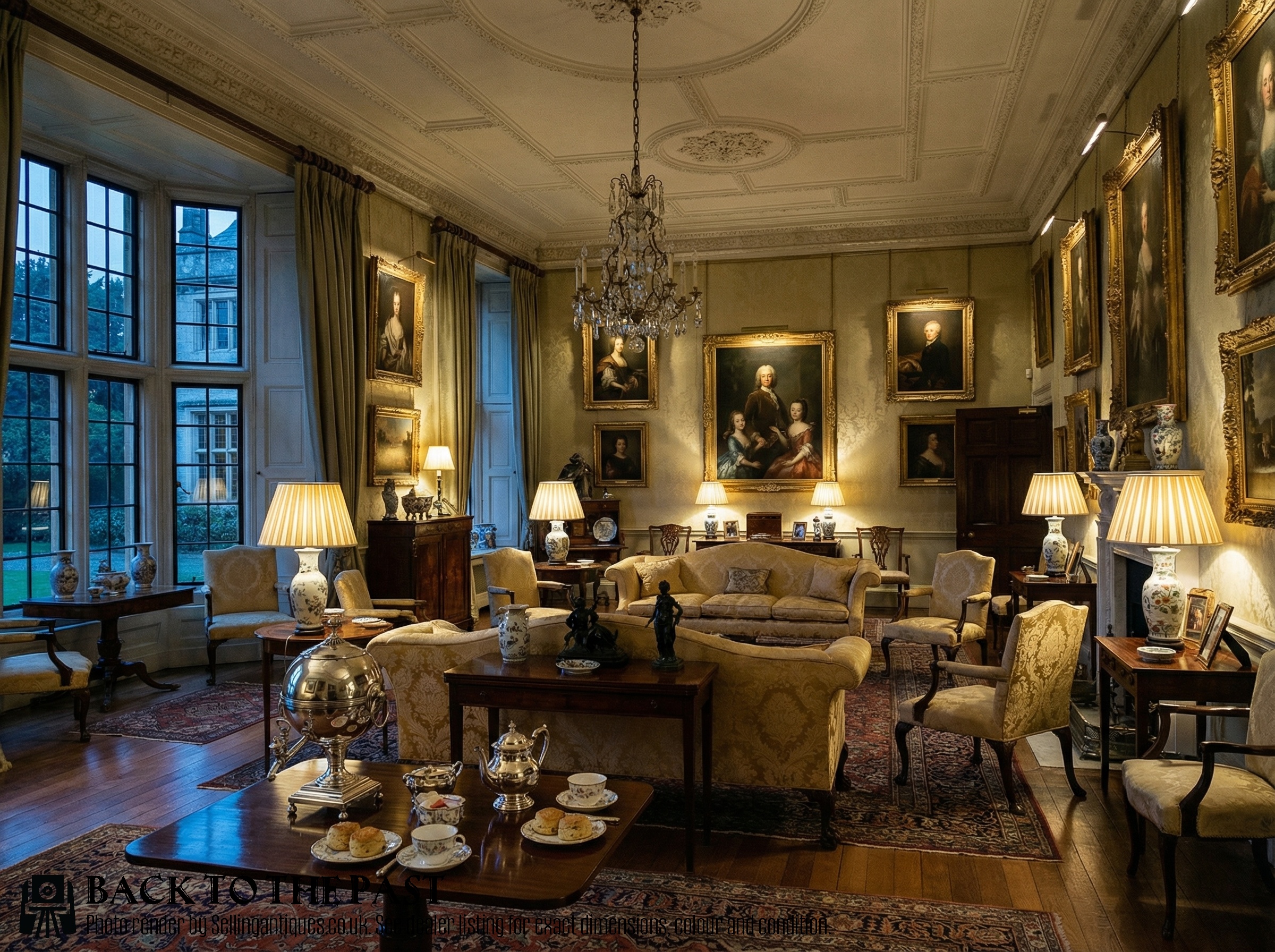
What the pieces are
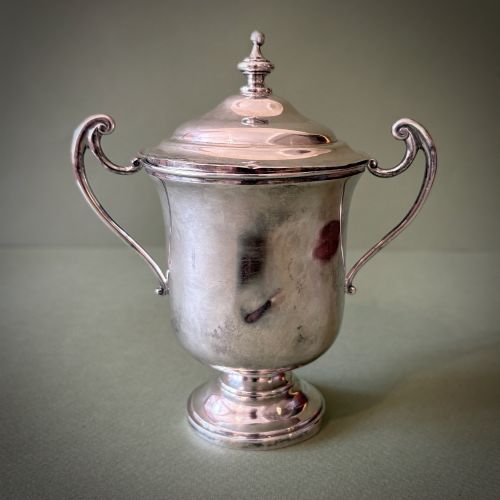
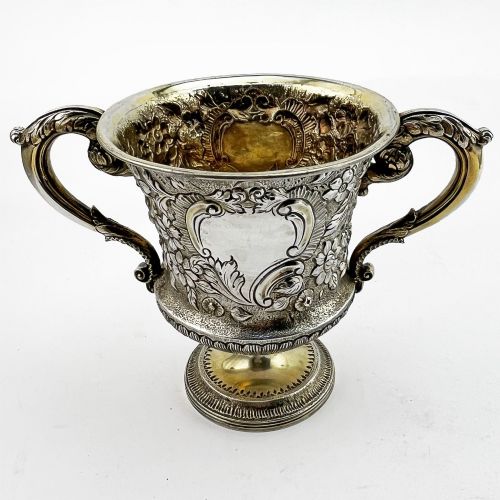
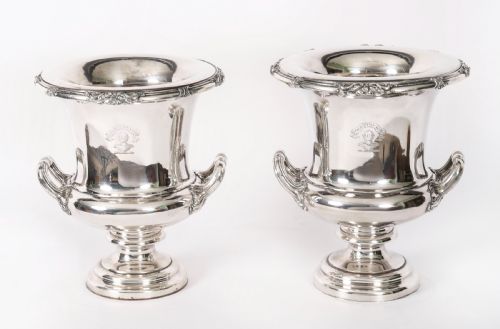
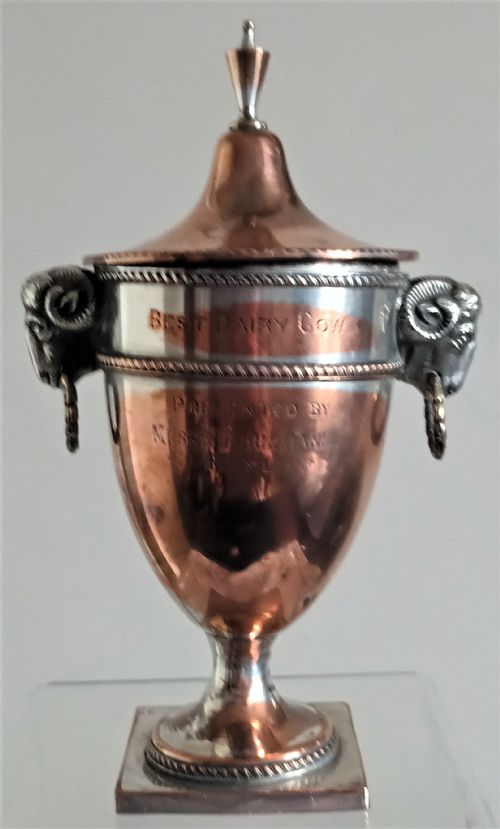
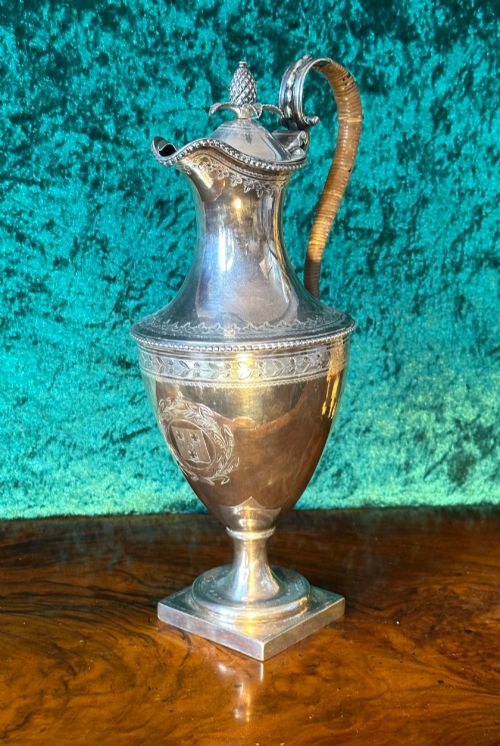
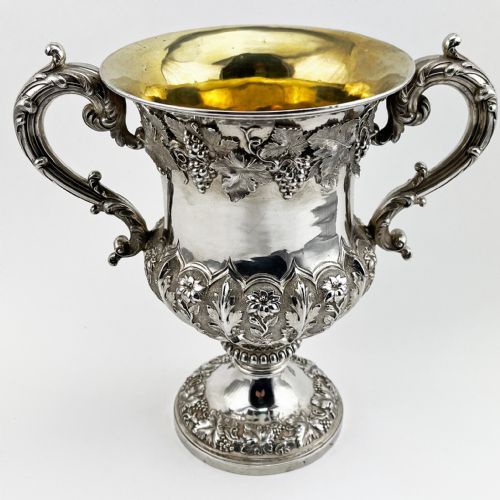
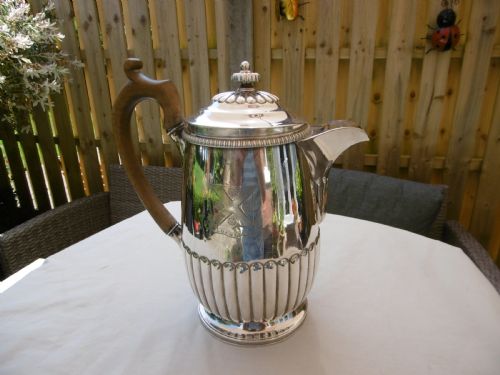
When searching for georgian silver urn, collectors encounter substantial tea urns alongside related silver and plated vessels from the Georgian and nineteenth-century periods. The selection includes tea urns, samovars, two-handled vases, trophies, and cups originating from British, Irish, and early American makers.
The tea urns and samovars provide the classic forms associated with the search, designed for hot water service during the Georgian era. Alongside these large vessels, the historical record shows smaller functional items and presentation pieces spanning William IV, Regency, and Victorian styles.
How they were made
The physical evidence records sterling silver, silver plate, vermeil, and base metal used across these large vessels and smaller implements. Fabrication relies on traditional silversmithing techniques, combining heavy sheet metal construction with cast handles, spigots, and decorative mounts.
Plated examples utilise base metal foundations covered with a silver layer, while sterling pieces employ solid silver construction. Surface enrichment includes engraved patterns, floral borders, and engine-turned motifs executed by hand.
Retail Price Guide 2026
Typical UK retail prices for georgian silver urn, calculated from the Sellingantiques database of over a million retail prices indexed since 2003. This retail price guide relies exclusively on Sellingantiques data; no external sources or auction records are used, so the figures do not describe the wider market.
Tea urns occasionally include internal heating cylinders that once held red-hot iron blocks to keep the water boiling.
What varies in quality
Quality rests in the weight of the metal, the crispness of cast decorative elements, and the integrity of construction. Heavier gauge metal and deep, sharp chasing distinguish finer pieces from lighter production.
The refinement of handles, spigots, and footed bases dictates the overall success of the design. Superior examples display balanced proportions and careful attention to functional joints and mounts.
Thomas Northcote·George Bourne·Archibald Douglas·Joseph Taylor·John Bourne
The Georgian Silver Urn Glossary
- Sterling Silver
- An alloy containing a high proportion of pure silver by weight, traditionally marked to guarantee standard. This material forms the body of the finest tea urns and presentation pieces.
- Silver Plate
- A composite material where a layer of silver is bonded to a base metal core. This technique allowed makers to produce large vessels like samovars at a lower cost than solid silver.
- Vermeil
- Sterling silver coated with a thin layer of gold. It provides a rich, warm surface finish seen on select decorative objects.
- Samovar
- A heated metal container traditionally used to boil water for tea. These large vessels frequently feature spigots and decorative handles.
Frequently Asked Questions
What is a georgian silver urn?
A georgian silver urn is a large vessel, often a tea urn or samovar, produced during the Georgian period for heating and dispensing water. These pieces combine classical architectural forms with functional spigots and handles.
They served a central role in formal tea service, functioning as both practical equipment and status displays in period dining rooms.
How do I care for silver urns?
Care involves gentle dusting and minimal polishing to preserve the surface metal and any underlying plating. Avoid abrasive cleaners that can wear down thin silver layers.
Store these vessels in stable humidity conditions to prevent tarnish and protect any integrated wooden or insulated components.
Are these urns made of solid silver?
The materials vary between solid sterling silver and silver-plated base metals. Historical records and current pieces include both heavy sterling items and Sheffield silver-plated samovars.
Examining hallmarks or testing the metal weight helps determine whether a specific piece is solid silver or plated.
How are different periods distinguished?
Periods are identified through stylistic cues, maker marks, and manufacturing techniques. Georgian pieces often display classical proportions and hand-engraved details.
Later Victorian and William IV examples introduce heavier cast ornament or modified foot designs while retaining classical shapes.