


Georgian Silver Plate Vessel
A georgian silver plate vessel brings practical elegance to the table, offering the rich lustre of silver fused onto a copper core.
Georgian Silver Plate Vessel
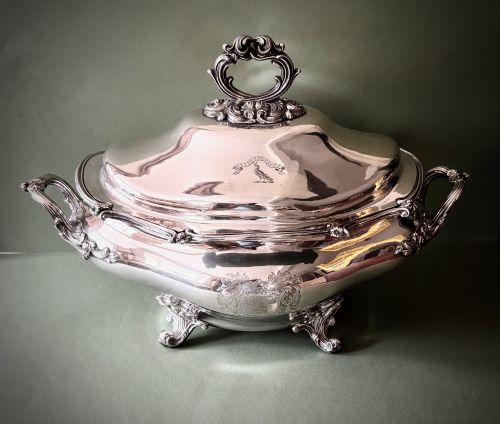
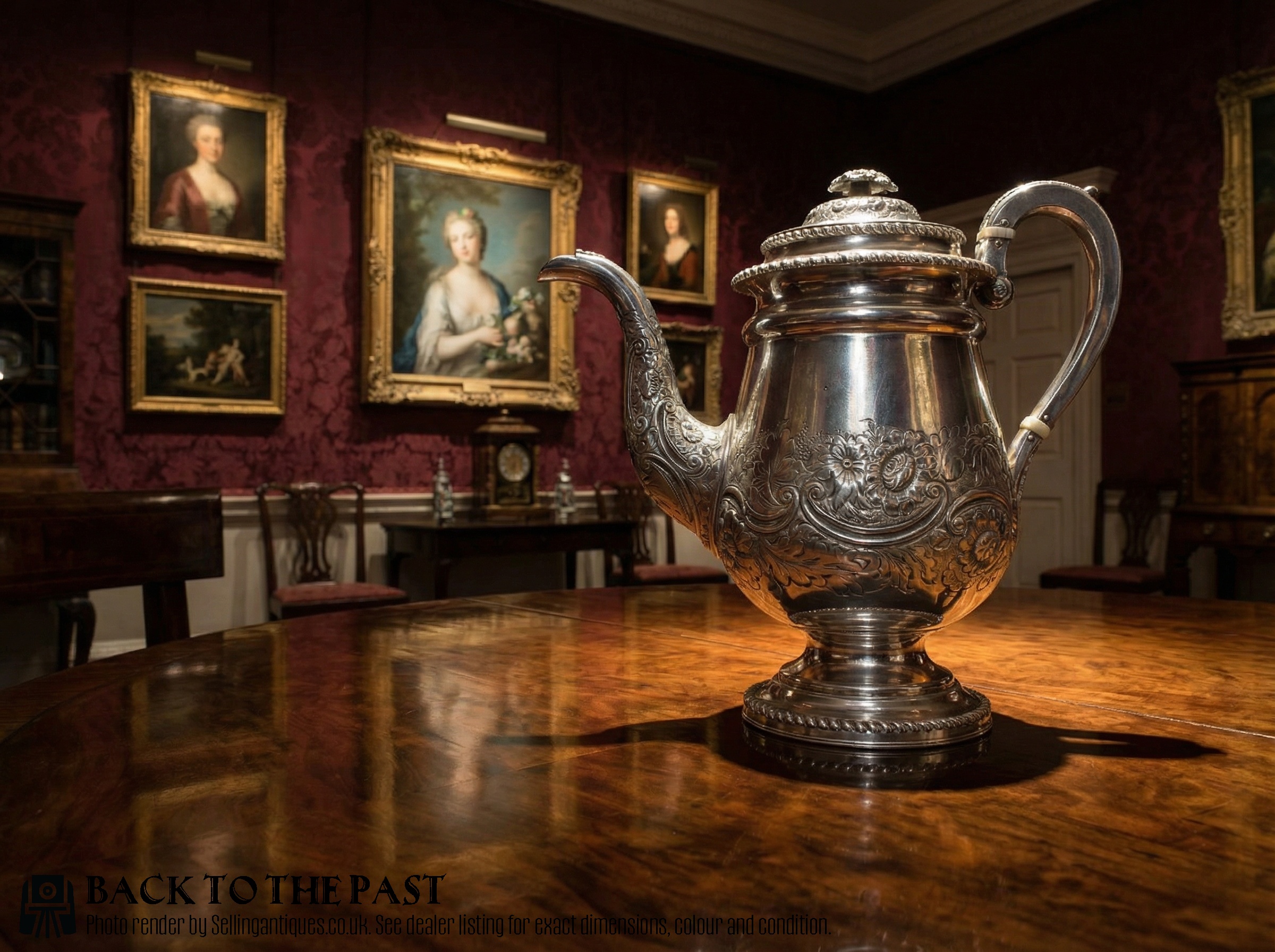
When you search for a georgian silver plate vessel, you encounter a robust selection of drinking vessels, serving pieces, and table accessories from the eighteenth and nineteenth centuries. These items range from sturdy tankards and beer jugs to elegant coffee pots, tureens, and coolers.
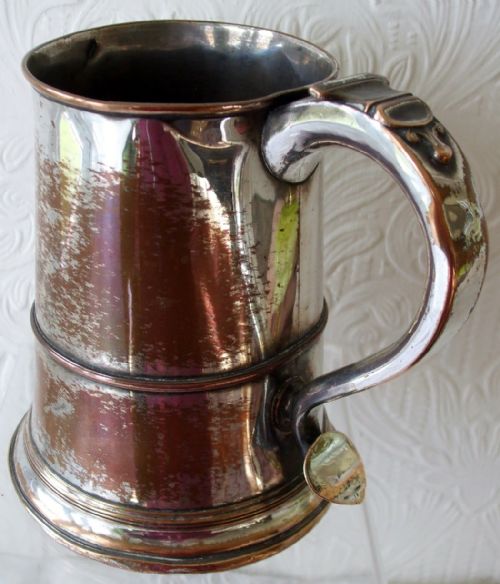
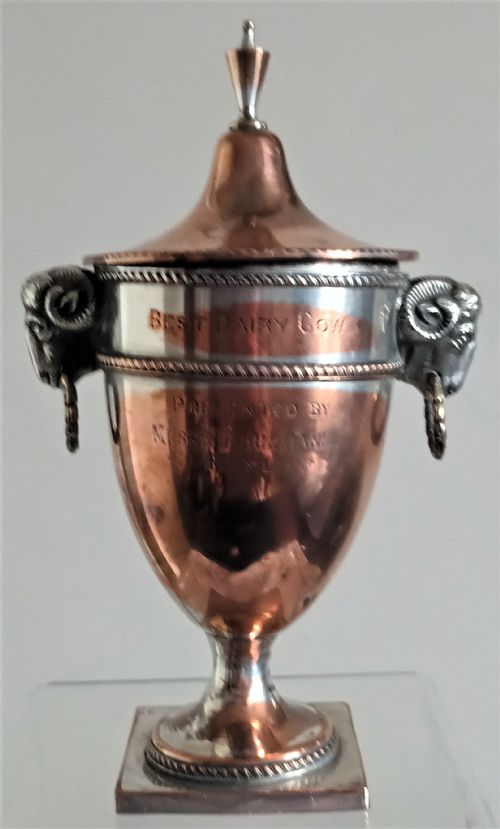
The georgian silver plate vessel most frequently seen on this page is the Old Sheffield plate tankard or mug, usually dating from the eighteenth century or around eighteen hundred. Collectors also find specialised items such as argyles, gravy warmers, communion jugs, and miniature chestnut urns.
Originating predominantly from English workshops, these pieces served the dining and drinking needs of the Georgian and Regency periods. Their forms reflect the domestic and social rituals of the era, combining utility with decorative refinement.
How they were made
Makers produced these items by fusing a thin sheet of silver to a thicker copper ingot, a method characteristic of Old Sheffield plate. This composite metal was then heated, rolled, and shaped by hand into vessels such as coffee pots, tankards, and tureens.
Craftsmen reinforced rims and applied decorative borders using sterling silver wire, known as riding, to conceal the exposed copper edges. Wood, cane, and metal components were incorporated into handles for insulation and grip.
Listings feature copper and silver plate alongside organic handle materials like cane and wood, spanning the eighteenth and nineteenth centuries.
What varies in quality
The degree of copper showing through the silver layer indicates the extent of past wear and restoration. Superior examples retain a thick, even silver surface with minimal base metal bleed.
Crispness of chased or engraved ornament and the survival of original maker marks distinguish finer vessels from standard production pieces. The integrity of applied wire rims and the original mounting of handles also affect overall standing.
Richard Morton
The Georgian Silver Plate Vessel Glossary
- Old Sheffield Plate
- A fused bilayer of silver and copper produced before the invention of electroplating. It forms the primary material for these Georgian drinking and serving vessels.
- Argyle
- A vessel designed to keep gravy warm by means of an internal hot water chamber. These pieces prevent gravies from congealing during long meals.
- Quart Tankard
- A large drinking vessel holding approximately two pints. These sturdy containers were widely used for beer and ale in the eighteenth century.
- Chestnut Urn
- A decorative container used for serving roasted chestnuts at the table. Miniature versions showcase fine domestic metalwork.
- Communion Jug
- A specialised vessel utilised in church services for sacramental wine. These jugs often display ecclesiastical styling from the nineteenth century.
Georgian Silver Plate Vessel: Frequently Asked Questions
What is Old Sheffield plate?
Old Sheffield plate is an early fusion material made by melting a sheet of silver onto a thick copper block. Craftsmen then rolled the combined metal into sheets to form holloware.
This technique predates nineteenth-century electroplating. It produces a rich surface quality unique to Georgian manufacturing.
How do I clean these vessels?
Clean these pieces with a very gentle silver polish and a soft cloth to protect the underlying copper core. Avoid harsh dips and aggressive scrubbing that can wear through the silver layer.
Regular, careful dusting preserves the original finish and patina. Proper maintenance keeps the metal stable over time.
Were these pieces used daily?
Many of these vessels served practical daily functions in Georgian homes and inns. Tankards, mugs, and beer jugs saw regular use for serving drinks at the table.
Other items like communion jugs and chestnut urns had more specific or occasional roles. Their construction was robust enough to handle active dining routines.
How can I date a piece?
Dating relies on stylistic clues, manufacturing techniques, and early maker marks stamped into the metal. Georgian and Regency forms show distinct shifts in profile and handle design over time.
Old Sheffield plate methods also evolved from the eighteenth century into the nineteenth. Comparing handle materials and rim construction helps narrow down the period.