

Georgian Side Cabinet
A Georgian side cabinet brings steady proportion and rich timber grain to a room, functioning as a practical storage piece with distinct period presence.
Georgian Side Cabinet
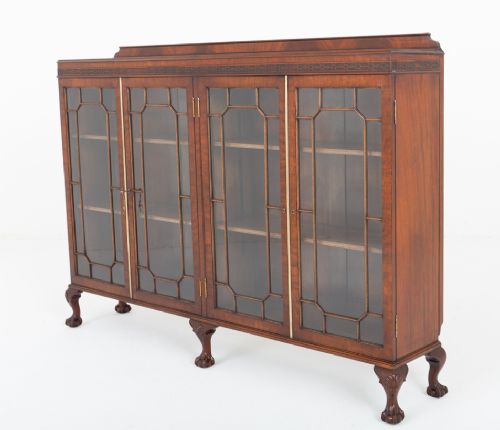
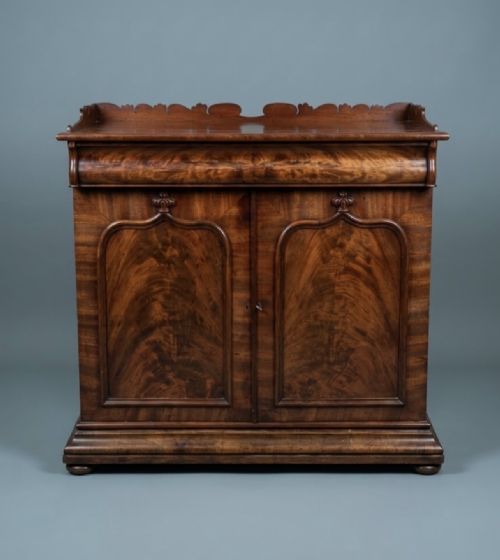
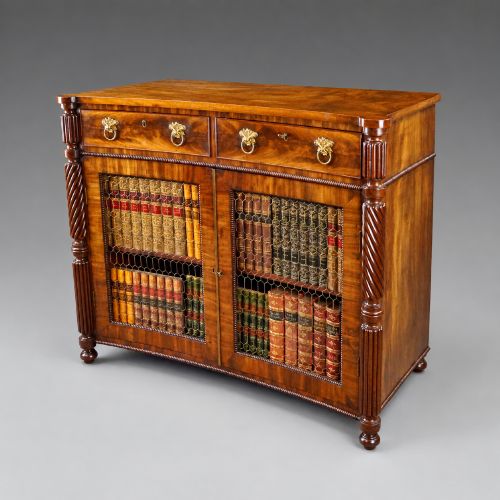
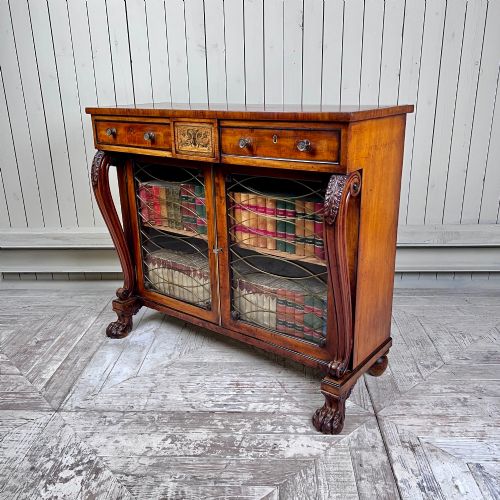
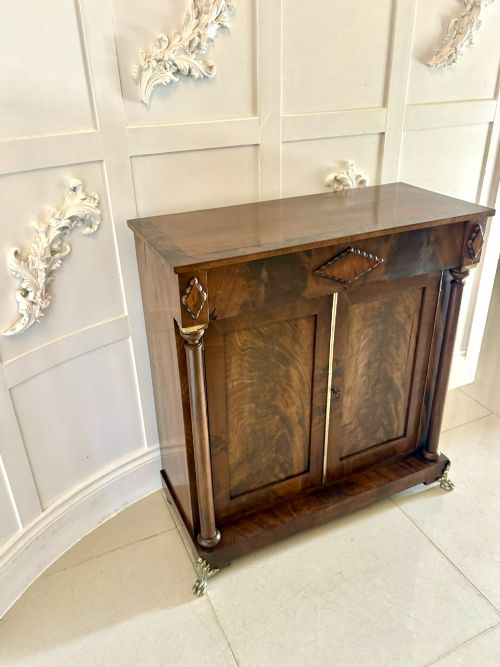
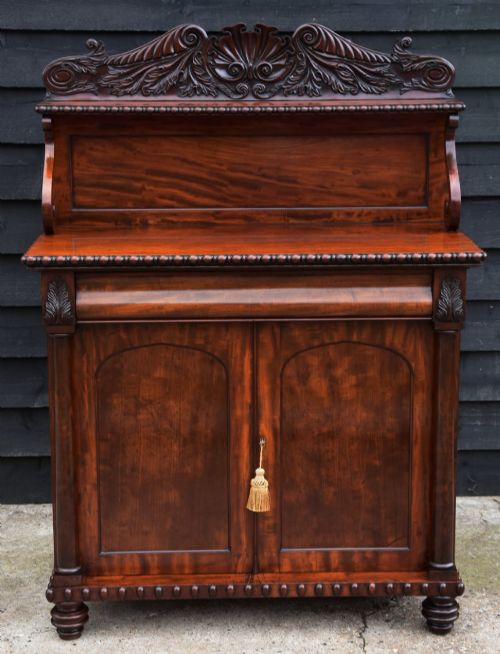
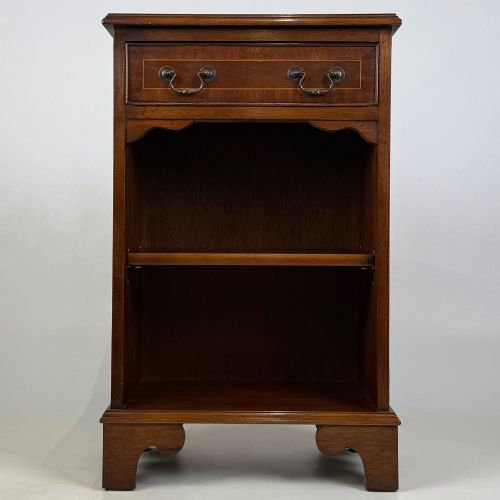
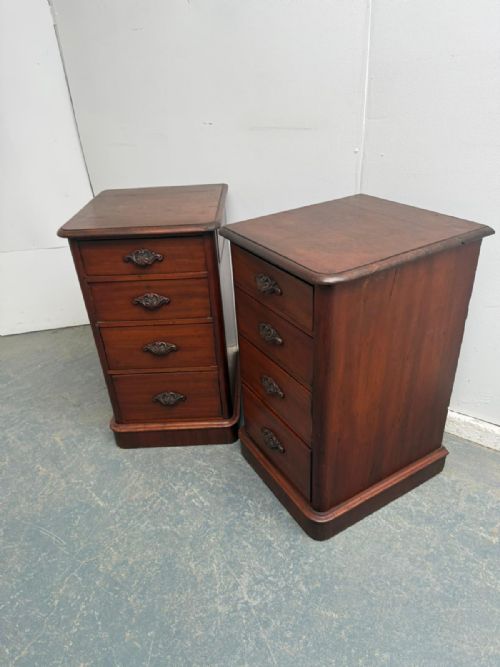
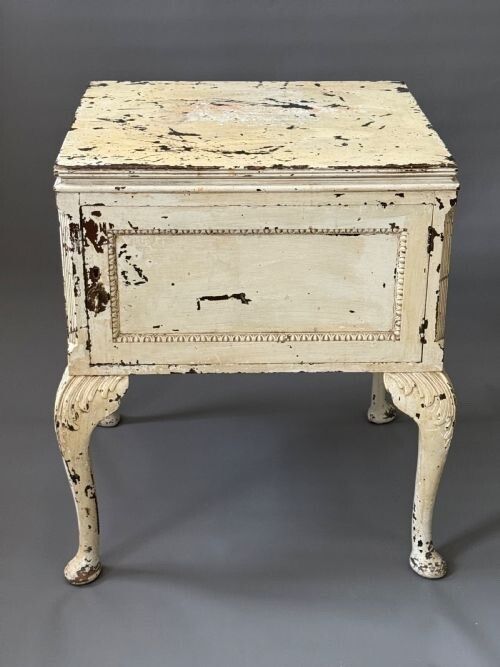
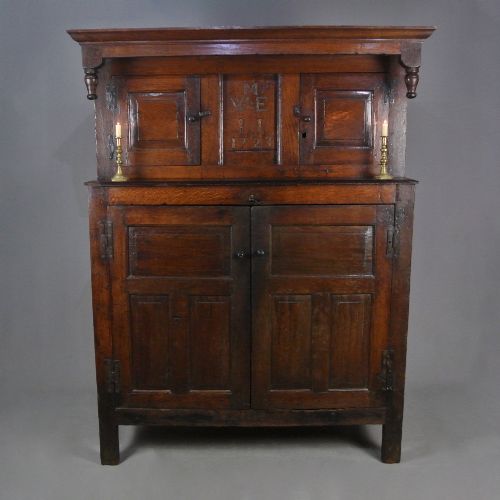
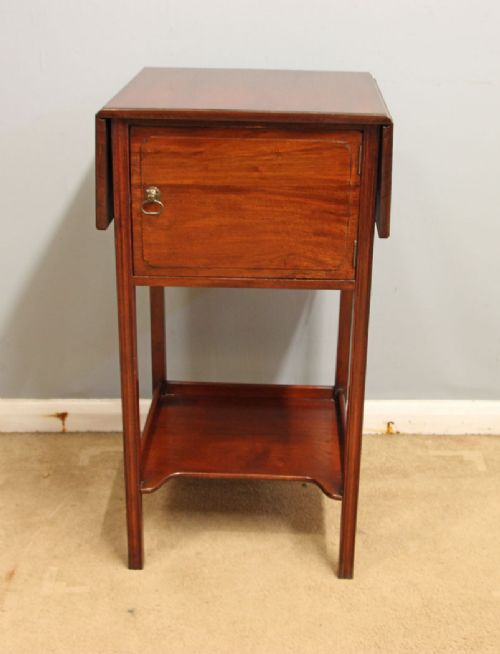
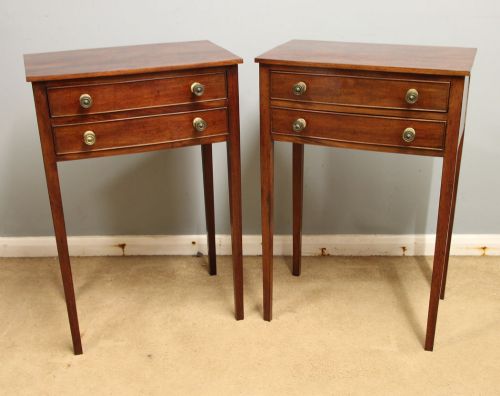
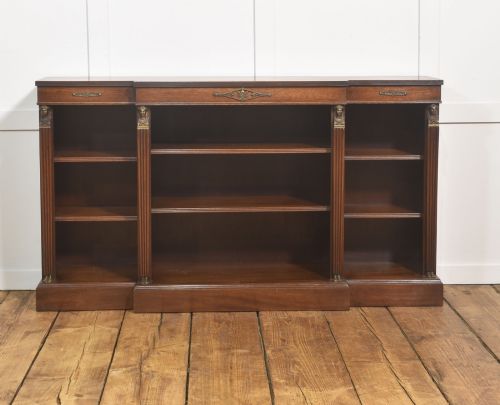
When you search for a georgian side cabinet, you encounter a diverse group of case furniture spanning compact bedside night tables, tall bookcases, and low cupboards. The most frequent form you meet is the mahogany bedside cabinet or pot cupboard, alongside larger chiffoniers and sideboards originating from the eighteenth and nineteenth centuries.
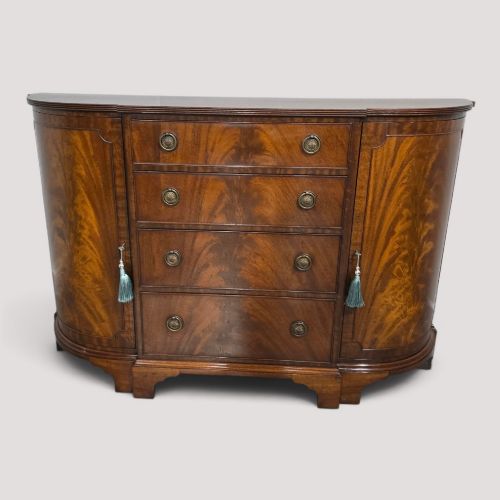
Makers often shaped these pieces with straightforward rectangular carcases, though some feature concave curves, bow fronts, or demi-lune proportions. Alongside authentic period examples, later revivals from the twentieth century mirror these traditional silhouettes in satinwood and oak.
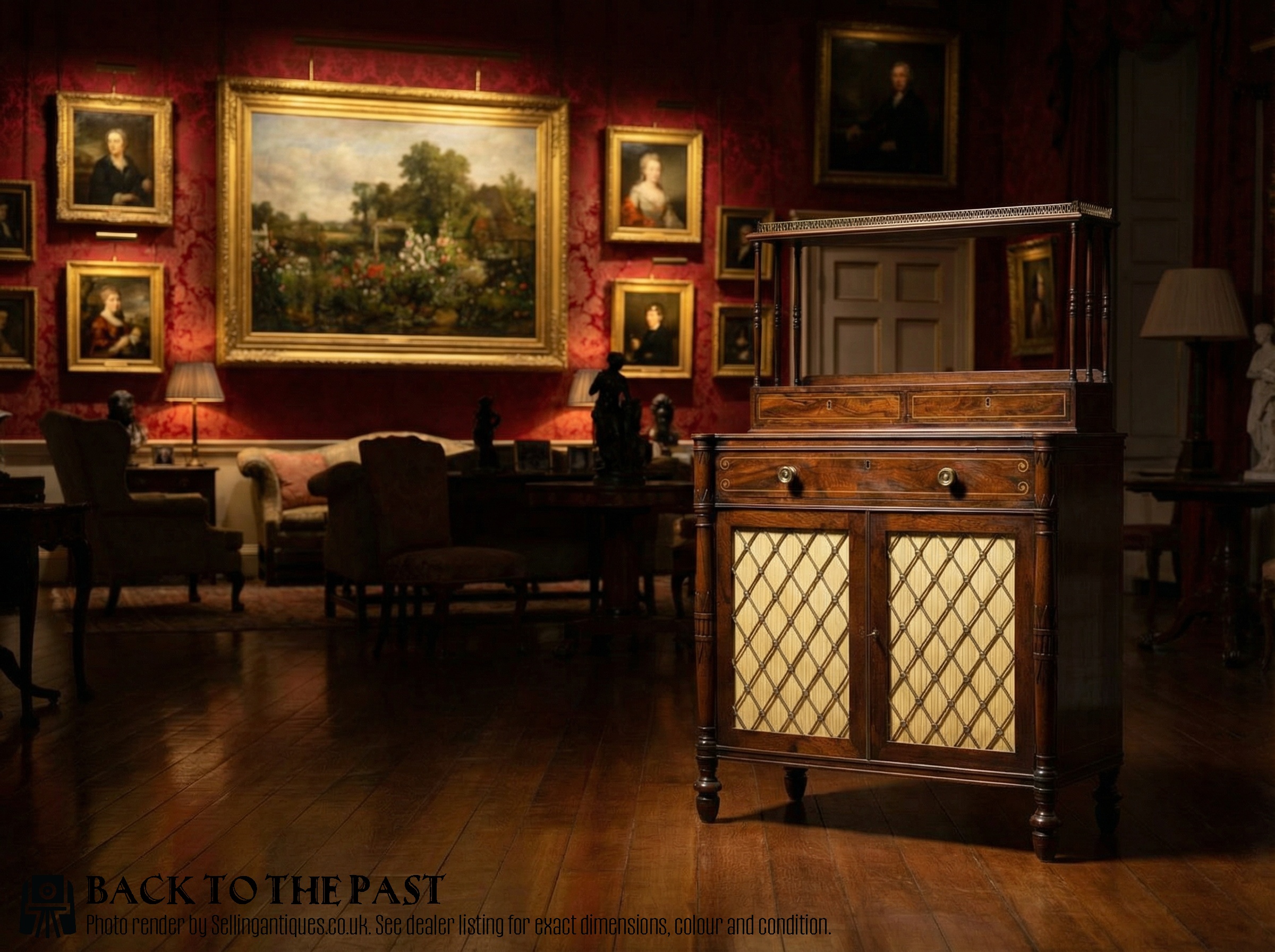
How they were made
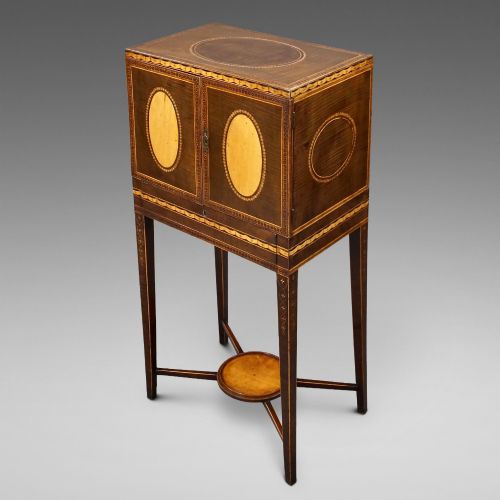
Cabinet makers built these pieces primarily using solid and veneered mahogany, alongside alternative timbers like satinwood, rosewood, oak, yew wood, and pine. Surfaces frequently display figured flame mahogany, complemented by contrasting stringing, satinwood inlays, and ebonised details.
Construction techniques incorporate panelled doors, dovetailed drawer boxes, and occasional brass mountings or faux bamboo turnings. Workshops applied wax finishes to seal and protect the timber while highlighting the natural grain patterns.
Georgian Side Cabinet Retail Price Guide 2026
Typical asking prices for georgian side cabinet among the pieces listed under this phrase on Sellingantiques today, from the lower quarter to the upper quarter. They describe what is for sale here now, not the wider market.
Listings feature mahogany, satinwood, rosewood, oak, and walnut cabinets spanning the eighteenth, nineteenth, and early twentieth centuries.
What varies in quality
Quality rests heavily on the selection of timber, where tightly figured flame mahogany or finely figured satinwood distinguishes a superior piece from plain stock. The crispness of inlaid stringing and the precision of cabinet joinery further elevate the stature of an item.
Proportion and architectural balance dictate the overall success of the design, with subtle concave or demi-lune curves demanding greater skill from the maker. Retaining original brass hardware and untouched polished surfaces contributes significantly to the integrity of the piece.
Gillows·Ince & Mayhew
The Georgian Side Cabinet Glossary
- Chiffonier
- A low sideboard or cabinet featuring enclosed shelving below, often surmounted by a raised superstructure or small bookcase. This form became popular during the Regency period.
- Pot cupboard
- A compact bedside cabinet designed originally to house a chamber pot behind a single door or enclosing drawer. They frequently incorporate a small gallery top.
- Demi-lune
- A half-moon shape used for the footprint and top of curved cabinets and sideboards. It requires specialist veneering techniques to follow the radius.
- Stringing
- Thin inlaid lines of contrasting timber used to outline drawers, doors, and tabletops. It defines the geometric panels characteristic of cabinet work.
- Flame mahogany
- Timber cut from the fork of the mahogany tree to produce a rippling, flame-like grain pattern. Cabinet makers reserved this veneer for primary focal surfaces.
Georgian Side Cabinet: Frequently Asked Questions
What is a pot cupboard?
A pot cupboard is a small bedside cabinet historically designed to conceal a chamber pot behind a lower door. These compact units served bedrooms as functional nightstands.
Today, they adapt easily as lamp tables or bedside storage while retaining their traditional enclosed compartments.
How do I date a Georgian cabinet?
Dating relies on observing timber choices, secondary woods, construction methods, and stylistic cues like bracket feet or inlaid stringing. Pieces from the eighteenth century often display hand-cut dovetails and solid mahogany construction.
Later nineteenth-century revivals and Edwardian copies incorporate machine-cut elements and distinct veneer thicknesses that help distinguish their era.
Where should I place a side cabinet?
Side cabinets suit hallways, living rooms, and bedrooms where surface space and enclosed storage are both required. Their compact depths allow them to fit along narrow walls without obstructing pathways.
Pairing a small cupboard beside a bed or sofa provides a convenient surface for lighting and books while keeping clutter hidden.
What woods were commonly used?
Mahogany remains the dominant timber found in these cabinets, frequently utilised in both solid form and as figured veneers. Craftsmen also turned to satinwood, rosewood, oak, and yew wood for distinct coloration and grain figures.
Secondary woods like pine or oak frequently appear on internal drawer linings and cabinet backs.