




Georgian Porcelain Sauce Boat
A georgian porcelain sauce boat brings the elegance of eighteenth-century dining tables directly to your sideboard.
Georgian Porcelain Sauce Boat
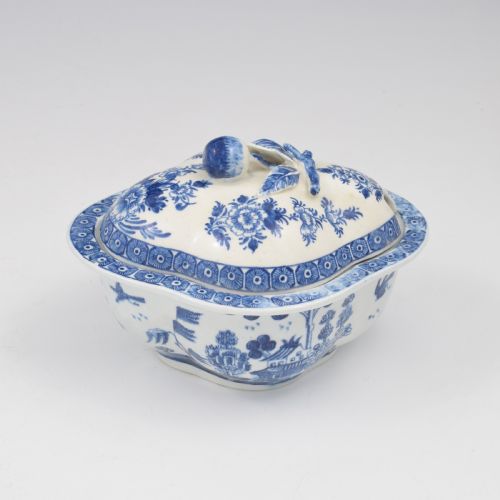
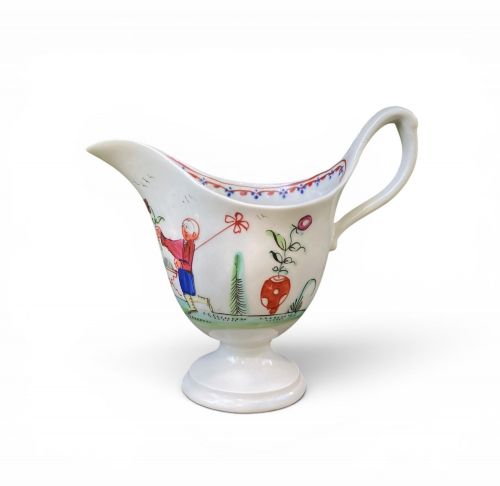
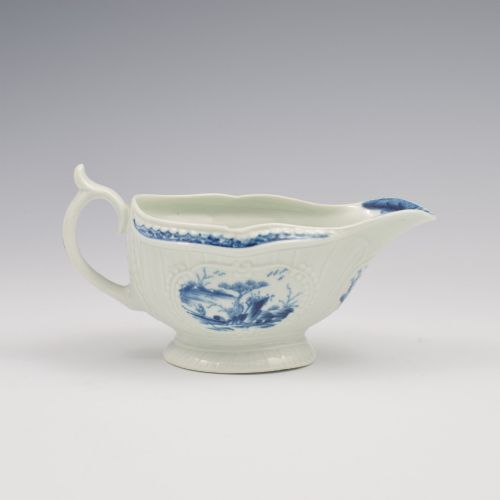
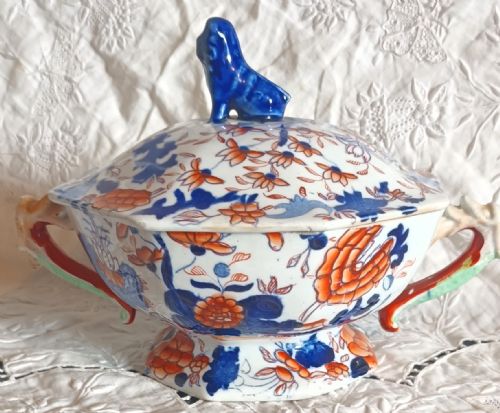
A georgian porcelain sauce boat is a table vessel designed for serving gravies, butter, and sauces during formal meals. The examples found here span the eighteenth century and the regency era, taking forms such as fluted boats, quatrefoil tureens, and triangular platforms.
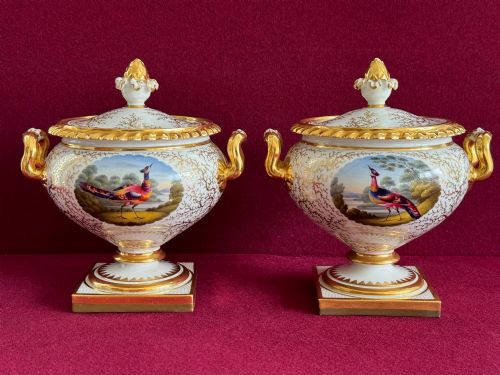
Makers across this period produced these tablewares in soft-paste porcelain, earthenware, and ironstone. You will encounter pieces featuring blue and white decoration, cobalt glaze, enamel painting, and gilt details.
The styles range from georgian rococo and chinoiserie to botanical patterns and figurative scenes. Most pieces on this page represent eighteenth-century English factories, alongside early nineteenth-century developments.
How they were made
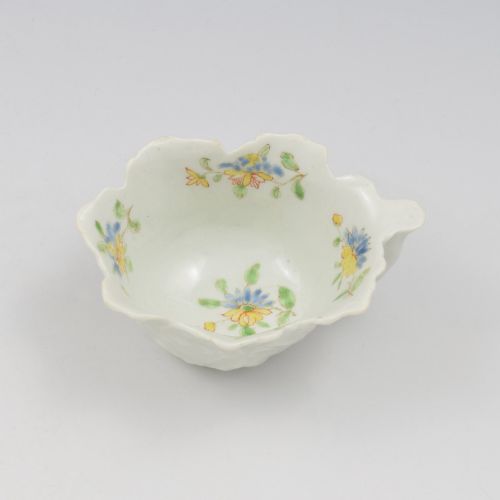
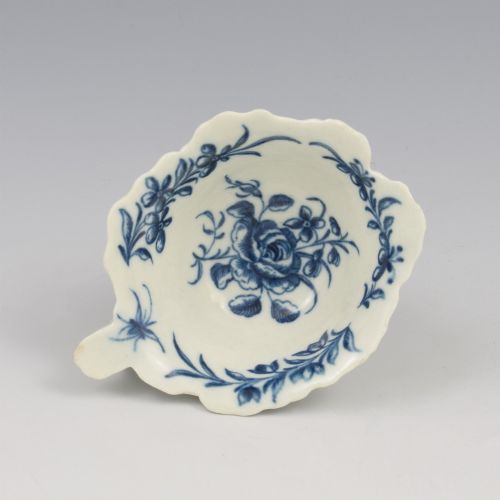
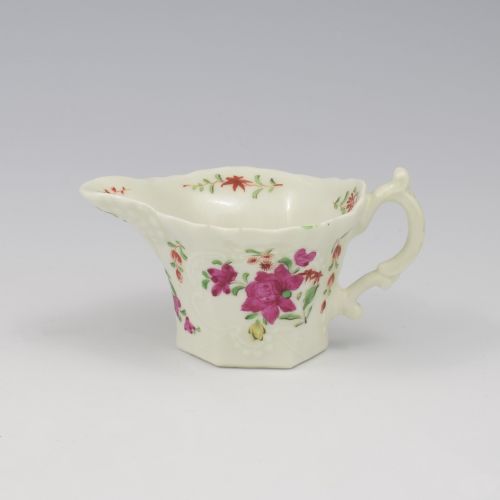
Potters utilised soft-paste porcelain and earthenware bodies, shaping them by hand or moulding them into specific forms like lettuce leaves and hexagonal vessels. Cobalt glaze was applied beneath the surface before firing, while enamel colours and gilt accents were often added and fired in a muffle kiln.
Transfer printing and hand-painted techniques created intricate motifs such as Chinese figures, botanical studies, and the Fisherman and Billboard Island pattern. Glaze application varied, resulting in pooling and subtle surface textures characteristic of early English factories.
Georgian Porcelain Sauce Boat Retail Price Guide 2026
Typical asking prices for georgian porcelain sauce boat among the pieces listed under this phrase on Sellingantiques today, from the lower quarter to the upper quarter. They describe what is for sale here now, not the wider market.
Listings feature 18th century and regency periods, using soft-paste porcelain, earthenware, and ironstone with cobalt glaze and gilt.
What varies in quality
The refinement of the paste and the clarity of the cobalt glaze distinguish finer pieces from standard production. Early soft-paste porcelain often displays a warmer, slightly translucent body compared to later earthenware and ironstone bodies.
The execution of hand-painted or transfer-printed decoration demonstrates the skill of the factory artists. Crispness in moulded details, such as fluting, scrollwork handles, and botanical relief, marks the distinction between ordinary vessels and superior ones.
Bow Porcelain·Dr Wall Worcester·Chelsea Derby·New Hall·Flight Barr And Barr·Mason S Ironstone
The Georgian Porcelain Sauce Boat Glossary
- Soft-paste porcelain
- An artificial porcelain composition made from a mixture of white clay, glass frit, and ground minerals, fired at lower temperatures than hard-paste. It characterises much eighteenth-century English tablewares.
- Cobalt glaze
- A deep blue metallic oxide pigment applied under the glaze to create rich blue and white designs on porcelain. It reacts intensely during high-temperature firings.
- Quatrefoil
- A symmetrical shape composed of four overlapping or adjacent lobes, frequently seen in the design of eighteenth-century sauce tureens and basins. This outline added decorative movement to table service pieces.
- Pearlware
- A refined earthenware developed in the late eighteenth century featuring a thin glaze with a faint bluish tint that pooled in crevices. It bridged the gap between creamware and later white ironstone.
Georgian Porcelain Sauce Boat: Frequently Asked Questions
What is a georgian porcelain sauce boat used for?
These vessels were utilised at the dining table for serving melted butter, gravies, and thin sauces during formal meals.
Guests would ladle the contents over meat or vegetable dishes, making the sauce boat an essential part of eighteenth-century dining services.
How do I date a georgian porcelain sauce boat?
Dating relies on identifying the material, such as early soft-paste porcelain versus later pearlware, alongside stylistic markers like rococo moulding or regency forms.
Factory characteristics, cobalt blue tones, and pattern names also help narrow the period of manufacture.
Can I use antique sauce boats for dining?
While these vessels were made for functional table use, soft-paste porcelain and earthenware from the eighteenth century are delicate.
Many collectors prefer to display them or restrict their use to special occasions to protect the glaze and enamel decoration from wear.