



18th Century Worcester Boat
An 18th century worcester boat brings the refined touch of Georgian tableware to the table, offering collectors delicate craftsmanship and historic ceramic artistry.
18th Century Worcester Boat
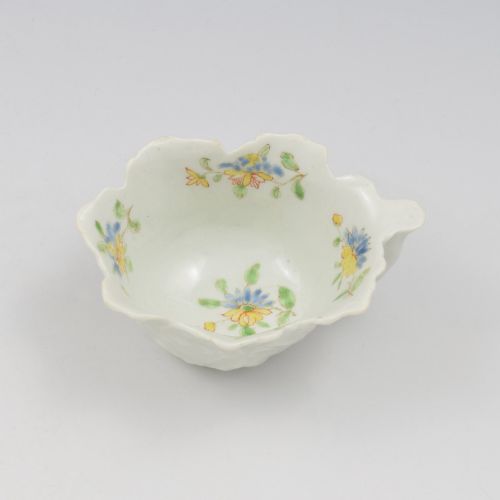
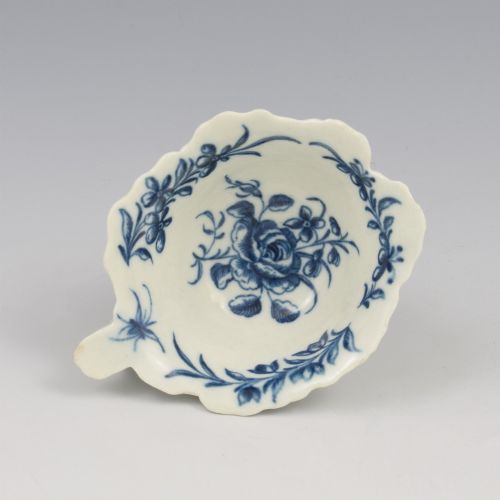
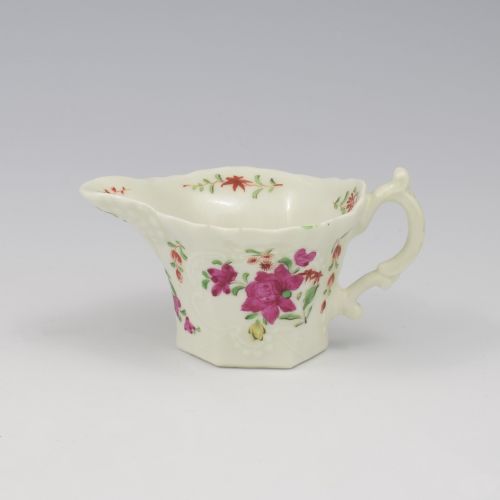
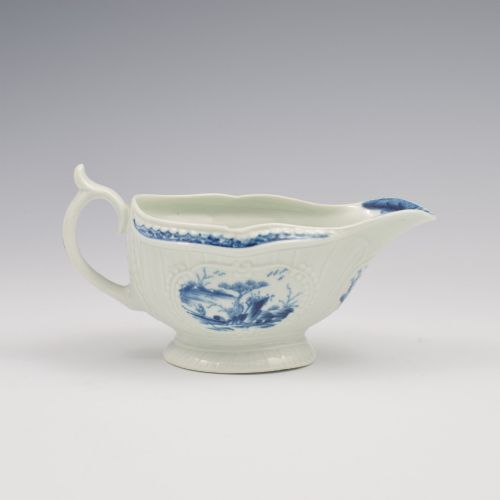
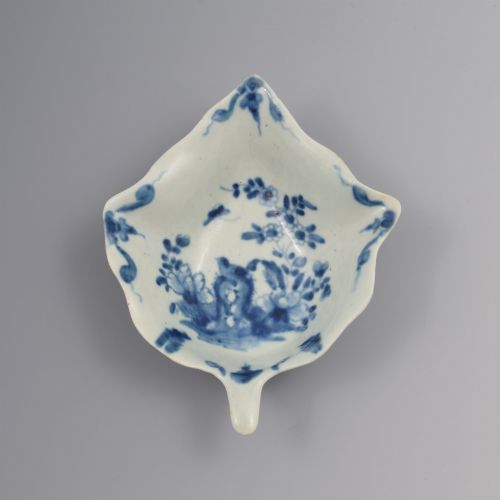
When you search for an 18th century worcester boat, you are looking at English soft-paste porcelain from the Georgian period, primarily sauce boats, cream boats, and condiment dishes. These domestic vessels served the dining table during the eighteenth century, shaped into forms like hexagonal bodies, leaf dishes, and the distinctive dolphin ewer cream boat with a lamprey handle.
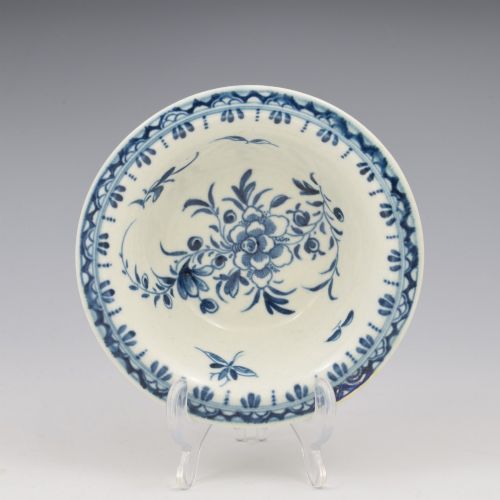
The pieces you are most likely to meet on this page span from the mid to late eighteenth century, featuring blue and white decoration alongside enamelled designs. Patterns range from the Fisherman and Billboard Island to the Peony, Rose, and Doughnut Tree motifs, all characteristic of early Worcester production.
Materials and Manufacture
These pieces are fashioned from soft-paste porcelain, a ceramic body developed in the eighteenth century that produces a warm, slightly translucent ground beneath the glaze. Potters shaped the clay by hand or in moulds to create complex forms such as triangular platforms, pickle leaves, and sculptural handles.
Decoration relied heavily on cobalt glaze applied under the glaze for blue and white designs, alongside polychrome enamel colours painted over the glaze. Firing in early kilns gave each piece subtle individual characteristics in the ceramic body and surface finish.
18th Century Worcester Boat Retail Price Guide 2026
Typical asking prices for 18th century worcester boat among the pieces listed under this phrase on Sellingantiques today, from the lower quarter to the upper quarter. They describe what is for sale here now, not the wider market.
Current listings feature soft-paste porcelain from the 18th century, including sauce boats, pickle leaf dishes, and cream boats decorated with cobalt glaze and enamel.
Assessing Quality and Execution
The quality of an 18th century worcester boat rests on the crispness of the moulding and the clarity of the cobalt glaze or enamel painting. Finer examples display sharp relief in moulded leaf veins and animal forms like lamprey handles, whereas simpler items show softer definition from worn moulds.
The precision of the brushwork distinguishes superior pieces, particularly in detailed transfer or painted scenes like the Fisherman and Billboard Island pattern. A well-balanced form with an even glaze layer represents the standard achieved by skilled eighteenth-century ceramicists.
Dr Wall Worcester
The 18th Century Worcester Boat Glossary
- Soft-paste porcelain
- A ceramic composition of glass frit and white-burning clays fired at lower temperatures than hard-paste porcelain. This material creates the characteristic body found on eighteenth-century Worcester wares.
- Cobalt glaze
- A metallic oxide pigment used to produce deep blue decoration under the transparent glaze. It defines the classic blue and white aesthetic of early Worcester pottery.
- Enamel
- Coloured glass powder painted over the fired glaze and fixed in a muffle kiln. It allows for vibrant polychrome pictorial designs on porcelain surfaces.
- Cream boat
- A small vessel designed for serving cream at the tea or dining table. They frequently share the moulded forms and handles of larger sauce boats.
18th Century Worcester Boat: Frequently Asked Questions
What is an 18th century worcester boat used for?
These vessels were originally created for practical dining table service, holding sauces, melted butter, or cream during formal meals.
Today, collectors use them primarily for display as cabinet pieces or decorative table accents, appreciating their historic form and hand-painted artistry.
How do I identify a First Period Worcester piece?
Look for the characteristic soft-paste porcelain body, which often exhibits a warm tone and subtle surface variations under a clear glaze. Eighteenth-century forms include moulded leaf shapes, hexagonal sauce boats, and distinct cobalt blue or enamelled patterns.
Examination of the base and interior details helps confirm the Georgian origin of the potting technique and decorative style.
What is a dolphin ewer cream boat?
A dolphin ewer cream boat is a specialised small vessel featuring sculptural elements like a lamprey-shaped handle and marine-inspired body moulding. These pieces showcase the playful Georgian rococo aesthetic applied to domestic tableware.
They represent some of the more inventive and sculptural forms produced by eighteenth-century porcelain factories.
How should I care for antique Worcester porcelain?
Keep these fragile soft-paste porcelain items away from modern dishwashers and harsh cleaning chemicals. Gentle hand washing in lukewarm water with mild soap is recommended if cleaning is necessary.
Display them securely on stable surfaces or within enclosed cabinets to protect the delicate glazes and historical ceramic bodies from accidental damage.