





Flight Barr Worcester Ceramic
Flight barr worcester ceramic works represent the pinnacle of English factory craftsmanship during the Georgian and Regency periods, prized by collectors for their exquisite handpainted detail and rich gilding.
Flight Barr Worcester Ceramic
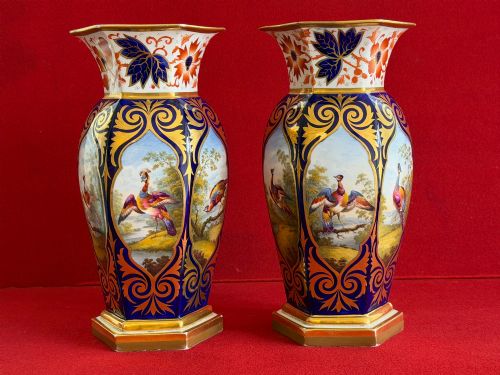
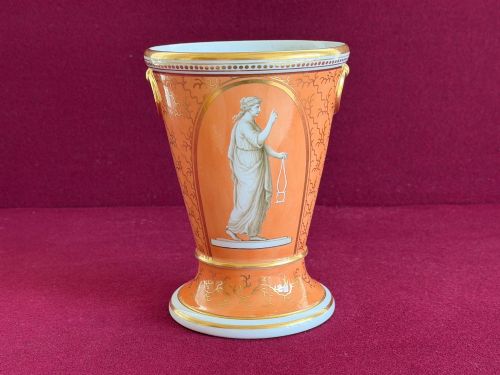
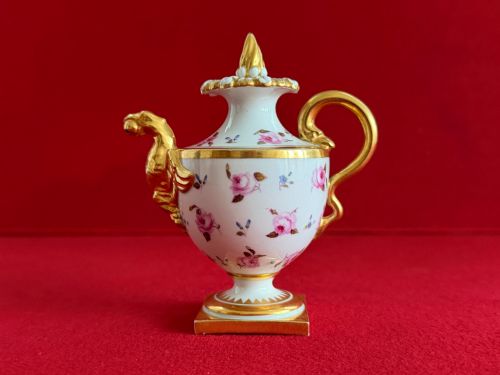
Flight barr worcester ceramic items encompass a diverse array of utilitarian and decorative forms produced around the turn of the nineteenth century. Buyers searching this phrase encounter everything from cabinet plates and tea services to large jardinieres, rose water sprinklers, and ice pails.
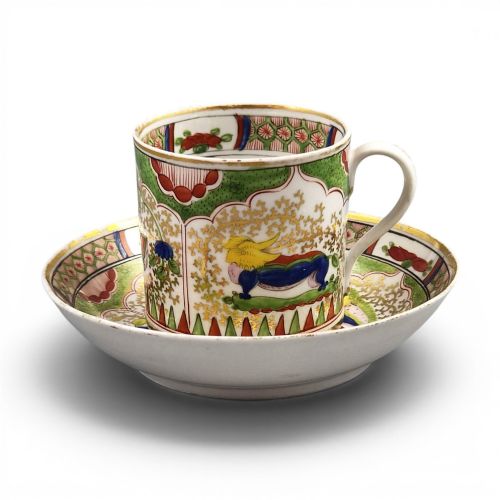
The objects span late Georgian and Regency aesthetics, frequently showcasing neoclassical motifs or elaborate Chinoiserie designs such as the Dragon in Compartments pattern. Most surviving examples date from the various partnerships involving the Flight and Barr families between eighteen hundred and eighteen thirty.
Vessels designed for the dining table and drawing room dominate the selection, including sauce tureens, cream tureens, entrée dishes, and delicate coffee cans. These porcelain creations reflect the refined tastes of the British elite during an era of significant stylistic evolution.
Materials and manufacture
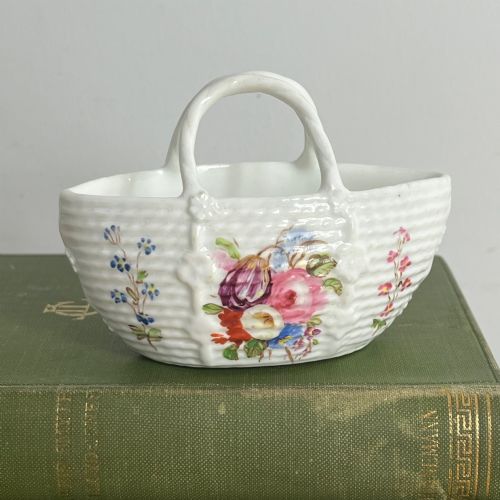
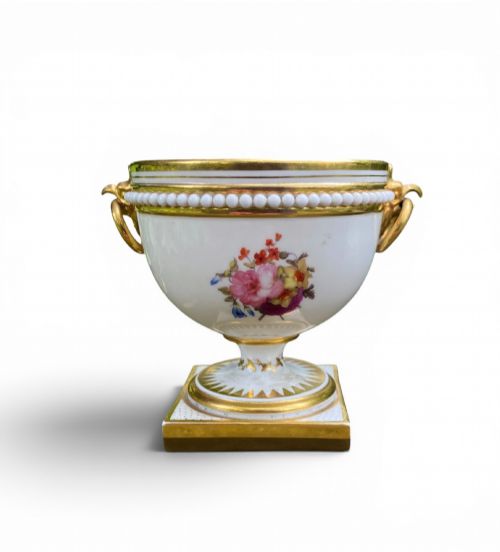
Potters utilised fine porcelain and soft-paste porcelain bodies, shaping them into elaborate forms like baskets, bough pots, and miniature vessels. Artisans then applied intricate handpainted enamel decoration, depicting botanical specimens, topographical views, and oriental subjects.
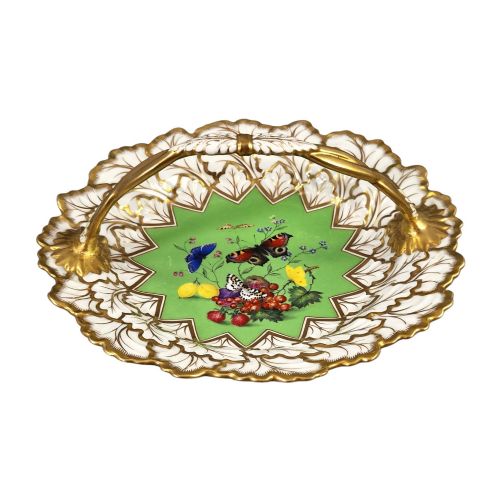
Gilding played a central role in the finishing process, with heavy gold leaf and rich gilt embellishments highlighting handles, borders, and central motifs. Specialist painters, including recorded decorators like Samuel Astles, executed the detailed artwork prior to final firing.
Surviving rose water sprinklers remind us that nineteenth-century drawing rooms occasionally required heavily scented botanical sprays to combat lingering indoor odours.
Factors of distinction
The superiority of a piece rests upon the ambition of its form and the precision of its painted decoration. Standard cabinet plates sit at one end of the spectrum, while sculptural garniture vases, rose water sprinklers, and ice pails demonstrate the factory's highest sculptural capabilities.
Surface ornamentation dictates value through complexity, separating routine floral sprays from meticulously rendered topographical scenes or dense oriental patterns like the Dragon and Kylin. The density, brilliance, and preservation of the gold leaf further distinguish exceptional examples from standard factory output.
Flight And Barr·Barr Flight And Barr·Flight Barr And Barr
The Flight Barr Worcester Ceramic Glossary
- Porcelain
- A white vitrified translucent ceramic material made from china clay and china stone. It forms the smooth white body upon which enamels and gold leaf are applied.
- Gilt
- A thin layer of gold applied to the ceramic surface for decorative effect. This technique was used extensively on handles, rims, and intricate borders during the Regency period.
- Chinoiserie
- A European artistic style reflecting Chinese motifs and decorative techniques. Pieces in this tradition often feature stylized dragons, Kylins, and compartments.
- Jardiniere
- An ornamental pot or stand designed to hold growing plants or flowers. These large vessels were popular decorative centrepieces in grand nineteenth-century drawing rooms.
- Enamel
- Opaque vitreous coloured composition fused to the porcelain surface through firing. It provides the vibrant permanent pigments seen on floral bouquets and landscape views.
Flight Barr Worcester Ceramic: Frequently Asked Questions
What periods do these ceramics date from?
The pieces span the Georgian and Regency eras, primarily concentrated between eighteen hundred and eighteen thirty. This period marks the height of the Worcester factory's successive partnerships under the Flight and Barr families.
Stylistic shifts during these decades move from restrained neoclassical forms toward grander, more ornate Regency designs incorporating rich gilding and vibrant enamel palettes.
How were these decorative items used?
Wealthy households utilised these porcelain items for both ornamental display and formal dining rituals. Jardinieres held indoor plants, while rose water sprinklers refreshed the air in refined reception rooms.
Dining table vessels such as sauce tureens, ice pails, and dessert baskets served elaborate courses during formal meals. Cabinet plates and cups remained on display in drawing rooms to demonstrate the host's refined taste.
How do I identify specific patterns?
Factory decorators drew inspiration from various sources, resulting in distinct visual categories across the surviving output. Look for oriental motifs in specific designs like the Dragon in Compartments or the Dragon and Kylin pattern.
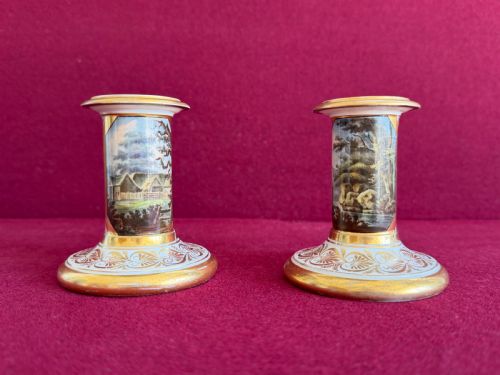
Other pieces feature naturalistic studies of butterflies, botanical floral sprays, or detailed topographical views of English cottages and landscapes. These named subjects provide clear markers for categorizing individual items.
How should I care for antique porcelain?
Antique porcelain requires gentle handling due to the delicate nature of soft-paste bodies and applied enamel decoration. Dust pieces dry with a soft brush and avoid exposing them to sudden temperature fluctuations.
Hand washing in warm water with mild soap is occasionally necessary, but abrasive cleaning agents must be avoided entirely to protect the fragile gold leaf and gilt highlights.