



Georgian Plant Pedestal
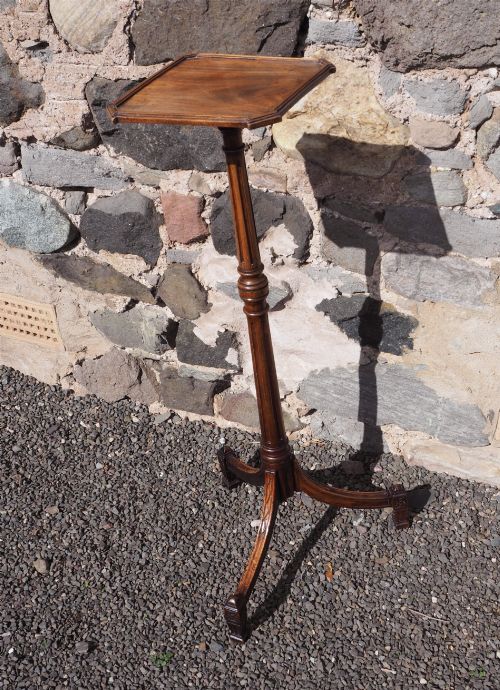
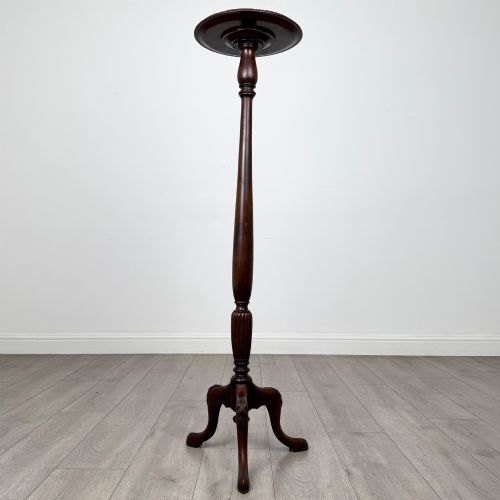
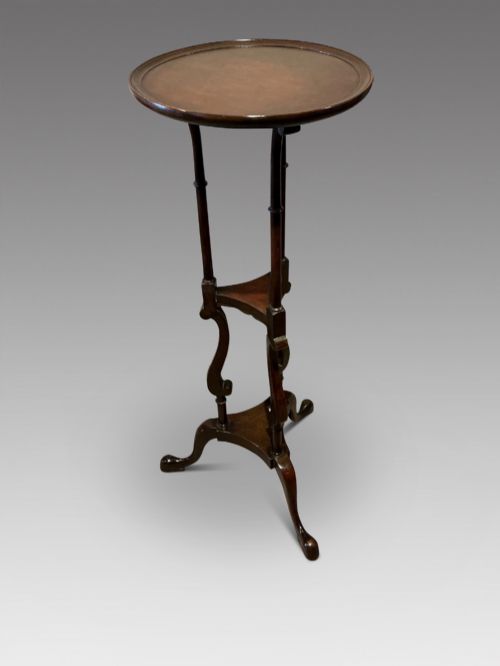
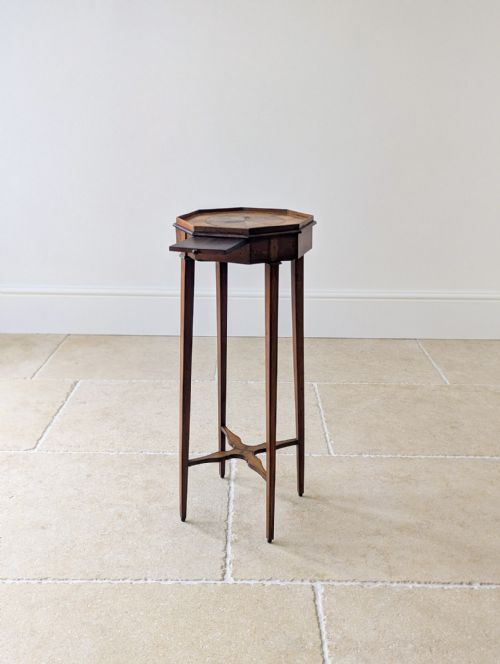
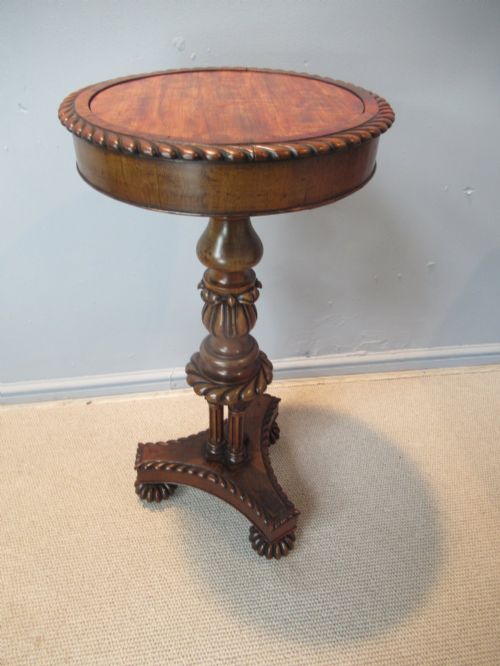
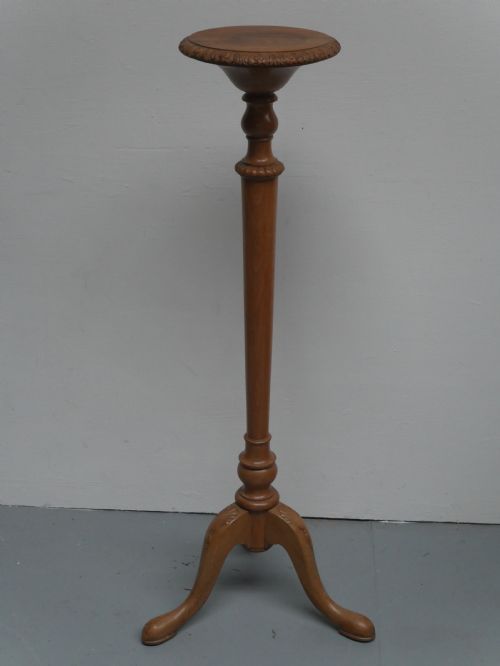
A georgian plant pedestal elevates greenery and sculpture with slender proportion, bringing architectural height and polished timber to a corner.
Georgian Plant Pedestal
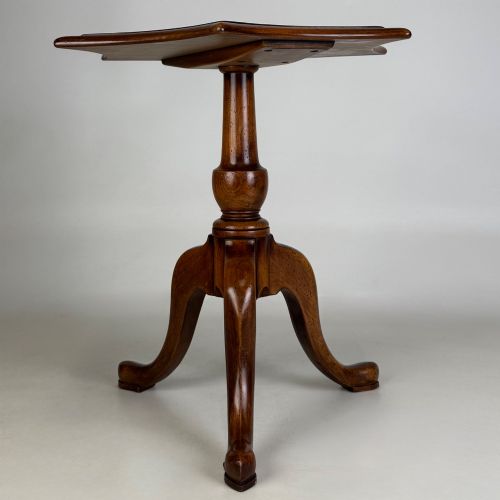
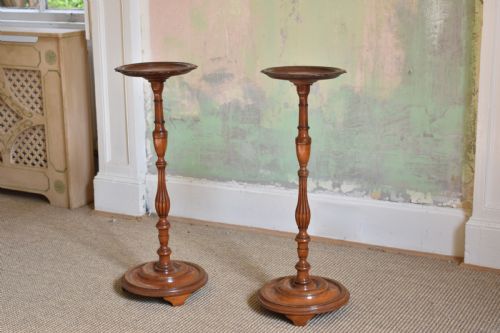
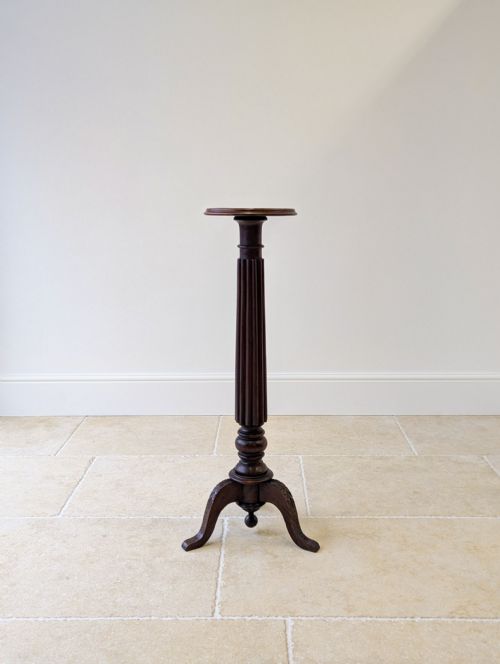
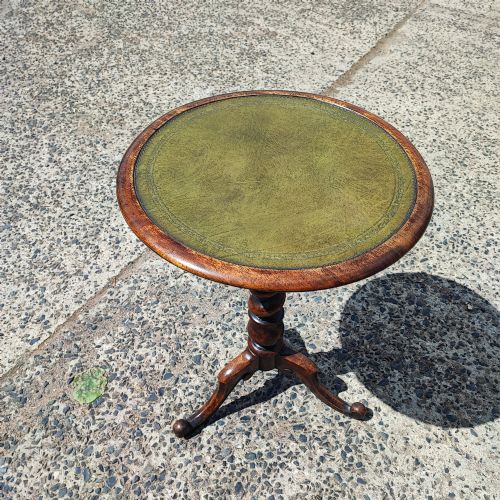
A georgian plant pedestal is typically encountered as a tall torchere, urn stand, or tripod table designed to support heavy planters, urns, and lamps. These pieces span the eighteenth century and subsequent revival periods, taking the form of slender columns, pedestals, and plant stands.
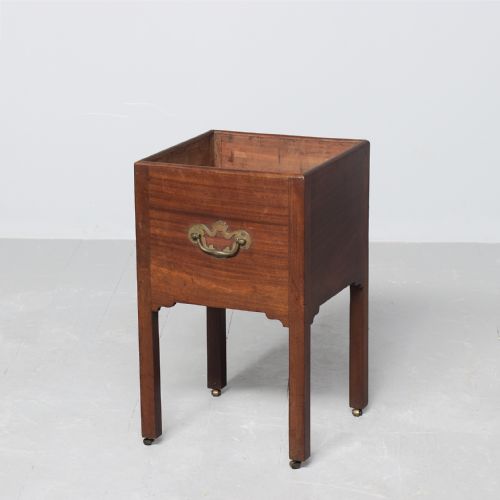
The materials recorded in these listings rely heavily on figured timbers such as mahogany and walnut, occasionally supplemented by satinwood, oak, and cast iron. Forms range from simple circular wine tables and wig stands to elaborate carved triform pedestals and jardinière stands.
Buyers will find both genuine eighteenth-century examples and later nineteenth-century adaptations built in the georgian style. Their compact footprints and elevated surfaces make them useful for displaying decorative objects in domestic interiors.
Judging quality and proportion
Quality rests upon the crispness of the hand-carved details on the stem and the stability of the tripod base under weight. Superior examples display balanced proportions where the slender shaft harmonises with the width of the top and feet.
The choice of timber grain significantly alters the visual weight of the piece, with richly figured walnut and mahogany achieving greater depth than plain or heavily painted surfaces.
Some tall stands double unexpectedly as wig stands, ready to hold powdered hairpieces before breakfast.
The Georgian Plant Pedestal Glossary
- Torchere
- A tall, slender stand originally designed to hold a candle or light source. These pieces now frequently serve as plant or urn stands.
- Tripod table
- A small occasional table supported by a pillar above three spreading legs. They offer stable elevation on uneven floors.
- Urn stand
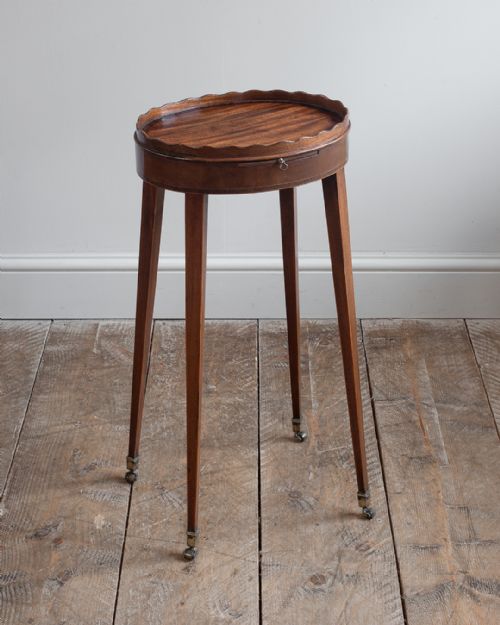
- A small square or circular table specifically proportioned to hold a drinking urn or decorative vessel. They often feature raised galleries or moulded edges.
- Jardinière
- A decorative pot or stand for holding plants and flowers. In timber constructions, these often incorporate lead linings or protective trays.
- Marquetry
- The art of applying pieces of veneer to a structure to form decorative patterns and pictures. Walnut examples frequently employ floral motifs using this technique.
Georgian Plant Pedestal: Frequently Asked Questions
What is the difference between a torchere and a plant stand?
A torchere historically held a candle or light source on a tall, slender shaft, whereas a plant stand was built to support heavier garden urns and pots.
Over time, the terms overlap considerably as tall furniture finds new uses for displaying greenery and decorative objects.
How do I style a pedestal in a modern room?
Position the piece in an empty corner or beside seating to introduce vertical lines and break up flat room boundaries.
Keep the item placed on top balanced in scale so the narrow top surface remains visible around the base of the object.
Can these stands support heavy ceramic planters?
Most antique tripod stands provide sturdy support for moderate weights if the central column and leg joints remain firm.
Heavier stone or cast iron campana urns require heavier structural bases such as plinths rather than slender wooden poles.
How do I distinguish eighteenth-century pieces from later revivals?
Eighteenth-century examples show signs of hand-tooling and natural timber oxidation beneath the finish. Revival pieces from the Victorian and Edwardian eras often utilise machine-sawn elements and standardised joinery.