


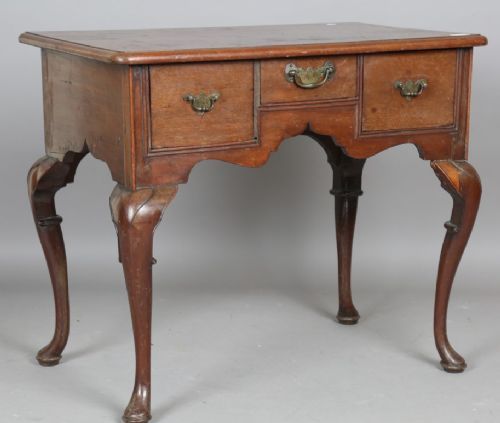


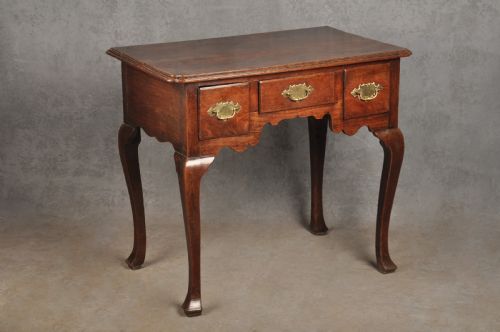


Georgian Period Walnut Table
A georgian period walnut table brings deep, figured timber and steady construction into a room, offering both practical surface space and historic presence.
Georgian Period Walnut Table
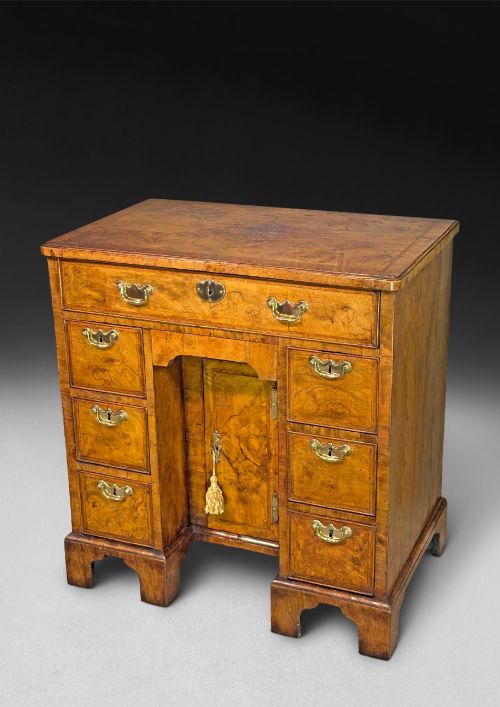
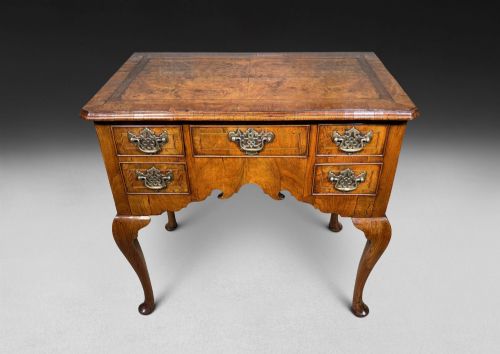
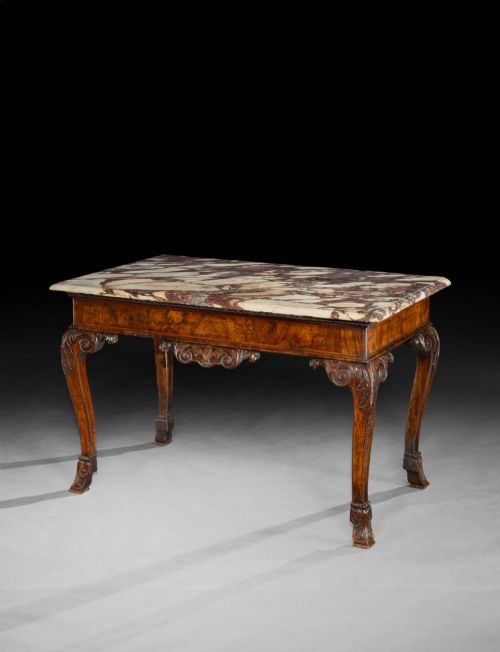
When you search for a georgian period walnut table, you encounter a selection of domestic furniture ranging from lowboys and side tables to desks and drop-flap dining tables. These objects date primarily across the eighteenth century, encompassing the reigns of the early Georges and the subsequent Regency era.
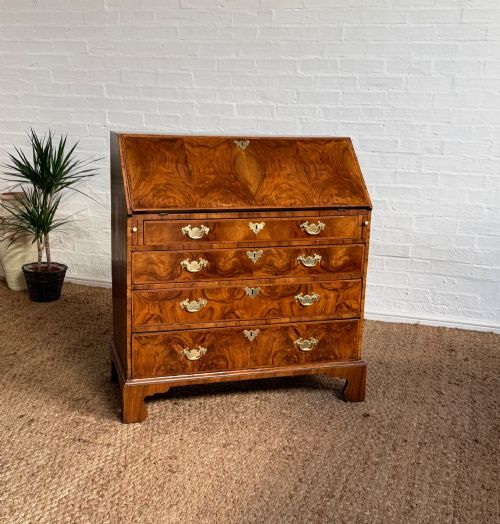
The versions you meet most frequently on this page include lowboys and side tables executed in figured and burr walnut, alongside dressing mirrors and writing desks. Alongside pieces from the eighteenth century itself, you also discover revival examples produced in later periods.
Makers and craftsmen of the eighteenth century shaped these tables to serve specific domestic functions, from writing and grooming to serving meals and displaying objects. The survival of such walnut furniture demonstrates the enduring appeal of timber figures developed over decades of growth.
How they were made
Joiners built these tables using solid walnut and oak for internal framing, applying figured and burr walnut veneers to primary surfaces to create striking grain patterns. Cabinetmakers utilised secondary timbers such as oak for drawer linings and structural supports within the carcase.
Surface finishing involved hand-applied polishing techniques that brought out the natural warmth and depth of the walnut timber without obscuring the grain. Hardware such as brass drop handles and escutcheons complemented the dark tones of the wood.
Early cabinetmakers occasionally hid small secret compartments inside kneehole desks to keep coins and private letters away from prying eyes.
What varies in quality
The visual impact of a georgian period walnut table depends heavily on the choice of veneer, with burr and figured sections creating rich, lively patterns across the top and drawer fronts. Cabinetmakers who selected timber with balanced figuring achieved a more harmonious appearance than those working with plain boards.
Construction details, such as the neatness of dovetail joints on drawers and the crispness of carved details on legs, distinguish high-standard work from simpler provincial pieces. The integrity of the timber surface and the retention of period hardware further influence the character of each table.
The Georgian Period Walnut Table Glossary
- Lowboy
- A small table with one or more drawers, commonly used as a dressing table or side table during the eighteenth century.
- Burr walnut
- Wood taken from a growth on a walnut tree, displaying distorted, highly figured grain patterns prized for decorative veneering.
- Kneehole desk
- A writing table featuring a recessed central space flanked by pedestals of drawers.
- Drop-flap dining table
- A table with hinged leaves that fold down at the sides to reduce its footprint when not in use.
Georgian Period Walnut Table: Frequently Asked Questions
How do I care for a walnut table?
Keep the timber away from direct heat sources and strong sunlight to prevent the wood from drying out or the veneer from lifting. Regular dusting with a soft, dry cloth maintains the surface.
Apply a traditional wax polish occasionally to nourish the walnut and preserve its natural sheen without building up heavy layers.
Are these tables suitable for daily use?
Most of these tables were built for daily domestic service in eighteenth-century homes and remain sturdy enough for similar tasks today. Using coasters and placemats protects the polished walnut surface from moisture and heat.
Placing the table away from high-traffic areas prevents accidental knocks to older joints and delicate veneers.
How do I distinguish eighteenth-century pieces from later revivals?
Examine the construction methods and timber characteristics inside the drawers and beneath the top. Eighteenth-century pieces typically display hand-cut dovetails and secondary timbers consistent with the period.
Revival pieces made in the nineteenth or twentieth century often show machine assistance or timber choices that differ from Georgian workshop practices.
What rooms suit a walnut side table?
A side table or lowboy fits easily into a hallway, sitting room, or bedroom, providing a surface for lamps, books, or decorative objects. Their restrained proportions allow them to sit against walls without overwhelming smaller spaces.
Pairing the table with older or contemporary seating creates a balanced arrangement that highlights the warmth of the walnut timber.