
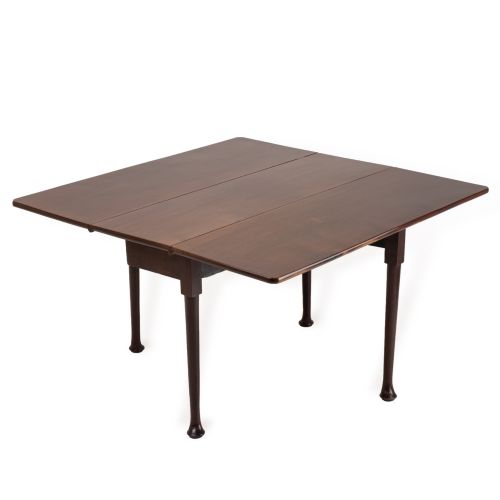


Georgian Walnut Dining Table
A georgian walnut dining table offers warmth and rich grain, bringing centuries of craftsmanship directly into your dining room.
Georgian Walnut Dining Table
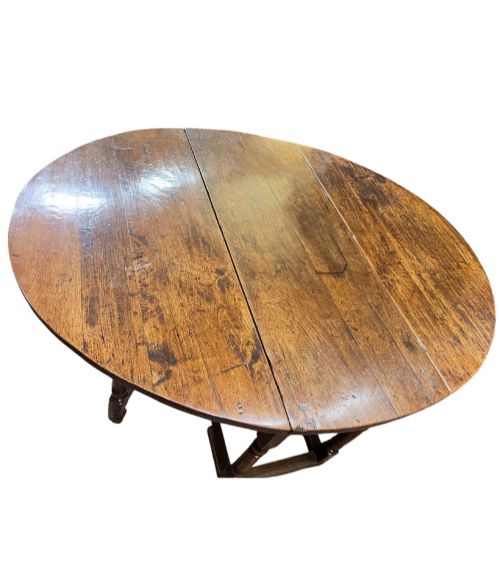
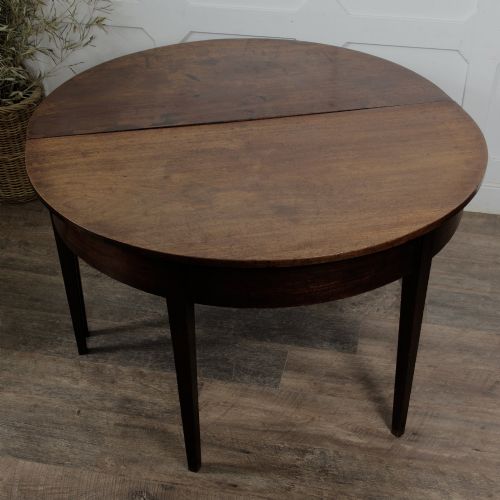
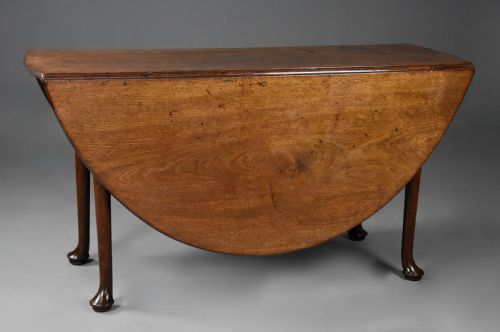
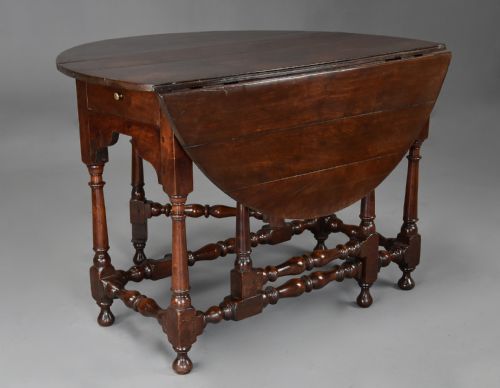
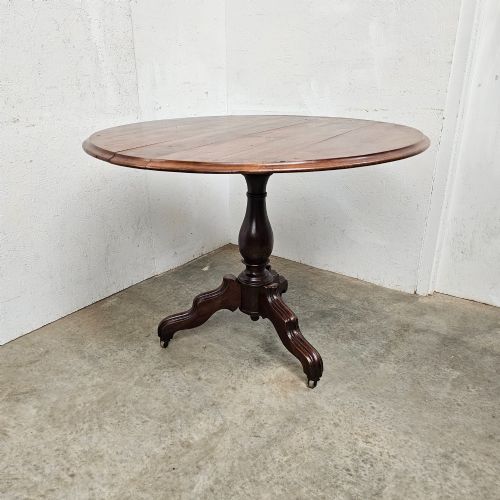
A georgian walnut dining table encompasses solid wood and veneered forms designed for gathering, frequently appearing in gateleg, drop-leaf, and pedestal configurations. Buyers searching for a georgian walnut dining table will encounter pieces ranging from seventeenth-century origins through to twentieth-century revivals.
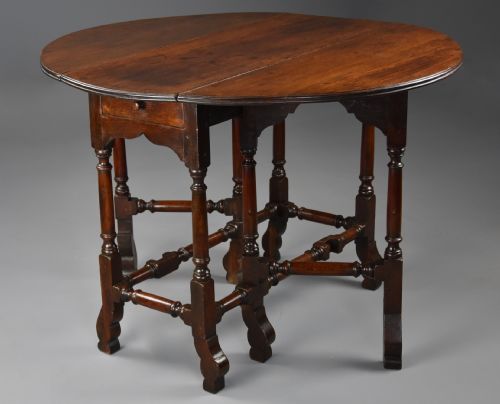
Gateleg and drop-leaf variations dominate the selections, offering adaptable surfaces supported by hinged legs and folding leaves. These tables trace their lineage through the eighteenth century, with occasional Victorian and later interpretations reflecting earlier Georgian aesthetics.
Extended seating arrangements appear alongside smaller formats, demonstrating the versatility of walnut furniture across different room sizes. The inclusion of styles such as Queen Anne and George III highlights the enduring appeal of these walnut forms.
Construction and materials
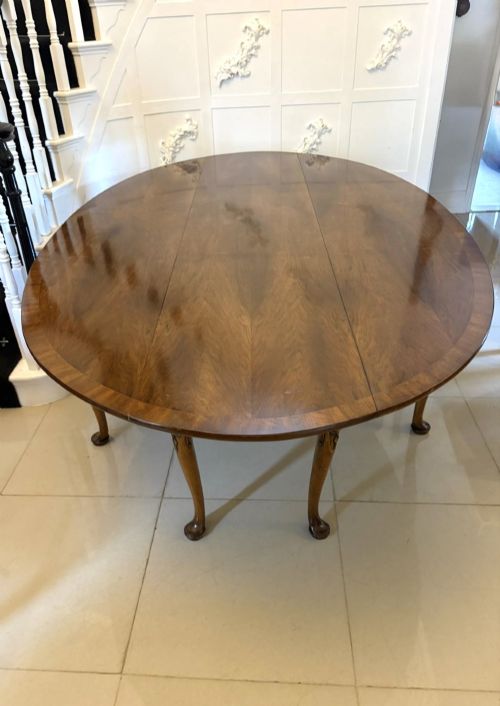
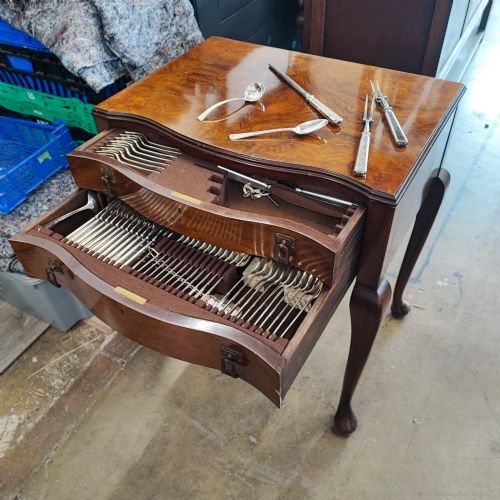
Cabinet makers utilised solid walnut, red walnut, and burr walnut veneer applied to secondary timbers such as oak, creating complex grain patterns across tabletops. Brass hardware, including hinges and drawer pulls, accompanied wooden butterfly and gateleg mechanisms.
Drop-leaf and gateleg designs relied on pivoting wooden frames to support movable flaps, whilst pedestal tables utilised central columns resting on balanced feet. Polishing techniques brought out the deep natural colours of the timber, developing patinas over decades of use.
Listings feature walnut, mahogany, brass, and oak across seventeenth, eighteenth, and nineteenth-century periods, alongside twentieth-century revival pieces.
Assessing quality
The depth and uniformity of the timber's patina distinguish superior examples, where age and handling produce a soft, lustrous surface sheen. The choice between figured burr walnut and plain timber alters the visual impact, with complex grain arrangements commanding greater attention.
Structural integrity depends on the precision of the joints, the condition of the folding mechanisms, and the survival of original secondary woods beneath the veneer. Consistency in colour across leaves and central sections indicates careful selection of materials by the original maker.
The Georgian Walnut Dining Table Glossary
- Gateleg table
- A table with hinged flaps supported by legs that swing outward like gates. This design allows the surface area to expand or contract according to requirement.
- Drop-leaf table
- A table featuring a fixed centre section and hinged flaps that drop down at the sides. It provides compact storage when not in use.
- Red walnut
- A specific American or European walnut variety displaying warm reddish undertones. It was frequently utilised for eighteenth-century dining furniture.
- Burr walnut
- Timber taken from the warted growths on walnut trees, yielding highly decorative swirling grain patterns. Cabinet makers used this as a premium veneer.
- Patina
- The surface sheen and mellowing developed by wood over years of handling, light exposure, and polishing. It serves as a key indicator of age.
Georgian Walnut Dining Table: Frequently Asked Questions
How do I maintain a walnut table?
Clean walnut surfaces using a soft, dry cloth to remove dust without abrasive chemicals. Apply appropriate beeswax periodically to nourish the timber and preserve the patina.
Keep tables away from direct heat sources and strong sunlight to prevent the wood from drying out or fading unevenly over time.
Are these tables suitable for daily use?
Many examples are robust enough for everyday dining, provided simple precautions such as using heat mats are observed. Their historical construction handles regular family meals when treated with reasonable care.
Lighter gateleg mechanisms require gentle handling when opening and closing the leaves to avoid straining the original hinges and wooden pivot joints.
How can I tell the period of a table?
Examine the secondary woods underneath and inside drawers, as oak and pine usage shifted across centuries. Tool marks, joint types, and the method of hinge attachment provide clues to manufacture dates.
Compare the leg turns, stretcher arrangements, and overall proportions against documented styles from the seventeenth through to the nineteenth century.
What is the difference between solid and veneered walnut?
Solid walnut tables utilise single planks of timber through the top and frame, showing consistent material depth throughout. Veneered versions apply thin slices of figured timber, such as burr walnut, over a stable secondary wood base.
Veneering allowed makers to display dramatic, symmetrical grain patterns that would be structurally unstable if cut as solid boards.