

Georgian Period Tea Table
A georgian period tea table brings eighteenth-century proportion and warm timber to a room, offering a folding or tilt-top surface designed for social entertaining.
Georgian Period Tea Table
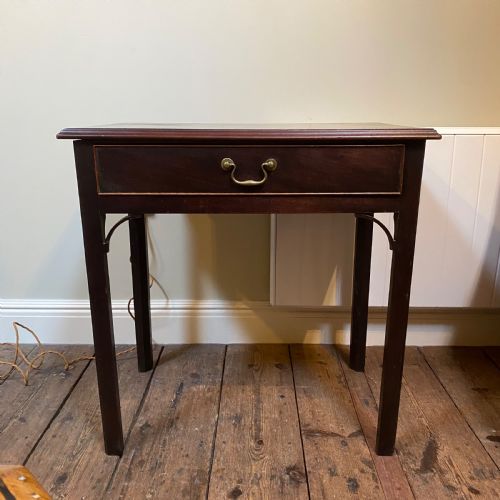
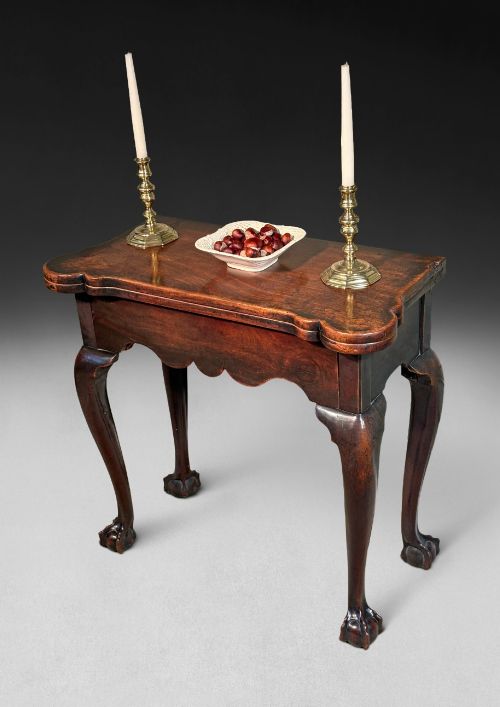
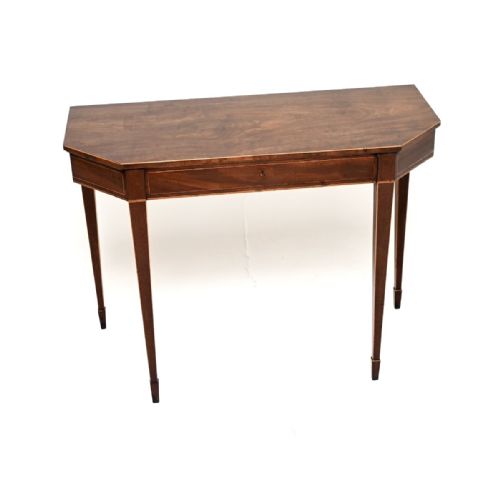
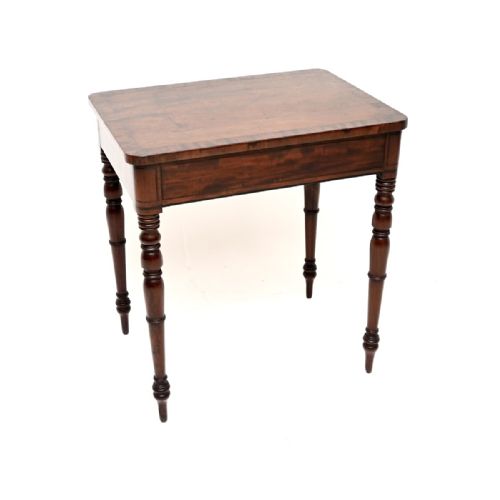
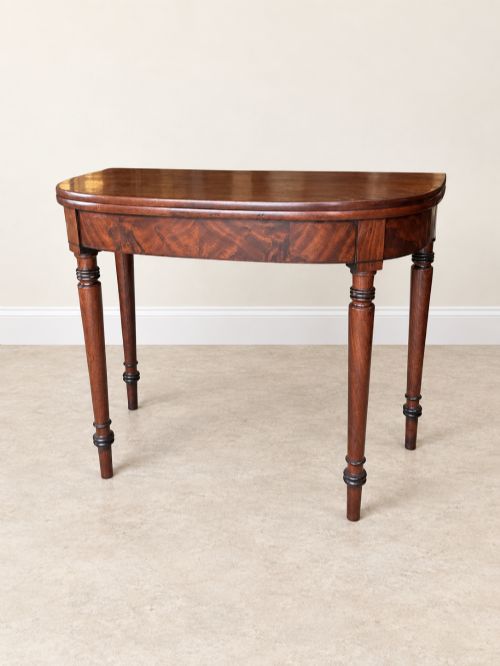
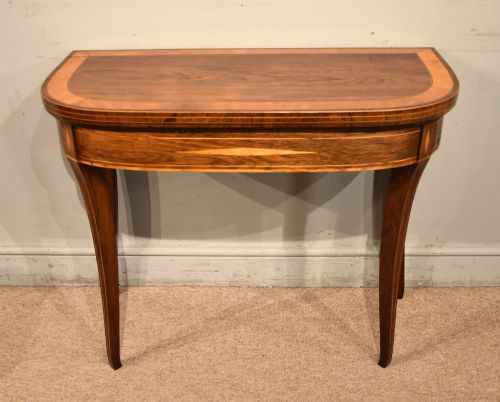
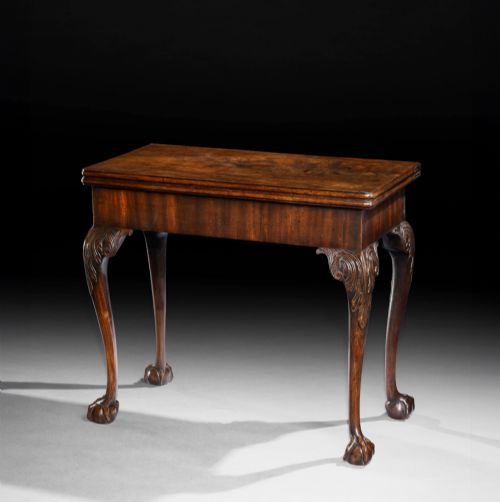
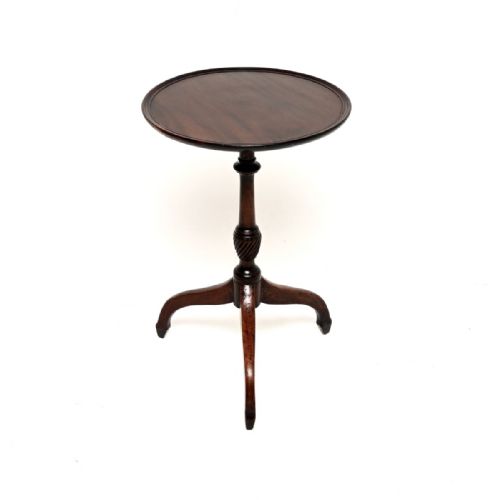
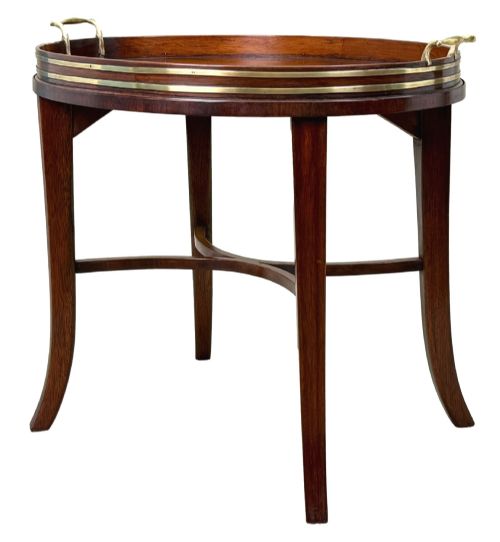
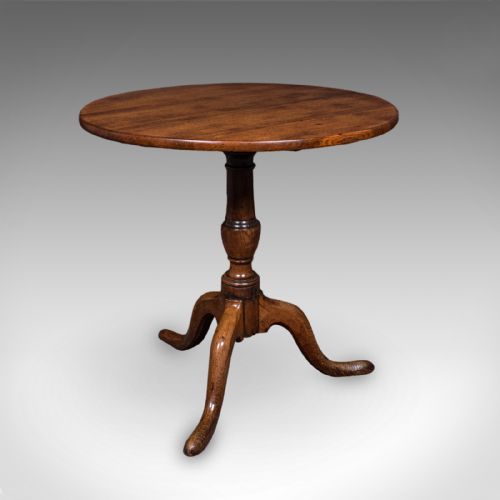
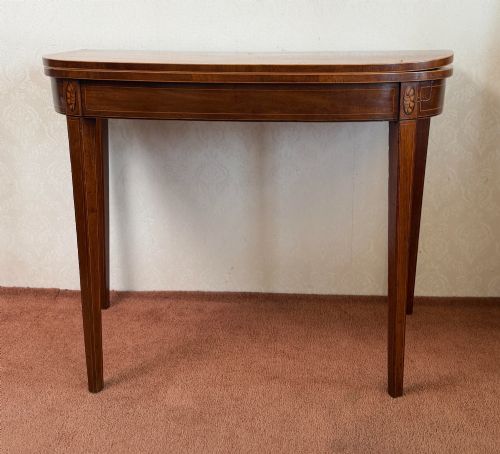
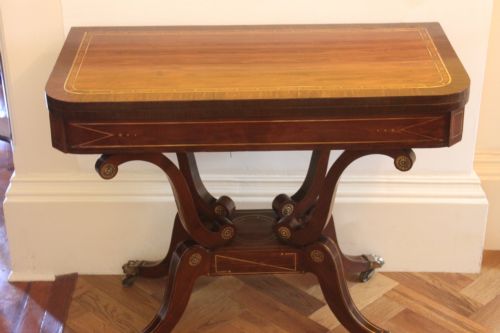
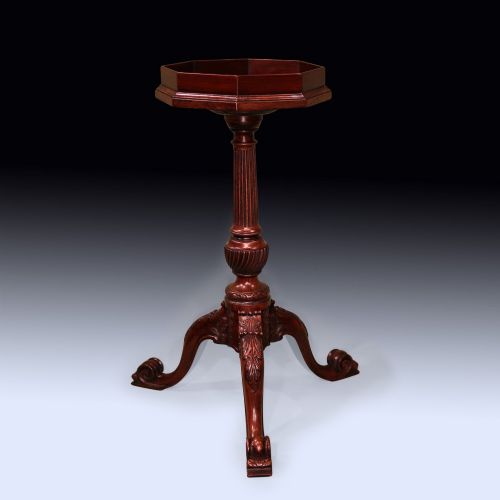
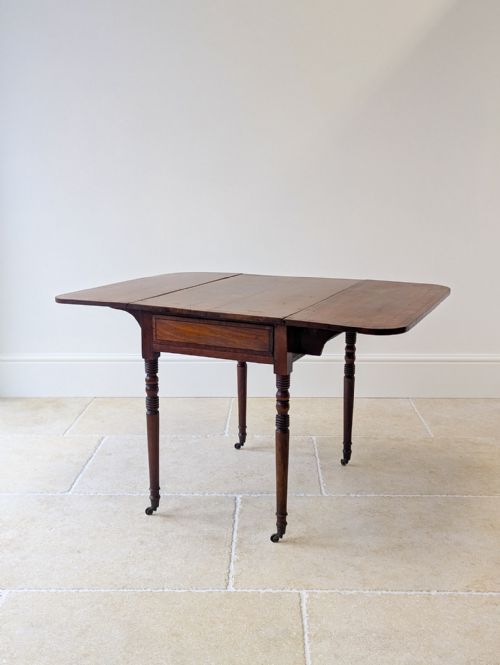
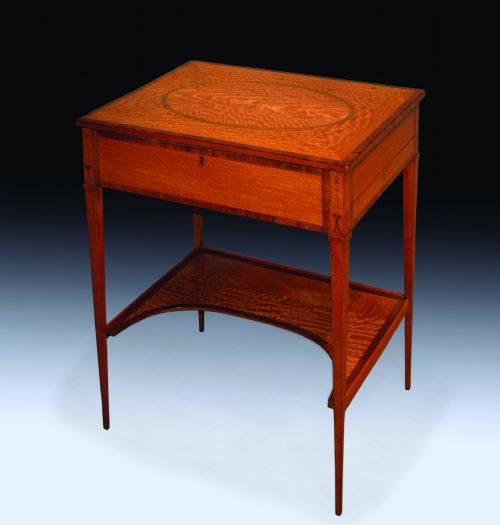
When searching for a georgian period tea table, buyers encounter forms that span the eighteenth century and the regency era, including folding top card tables, snap-top tripod tables, and side tables. Mahogany dominates the selection, alongside rosewood, satinwood, and vernacular oak pieces.
The objects served specific domestic functions in period interiors, acting as tea tables, games tables, kettle stands, and occasional tables. Makers adapted their designs in styles ranging from plain vernacular to elaborate Chippendale and Sheraton idioms.
How they were made
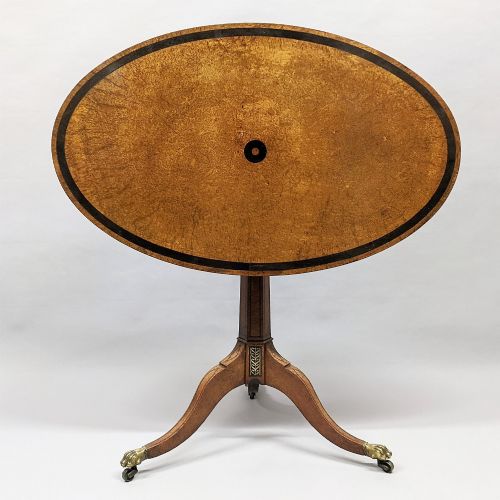
Cabinetmakers constructed these tables using solid hardwoods such as mahogany and oak, often applying flame mahogany veneer, satinwood, or amboyna on primary surfaces to create figured grain patterns. Secondary timbers like beech frequently form structural internal components.
Techniques included concertina actions for card tables, birdcage mechanisms for tilt-top tripod tables, and delicate brass inlay or brass bound decoration. Joinery relied on precise dovetails and pivot hinges rather than modern fasteners.
Georgian Period Tea Table Retail Price Guide 2026
Typical asking prices for georgian period tea table among the pieces listed under this phrase on Sellingantiques today, from the lower quarter to the upper quarter. They describe what is for sale here now, not the wider market.
Some tables double as handkerchief holders.
What varies in quality
The distinction between tiers rests on the choice of timber and the ambition of the carving or inlay. Tables utilising highly figured Honduras mahogany, elaborate pie-crust edges, or precise brass marquetry sit at the upper end of the scale.
Structural integrity and the retention of original mechanisms, such as working concertina frames or original tilt-top catches, separate standard examples from pieces executed by notable workshops.
Giles Grendey·Gillows of Lancaster
The Georgian Period Tea Table Glossary
- Concertina action
- An expanding frame mechanism used on card tables that allows the rear legs to move outwards when the top unfolds, providing support for the open leaf.
- Birdcage
- A rotating wooden block assembly beneath a tilt-top table top that allows the surface to pivot and tilt vertically.
- Pie-crust edge
- A carved raised border around the perimeter of a round table top, shaped in undulating curves.
- Snap top
- A spring-loaded catch mechanism that locks a tilt-top table into the horizontal position when lowered.
Georgian Period Tea Table: Frequently Asked Questions
How were georgian period tea tables used?
These tables stood against walls when closed and moved into the centre of a room for tea service or evening card games. Their folding leaves and tilt-top mechanisms saved domestic space.
After use, the tops returned to the vertical position or folded flat, allowing the tables to function as decorative side furniture.
What is the difference between a tea table and a card table?
Tea tables were designed to hold porcelain service sets, featuring rectangular, square, or demilune tops that sometimes folded or remained fixed on tripod bases.
Card tables specifically incorporated green baize or felt interiors with pockets for counters, utilising folding leaves supported by swing legs or concertina actions.
Which woods are most common?
Mahogany is the predominant timber found across eighteenth-century and regency examples, ranging from plain boards to highly figured flame veneer.
Other pieces utilise rosewood, satinwood, oak, and beech, occasionally enhanced with ebony or brass inlay.