
Georgian Period Glass
Georgian period glass brings domestic drinking vessels and tablewares from the eighteenth and early nineteenth centuries into modern rooms.
Georgian Period Glass
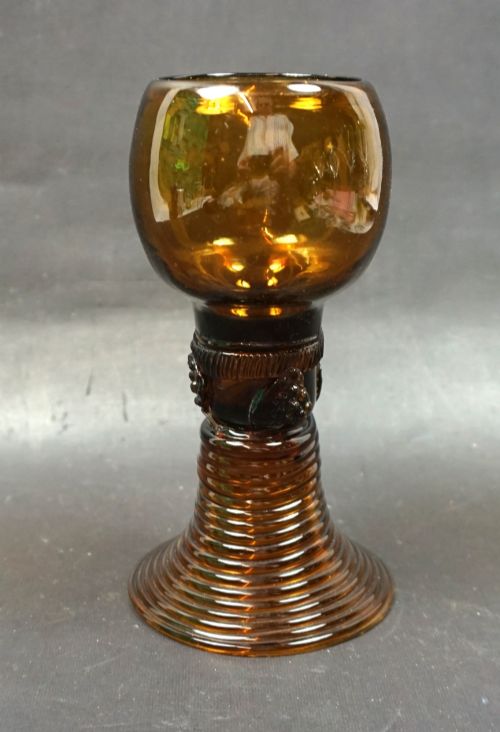
When you search for georgian period glass, you encounter functional tableware and decorative serving items originating from the eighteenth and early nineteenth centuries. The selections commonly include wine glasses, rummers, decanters, salts, and rinsers produced across Britain and Ireland during the reigns of the Georges and the Regency.
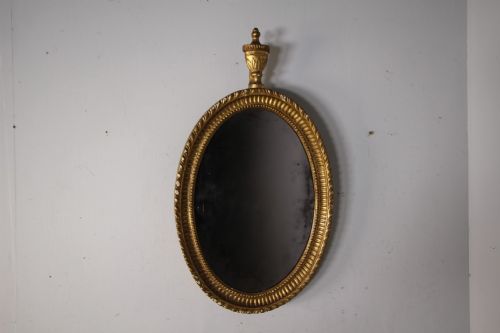
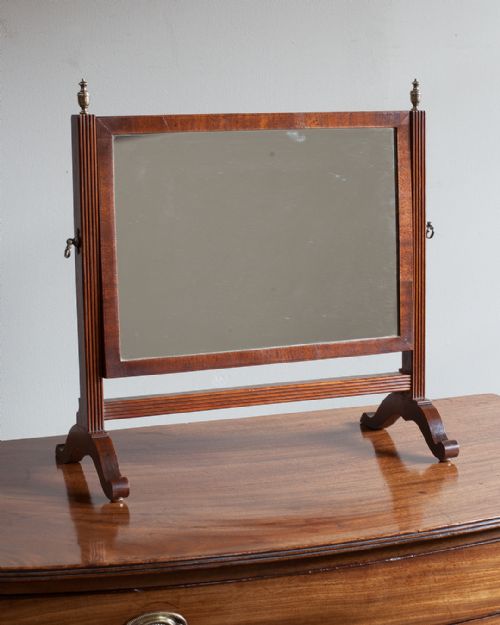
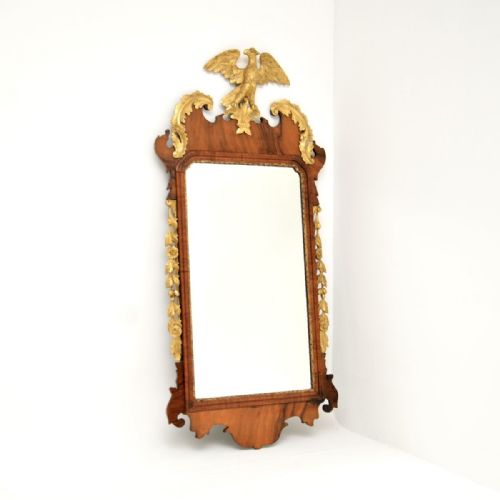
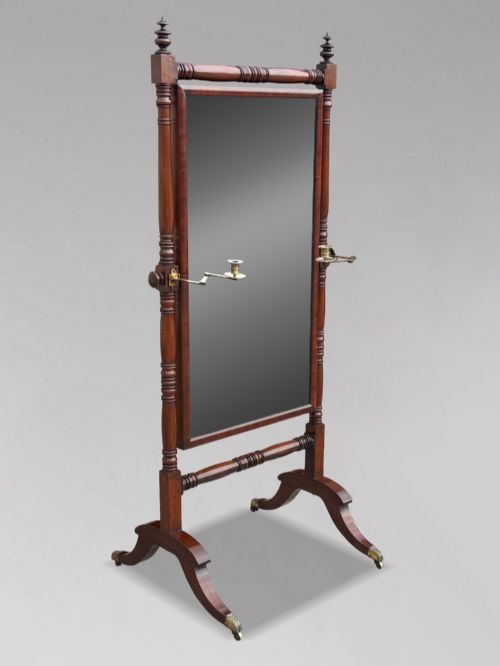
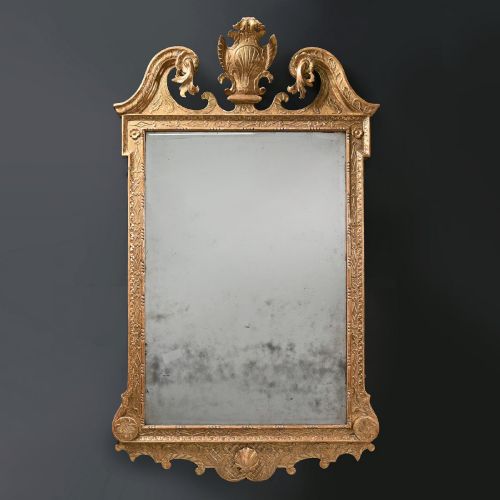
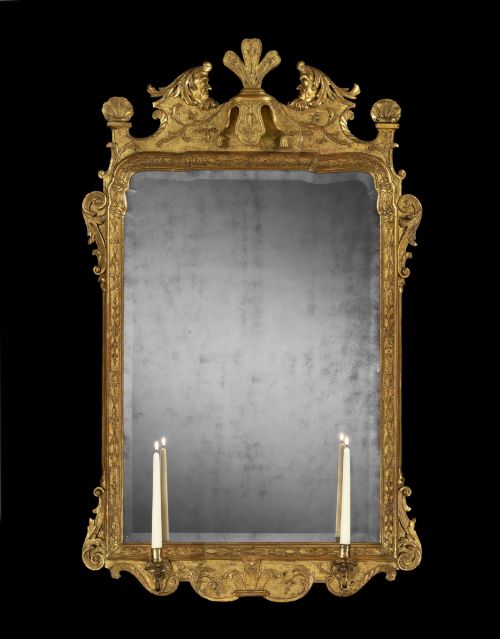
Beyond vessels, the material extends to mirrors and decorative objects mounted with glass elements, such as lustres with moulded droppers. These pieces reflect the dining and entertaining habits of country houses and town residences from the era.
How they were made
Makers utilised lead glass and lead crystal formulations that allowed for deep wheel-cutting, optical blowing, and intricate stem formations. Glassblowers manipulated molten material into bowls and feet while incorporating internal air channels or opaque white enamel threads into the stems.
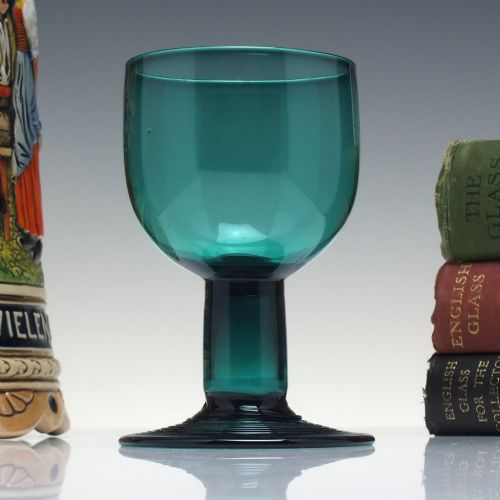
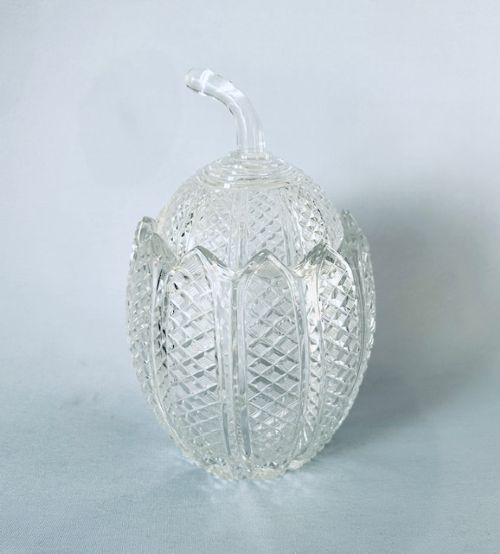
Surface decoration involved wheel-cutting, engraving, and enamelling applied to green or clear glass bodies. Metal mountings, giltwood frames, and silver-gilt spoons accompanied several items, pairing glass components with traditional cabinetmaking and metalworking techniques of the period.
Tiny glass patch stands once held decorative facial spots worn to disguise smallpox scars.
What varies in quality
The clarity and weight of the metal distinguish superior drinking vessels from standard production. Exceptional pieces display heavy lead crystal with resonant clarity, free from excessive clouding or manufacturing impurities.
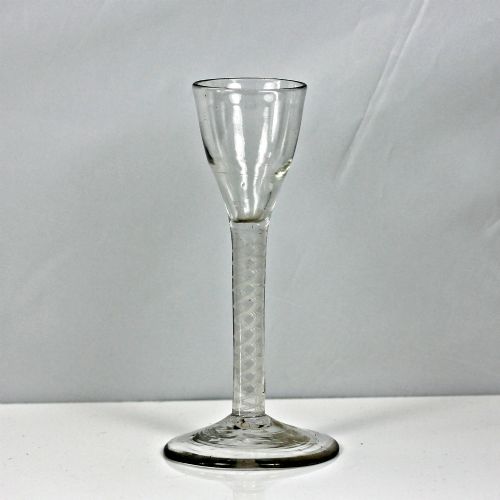
Execution in decorative cutting and stem construction determines the distinction of individual specimens. Sharp, clean facets on cut decanters and salts, alongside precise execution in air twists and opaque twists, separate workshop output.
John Millikin·Gillow·William Kent·John Belchier
The Georgian Period Glass Glossary
- Lead crystal
- A heavy glass composition containing lead oxide that increases refractive index and weight. This material permitted deeper cutting and clearer ringing tones than standard soda glass.
- Air twist
- An optical stem formation containing elongated spiral bubbles trapped inside the glass. Craftsmen pulled air pockets during the drawing of the stem to create internal threads.
- Opaque twist
- A stem decoration formed by drawing white or coloured enamel glass rods within a clear glass casing. These threads create solid white or multi-ply lace patterns inside wine glass stems.
- Rummer
- A large, sturdy drinking glass introduced in the late eighteenth century for ale, wine, or punch. These vessels typically feature bucket or ogee bowls set on short stems and footed bases.
- Patch stand
- A small pedestal dish used to hold cosmetic beauty patches worn on the face during the eighteenth century. They frequently feature terraced feet and knopped stems.
Georgian Period Glass: Frequently Asked Questions
What is lead glass?
Lead glass contains added lead oxide that increases the weight, brilliance, and softness of the material. This composition allowed eighteenth-century glassmakers to shape heavier vessels and apply deep geometric cutting.
The inclusion of lead improved clarity compared to contemporary continental potash glass. It remains the defining substance for high-quality domestic tableware from the era.
How do air twists form?
Air twists form when glassmakers trap air inside a molten gather before drawing and twisting the stem. The trapped air stretches into fine threads that spiral down the centre of the glass.
Craftsmen controlled the rotation to produce single or multiple spiral patterns. This technique required precise temperature management during the pulling process.
What are rummers used for?
Rummers served as everyday drinking vessels for ale, wine, or punch in domestic and tavern settings. Their sturdy build and larger capacity suited hearty toasts and communal dining.
By the Regency period, they frequently featured cut glass decoration around the lower bowl. They remain among the most robust surviving drinkware types from the era.
Where were Irish glasses made?
Irish glass production flourished in centres like Cork, Waterford, and Dublin during the late eighteenth and early nineteenth centuries. Factories benefited from abundant local fuel and raw materials.
Pieces from these regions often display a distinctive blueish tint and heavy, deeply cut decoration. Irish glasshouses exported substantial quantities of tableware to Britain.