

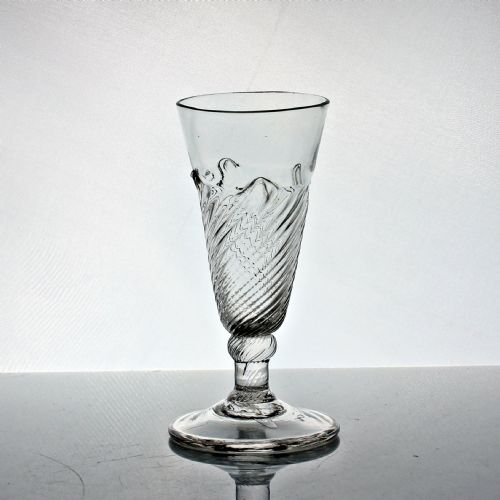


Georgian Lead Glass Flute
A georgian lead glass flute brings tactile historical elegance to a table, offering slender, tall vessels formed from heavy, brilliant metal.
Georgian Lead Glass Flute
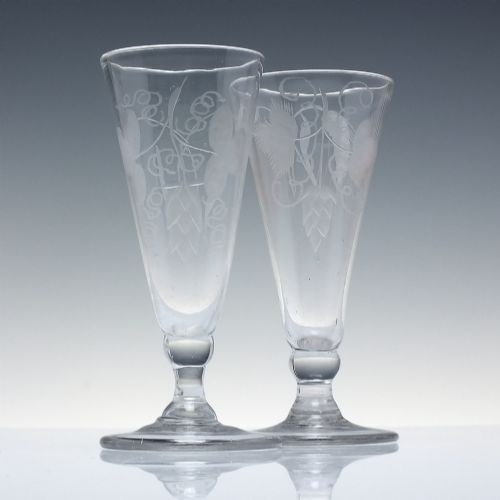
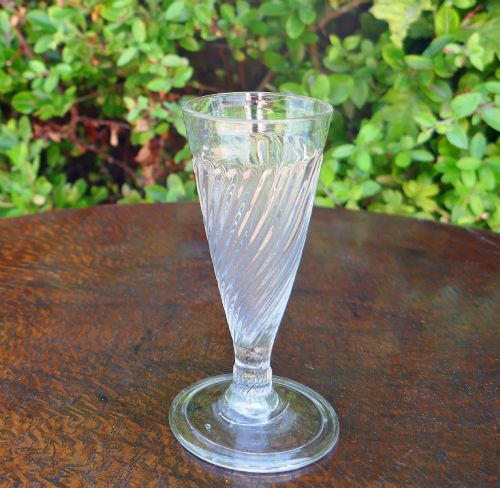
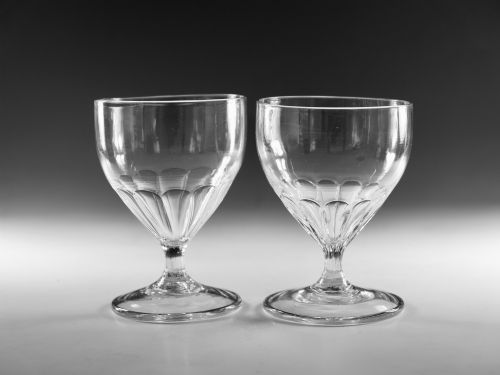
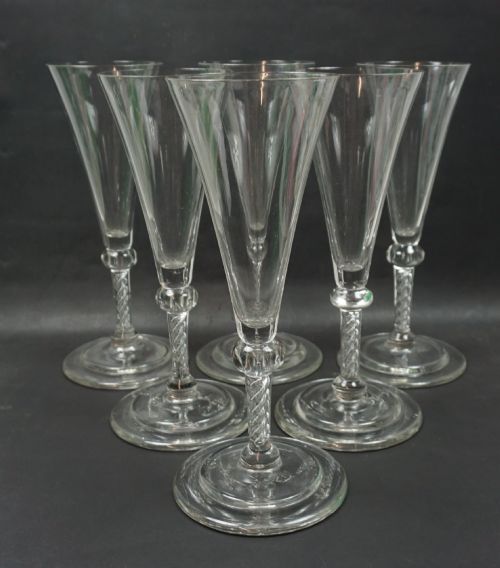
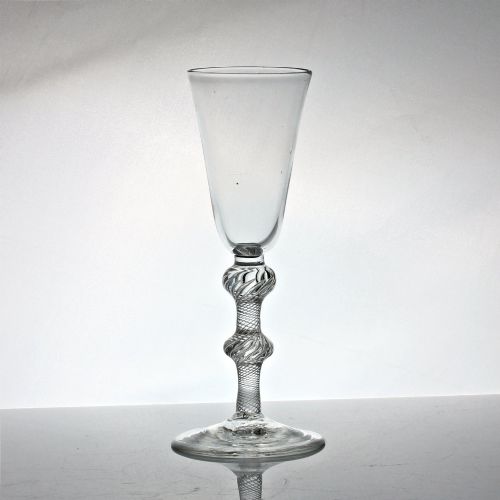
When searching for a georgian lead glass flute, collectors encounter tall drinking vessels designed primarily for champagne, wine, and ale during the eighteenth century and the Georgian period. The selection on this page demonstrates that buyers most frequently meet seventeenth- and eighteenth-century forms such as air twist ale glasses, mixed twist champagne flutes, and flute-moulded ogee bowls.
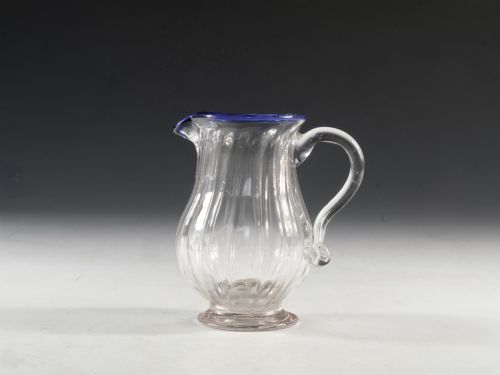
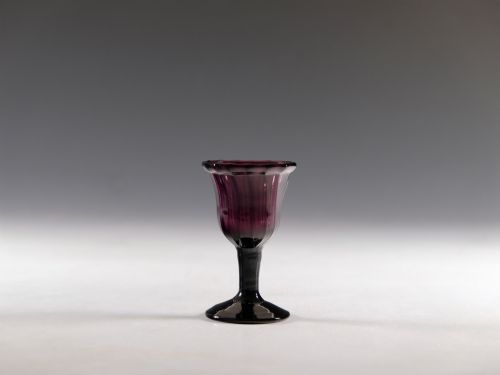
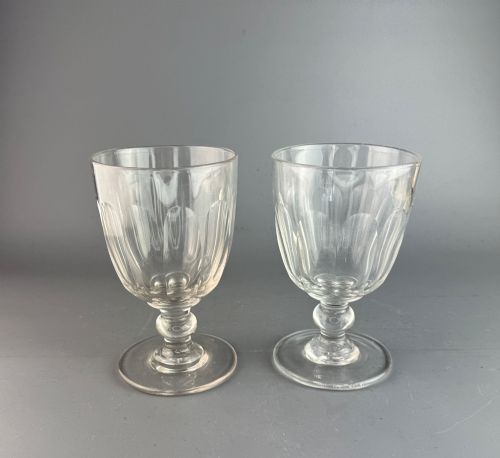
The objects span periods from the eighteenth century and Georgian eras through to the Regency, Victorian, and later Georgian Revival periods. Alongside canonical flutes, the evidence shows related drinking glasses, rummers, jelly glasses, egg cups, and cream jugs fashioned in clear glass, lead crystal, flint glass, and enamel.
Originating largely from English workshops, these pieces showcase the technical brilliance of early glassmakers who utilised lead oxide to achieve exceptional clarity and weight. The forms range from dwarf ale glasses to very tall wine flutes on air twist stems.
What varies in quality
Quality rests in the precision of the internal stem twists and the brilliance of the metal itself. Finer examples display crisp, unbroken air threads or perfectly aligned opaque double-series threads without distortion in the glass body.
The weight, proportion, and finishing of the foot and bowl set superior pieces apart. Hand-cut facets and delicate wheel engravings show a confident, steady hand that elevates functional drinking vessels into sculptural works of art.
Listings feature 18th century, Georgian, Regency, and Victorian periods, utilising lead glass, flint glass, and enamel materials.
The Georgian Lead Glass Flute Glossary
- Lead Glass
- Glass containing lead oxide, which increases weight, brilliance, and working time for the maker. This material forms the sturdy foundation of eighteenth-century drinking vessels.
- Air Twist
- A stem decoration created by drawing out trapped air bubbles into spiral threads inside the glass. It produces a delicate, shimmering effect visible through the clear metal.
- Opaque Twist
- A stem style featuring white or coloured enamel glass threads twisted internally within the clear stem. Double-series variations combine multiple twist patterns for greater visual complexity.
- Flute-Moulded
- A bowl decorated with vertical concave flutes running up the lower portion. This technique adds texture and reflects light across the surface of the glass.
- Folded Foot
- A base edge turned under and pressed flat during manufacture to create a thicker rim. This adds physical stability and prevents chipping on heavy tavern and table glasses.
- Ratafia Glass
- A tall, narrow drinking glass designed for sweet cordials and liqueurs. These slender vessels share the elongated proportions prized by flute collectors.
Georgian Lead Glass Flute: Frequently Asked Questions
How do you identify an air twist stem?
An air twist stem contains spiral threads of trapped air running through the transparent glass. Makers achieved this by puncturing hot metal with pins and twisting the stem as it was drawn out.
Under magnification, these internal channels appear as continuous, shimmering threads rather than surface scratches.
Were these flutes used for champagne?
Georgian flutes served sparkling beverages, wine, and specialty ales depending on their capacity and bowl shape. Tapered bowls and narrow profiles helped retain effervescence in early sparkling wines.
Many examples feature flute-moulded bases or engraved hop and barley motifs suited to specific table traditions.
How should I display antique glass flutes?
Display these delicate vessels in stable cabinets away from direct sunlight and heavy vibrations. Because lead glass is relatively soft, ensure they stand on flat, cushioned surfaces without crowding.
Hand wash them gently in lukewarm water using mild soap, avoiding sudden temperature changes.