



Georgian Period Glass Stemware
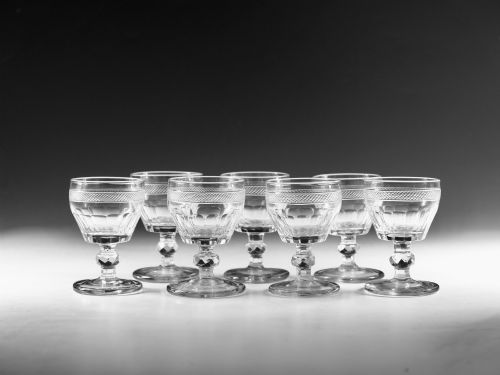
These georgian period glass stemware drinking vessels carry the weight and optical clarity of eighteenth-century lead glass into the modern room.
Georgian Period Glass Stemware
When you search for georgian period glass stemware, you encounter wine glasses, gin glasses, rummers, and ale flutes produced across the eighteenth century and into the Regency era. The majority of pieces on this page comprise lead glass drinking vessels from the seventeen-fifties and seventeen-sixties, alongside earlier baluster forms and later cut glass examples.
These items originate primarily from English and Irish workshops working in lead crystal and clear glass. They span the georgian period from seventeen-thirty-five through to Regency variants around eighteen-hundred.
Judging Quality
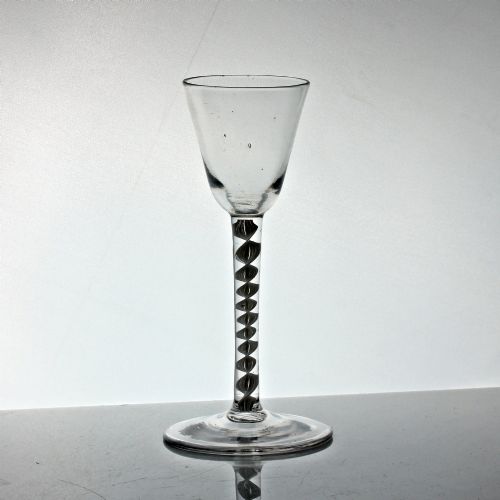
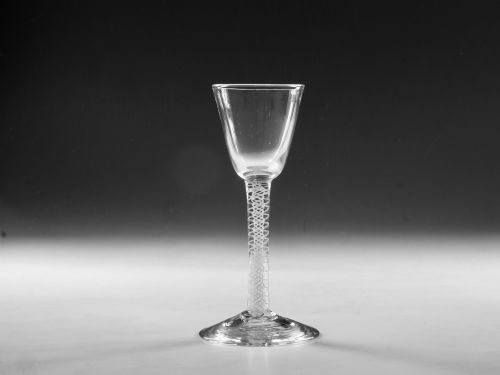
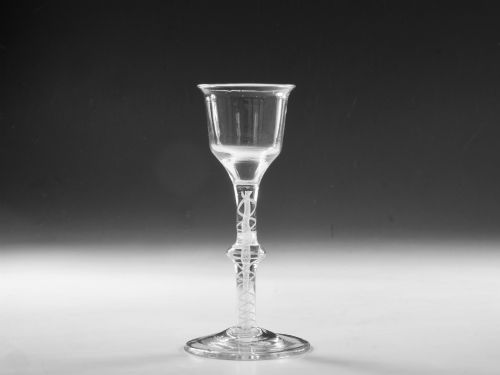
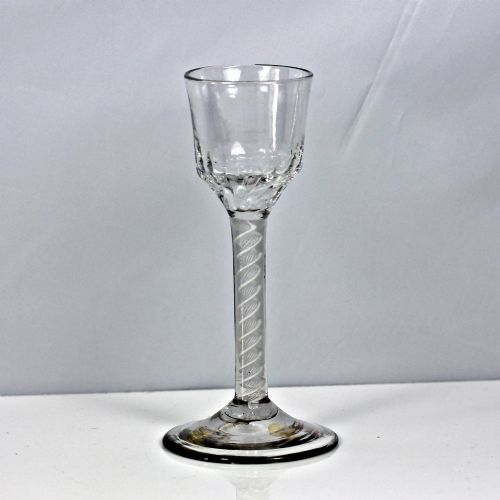
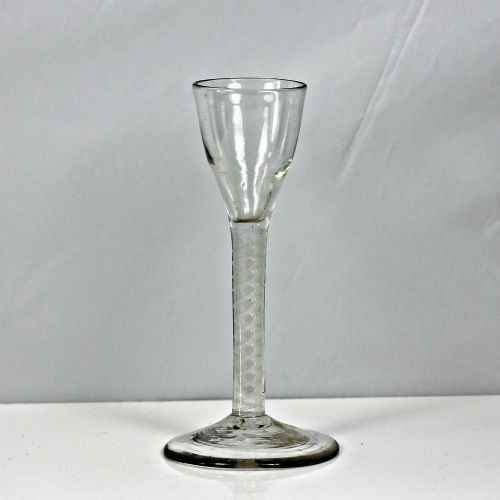
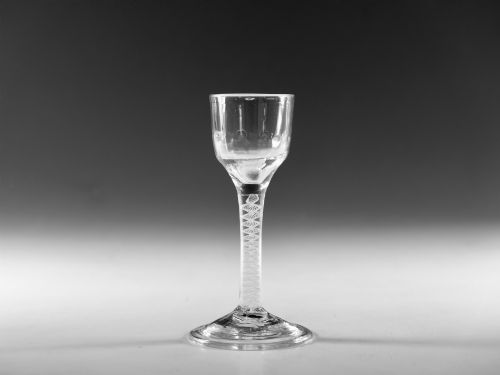
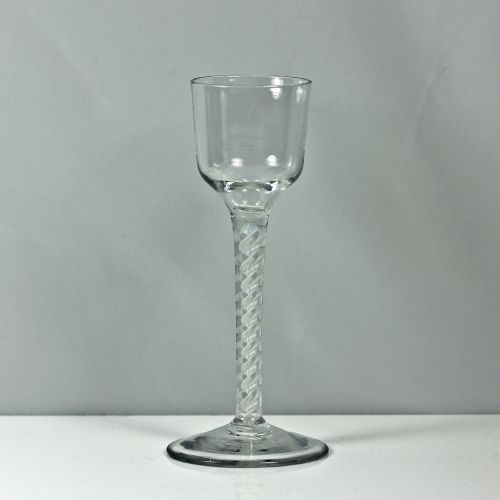
Quality rests upon the optical clarity of the lead crystal and the precision of internal stem twists. Exceptional clarity elevates pieces like multiple spiral air twists, while regular, clean lines define fine opaque twist threads.
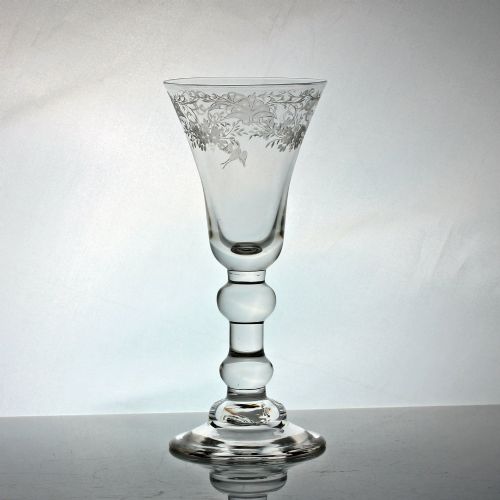
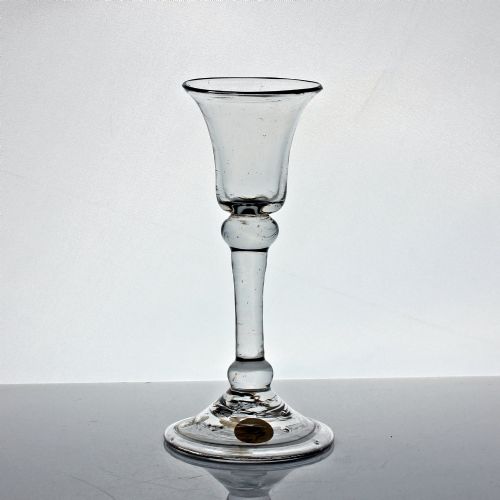
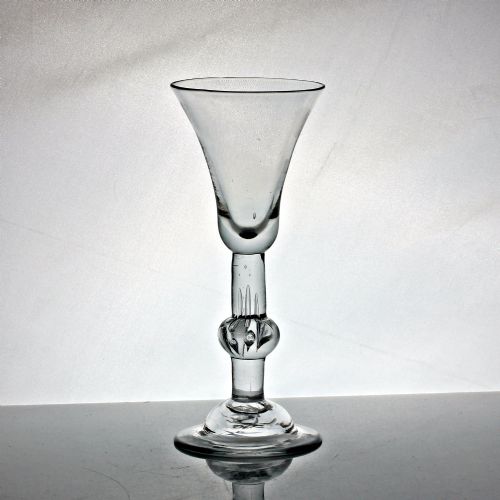
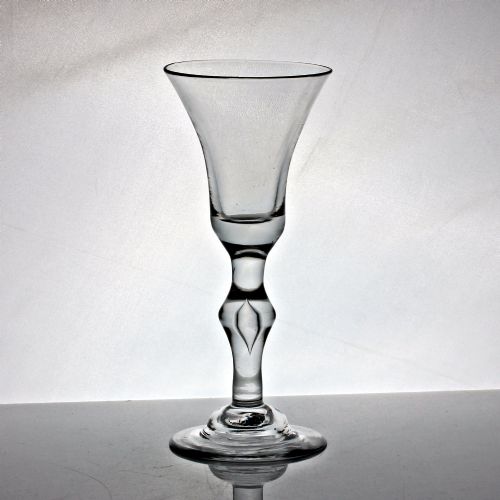
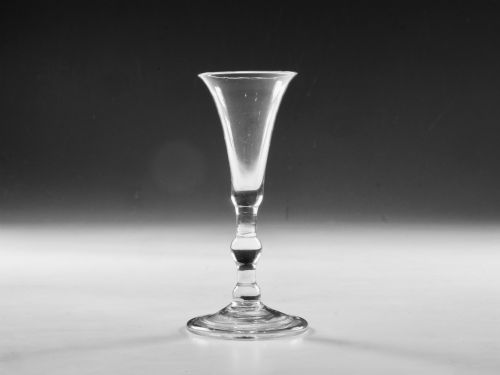
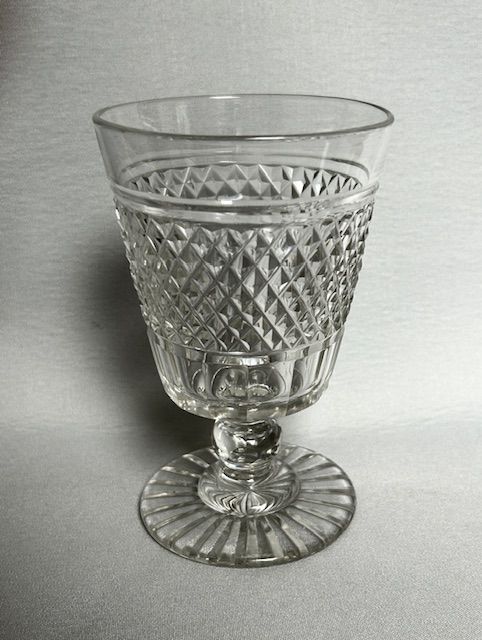
Proportion and foot formation dictate distinction among baluster and balustroid forms. Heavy balusters with balanced bell bowls and domed feet display the skill of the glasshouse, alongside crisp facet cutting on later goblets.
Georgian Period Glass Stemware Retail Price Guide 2026
Typical asking prices for georgian period glass stemware among the pieces listed under this phrase on Sellingantiques today, from the lower quarter to the upper quarter. They describe what is for sale here now, not the wider market.
A tiny oil lamp sits among the wine glasses, proving that eighteenth-century glassmakers could turn their hand to lighting as easily as drinking.
The Georgian Period Glass Stemware Glossary
- Baluster
- A heavy, thick-stemmed glass form popular in the early eighteenth century, characterised by knops and sturdy proportions. It derives its name from architectural balusters.
- Opaque Twist
- A stem decoration formed by drawing white or coloured enamel rods through the glass before twisting. This creates complex interior threads visible through the clear exterior.
- Air Twist
- A decorative stem feature containing elongated air bubbles drawn into a spiral thread. Multiple spiral air twists require considerable skill to produce evenly.
- Folded Foot
- A base edge turned under and fused back against the underside to form a thickened rim. This technique provided extra strength to heavy drinking vessels.
- Wrythen
- A surface pattern of diagonal or spiral ribs created by twisting the glass while semi-molten. It appears on ogee bowls and drinking vessel bodies.
- Hobnail Cut
- A geometric surface pattern of small raised square or diamond facets resembling hobnails on boots. It provides texture and catches light on Regency rummers.
Georgian Period Glass Stemware: Frequently Asked Questions
How do I use these glasses?
These historical vessels suit careful occasional use for wine, port, or ale, bringing eighteenth-century weight and tactile quality to the table.
Hand washing in tepid water preserves the lead crystal surface, avoiding modern dishwashers entirely.
How are different twist types identified?
Air twists show trapped air spirals inside clear stems, while opaque twists contain white enamel threads.
Mixed twists combine both air bubbles and enamel threads within the same stem structure.
What defines a baluster glass?
Baluster glasses feature substantial weight, thick walls, and prominent knops on the stem. They represent earlier eighteenth-century production methods.
Earlier examples often incorporate bell bowls supported by folded or domed feet.
Are these pieces English or Irish?
Many items originate from English glasshouses working in lead crystal during the mid-eighteenth century. Later nineteenth-century examples include Irish port glasses.
Characteristics such as metal density and cutting styles help distinguish regional provenance.