


Georgian Period Drawers
Georgian period drawers bring solid proportion and rich timber into a room, offering practical storage with genuine eighteenth-century character.
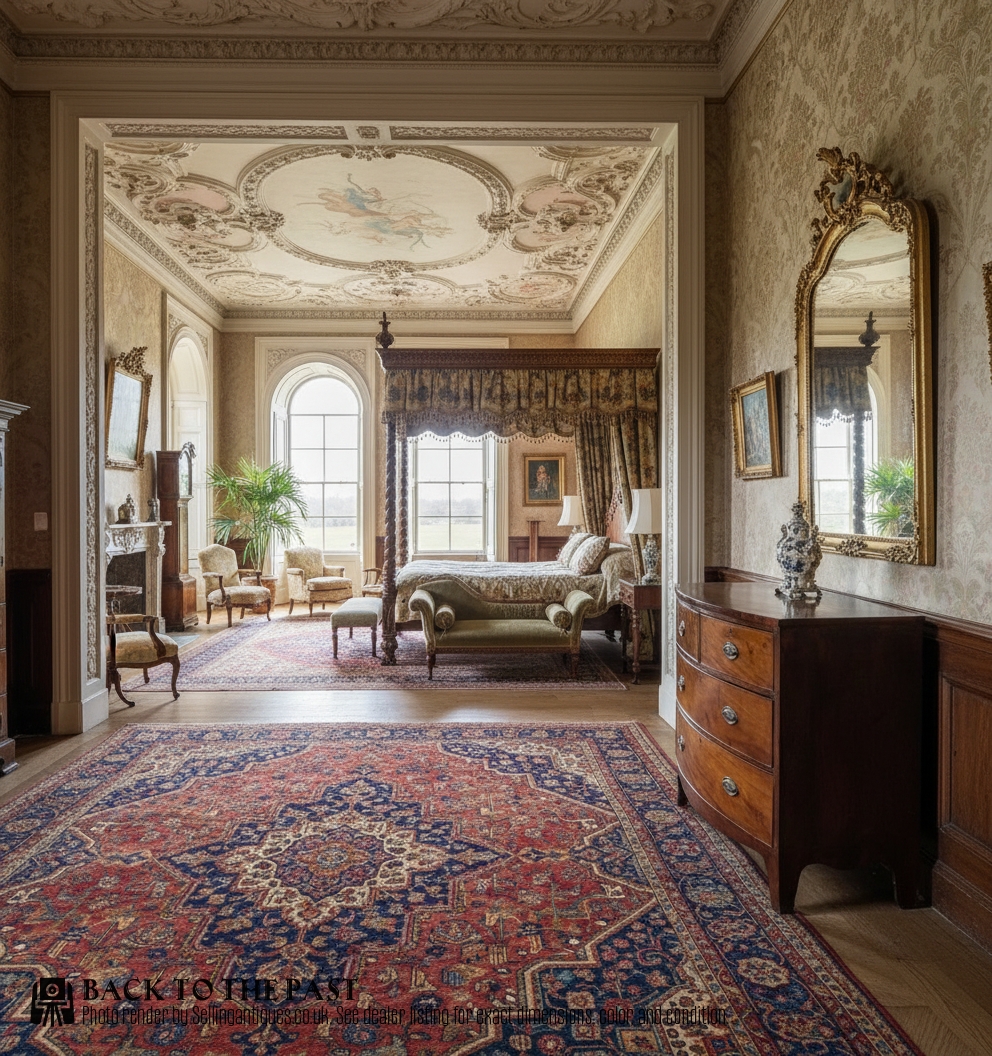
Understanding georgian period drawers
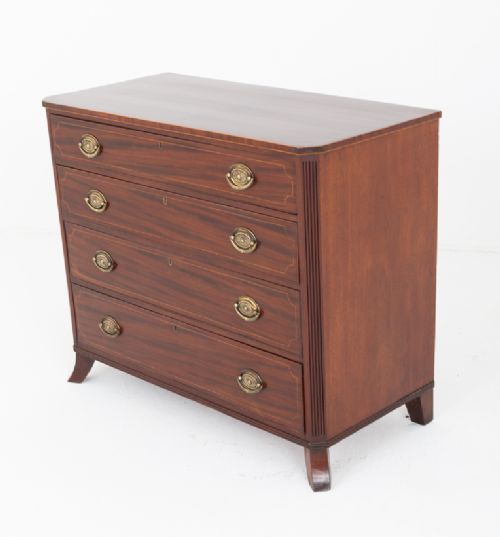
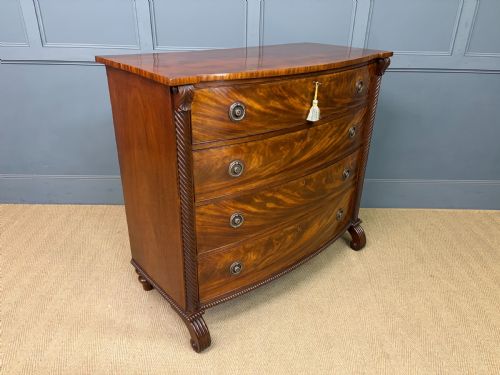
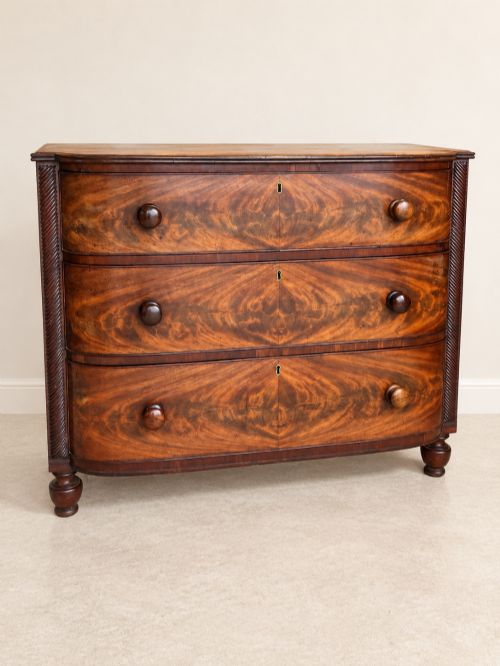
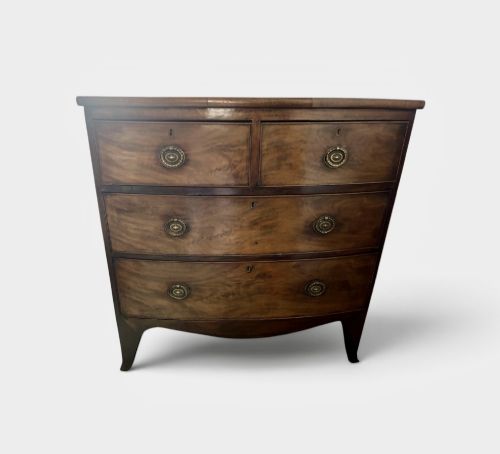
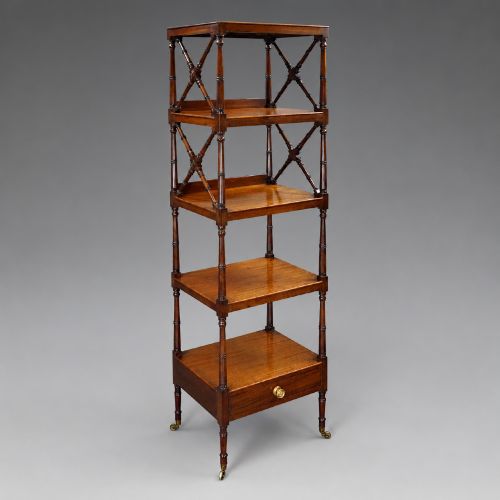
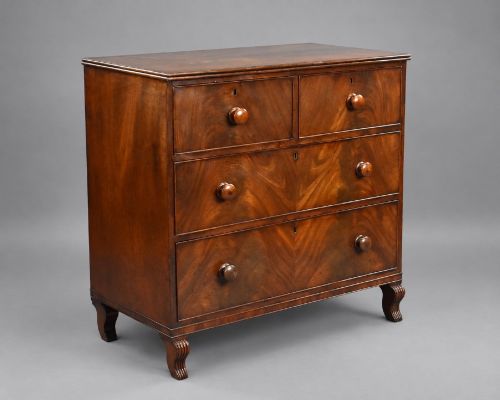
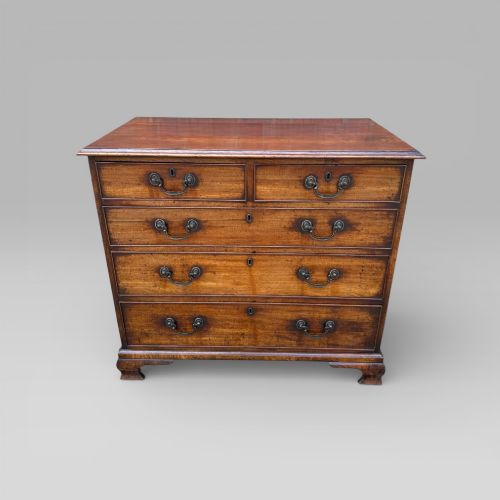
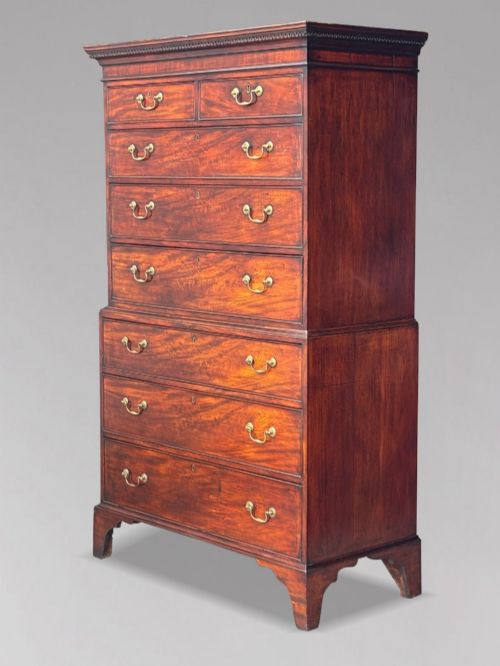
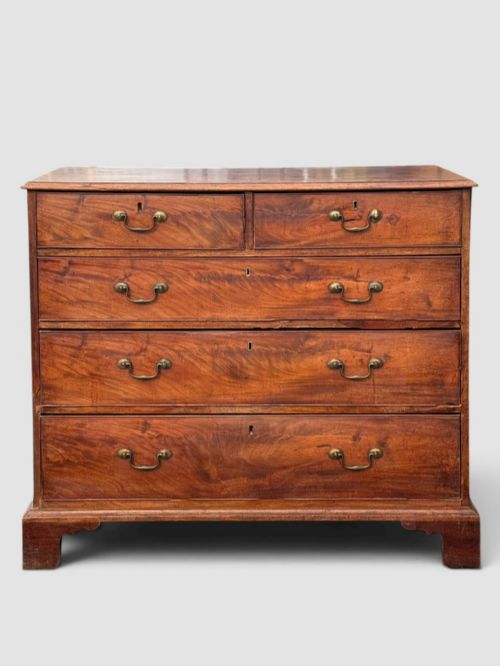
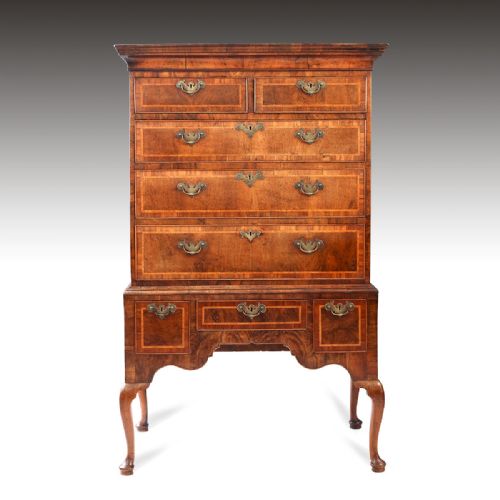
When you search for georgian period drawers, you encounter a variety of forms including chests of drawers, tallboys, bow fronts, and apothecary banks. The evidence shows these pieces span the eighteenth century and the year 1800, capturing the domestic storage solutions of the period.
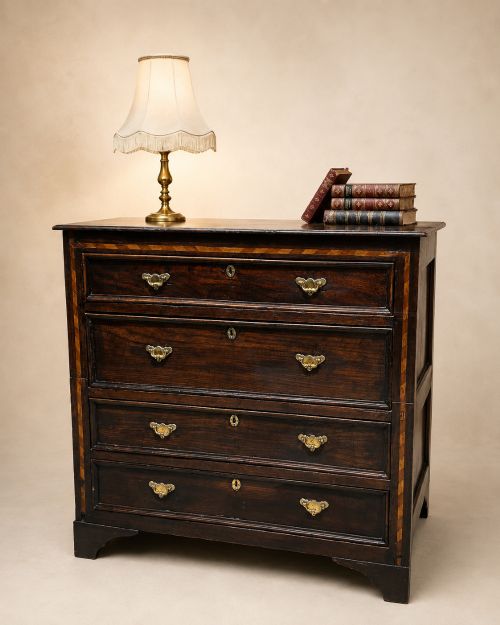
Mahogany and oak dominate the selection, appearing in standard proportions as well as small and dwarf sizes. Styles range from plain Georgian to Chippendale, with serpentine shapes and inlaid decoration marking out specific examples.
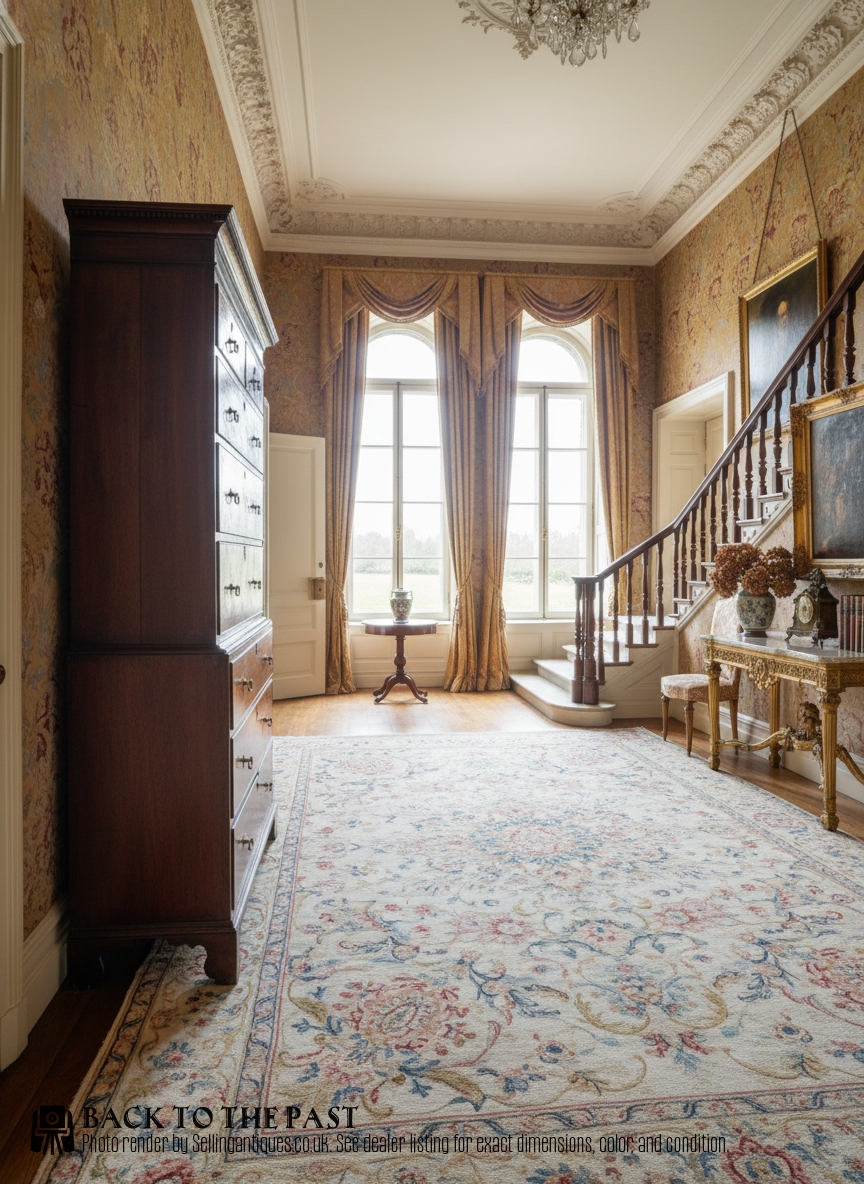
Materials and construction
Cabinetmakers built these pieces primarily using solid mahogany and oak timbers, sometimes incorporating walnut. Drawer pulls and handles utilise brass, providing a metallic contrast to the dark wood surfaces.
Joinery relies on traditional eighteenth-century techniques to handle timber movement in large carcases and multiple drawers. Surface treatments range from polished wood to period paint, depending on the specific function of the chest or bank.
Retail Price Guide 2026
Typical UK retail prices for georgian period drawers, calculated from the Sellingantiques database of over a million retail prices indexed since 2003. This retail price guide relies exclusively on Sellingantiques data; no external sources or auction records are used, so the figures do not describe the wider market.
Distinguishing quality
Quality rests in the handling of timber and the sophistication of the silhouette, separating straightforward oak chests from serpentine mahogany pieces with detailed inlay. The crispness of the carving, particularly in Chippendale examples, dictates the upper tier of the range.
Proportion also plays a role, with unusual small sizes and dwarf chests commanding attention for their refined scale. The choice of figured mahogany and the retention of original brass hardware elevate individual pieces above standard utility furniture.
The Georgian Period Drawers Glossary
- Bow front
- A convex curved cabinet front that projects outward in the centre. This shape became popular during the latter part of the eighteenth century.
- Tallboy
- A tall chest of drawers made by stacking one chest on top of another. It maximises vertical storage space in a bedroom.
- Serpentine
- A front configuration featuring a convex centre flanked by concave sides. This undulating profile requires advanced cabinetmaking skill.
- Dwarf chest
- A low chest of drawers built with reduced height proportions. These pieces sit lower to the ground than standard examples.
- Chemist apothecary drawers
- Multi-drawer cabinets originally used by apothecaries to store medicinal ingredients and herbs. They feature numerous small compartments.
Frequently Asked Questions
How do I identify a georgian chest of drawers?
Look at the timber selection, drawer construction, and overall proportions characteristic of the eighteenth century. Mahogany and oak are the primary woods found in these pieces.
Examine the style details such as Chippendale carving or bow front configurations. The presence of brass hardware and period construction methods further clarifies the date.
What is a tallboy chest?
A tallboy is a stacked storage unit featuring a smaller chest sitting atop a larger base section. This design provided ample vertical storage while occupying a modest floor footprint.
Cabinetmakers built these tall pieces in oak and mahogany during the Georgian era. They served primarily as bedroom storage for clothing and linens.
Where should I place a bow front chest?
A bow front chest works well in a bedroom, hallway, or living room as a focal storage piece. Its curved profile softens room angles and adds visual interest.
Ensure the location protects the polished mahogany or oak surface from direct sunlight. Allow sufficient clearance around the projecting curve for natural movement through the space.
What are apothecary drawers used for today?
Apothecary drawers provide segmented storage for small items like stationery, craft supplies, or collections. Their numerous small compartments make them exceptionally practical for organisation.
In a modern interior, they function as striking feature pieces on desks or console tables. They bring industrial or domestic history directly into daily use.