
Chippendale Mahogany Furniture
Chippendale mahogany furniture combines rich timbers with classical carving, offering enduring utility and timeless style for traditional interiors.
Chippendale Mahogany Furniture
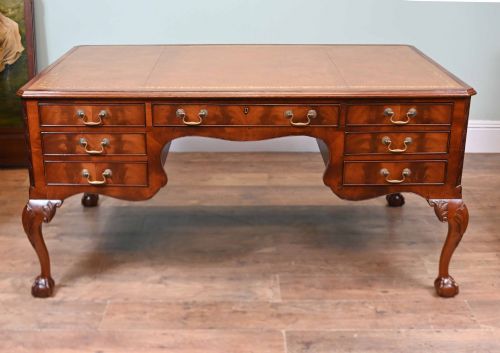
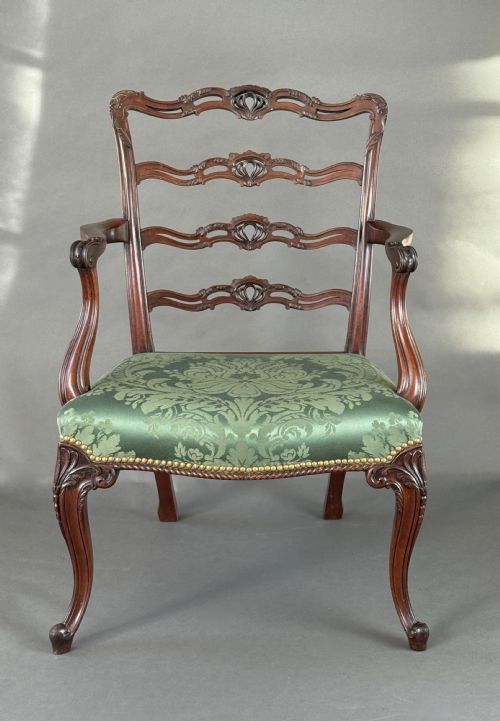
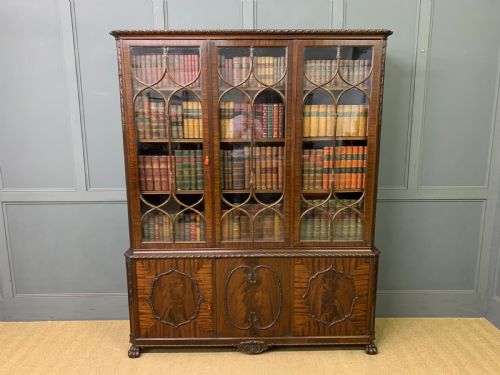
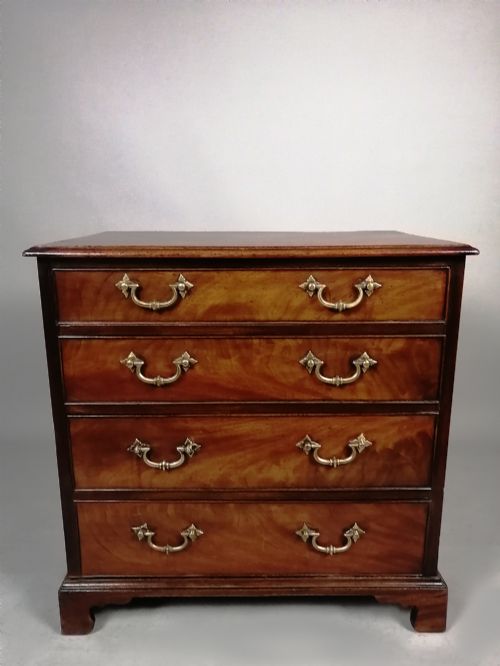
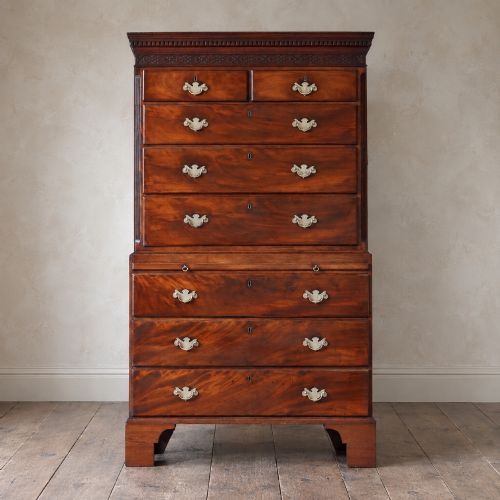
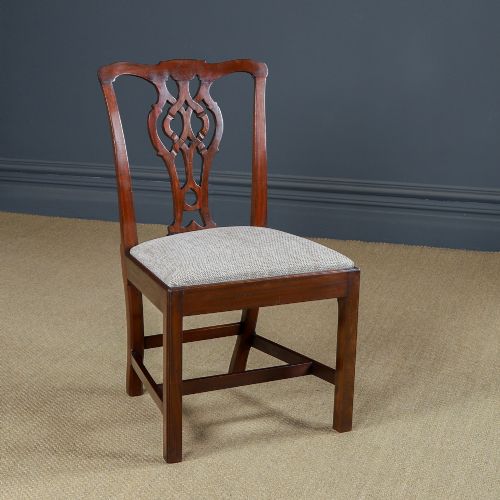
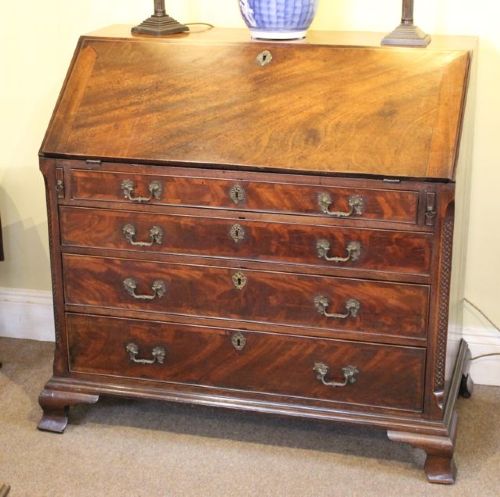
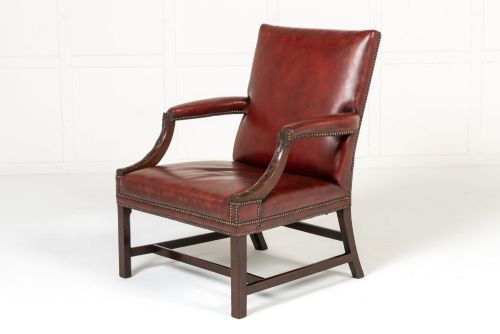
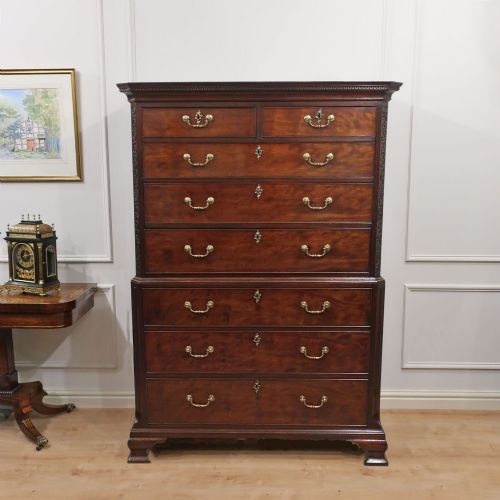
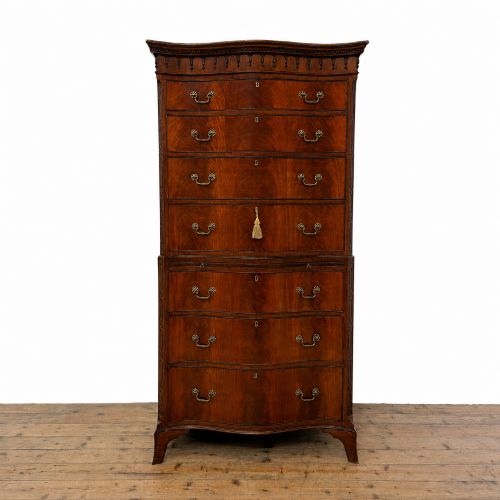
When you search for chippendale mahogany furniture, you encounter pieces designed for formal domestic use across the eighteenth century and subsequent revival periods. These items range from dining chairs and armchairs to chests of drawers, display cabinets, and writing desks.
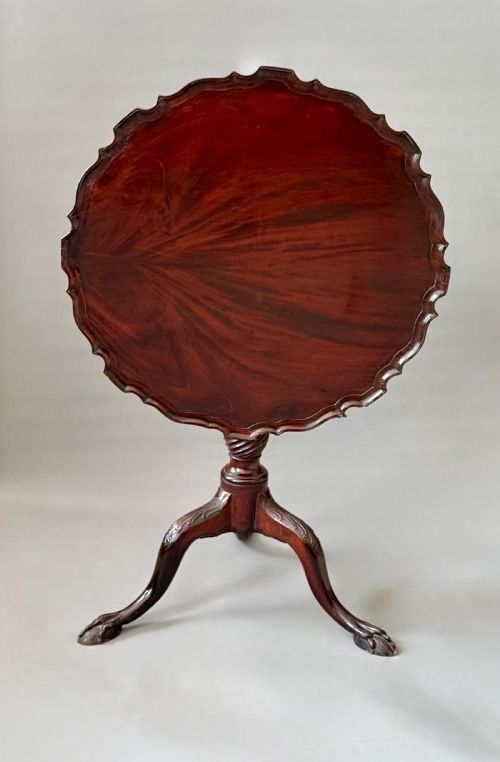
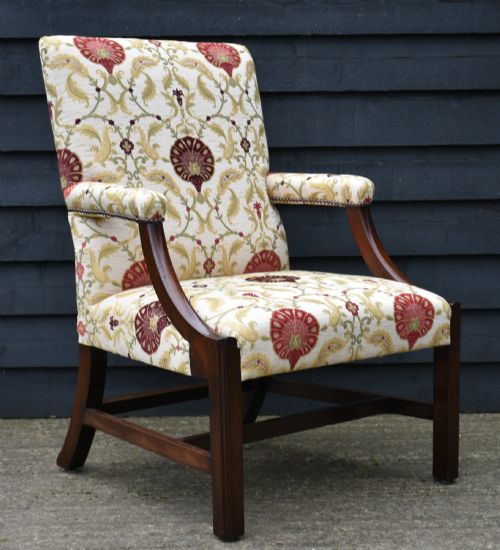
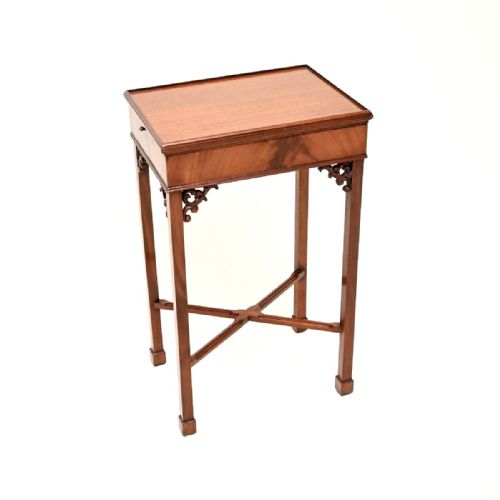
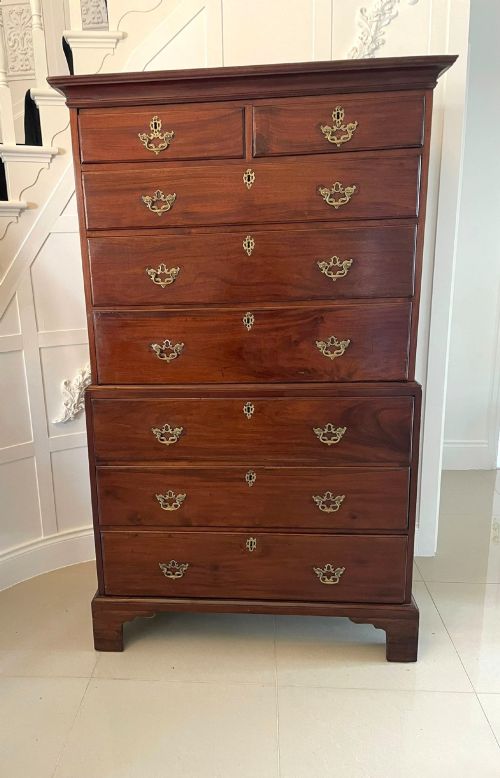
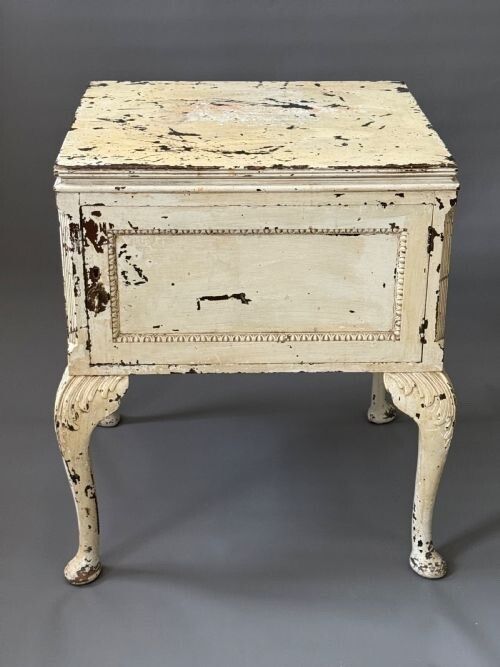
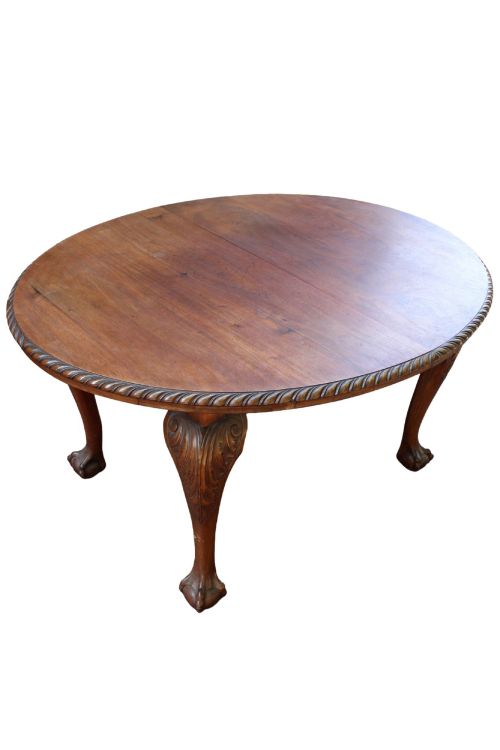
The pieces appearing on this page span from mid eighteenth century Georgian items to later Victorian and Edwardian revival interpretations. Buyers frequently find dining chairs, chests of drawers, and lamp tables constructed in this distinct aesthetic.
The forms originate from British craftsmanship, encompassing both original period items and later nineteenth or twentieth century reproductions. They serve functional roles in contemporary homes while retaining their historic character.
Indicators of quality
The refinement of the carving dictates much of the distinction between standard examples and superior work. Crisp detailing on motifs like ball and claw feet or ribbon backs separates master craftsmanship from routine production.
The selection and figuring of the mahogany timber influence the visual depth of the surface. Book matched veneers and dense Cuban mahogany signal a higher tier of construction compared to plain or heavily restored boards.
The furniture spans formal Georgian cabinet work, nineteenth century revival pieces, and twentieth century dining suites.
Wheelers of Arncroach
The Chippendale Mahogany Furniture Glossary
- Cuban mahogany
- A dense, heavy timber prized for its deep colour and rich grain pattern. It was widely utilised in fine eighteenth century cabinet making.
- Brushing slide
- A pull out shelf integrated into chests of drawers or desks. It provided a clean surface for writing or grooming without opening the main drawers.
- Torchère
- A tall, slender stand designed to hold a candelabrum or lamp. These pieces often feature carved tripod bases.
- Kettlestand
- A small occasional table used to support a tea kettle during formal gatherings. They frequently feature piecrust edges and tripod legs.
- Tallboy
- A tall chest of drawers constructed in two sections, typically placing a smaller chest on top of a larger base. It is also known as a chest on chest.
Chippendale Mahogany Furniture: Frequently Asked Questions
How do I identify a genuine eighteenth century piece?
Examine the internal construction methods, timber patination, and hand cut dovetails. Eighteenth century makers used specific tool marks and secondary woods that differ from later revival periods.
Compare the proportions and carving style against documented examples from the Georgian era. Subtle irregularities in hand tooling often confirm authenticity.
Where should I place a display cabinet in my home?
Position display cabinets and bijouterie tables away from direct sunlight to protect interior items and sensitive wood finishes. Placed in a drawing room or dining area, they securely house porcelain or glassware.
Ensure the room maintains stable humidity levels to prevent timber movement. Adequate clearance around doors and drawers allows functional access.
What is the difference between Georgian and revival pieces?
Georgian pieces were built during the eighteenth and early nineteenth centuries for contemporary use. They exhibit period specific construction traits and genuine historic wear.
Revival pieces date from the Victorian, Edwardian, or later periods. They imitate earlier Chippendale styles using period appropriate or slightly differing mechanical methods.
How do I care for mahogany surfaces?
Dust the timber regularly with a soft, dry cloth to prevent particulate buildup. Avoid silicone based polishes that can degrade historic finishes over time.
Apply high quality beeswax periodically to nourish the wood and maintain its natural lustre. Keep items away from direct heat sources to avoid splitting.