




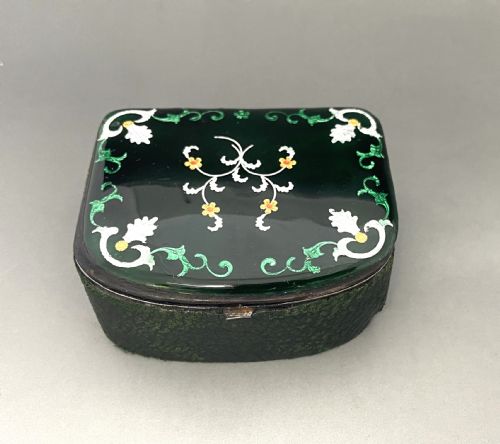
Georgian Painted Enamel Box
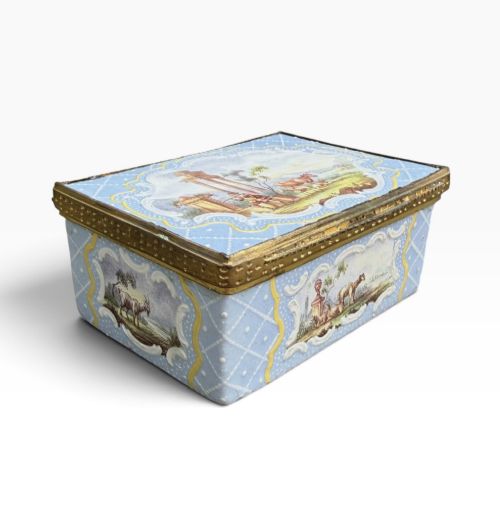
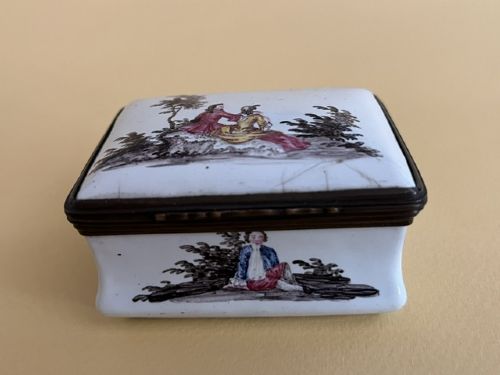
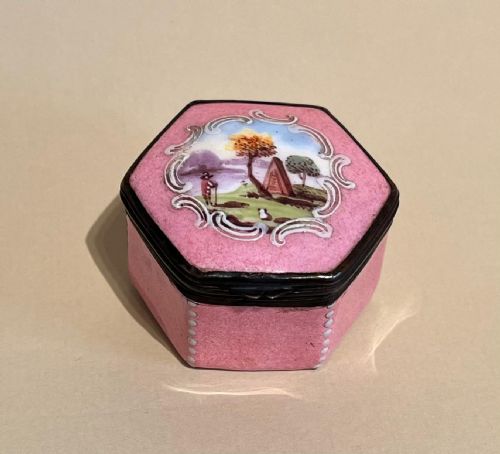
A georgian painted enamel box offers a brilliant splash of 18th Century colour, combining delicate miniature painting with tactile metalwork.
Georgian Painted Enamel Box
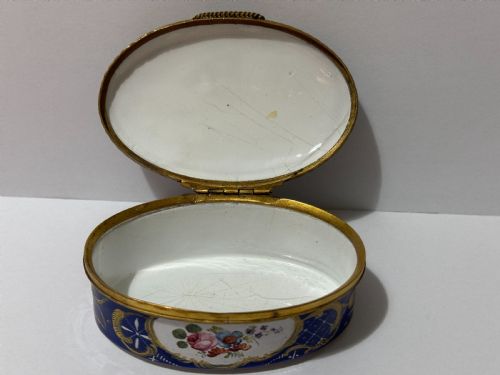
When you search for a georgian painted enamel box, you are looking at small personal containers made for snuff, patches or tiny trinkets. These pocket-sized pieces belong to the Georgian and 18th Century periods, originating primarily from English centres like Bilston and Staffordshire.
The most common versions on this page are rectangular or oval patch boxes and snuff boxes dating from the late 18th Century, often featuring scenic lids or charming inscriptions. They represent an era when skilled enamellers perfected the art of fusing vitreous glass paste to metal bases.
How They Were Made
These boxes rely on an enamel surface fused onto a copper or copper alloy base through firing in a kiln. Artisans then hand-painted the smooth white or coloured enamel ground with detailed miniature scenes, botanical motifs or figural subjects.
Mounts and bezels formed from gilt metal, brass or gilded metal secure the hinged lids and bases together. This combination of vitreous enamel and metalwork required precise temperature control during multiple firings.
Some Bilston boxes hide tiny built-in mirrors inside their lids, ready for a Georgian gentleman to check his wig on the go.
What Varies in Quality
The sophistication of the hand-painted decoration largely determines the quality of an 18th Century enamel piece. Finer examples display meticulous brushwork in the miniature scenes, such as musicians in parkland, whereas simpler boxes rely on routine floral transfers or plain grounds.
The crispness of the metal mount and the precise fit of the hinge also separate standard production from superior work. A well-cast gilt metal mount complements the enamel panel without gaps or clumsy alignment.
The Georgian Painted Enamel Box Glossary
- Enamel
- Vitreous material fused to a metal base by firing at high temperatures. It provides a smooth, glossy canvas for miniature paintings.
- Patch box
- A small pocket container used to hold cosmetic silk patches for the face. These were popular accessories during the Georgian period.
- Snuff box
- A small hinged container designed to hold powdered tobacco. They were often carried in pockets and displayed social standing.
- Bilston
- A Staffordshire town famous for producing painted enamel trinket and patch boxes during the 18th Century. It remains a primary attribution for these pieces.
- Gilt metal
- Metal treated with a thin layer of gold or gold-coloured wash. It provides a bright framing edge around the enamel panels.
Georgian Painted Enamel Box: Frequently Asked Questions
What were patch boxes used for?
Georgian patch boxes held small pieces of black silk or velvet used to cover blemishes or smallpox scars on the face. Ladies and gentlemen carried them in pockets as part of daily social grooming.
Over time, these containers shifted from purely cosmetic tools into decorative keepsakes and collectable objects displayed on dressing tables.
How do I date an enamel box?
Dating relies on stylistic clues, shape, and typical manufacturing techniques of the 18th Century and 19th Century. Pieces from the Georgian period often feature hand-painted copper construction with specific hinge types.
Later 19th Century revivals typically show different baseline metal alloys and variations in the colour palette of the painted enamel surface.
Where were these boxes made?
The majority of English painted enamel boxes originated in the West Midlands, specifically in Staffordshire and the town of Bilston. These manufacturing centres employed specialised artists to paint miniature scenes directly onto the fired enamel.
Pieces attributed to these English hubs dominate surviving examples from the Georgian era.
Can I use these boxes today?
These antique boxes function well for holding modern small items like rings, pills, or cufflinks on a bedside table. Their delicate enamel surfaces require gentle handling to avoid impact damage.
Living with them involves placing them out of direct sunlight to preserve the pigments of the hand-painted scenes.