
Georgian Oak Side Desk
A georgian oak side desk brings honest timber and straightforward utility into a modern room, offering a sturdy surface with practical drawer storage.
Georgian Oak Side Desk
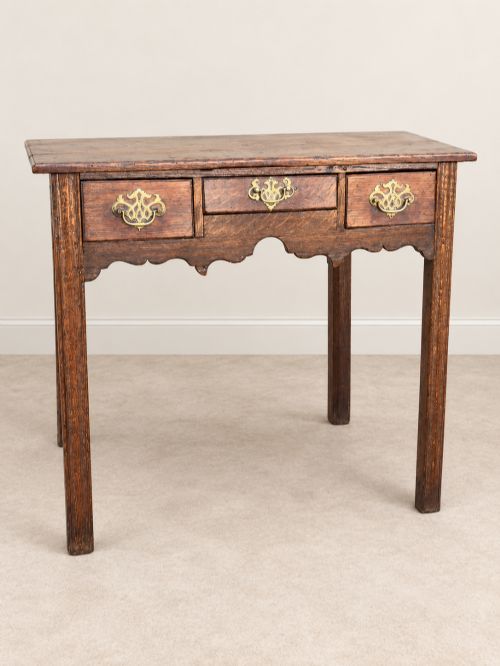
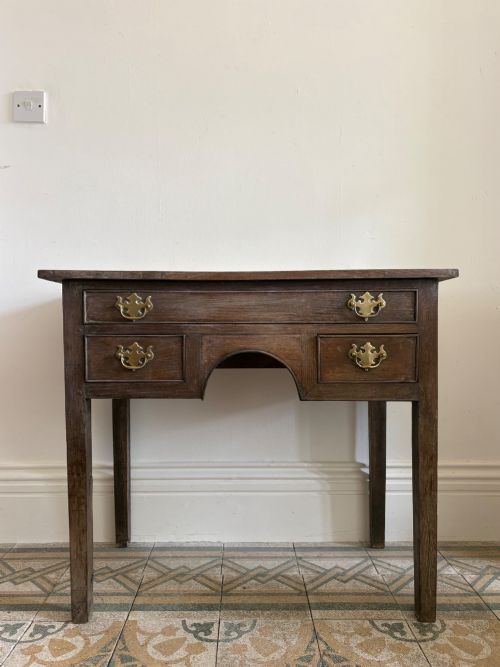
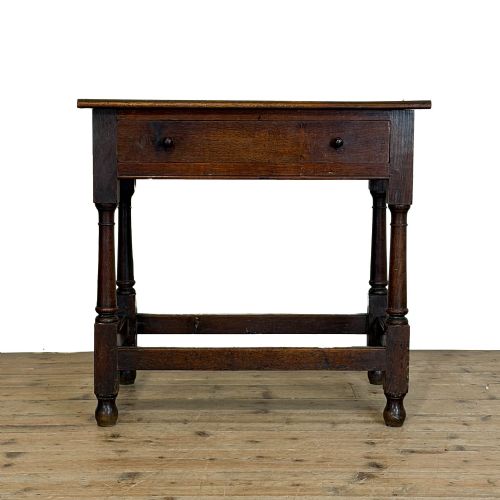
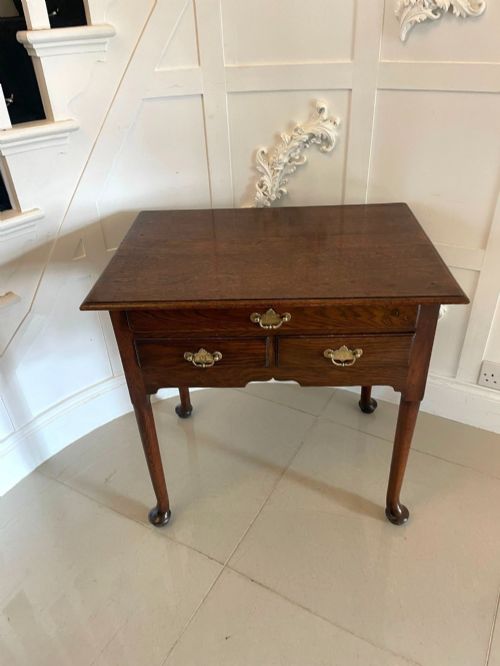
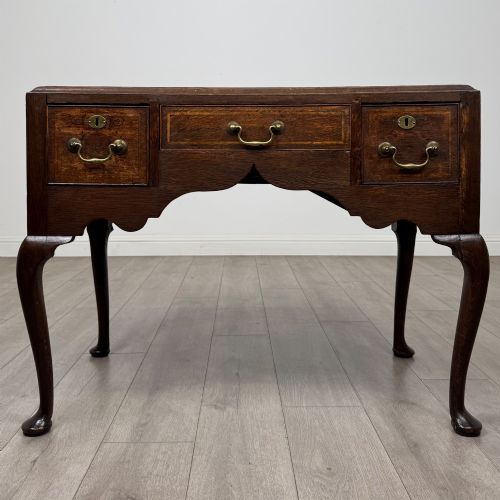
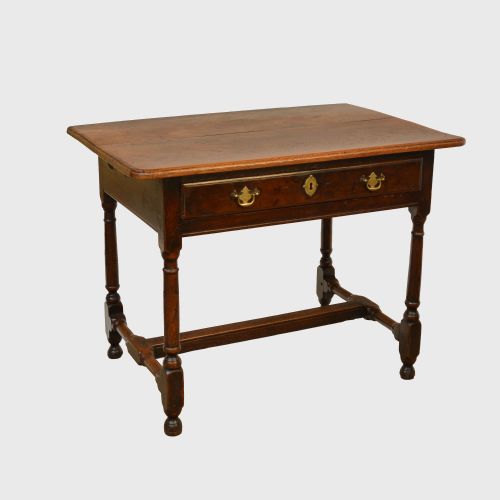
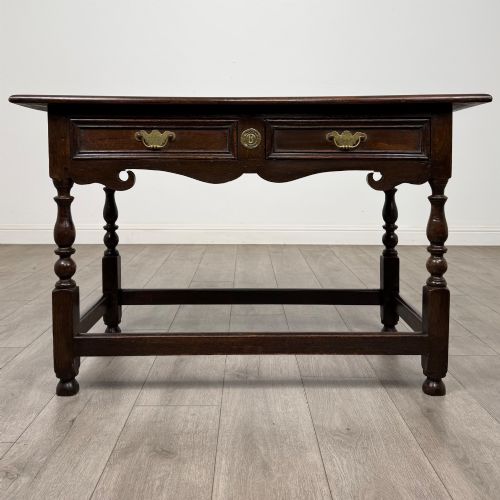
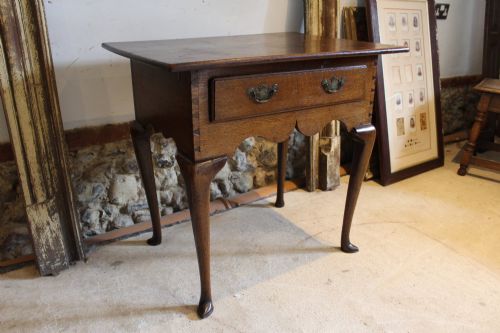
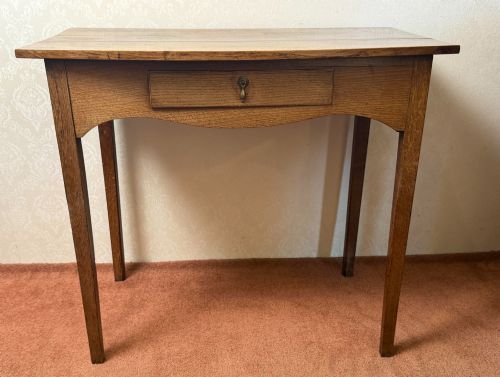
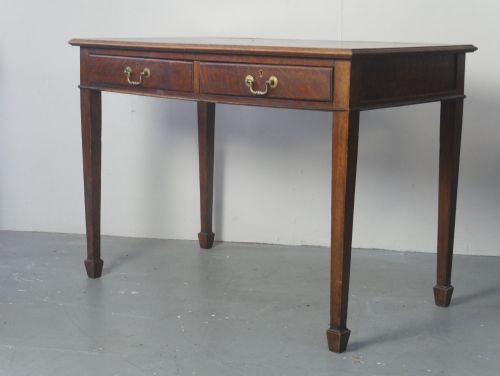
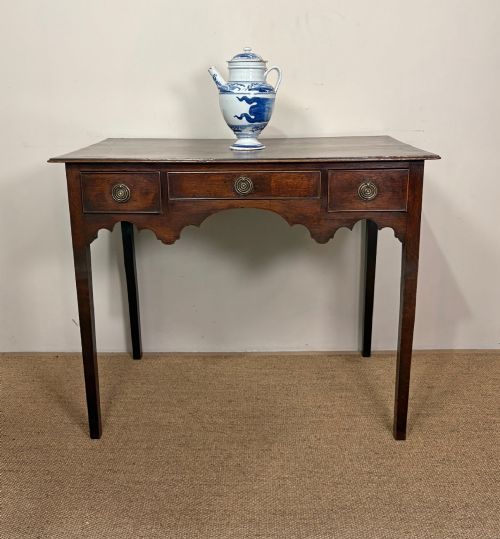
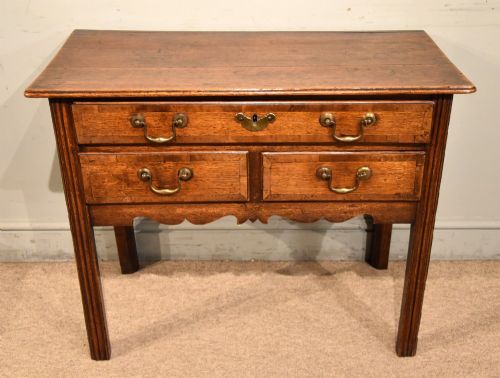
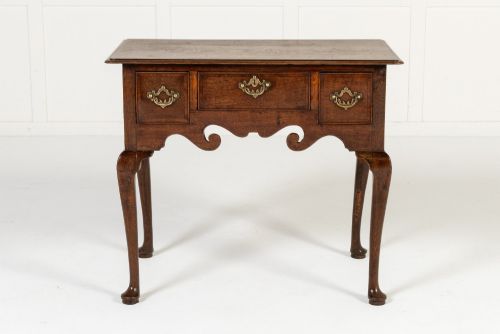
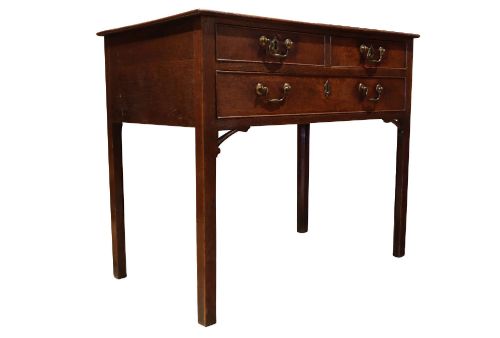
When you search for a georgian oak side desk, you enter a category dominated by side tables, lowboys, and writing desks produced during the eighteenth century and the georgian period. These items typically feature a rectangular plank top above one or more frieze drawers, standing on slender cabriole or square legs.
The versions met most frequently on this page combine sturdy provincial construction with the warm, honeyed tones of domestic timber. Makers often fashioned them for modest country houses and parlours, where they served double duty as writing surfaces and side tables.
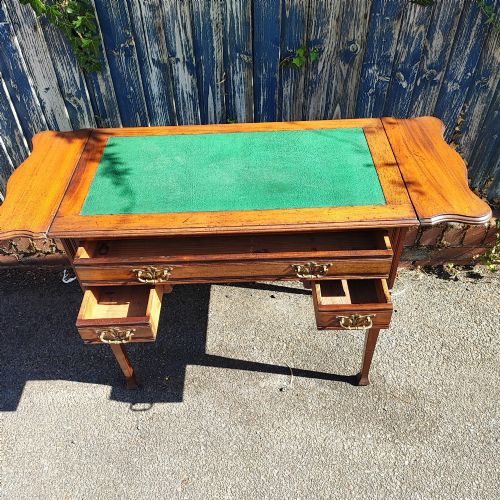
While purists distinguish between a dedicated writing desk and a lowboy with drawer space, makers of the period blurred these lines to suit domestic needs. Buyers encounter pieces spanning george ii and george iii reigns, alongside later nineteenth-century revivals sharing the same functional form.
Materials and construction
Cabinetmakers relied primarily on solid oak for frames and drawer linings, occasionally incorporating secondary woods like elm, yew, or walnut in regional workshops. Timber boards were selected for durability and straight grain, often forming thick plank tops that reveal natural growth rings and early wear.
Joinery relied on traditional pegged tenons and dovetails for drawer construction, ensuring structural rigidity without relying on metal fasteners. Brass drop handles and key escutcheons punctuate the timber fronts, fastened through original boreholes with handmade pins.
Many surviving drawers still contain faint traces of spilled eighteenth-century ink, reminding owners of past correspondence.
Assessing craftsmanship
Quality rests in the crispness of the timber moulding, the retention of original drawer sides and bottoms, and the integrity of the leg joints. Superior examples display careful timber selection, where grain patterns match harmoniously across the top boards and drawer fronts.
Lesser pieces suffer from excessive timber shrinkage, replaced drawer linings, or heavily sanded surfaces that erase centuries of patination. The best specimens retain their deep, untouched surface polish developed through generations of domestic use.
The Georgian Oak Side Desk Glossary
- Lowboy
- A small table with one or more drawers and long legs, frequently used as a dressing table or writing desk in the eighteenth century. These pieces sit low to the ground and often feature shaped apron rails.
- Frieze
- The horizontal band situated directly beneath the tabletop, which typically houses the primary storage drawer in these tables. This section often showcases decorative moulding or carved detailing.
- Peg joined
- A method of framing where wooden dowels secure mortise and tenon joints without metal nails. This technique provides structural flexibility as timber expands and contracts over centuries.
- Plank top
- A solid wooden surface constructed from joined boards rather than veneered panels. These tops display the natural figure of the timber across the primary work area.
- Patina
- The deep surface sheen and mellow colour developed by hardwood through age, handling, and regular polishing. Collectors value untouched surfaces that record the history of the object.
Georgian Oak Side Desk: Frequently Asked Questions
How were these desks originally used?
These tables served multiple domestic purposes in eighteenth-century rooms, acting as writing desks, dressing tables, and serving surfaces. Their modest proportions allowed owners to place them against walls or beside windows for natural light.
Drawers provided secure storage for correspondence, inkwells, and personal documents. The sturdy oak construction meant they withstood daily administrative tasks without requiring a dedicated library space.
How do I distinguish between periods?
Distinguishing between periods involves examining leg profiles, hardware, and structural joinery techniques. Earlier pieces from the queen anne and early george ii eras frequently feature curved cabriole legs and pad feet.
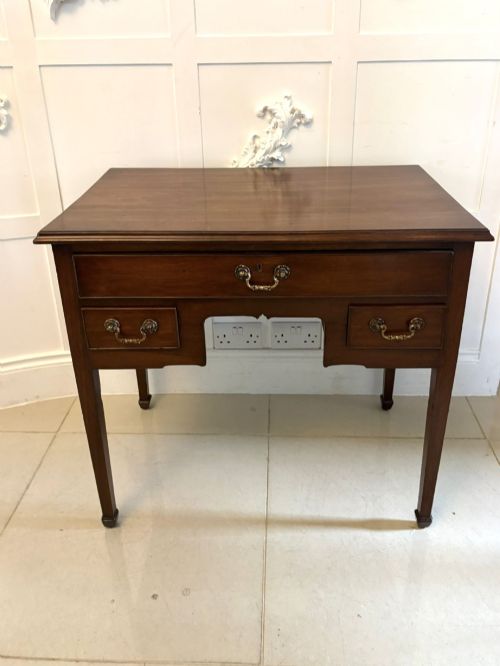
Later george iii examples transition toward straight, square legs and simpler apron designs. Hardware styles also shift from elaborate brass batwing plates to simpler ring pulls as the century progresses.
Can I use an antique lowboy for daily work?
These pieces accommodate modern laptops and writing materials quite well, provided you check the internal drawer height and knee clearance. Eighteenth-century dimensions tended to be lower than modern desks, so pairing them with a suitable low chair ensures comfort.
The durable oak surface handles everyday writing tasks easily, though protecting the aged timber finish with a blotter is standard practice.
What maintenance does oak furniture require?
Solid oak benefits from stable room humidity and protection from direct heat sources that can cause timber boards to split. Regular dusting with a soft cloth prevents particle buildup in the grain.
Applying traditional beeswax occasionally nourishes the wood and maintains the deep surface shine without sealing the pores. Avoid modern silicone sprays, which damage historic polished finishes.