
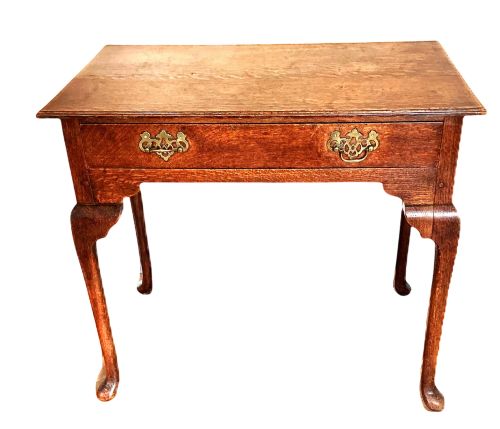
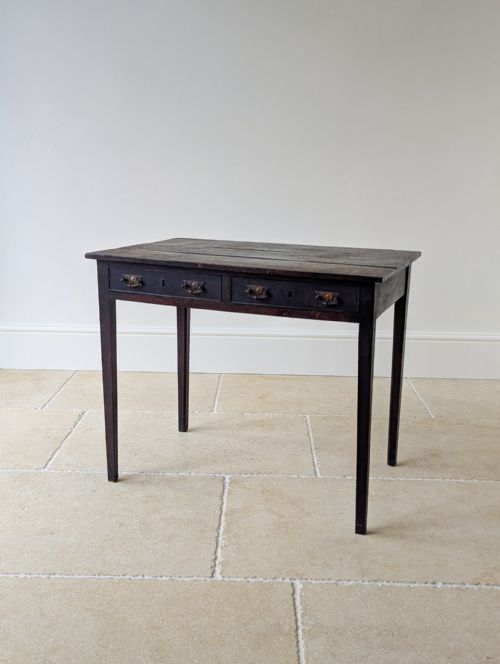


George III Oak Desk
A george iii oak desk brings honest domestic utility to a room, offering sturdy timber and time-worn drawers.
George III Oak Desk
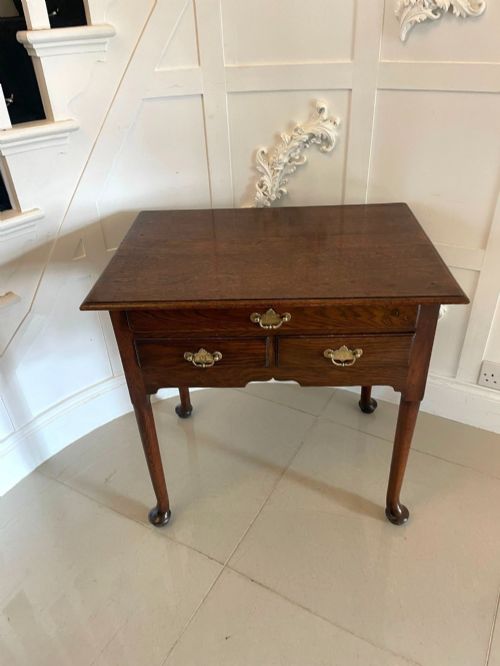
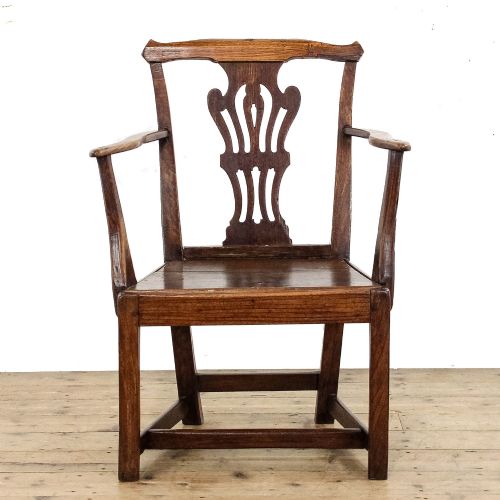
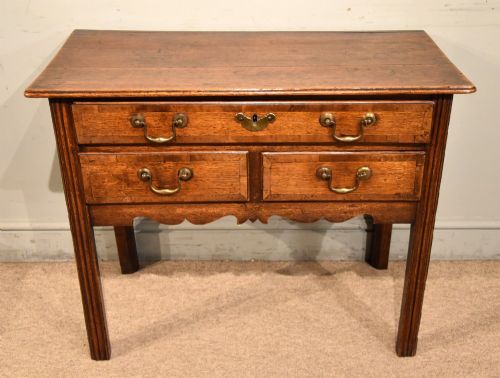
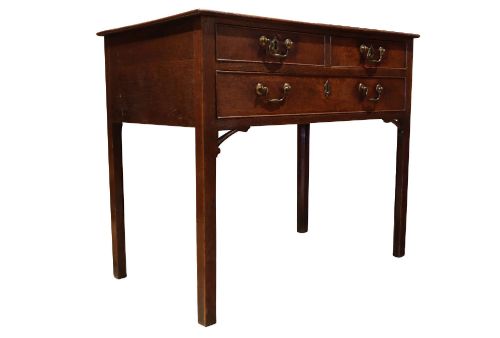
A george iii oak desk encompasses practical writing furniture from the Georgian period, built mainly from solid oak with occasional mahogany or elm accents. These pieces range from compact bureau bookcases and kneehole desks to lowboys, side tables, and travelling desk boxes.
You are most likely to encounter utilitarian forms like the lowboy side table or the slope-front bureau, reflecting the regional domestic needs of the eighteenth century. They display straightforward lines and dependable joinery rather than courtly display.
Materials and Construction
Makers relied on native British oak for structural framing and drawer linings, often selecting quarter-sawn boards to expose the striking figuration of the timber. Secondary woods such as elm and mahogany appear in specific components, whilst pollard oak provides decorative contrast on select surfaces.
Hardware consists principally of brass handles and escutcheons, fastened to dovetailed drawer construction that ensures long-term durability. Leather or fabric inserts occasionally line the writing surfaces of desks and dressing tables.
George III Oak Desk Retail Price Guide 2026
Typical asking prices for george iii oak desk among the pieces listed under this phrase on Sellingantiques today, from the lower quarter to the upper quarter. They describe what is for sale here now, not the wider market.
Several pieces arrive complete with their original keys, sparing future generations from the minor tragedy of locked desk drawers.
Markers of Quality
The standard of a piece rests upon the selection of the timber grain, the tightness of the dovetails, and the retention of original brass hardware and keys. Simpler country house examples prioritize robust utility, whilst finer urban iterations incorporate cross-banding or pollard oak veneers.
Proportion and surface patination dictate the visual appeal, separating honest domestic pieces from those with excessive later alterations or replaced structural elements.
The George III Oak Desk Glossary
- Lowboy
- A small side table with drawers, frequently used as a dressing table or writing surface during the Georgian period.
- Bureau
- A desk featuring a sloping hinged lid that opens to reveal internal pigeonholes and small drawers.
- Kneehole desk
- A flat-topped desk with a recessed central space flanked by pedestals of drawers.
- Dovetail
- A joint formed by interlocking wedge-shaped fingers, prized for its structural strength in drawer construction.
- Cross-banding
- A decorative border of veneer laid with the grain running perpendicular to the central panel.
George III Oak Desk: Frequently Asked Questions
What is a lowboy used for?
A lowboy served multiple domestic purposes in the eighteenth century, functioning primarily as a small dressing table or a compact writing desk in private chambers.
Its modest footprint allowed it to sit easily against a bedroom wall while providing accessible drawer storage for personal papers or grooming items.
How do I identify a bureau?
A bureau is distinguished by its slanted fall-front flap, which drops down to create a flat writing surface when opened. This reveals a fitted interior compartment containing small compartments for letters and stationery.
Beneath this writing flap, standard drawer tiers provide substantial storage capacity for household documents.
Where was oak sourced?
Cabinet makers of this era predominantly utilised native British hardwoods grown locally on landed estates. This domestic timber offered exceptional structural density and durability for everyday furniture.
Makers selected straight-grained boards for framing and figured cuts for visible drawer fronts.
How do I care for antique oak?
Preserving antique oak requires stable indoor humidity levels and protection from direct sunlight to prevent timber shrinkage and splitting. Regular dusting with a soft dry cloth maintains the dry surface finish without buildup.
Traditional beeswax can be applied sparingly to nourish the grain and preserve the historic patination accumulated over centuries.