
Traditional Oak Lamp Table
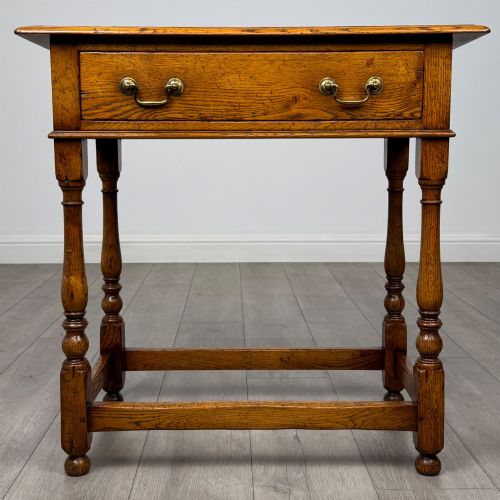
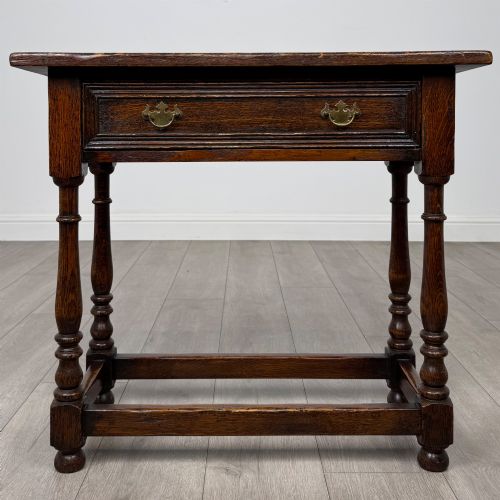
A traditional oak lamp table brings genuine warmth and sturdy utility to a corner, forged from robust timbers that weather decades gracefully.
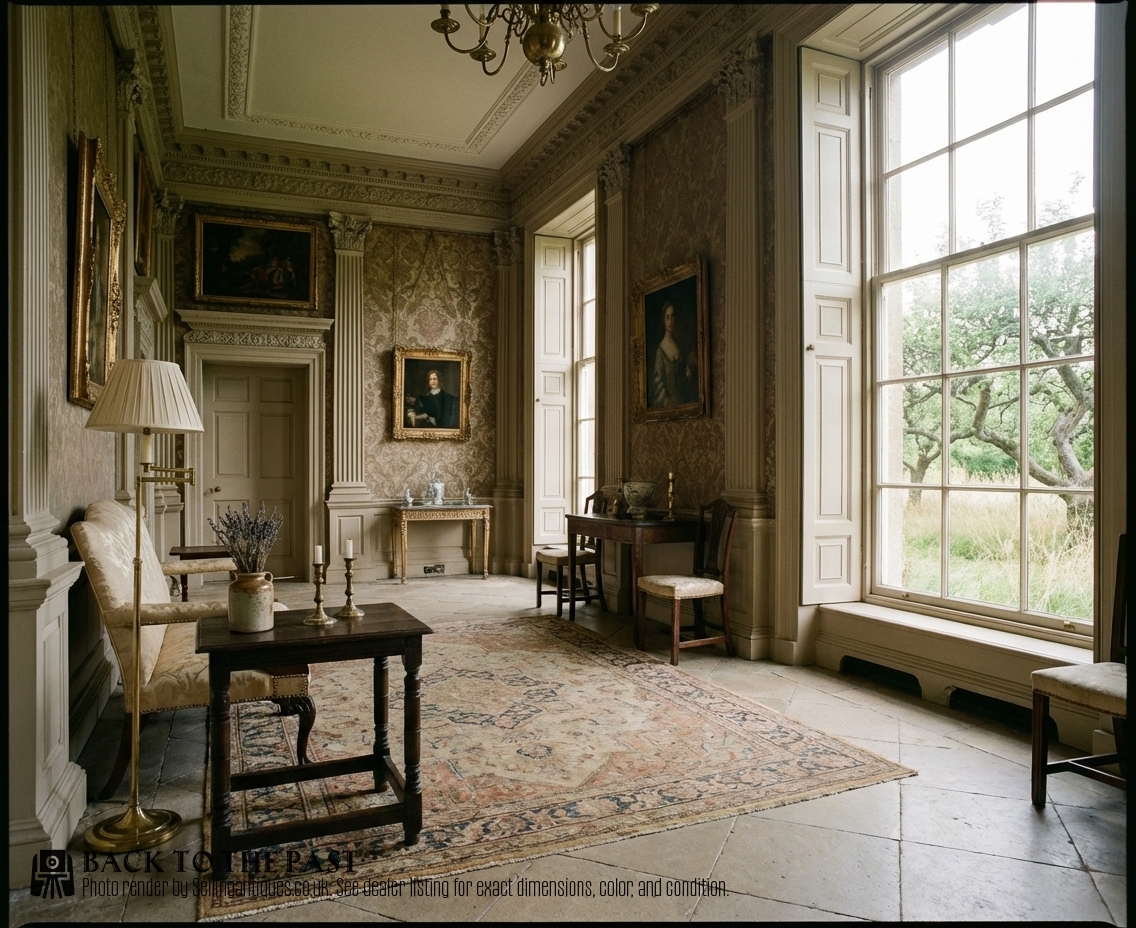
What these pieces are
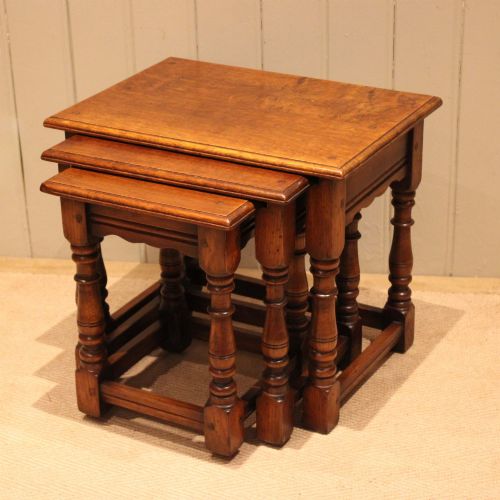
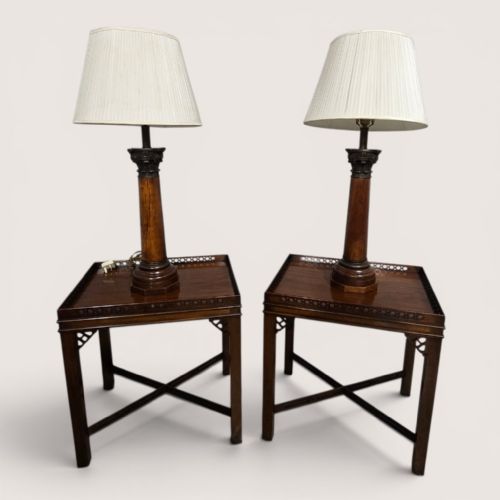
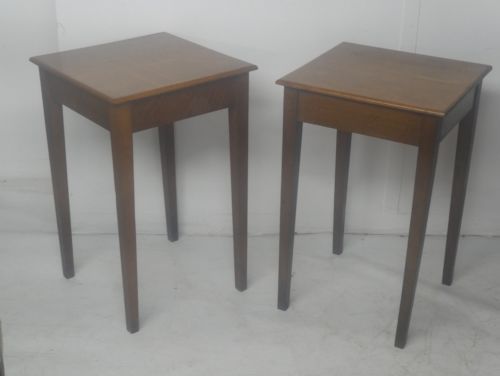
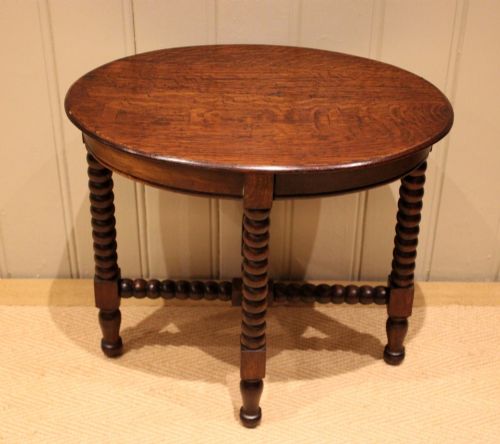
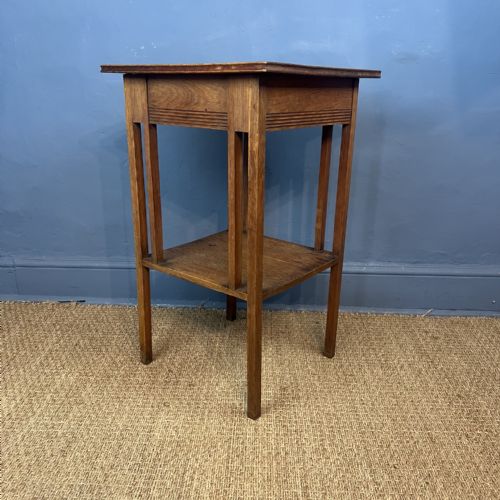
A traditional oak lamp table encompasses utilitarian side pieces and compact occasional surfaces designed to sit beside seating. These items appear primarily in Georgian, nineteenth-century, and eighteenth-century incarnations across English country styles.
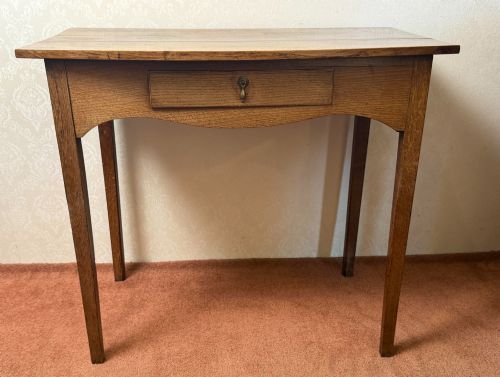
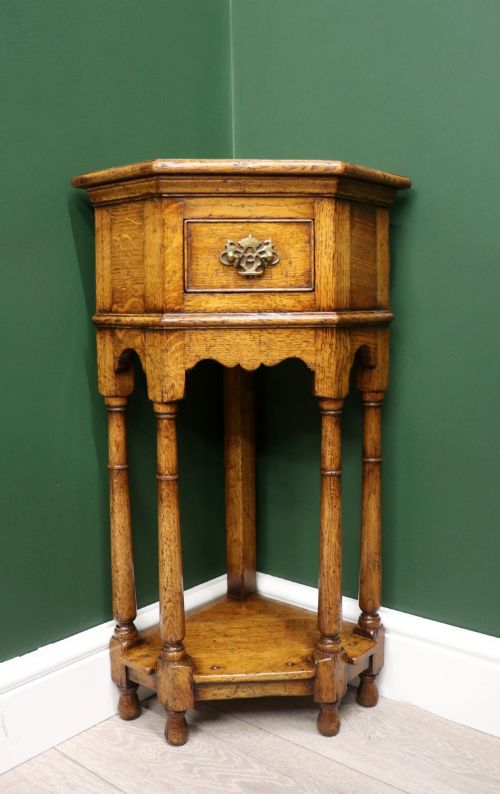
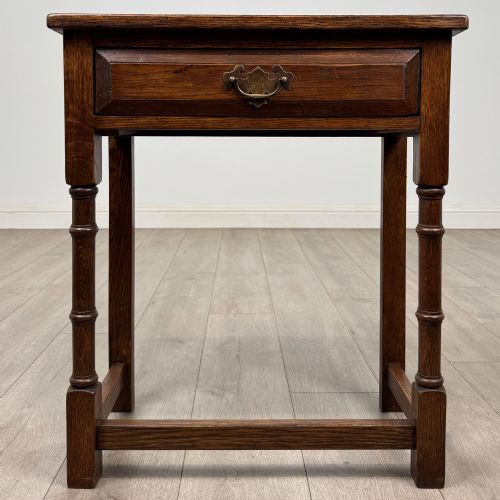
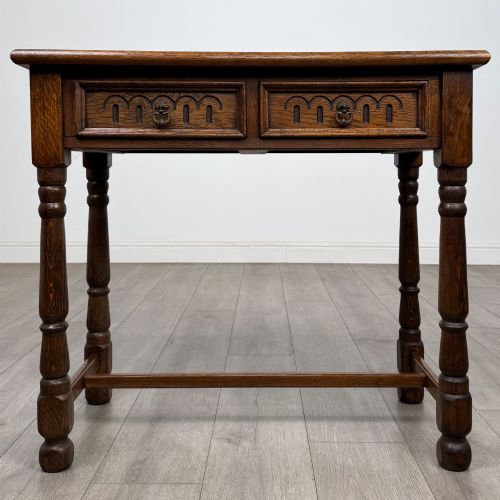
The selection includes fitted drawer side tables, tripod tables of Welsh origin, and bleached variations alongside miniature wine tables. Each specimen reflects practical domestic use from earlier centuries, offering a solid resting place for lamps and small objects.
How they were made
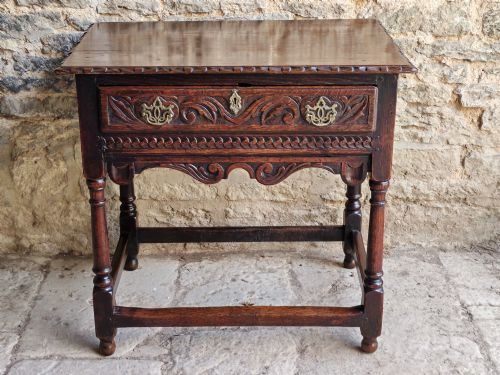
Construction relies upon solid oak timbers, occasionally finished in a bleached tone, combined with brass hardware on fitted drawers. Cabinetmakers utilised traditional joinery techniques to ensure the longevity of these small surfaces.
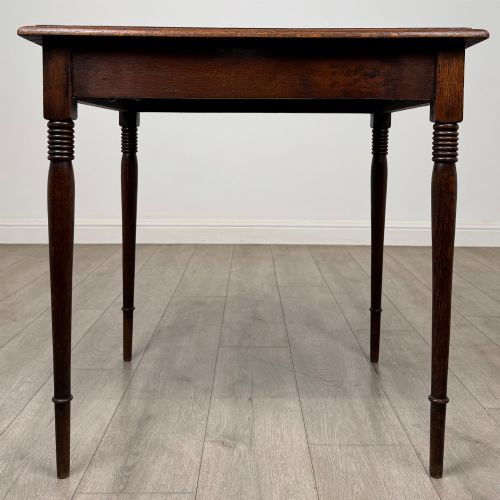
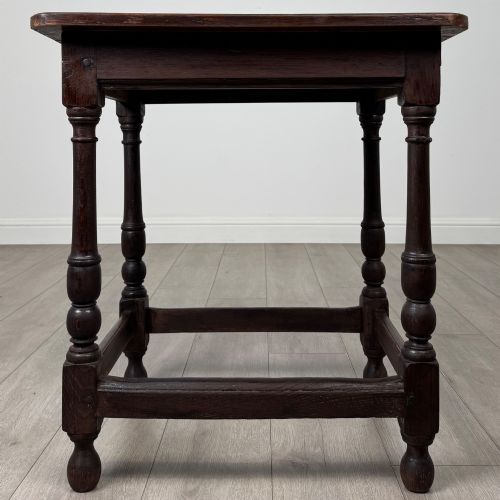
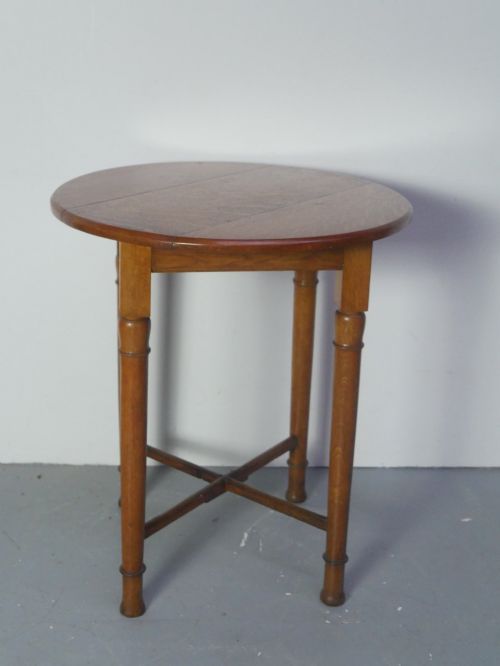
Turned or straight legs support the tops, while tripod formats employ three shaped feet converging at a central pillar. The joinery remains visible in the grain and construction details of each piece.
Retail Price Guide 2026
Typical UK retail prices for traditional oak lamp table, calculated from the Sellingantiques database of over a million retail prices indexed since 2003. This retail price guide relies exclusively on Sellingantiques data; no external sources or auction records are used, so the figures do not describe the wider market.
Listings feature oak as the exclusive material, spanning periods from the eighteenth century to nineteen hundred.
What varies in quality
Quality rests upon the selection of the timber grain, the crispness of the turning on legs, and the retention of original brass fittings. Superior examples display tighter growth rings in the oak and harmonious proportions between the top and the support structure.
Later revivals or utilitarian pieces may show simpler construction methods and heavier proportions compared to eighteenth-century originals. The handling of the drawer sides and the integrity of the tripod mechanism further separate standard regional work from finer country house examples.
The Traditional Oak Lamp Table Glossary
- Tripod table
- A small freestanding table supported by a central pillar on three legs. This form gained popularity during the Georgian period for flexibility in domestic rooms.
- Side table
- A functional small table designed to stand against a wall or beside furniture. These frequently incorporate a single fitted drawer for storage.
- Bleached oak
- Timber treated to lighten its natural dark tone. This finish creates a paler surface while retaining the visible grain of the wood.
- George III
- The stylistic period spanning the reign of George III from seventeen sixty to eighteen twenty. Furniture from this era emphasises classical proportions combined with regional practicality.
Frequently Asked Questions
How do I style an antique oak table?
Position the table beside a reading chair or sofa where its surface height accommodates a lamp or a book. The sturdy timber construction suits both traditional interiors and modern minimalist rooms.
Allow the natural grain of the oak to remain visible by keeping decorative items minimal. Pairing the piece with complementary wooden furniture enhances the historic aesthetic.
When were these oak tables made?
The available pieces span from the eighteenth century through the nineteenth century, including Georgian and Georgian Revival periods. Specific dates range from eighteenth-century items up to pieces marked around nineteen hundred.
Each era brings distinct proportions and construction details, reflecting the prevailing domestic furniture designs of its time.
What materials are used in these tables?
Solid oak forms the primary material for every piece, occasionally presented in a bleached oak finish. Brass hardware appears on models featuring fitted drawers for small storage.
These durable materials contribute to the longevity and sturdy nature of country house side and occasional tables.