
Georgian Oak Commode
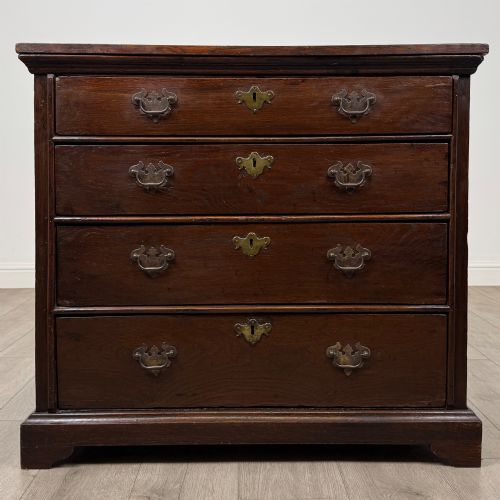
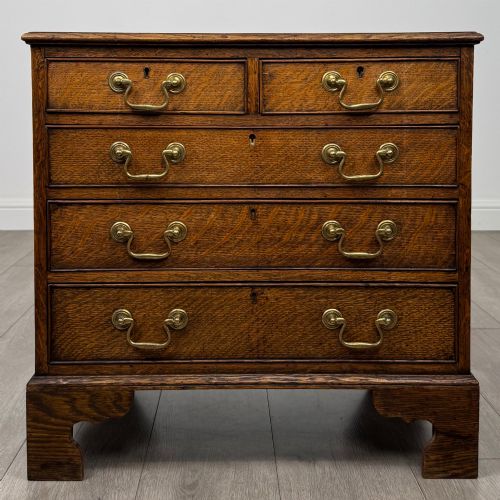
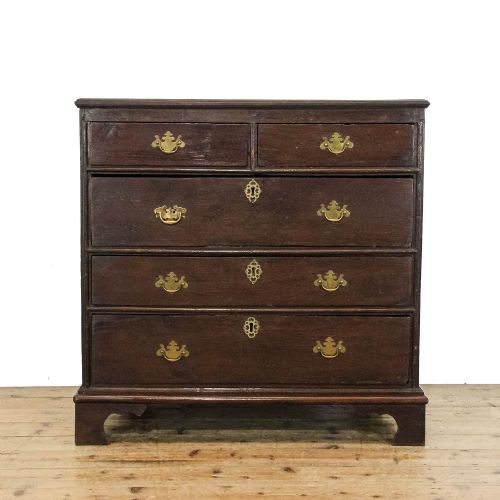
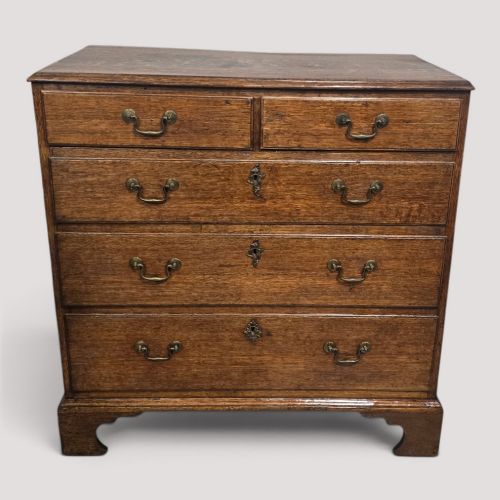
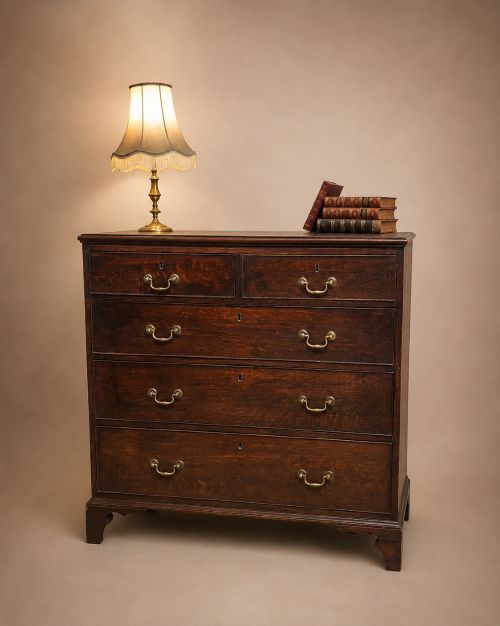
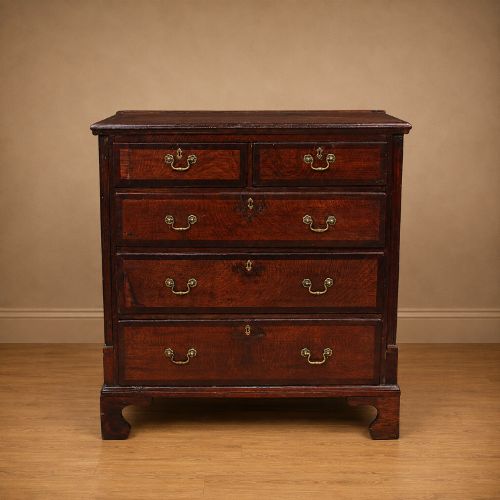
A georgian oak commode brings robust eighteenth-century timber and practical storage into a room.
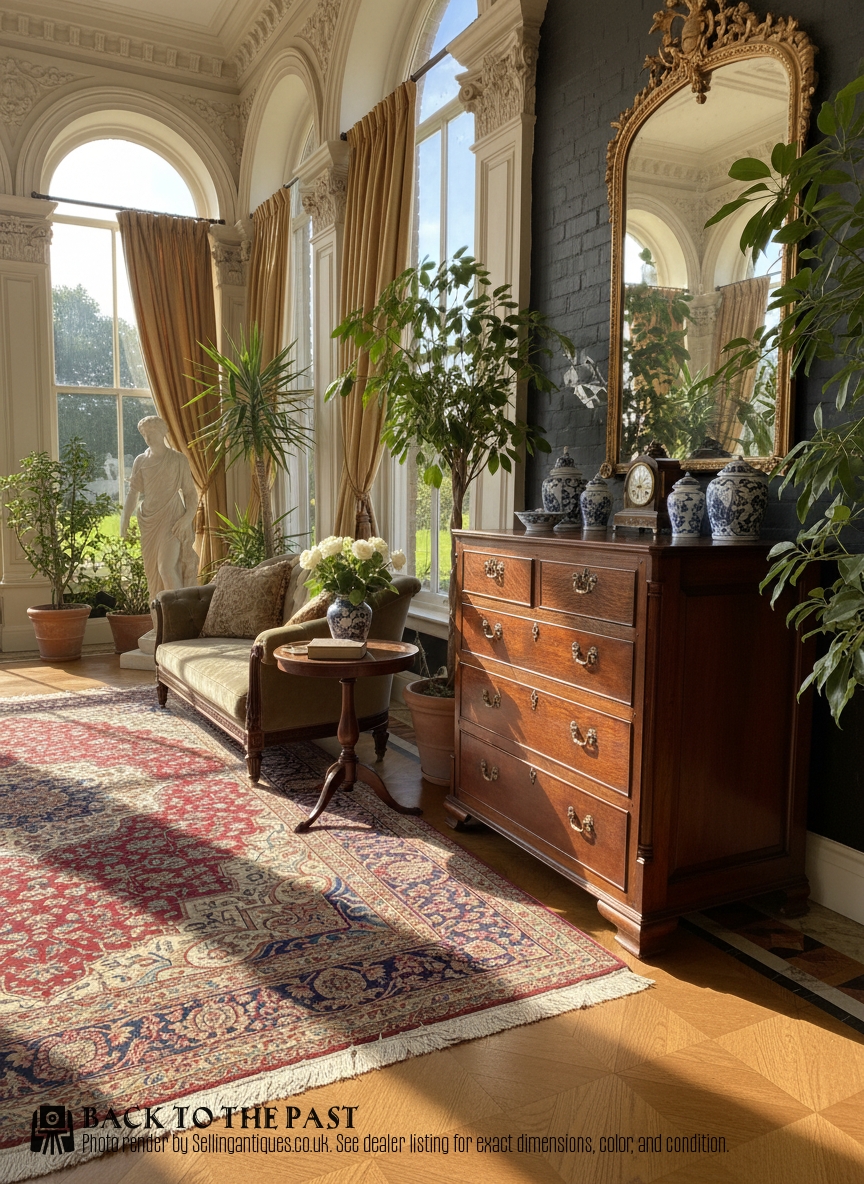
Georgian Oak Commode
A georgian oak commode search typically reveals sturdy chests of drawers and close stools spanning the eighteenth century and the Regency period. These pieces originate from English country and formal workshops, capturing a utilitarian yet refined domestic aesthetic.
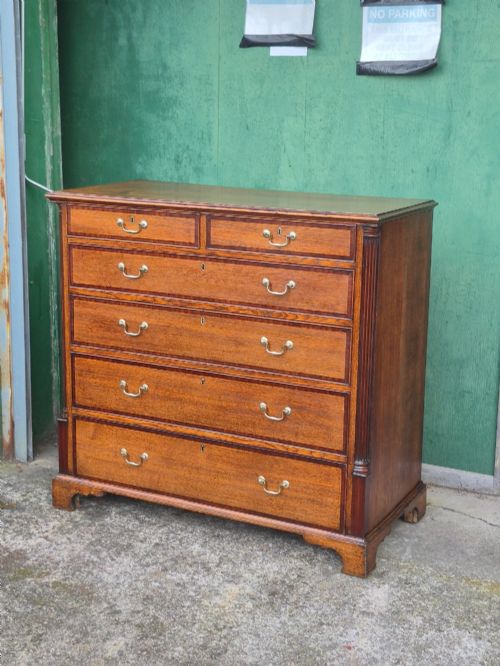
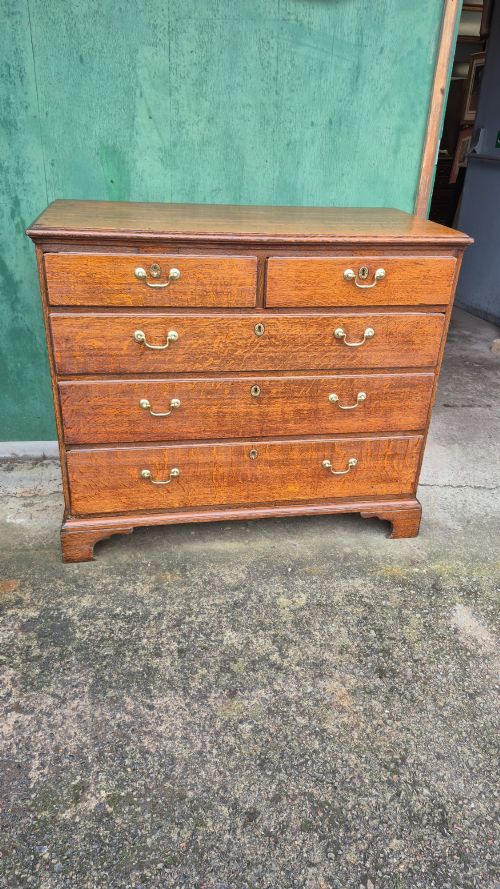
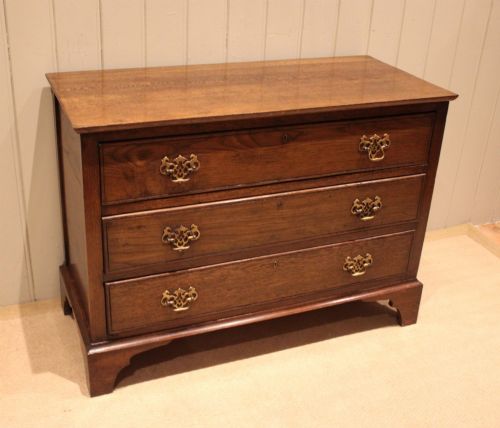
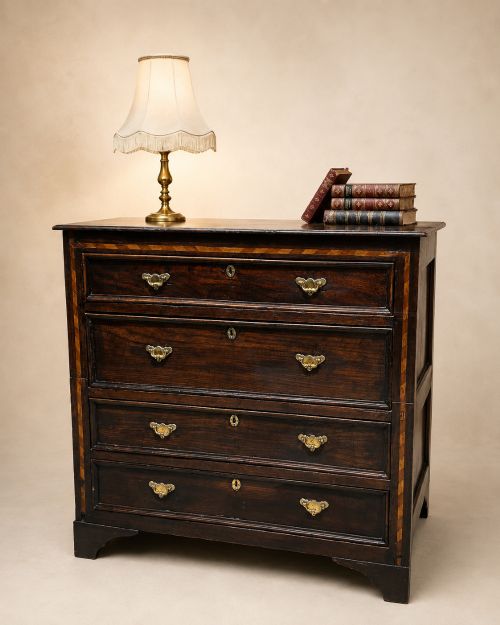
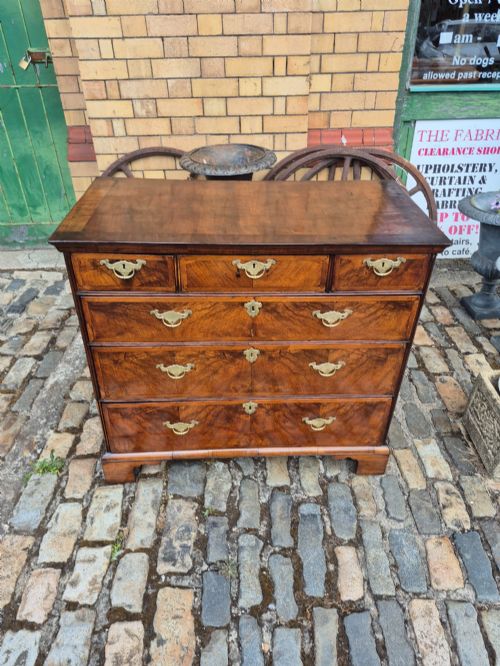
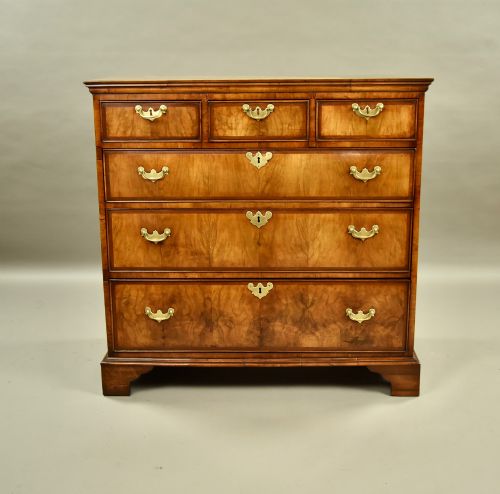
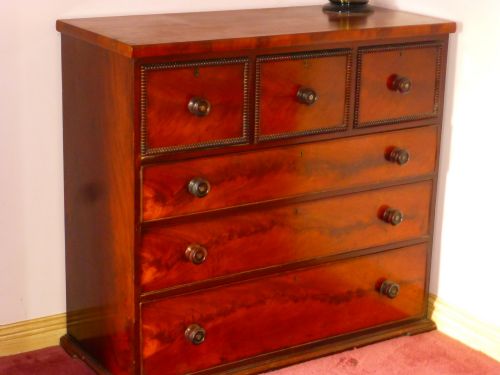
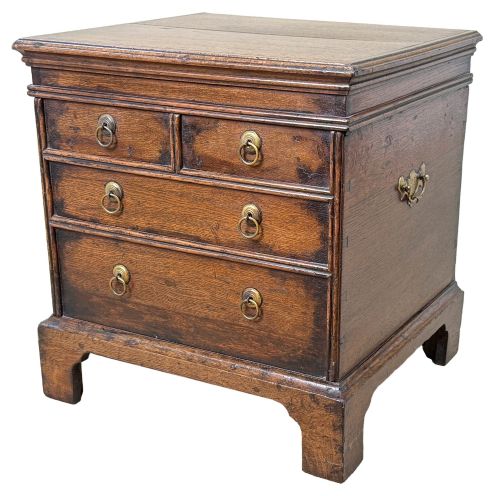
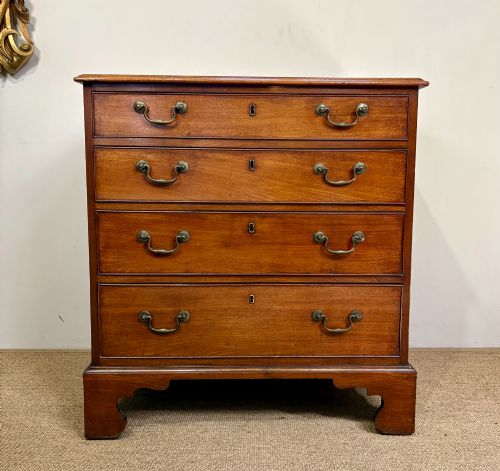
The primary forms found here include low chests, bachelor chests, and close stools disguised as small bedside furniture. Buyers encounter solid timber constructions alongside pieces featuring fruitwood inlay, mahogany crossbanding, and walnut veneers.
Most examples date from the eighteenth century, though later nineteenth-century adaptations and Edwardian interpretations appear frequently. The selection ranges from plain straight-front carcases to more decorative Dutch marquetry bombe designs.
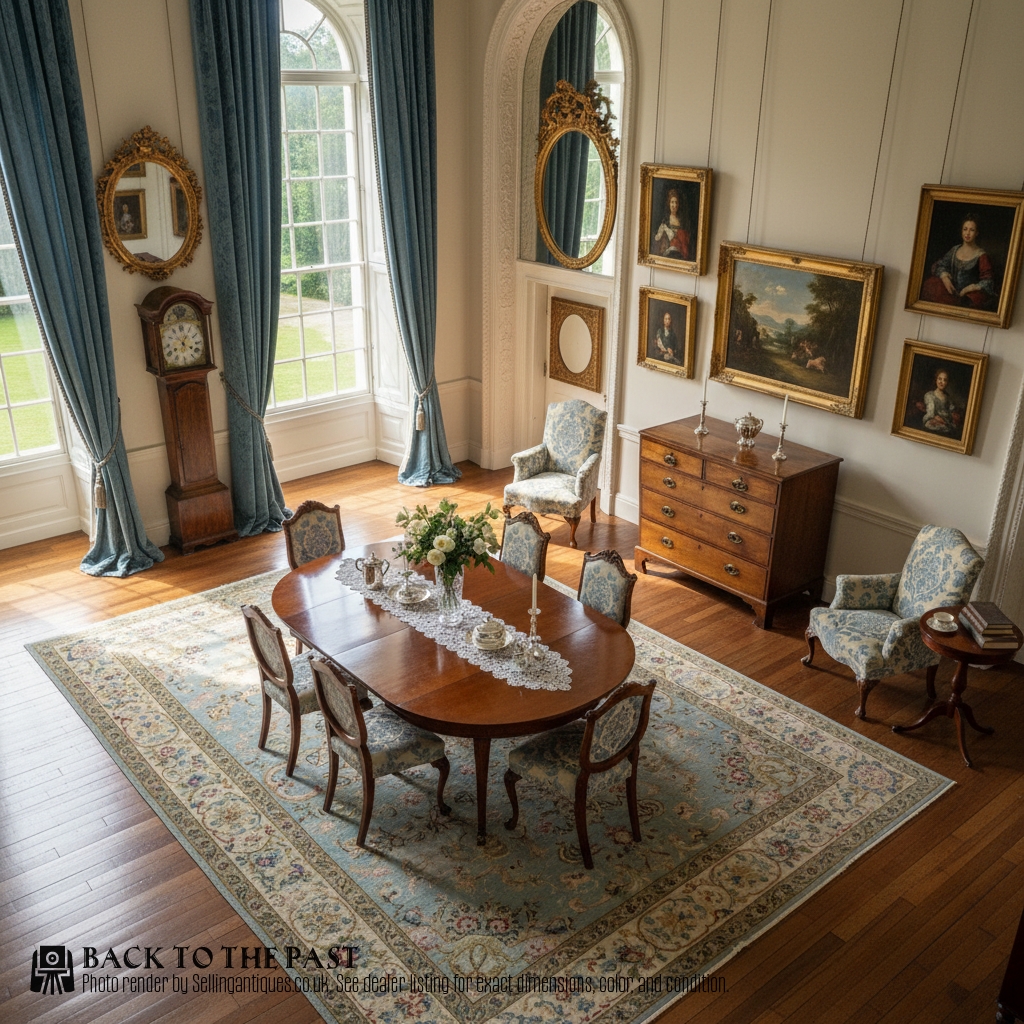
Materials and Construction
Makers relied heavily on solid oak for structural integrity, often pairing it with secondary woods like elm and fruitwood for internal linings and drawers. Timber selection dictated the weight and durability of each piece.
Surface enrichment involved contrasting veneers, fruitwood inlay, and mahogany crossbanding applied to carcase fronts. Cabinetmakers secured handles with brass hardware, while bracket feet supported the base of the furniture.
Georgian Oak Commode Retail Price Guide 2026
Typical asking prices for georgian oak commode among the pieces listed under this phrase on Sellingantiques today, from the lower quarter to the upper quarter. They describe what is for sale here now, not the wider market.
Listings feature oak, mahogany, walnut, elm, and fruitwood inlay across various eighteenth and nineteenth-century forms.
Judging Quality
Quality rests upon the selection of the timber, where figured grain and well-matched oak boards elevate the presence of a chest. Subtle details like original brass handles and intact bracket feet distinguish superior survivals.
Construction refinement separates standard cabinetwork from exceptional pieces, visible in the precision of dovetail joints and internal oak linings. Crossbanding and inlay work executed with clean lines indicate skilled workshop output.
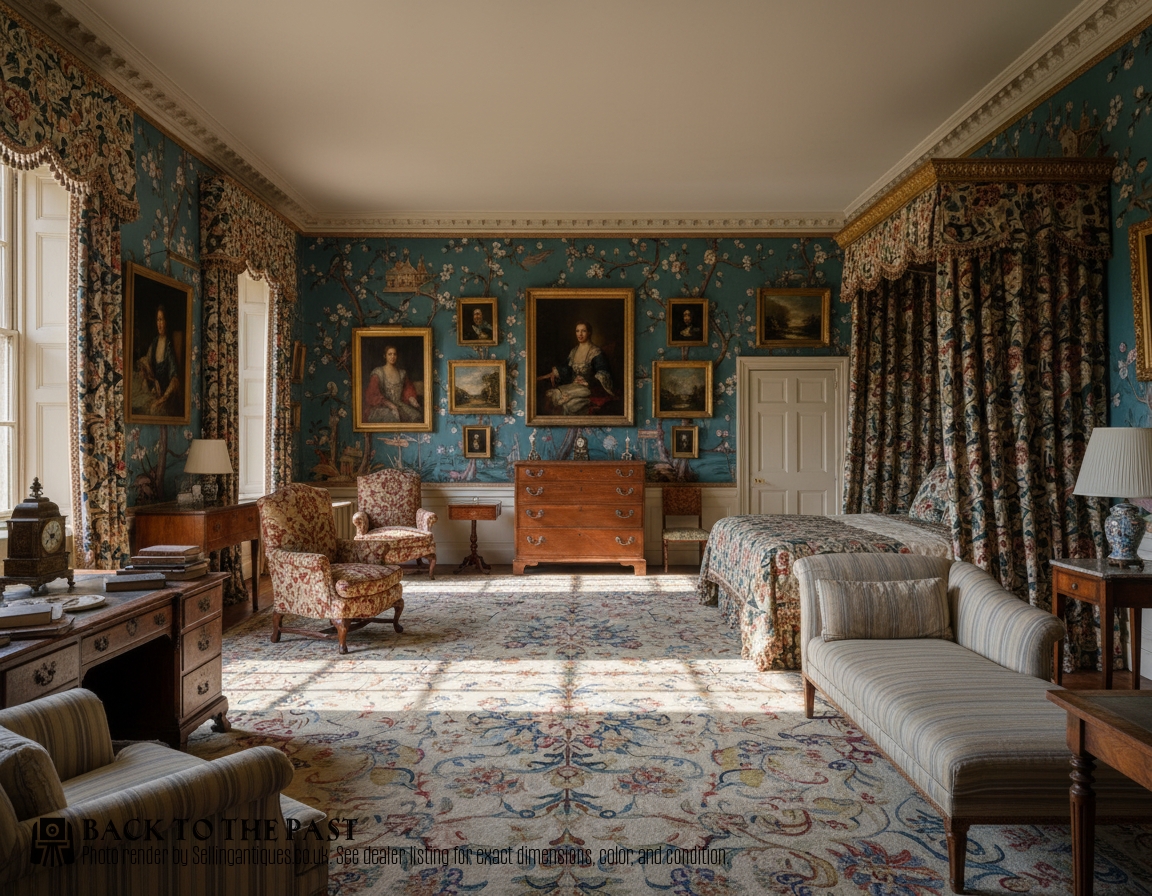
The Georgian Oak Commode Glossary
- Commode
- A movable piece of furniture containing drawers or compartments, often used for storage in bedrooms or living spaces. In earlier contexts, it also referred to close stools.
- Crossbanding
- A strip of veneer applied to the borders of a furniture surface with the grain running perpendicular to the centre panel. This decorative technique frames the main timber.
- Bracket foot
- A simple foot shape supporting case furniture, formed by two mitred pieces meeting in a corner. It provides a stable and understated base for eighteenth-century chests.
- Close stool
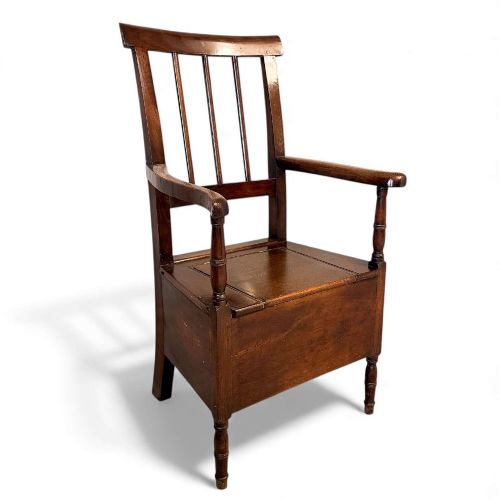
- An enclosed piece of furniture designed to conceal a chamber pot or sanitary pan. Many examples took the visual form of a small bedside chest or armchair.
- Dovetail
- A joint used in drawer construction formed by interlocking wedge-shaped fingers. This method secures the sides to the front and back without relying on metal fasteners.
Georgian Oak Commode: Frequently Asked Questions
How were close stools used?
Close stools served as indoor sanitary furniture before modern plumbing, enclosing a chamber pot within a wooden cabinet or chair frame. They were kept in private chambers for convenience during the night.
Many surviving pieces were disguised as small bedside chests or armchairs to blend seamlessly with other domestic furniture. Over time, their internal fittings were often removed or repurposed for general storage.
How do I identify an eighteenth-century piece?
Identifying an eighteenth-century piece involves examining the construction methods, timber characteristics, and hardware. Hand-cut dovetails, oak linings, and original brasses offer reliable clues to the period of manufacture.
Stylistic markers such as bracket feet, straight fronts, and restrained crossbanding point towards Georgian workshop practices. Comparing the wood patination and wear patterns further helps confirm the age of the timber.
Where should I place one at home?
These chests fit well in bedrooms, hallways, or living rooms where their surface space and drawer storage are useful. Their neutral oak tones allow them to complement both traditional and contemporary interiors.
Placing them away from direct heat sources and strong sunlight preserves the timber and prevents the veneer from drying out. Regular dusting and occasional waxing keep the wood finish in healthy condition.