


Georgian Oak Coffer Bach
A georgian oak coffer bach is a miniature Welsh chest built for linen or valuables, offering country craftsmanship in a compact domestic scale.
Georgian Oak Coffer Bach
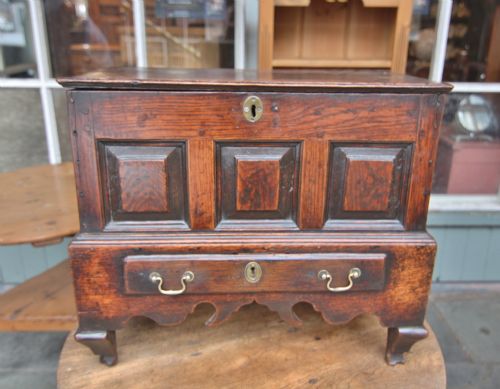
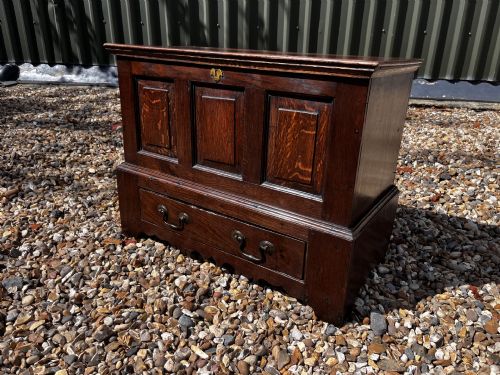
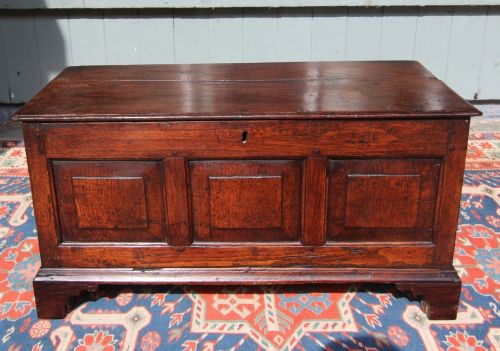
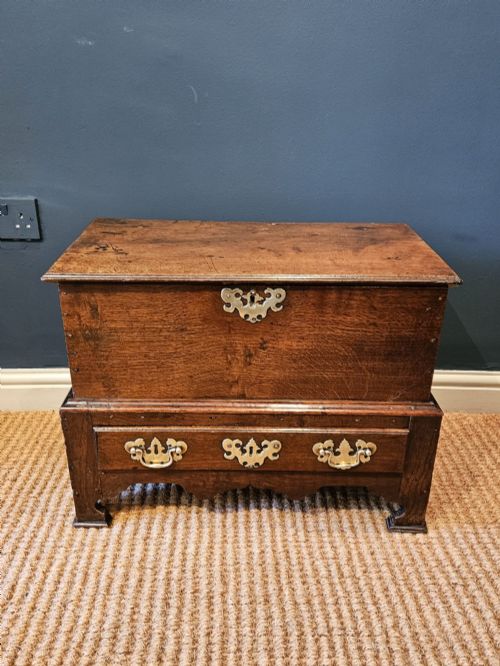
A georgian oak coffer bach is a small lidded chest originating from Wales during the eighteenth century, designed to sit on a table or larger piece of furniture. These miniature chests served domestic purposes for storing precious linens, documents, or valuables within rural Welsh households.
The versions met on this page date predominantly from the eighteenth century, spanning periods like the reign of George II and extending through the seventeen-seventies. Stylistically, they align with Welsh vernacular and regional Georgian cabinet making traditions, often combining simple storage boxes with integrated drawer arrangements below.
Makers constructed these smaller chests using native hardwoods, producing proportions that vary from standard blanket chests down to unusually tiny formats. The distinct regional character marks them out as specific products of Welsh country workshops rather than standard English urban furniture.
Materials and construction methods
Makers built these pieces primarily using solid oak timber, supplemented by fruitwood for contrasting details or timber inlay work. This selection of dense local woods provided the structural durability required for daily domestic use in rural settings.
Joinery techniques relied on traditional pegged frames, panelled construction, and dovetailed drawers fitted beneath the main storage compartment. Metal components such as brass or iron hinges, locks, and handles secured the lids and drawers against regular handling.
Georgian Oak Coffer Bach Retail Price Guide 2026
Typical asking prices for georgian oak coffer bach among the pieces listed under this phrase on Sellingantiques today, from the lower quarter to the upper quarter. They describe what is for sale here now, not the wider market.
One tiny coffer bach was built so small it could double as a heavy-duty jewellery box for a Welsh giant.
Distinctions in quality and execution
Quality separates examples by the crispness of the timber selection, the subtlety of fruitwood inlay, and the refinement of turned feet or bracket supports. Superior pieces display carefully figured oak grain and balanced proportions that maintain architectural harmony at a miniature scale.
The joinery execution also dictates standard, where clean dovetailing on drawers and tight panel fits distinguish skilled country workshops from more rudimentary provincial output. Preservation of original brass or iron hardware and untouched surface patination elevate individual pieces above heavily restored examples.
The Georgian Oak Coffer Bach Glossary
- Coffer bach
- A small Welsh chest or miniature coffer, literally translating from Welsh as little chest. These objects typically feature a hinged lid above one or more drawers.
- Vernacular furniture
- Domestic pieces made by local country artisans using regional traditions and native materials rather than adhering to formal urban pattern books. This style emphasises utility and local character.
- Timber inlay
- The technique of inserting contrasting strips or pieces of wood into recessed areas of the primary surface for decoration. Fruitwood is frequently utilised for this purpose against dark oak.
- Fruitwood
- Dense timber derived from fruit-bearing trees such as pear, apple, or plum, used by makers for decorative contrasting details. It provides a warm tone when polished.
- Dovetailed drawer
- A box joint formed by interlocking wedge-shaped fingers, securing drawer corners with high tensile strength. This method indicates competent cabinet making.
Georgian Oak Coffer Bach: Frequently Asked Questions
What was a coffer bach used for?
These miniature chests served to store domestic valuables, important documents, or special linens within Welsh households. Their portable size allowed owners to keep prized possessions secure and close at hand on tables or desks.
They functioned as personal storage units rather than primary furniture for bulky garments. Their presence in country homes reflects the need for secure organisation in domestic spaces.
How do I date an eighteenth century coffer bach?
Dating relies on examining construction methods, timber patination, and stylistic markers such as foot type and drawer configuration. Pieces from the early part of the century often display heavier proportions and simpler lines.
Later examples from the seventeen-seventies might incorporate fruitwood inlay or refined bracket feet. Comparing the joinery style to documented regional pieces helps narrow the decade of production.
Are all coffer bach pieces from Wales?
The tradition of the coffer bach is distinctly Welsh, tied to regional vernacular carpentry of the eighteenth century. Workshops across different Welsh counties developed local variations in proportions and decorative details.
While oak was common to British country furniture generally, the specific form and nomenclature belong firmly to Welsh domestic heritage. Regional stylistic traits help identify these geographical origins.
How should I care for antique oak furniture?
Maintain stable indoor humidity levels and keep antique oak away from direct heat sources to prevent timber splitting. Gentle dusting with a dry cloth preserves the historic surface patination without stripping natural oils.
Avoid modern liquid polishes containing silicones, which can damage old wood finishes over time. Occasional application of traditional beeswax helps nourish the dry oak surface.