
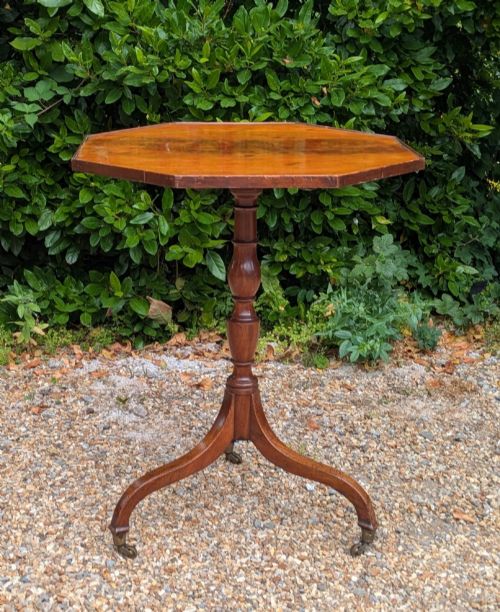
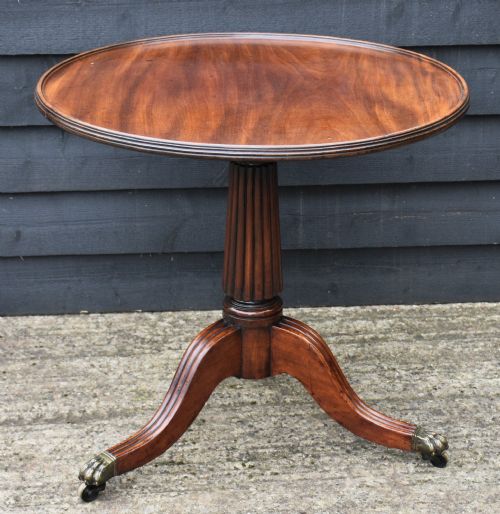
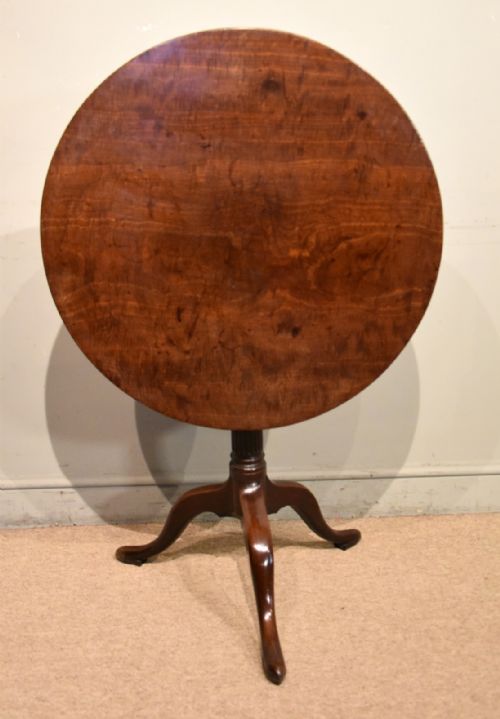
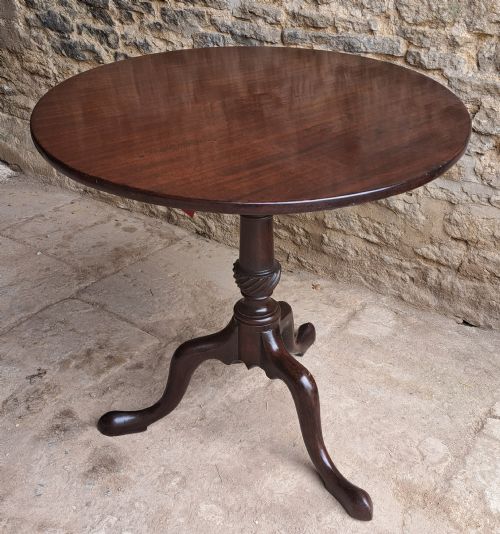
Georgian Mahogany Snap Table
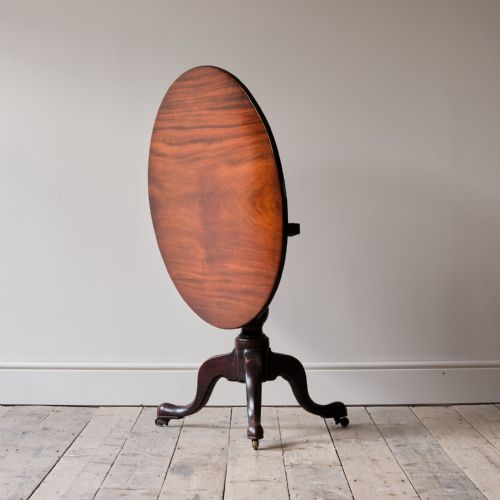
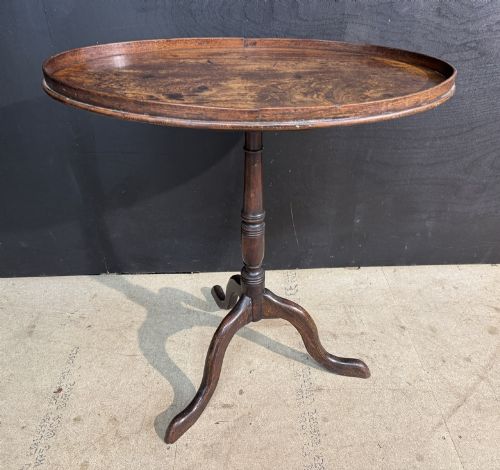
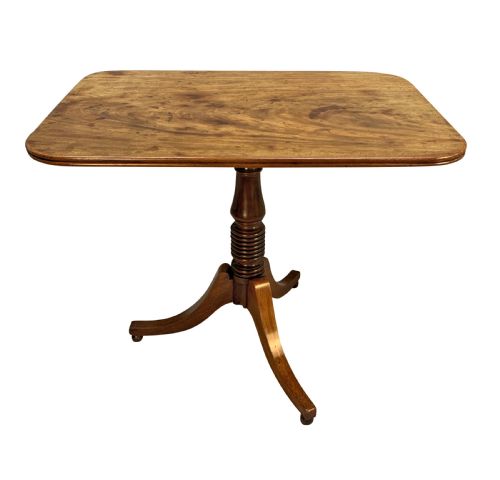
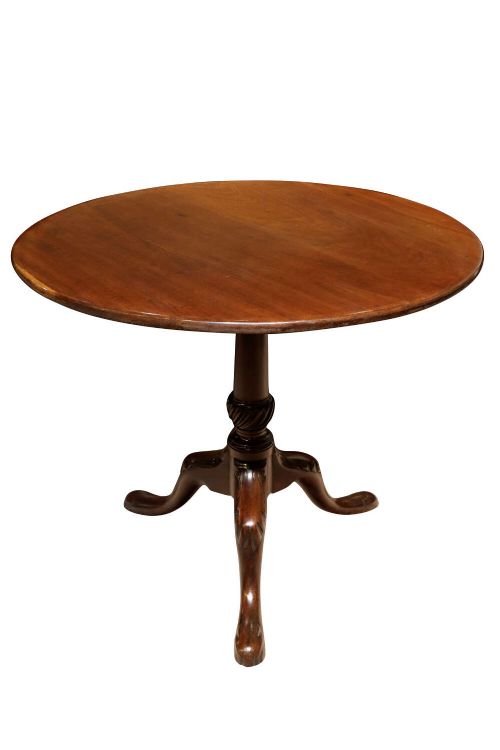
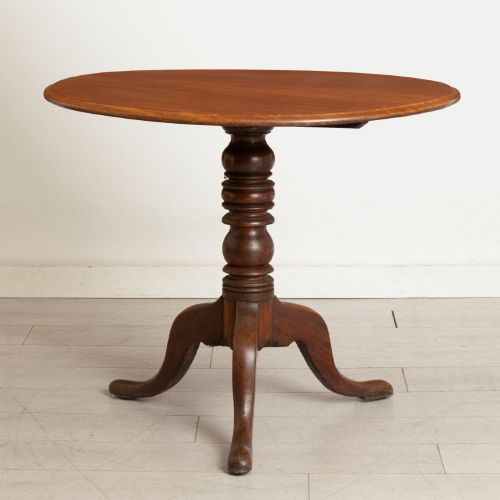
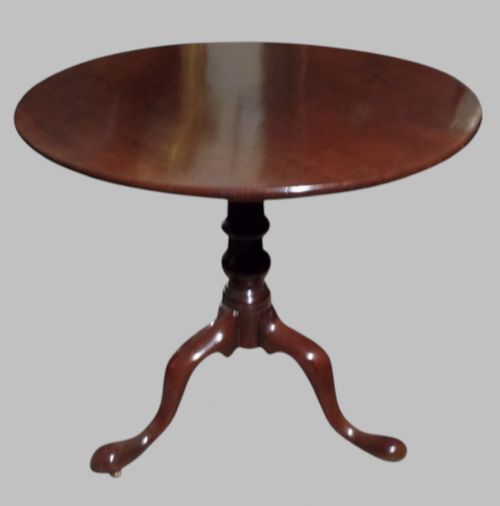
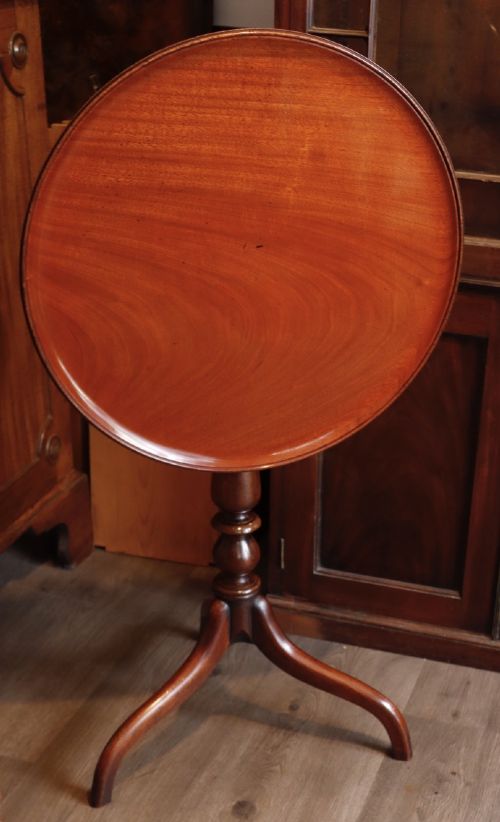
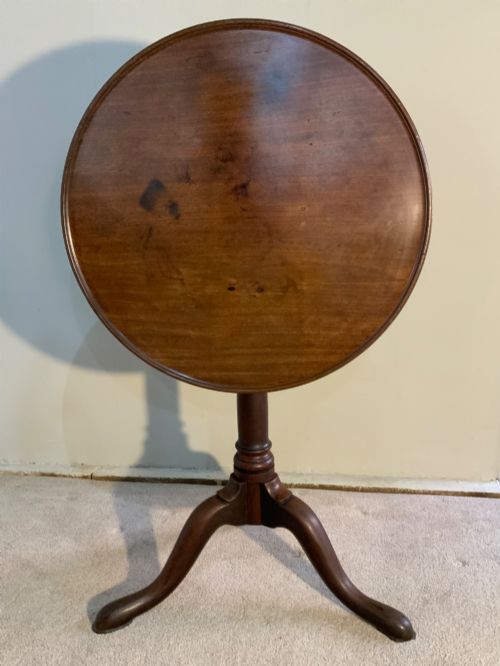
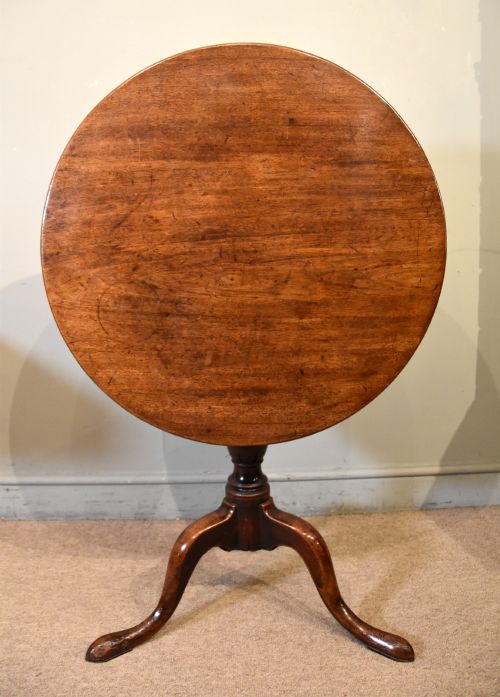
These georgian mahogany snap table examples offer practical timber surfaces that tilt upright when not in use.

What these tables are
A georgian mahogany snap table is a versatile occasional table designed with a hinged top that folds flat against the pedestal column. Most examples seen here date from the eighteenth century through the Regency period, encompassing George III styles and grand Regency designs.
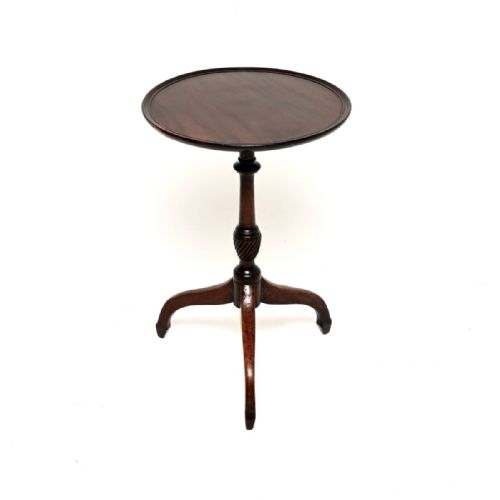
The primary forms appearing in these listings include occasional tables, side tables, supper tables, and wine tables. Buyers frequently encounter tripod bases supporting circular timber leaves, often featuring birdcage actions that allow both tilting and rotating functions.
How they were made
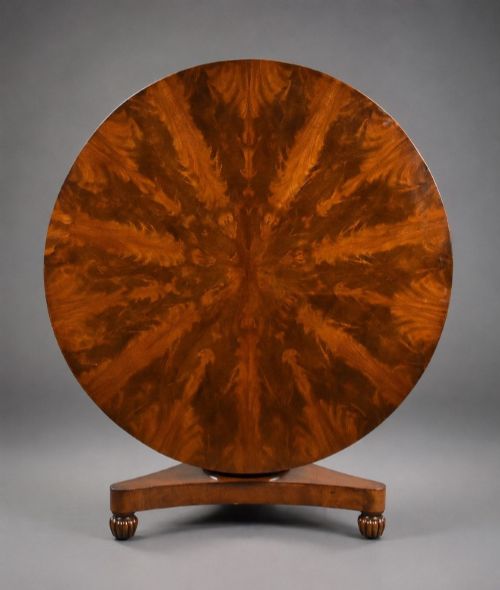
Cabinetmakers constructed these pieces primarily from solid mahogany, occasionally utilising flame mahogany for decorative grain patterns on the top. Metal components such as brass and iron appear in the tilting mechanisms, catches, and fixings that secure the leaf to the pedestal.
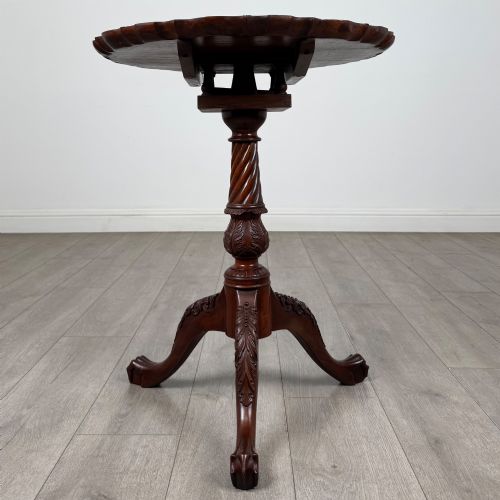
Construction techniques include one-piece timber tops paired with traditional birdcage actions and turned tripod columns. The joinery relies on standard period practices to connect the central pedestal to three supporting legs.
Retail Price Guide 2026
Typical UK retail prices for georgian mahogany snap table, calculated from the Sellingantiques database of over a million retail prices indexed since 2003. This retail price guide relies exclusively on Sellingantiques data; no external sources or auction records are used, so the figures do not describe the wider market.
Listings feature mahogany, iron, and brass across eighteenth-century, Georgian, and Regency periods.
What varies in quality
Quality in a georgian mahogany snap table rests heavily on the selection of timber, particularly where figured flame mahogany or a substantial one-piece top is employed. The handling of the pedestal turning and the refinement of the tripod leg profile distinguish standard pieces from finer examples.
The engineering of the snap mechanism and birdcage action dictates the mechanical success of the table. Smooth operation without excessive play in the hinge indicates superior cabinetmaking from the eighteenth and Regency periods.

The Georgian Mahogany Snap Table Glossary
- Snap top
- A tabletop mounted on a hinged block that locks horizontally for use and pivots vertically for storage. This clever mechanism saves floor space in period interiors.
- Tripod table
- A small freestanding table supported by a central pillar resting on three legs. This configuration provides stable footing on uneven eighteenth-century floors.
- Birdcage action
- A small wooden framework beneath the tabletop that enables the surface to both rotate and tilt. It adds mechanical complexity to standard tripod tables.
- Flame mahogany
- Timber veneer or solid wood featuring a distinctive flamed or feathered grain pattern. Cabinetmakers selected this material for prominent display surfaces.
- Piecrust edge
- A raised, carved decorative border shaping the perimeter of a circular tabletop. This detail requires skilled hand-carving along the timber edge.
Frequently Asked Questions
How do I use a tilt top table?
To use the table, release the brass or wooden catch beneath the top and lower the surface until it rests horizontally on the pedestal block. The latch engages automatically to secure the leaf in place during use.
When finished, simply release the catch again and tilt the surface upward. The mechanism allows the entire table to occupy minimal floor space against a wall.
What is a birdcage mechanism?
The birdcage is a small wooden assembly fitted between the tabletop and the central pillar. It consists of two parallel boards connected by small vertical spindles resembling a cage.
This construction allows the table surface to rotate independently of the base. It also provides the pivot point for tilting the top vertically.
How do I date an 18th century table?
Dating relies on observing construction methods, timber choices, and leg styling across the piece. Eighteenth-century examples often display simpler mahogany turning or tripod proportions compared to later Regency designs.
Hardware such as iron or brass fixings within the snap action also provides clues to the period of manufacture. Comparing the grain quality and secondary woods helps confirm the era.