

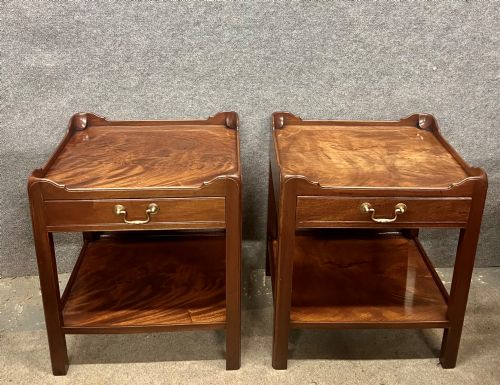
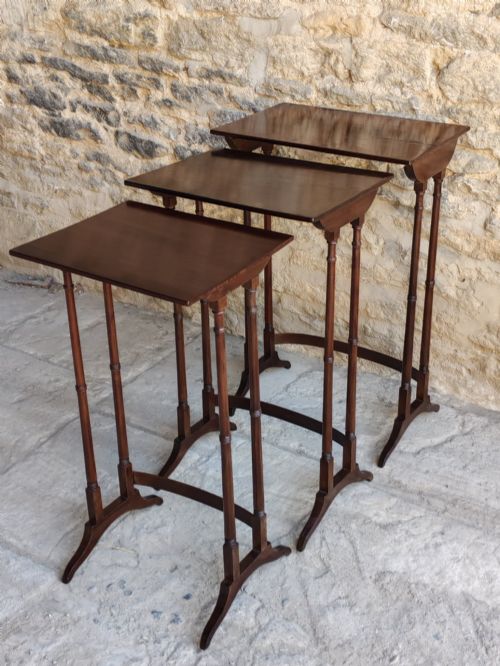
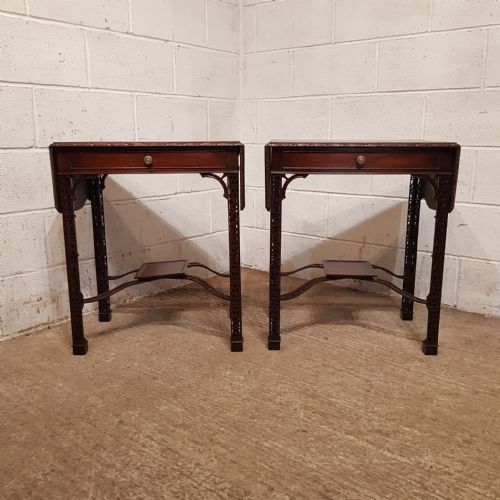
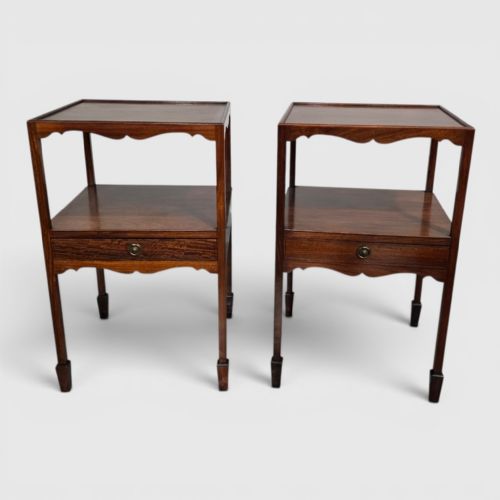
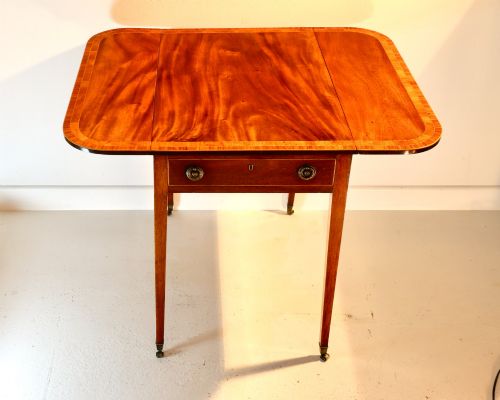
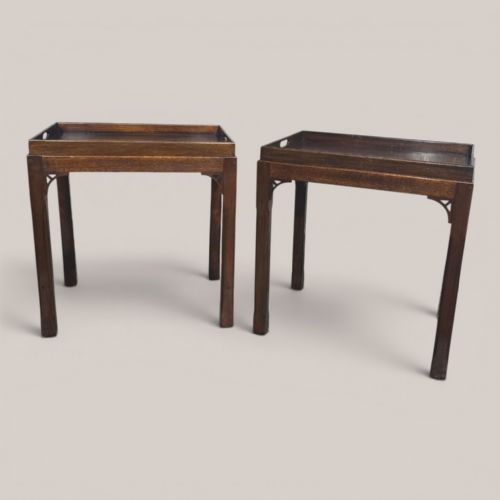
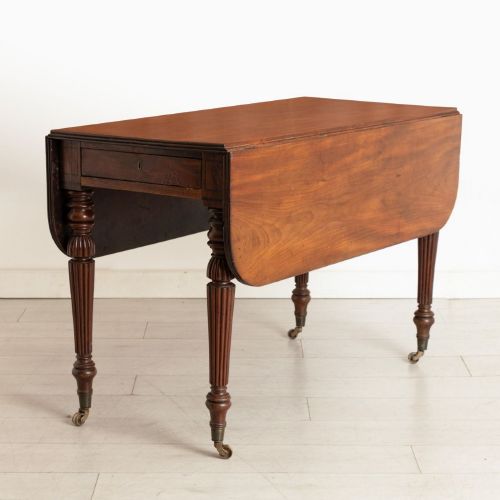
Georgian Mahogany End Table
When you search for a georgian mahogany end table, you find versatile timber pieces spanning side tables, pembroke tables, and lamp stands.
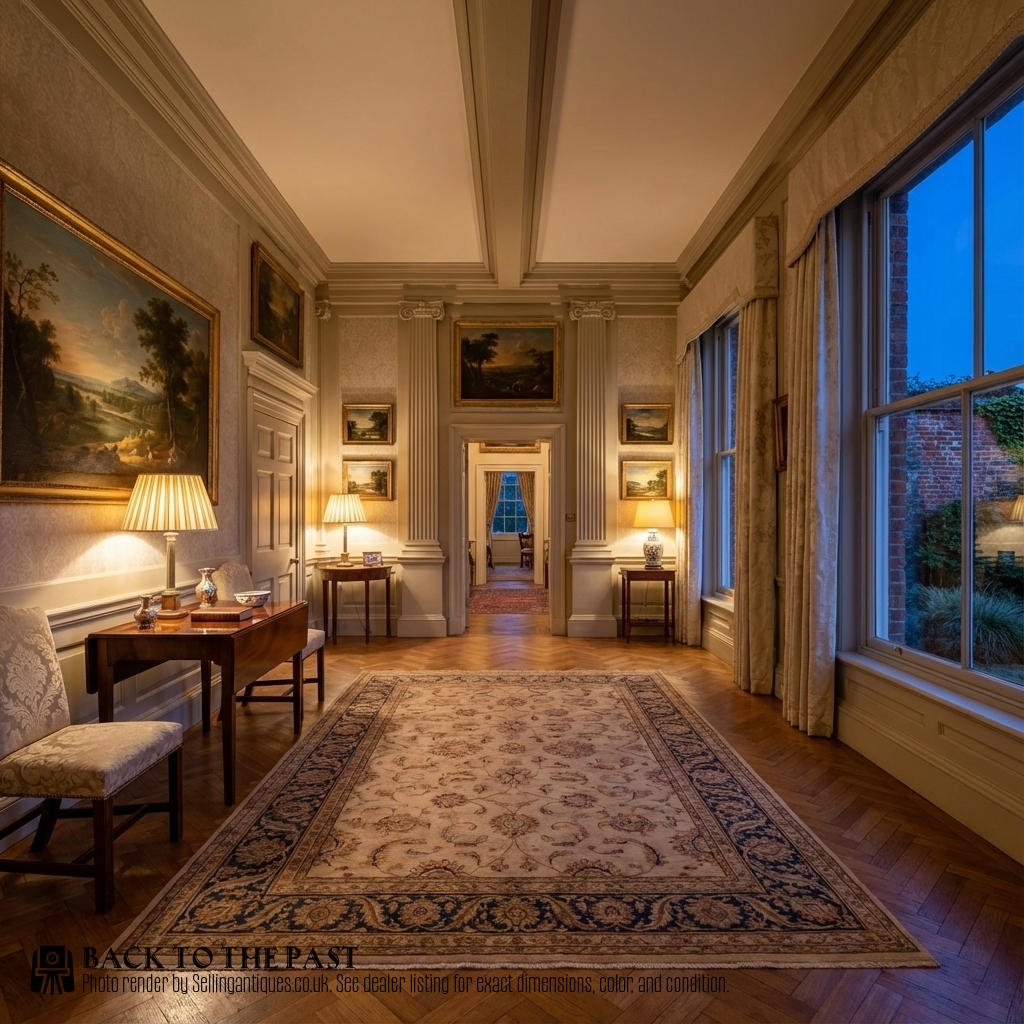
Georgian Mahogany End Table
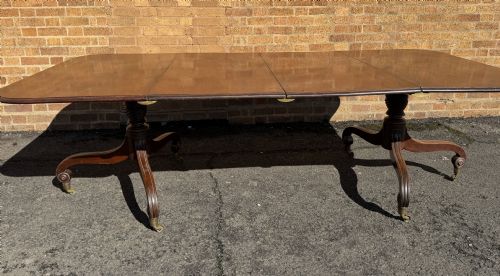
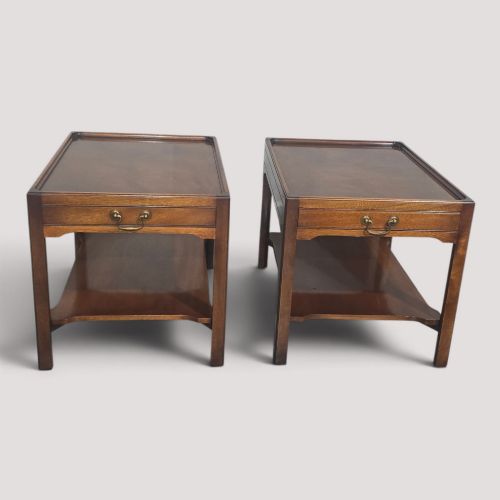
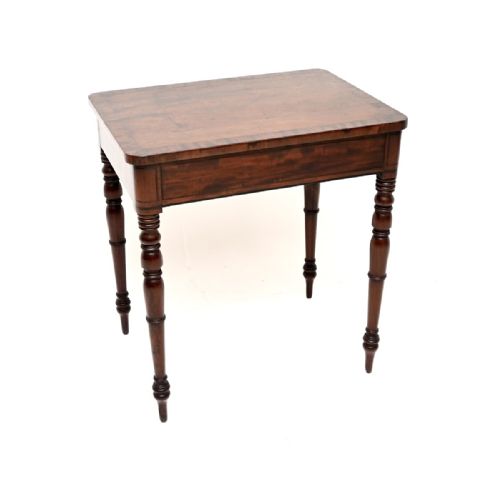
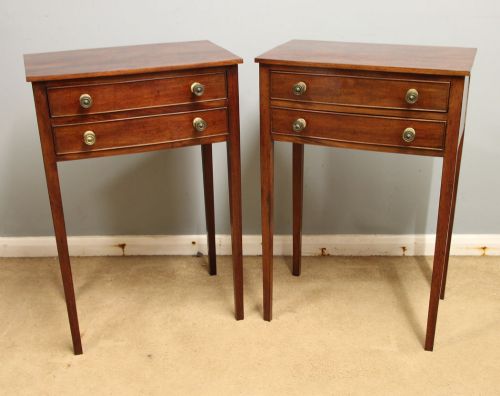
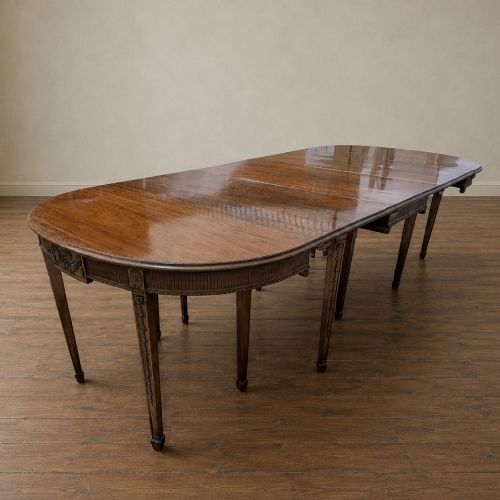
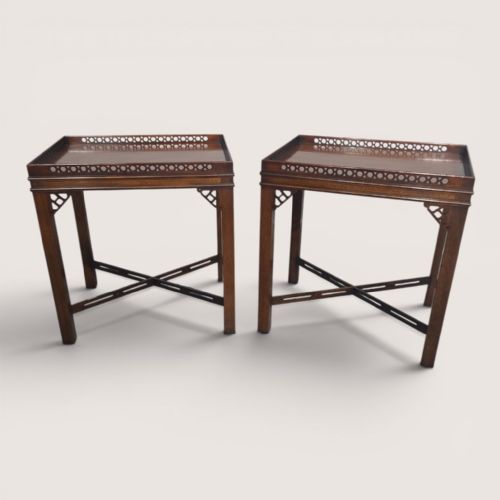
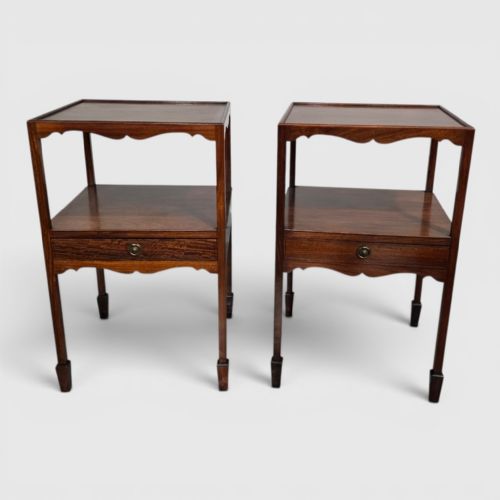
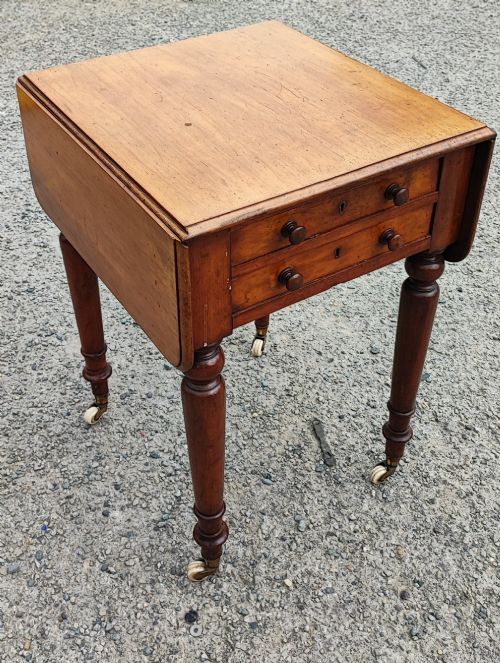
A georgian mahogany end table encompasses various compact timber forms designed for domestic utility across the eighteenth and nineteenth centuries. The selection ranges from occasional side tables and lamp tables to drop-leaf pembroke tables and smaller D-end formats.
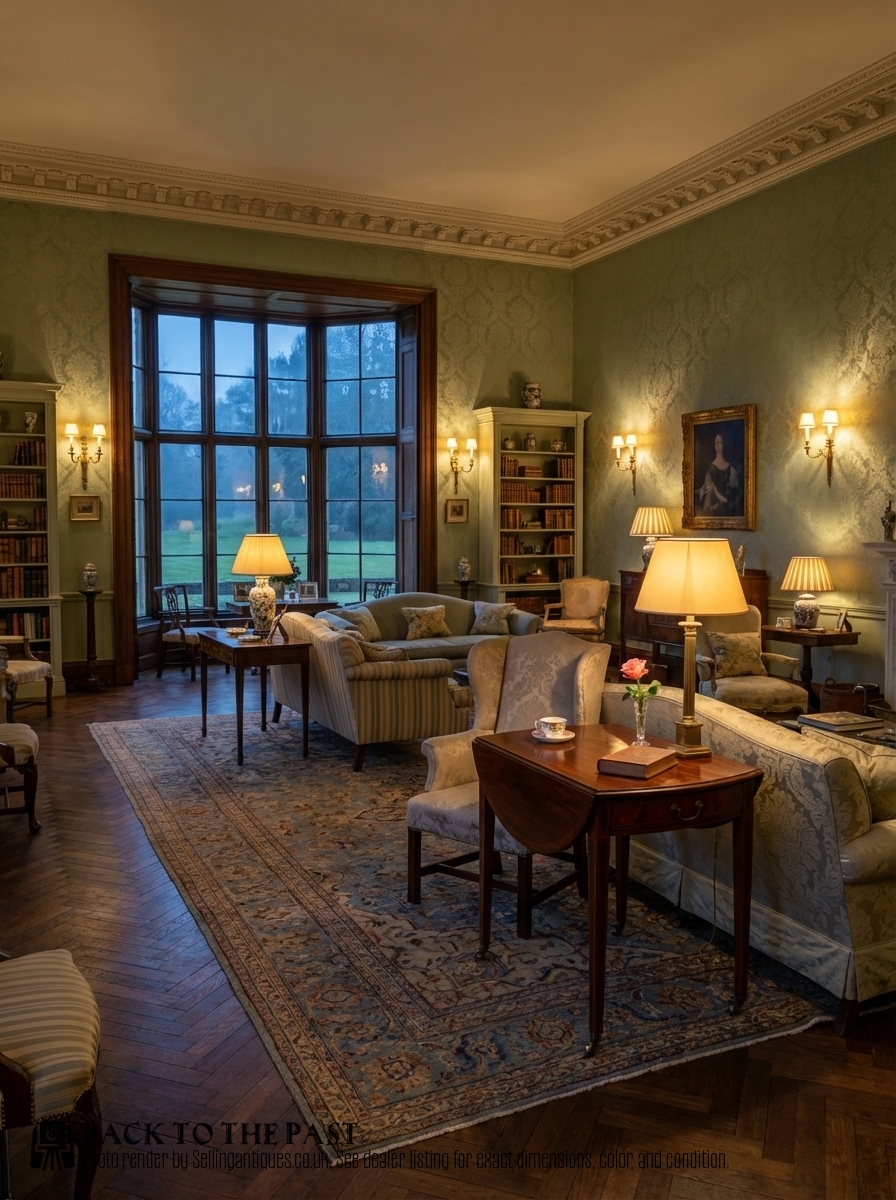
Makers produced these versatile pieces for specific rooms such as the morning room, lounge, or bedroom. Surviving examples include original period items alongside later revivals from the twentieth century.
Buyers encounter numerous pairs and single pieces reflecting stylistic shifts from George III through to the Regency and William IV periods. Formats vary from simple single-drawer designs to spider leg constructions and nest of tables.
How they were made
Craftsmen built these tables using solid mahogany and figured mahogany veneers, frequently incorporating secondary timbers like satinwood for contrast and inlay. Structural elements often rely on traditional joinery techniques suited to drop-leaf mechanisms and pedestal supports.
Surface decoration involves subtle wood inlay, banding, and occasionally leather inserts for writing or serving surfaces. Turned legs, spider legs, and pillar supports provide the structural foundation for the diverse table types.
Georgian Mahogany End Table Retail Price Guide 2026
Typical asking prices for georgian mahogany end table among the pieces listed under this phrase on Sellingantiques today, from the lower quarter to the upper quarter. They describe what is for sale here now, not the wider market.
Listings feature mahogany, satinwood, and leather materials across George III, Regency, and Victorian periods.
What varies in quality
The degree of refinement in timber selection and cabinetwork distinguishes finer examples from standard production pieces. Figured mahogany grain patterns, precise inlay work, and well-balanced proportions indicate superior craftsmanship.
Original period execution differs from later revival pieces through construction depth and material maturity. Details such as drawer linings, hardware integration, and the crispness of carved elements determine the standing of each piece within its period.
Robert Adam·Wilkinson and Wilkinson
The Georgian Mahogany End Table Glossary
- Pembroke table
- A small rectangular table with hinged drop leaves on two sides, often featuring a single drawer. This form gained popularity in the eighteenth century for breakfast or occasional use.
- D-end table
- A dining or console table shaped with semicircular ends that allow it to stand against a wall or join with other sections. These pieces often feature pedestal bases or multiple pillar supports.
- Satinwood
- A durable, yellowish timber native to Ceylon and India, utilised extensively for contrasting stringing and geometric inlay on mahogany furniture. Cabinetmakers prized it for decorative banding.
- Birdcage
- A timber framework beneath a tilt-top table pillar that allows the top to rotate and pivot. This mechanism provides stability and versatility in smaller tripod tables.
- Spider leg
- A slender, delicate leg style utilised on light occasional tables to maximise floor space and minimise visual weight. The construction requires rigid bracing to maintain stability.
Georgian Mahogany End Table: Frequently Asked Questions
What is a georgian mahogany end table used for?
These pieces served multiple domestic functions in period interiors, acting as surfaces for lamps, reading material, or serving tea. Smaller formats suited bedrooms as bedside units, whilst pembroke and drop-leaf versions adapted to changing room layouts.
Their compact scale allowed them to sit beside seating arrangements or against walls as consoles when not extended for use.
How do I date a georgian mahogany table?
Dating relies on examining timber characteristics, construction methods, and stylistic cues from periods like George III, Regency, or William IV. Early pieces display dense figured mahogany and hand-cut joinery, whereas later revivals often incorporate twentieth-century manufacturing markers.
Hardware styles, secondary woods inside drawers, and leg profiles further help separate eighteenth-century originals from nineteenth-century interpretations or later reproductions.
Are these tables solid mahogany?
Many pieces combine solid mahogany frames and legs with flame mahogany veneers applied to tabletops and drawer fronts. Cabinetmakers utilised veneers to showcase striking grain figures that solid timber rarely displayed across a single wide surface.
Secondary timbers such as pine or oak frequently appear in drawer linings and internal framing, which remains standard practice across antique British cabinetmaking.
How do I care for a mahogany table?
Protect the timber surface by avoiding direct sunlight and placing coasters under hot or wet items to prevent finish damage. Regular dusting with a soft, dry cloth preserves the polish without building up residue.
Maintaining stable room humidity prevents the timber and veneer from splitting or warping over time, ensuring the joints remain secure.