
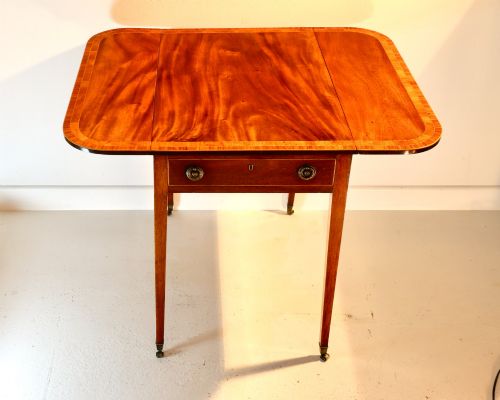


Eighteenth Century Pembroke Table
An eighteenth century pembroke table offers the compact grace of drop-leaf design, making it a versatile piece for refined interiors.
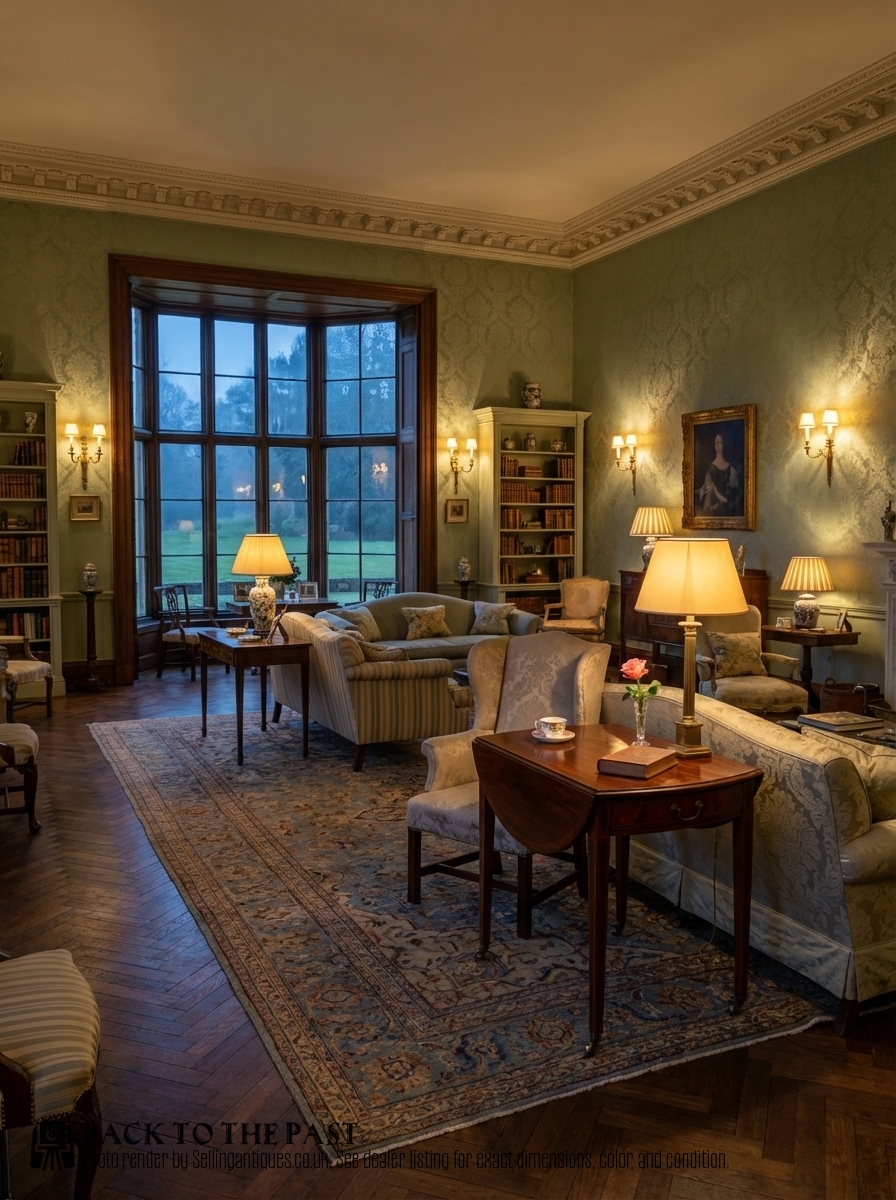
What an eighteenth century pembroke table is
An eighteenth century pembroke table is a small, drop-leaf occasional table designed for versatility and ease of movement within the Georgian home. These pieces typically feature a central rectangular top flanked by two hinged flaps, alongside a single drawer.
The versions most frequently met on this page belong to the Georgian and Sheraton periods, spanning the eighteenth century and around eighteen hundred. They appear in forms such as side tables and lamp tables, constructed with hinged leaves that extend the surface when required.
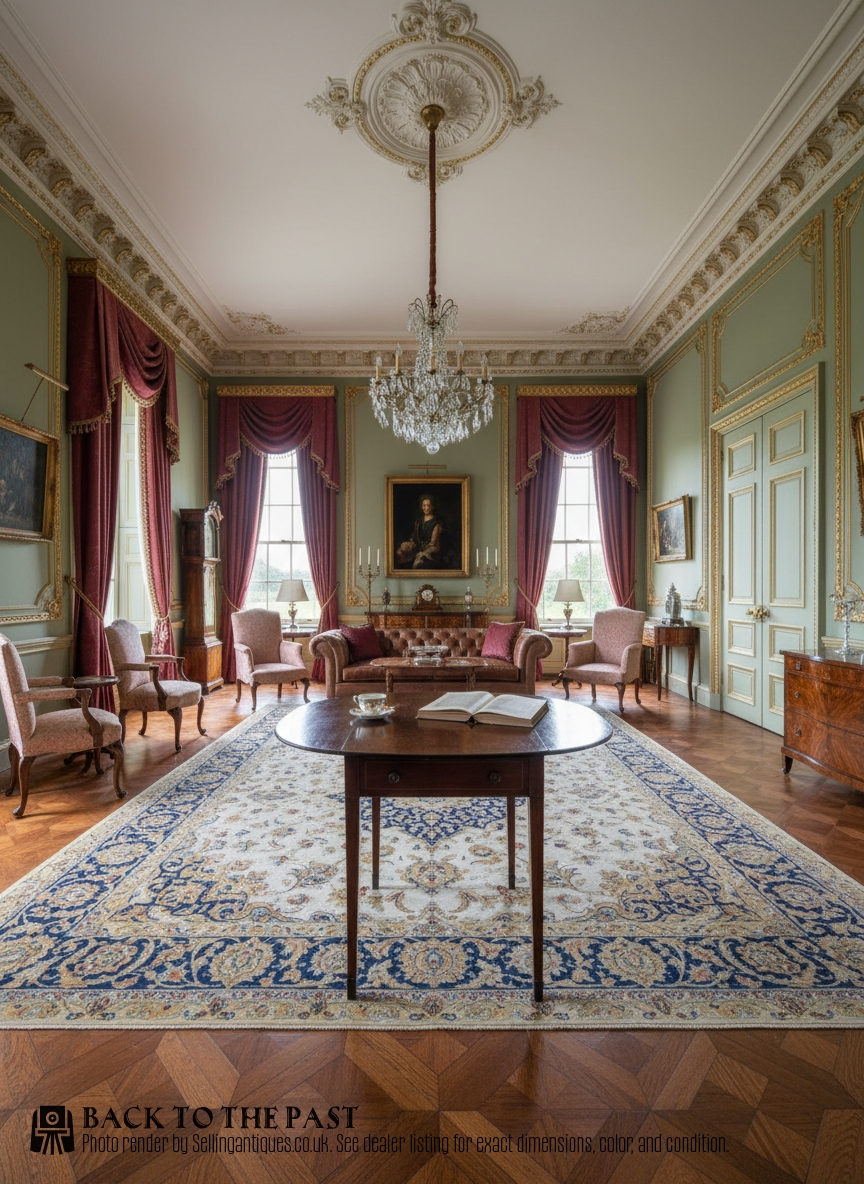
How they were made
Cabinet makers utilised solid timbers and fine veneers, with mahogany serving as a primary structural and surface material. Workshops also incorporated exotic woods such as kingwood and satinwood to create contrasting borders and decorative planes.
Surface ornamentation relied on intricate boxwood and satinwood inlay, alongside painted satinwood decoration. Brass fittings, including castors and drawer pulls, completed the construction of these drop-leaf tables.
Retail Price Guide 2026
Typical UK retail prices for eighteenth century pembroke table, calculated from the Sellingantiques database of over a million retail prices indexed since 2003. This retail price guide relies exclusively on Sellingantiques data; no external sources or auction records are used, so the figures do not describe the wider market.
Listings feature eighteenth century and eighteen hundred pieces in mahogany, satinwood, kingwood, and boxwood.
What varies in quality
The distinction between standard examples and the top of the range rests on the ambition of the timber selection and the precision of the cabinet work. Finer pieces display carefully chosen mahogany or figured kingwood, paired with sophisticated banding and satinwood inlay.
Detailing in the painted decoration and the subtlety of Sheraton period design elevate certain tables above simpler utility pieces. The integration of brass hardware and the crispness of the drop-leaf hinges further define the standard of execution.
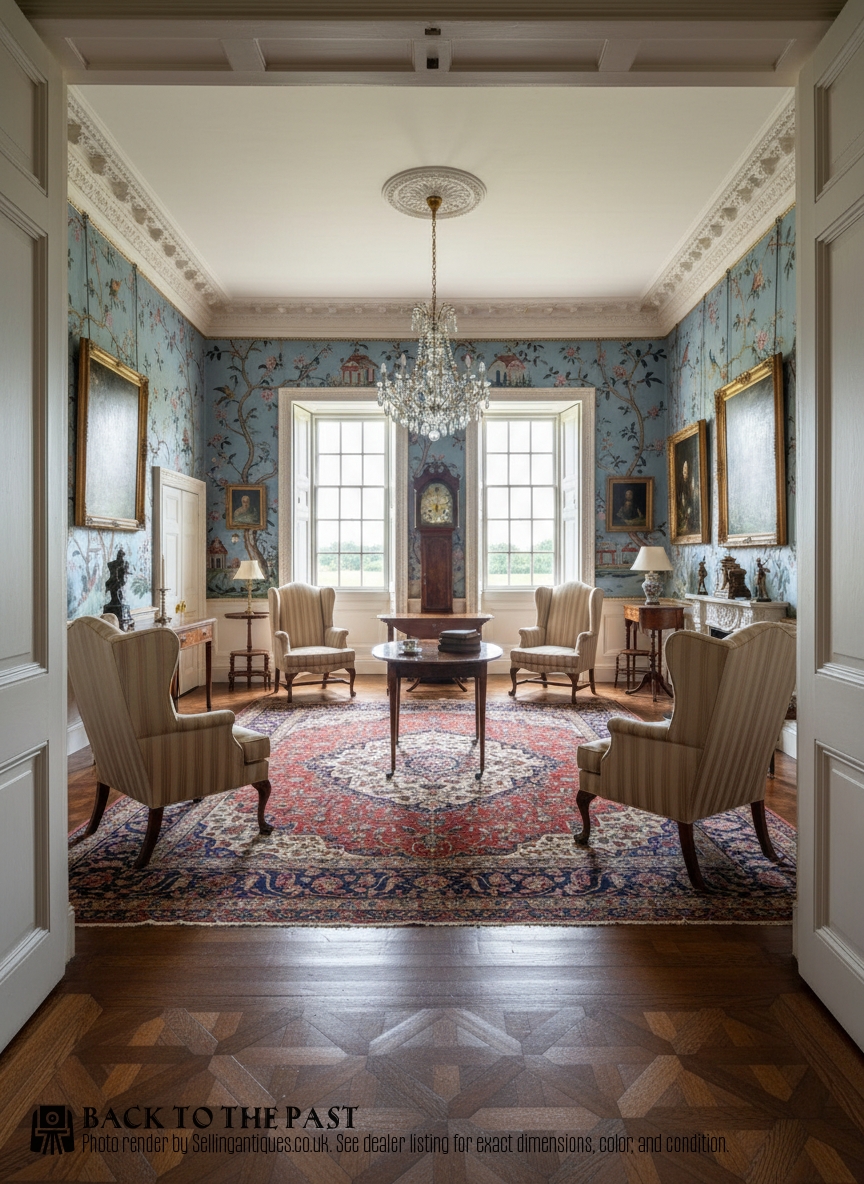
The Eighteenth Century Pembroke Table Glossary
- Drop-leaf
- A table design featuring a fixed centre section with hinged flaps on either side that can be raised or lowered.
- Banding
- A narrow strip of contrasting veneer applied around the edges of a table top to create a decorative border.
- Inlay
- The technique of inserting pieces of contrasting wood into a recessed surface to form decorative patterns.
- Lamp table
- A small occasional table intended to hold a lighting fixture, often matching the scale of a pembroke table.
- Sheraton
- A neoclassical furniture style of the late eighteenth century characterised by straight lines and classical motifs.
Frequently Asked Questions
What is a pembroke table?
A pembroke table is a compact drop-leaf table with hinged flaps on two sides and a drawer, designed during the eighteenth century for versatile domestic use.
These pieces function easily as side tables or lamp tables within a room.
How were eighteenth century tables used?
Owners utilised these tables as movable surfaces for writing, sewing, or placing lamps where needed in the home.
The drop-leaf mechanism allowed the furniture to expand for tasks and contract to save space against a wall.
What woods appear on these tables?
Cabinet makers used primary timbers such as mahogany alongside decorative woods including kingwood and satinwood.
Details often include boxwood and satinwood inlay to accent the surfaces.
How do I identify a Sheraton period piece?
Sheraton design from around eighteen hundred shows refined geometry, straight tapered legs, and precise satinwood inlay.
These characteristics distinguish the style from earlier heavier Georgian forms.
Are these tables suitable for small rooms?
Their compact footprint and adjustable drop leaves make them ideal for modern spaces that require flexible furniture arrangements.
They fit neatly against walls when folded down.