







Georgian Drop Flap Nightstand
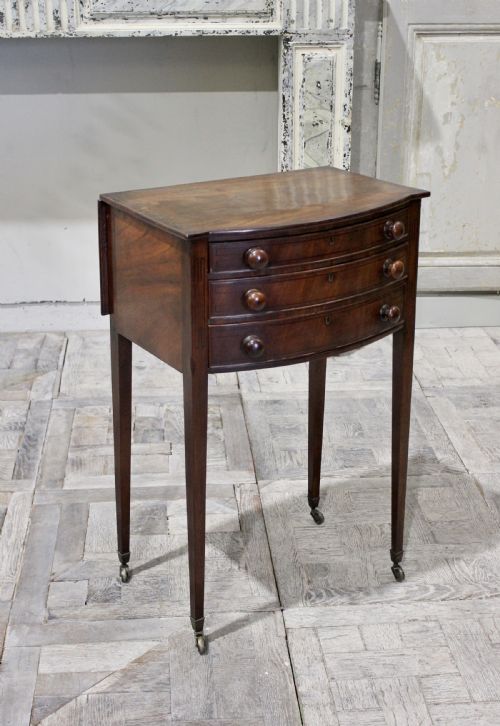
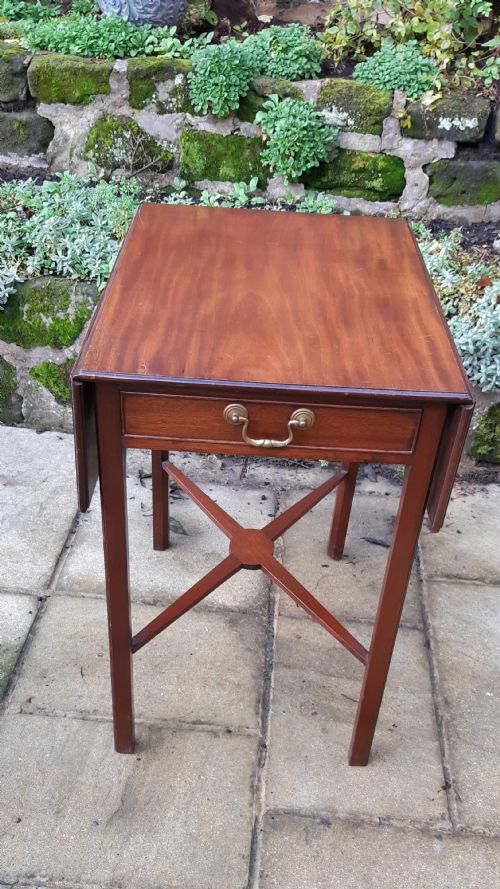
A georgian drop flap nightstand brings compact versatility to a bedroom, offering folding leaves and hidden storage rooted in eighteenth-century craftsmanship.
Georgian Drop Flap Nightstand
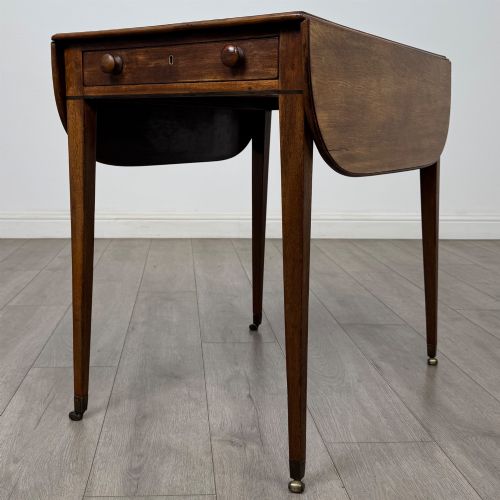
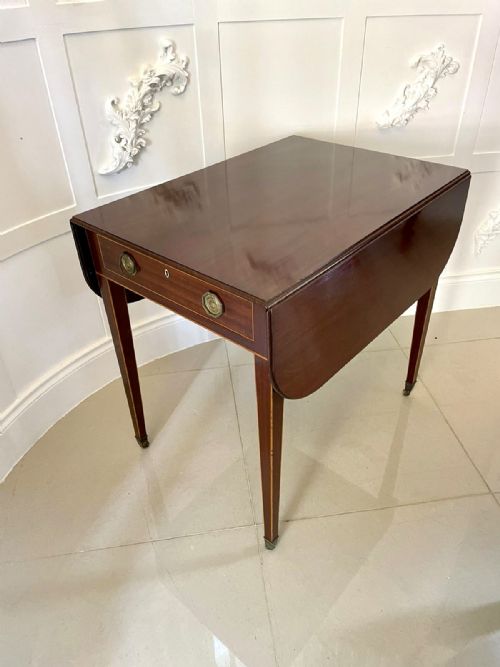
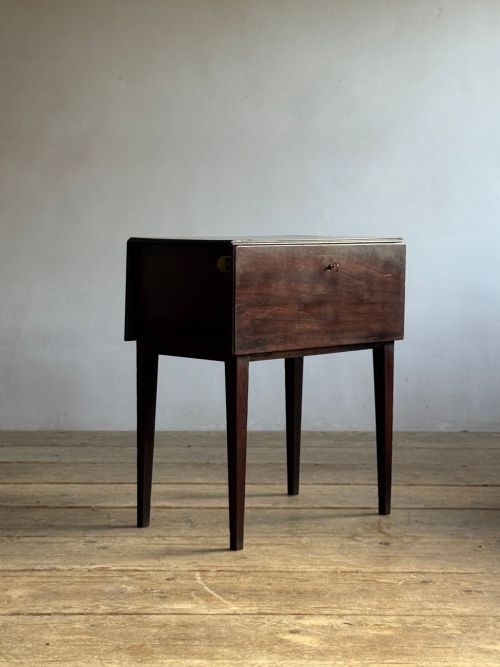
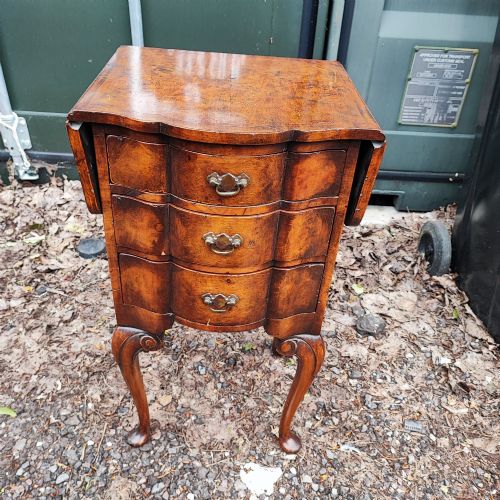
The search phrase georgian drop flap nightstand covers nimble timber tables and bedside cabinets equipped with folding leaves, drawers, and flap tops originating across the Georgian, Victorian, and early twentieth-century periods.
Buyers encountering this page will primarily discover mahogany and walnut pembroke tables, occasional tables, and bedside cabinets featuring drop leaves and compact proportions designed for domestic utility.
Origins span authentic eighteenth-century examples alongside later revival pieces from the nineteenth and early twentieth centuries, reflecting enduring demand for versatile small-scale wooden furniture.
How they were made
Cabinetmakers constructed these tables predominantly from solid mahogany, Cuban mahogany, and walnut, frequently incorporating satinwood and wood inlay to accent the surfaces.
Structural support relies on finely turned legs, spider-legs, and drop leaves hinged with brass hardware, allowing the side flaps to raise and lower smoothly.
Master joinery techniques secured the drawers and folding mechanisms, ensuring durability alongside the delicate proportions characteristic of side and bedside tables.
Spider-legged tables offer astonishingly slender supports that manage to hold up tea things and bedtime reading with quiet British confidence.
What varies in quality
Differentiation across the range rests on the selection of timber, distinguishing standard mahogany from deeply figured Cuban mahogany and rich walnut.
The refinement of the joinery and the execution of wood inlay determine the sophistication of an individual piece, separating straightforward utilitarian items from exceptional examples.
The Georgian Drop Flap Nightstand Glossary
- Pembroke table
- A small side table featuring two hinged drop flaps on opposite sides, designed for versatile placement and light domestic use.
- Cuban mahogany
- A dense, highly figured tropical timber prized by eighteenth-century cabinetmakers for its rich grain and dark lustre.
- Drop leaf
- A hinged section of a table top that can be folded down to save space or raised to expand the surface area.
- Wood inlay
- Decorative ornamentation created by fitting contrasting pieces of wood into recessed portions of a timber surface.
Georgian Drop Flap Nightstand: Frequently Asked Questions
What is a georgian drop flap nightstand?
These pieces are compact wooden tables and cabinets featuring folding leaves, designed to provide flexible surface space and storage within domestic chambers.
They encompass period pembroke tables, occasional tables, and bedside cabinets built from mahogany and walnut during the eighteenth century and subsequent revival eras.
How were these tables used originally?
In historical interiors, such tables served as flexible furnishings for bedrooms and sitting rooms, easily moved and adjusted as daily needs shifted.
The folding flaps allowed owners to expand the surface for writing or placing lamps, then drop the leaves to save floor space when not in use.
How do I identify a period piece?
Dating relies on examining the timber species, joinery methods, and hardware integration, noting the prevalence of Cuban mahogany and hand-turned legs in eighteenth-century work.
Revival pieces from later eras often adopt earlier styles like Chippendale or Queen Anne, utilising similar forms while displaying distinct construction characteristics.
How do I style a drop flap table today?
These adaptable tables fit neatly beside beds or sofas, where their folding leaves accommodate lamps, books, or decorative objects without dominating the room.
Their compact proportions and warm wood tones allow them to complement both traditional interiors and more modern spaces as accent furniture.