



Boxwood Inlay Table
A boxwood inlay table brings crisp linear contrast to mahogany and walnut furniture through pale wood details.
Boxwood Inlay Table
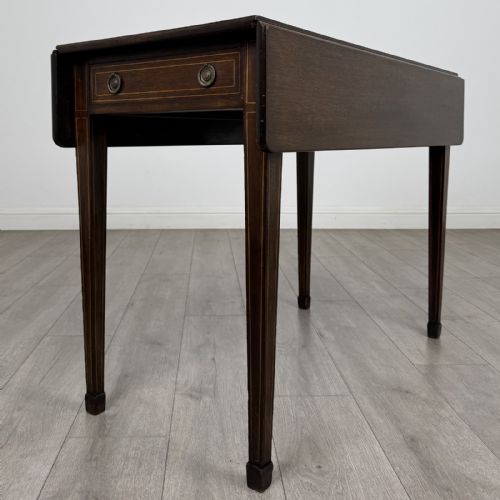
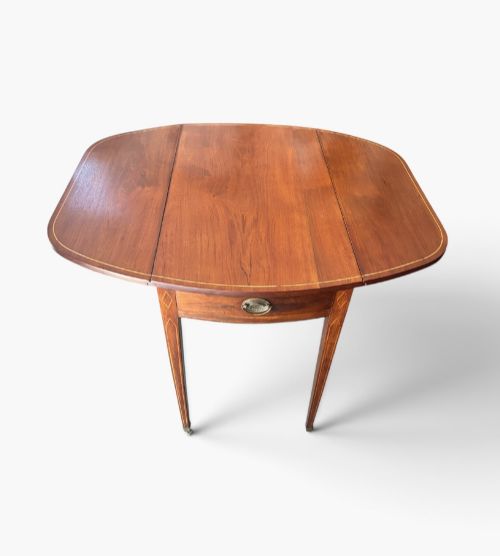
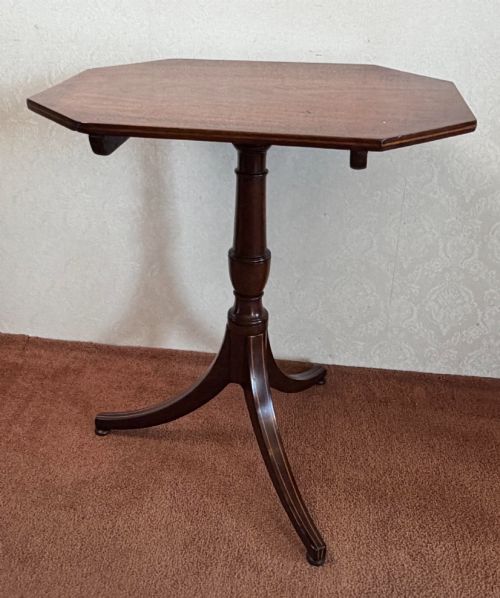
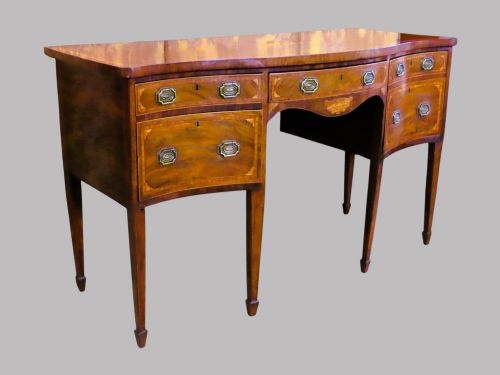
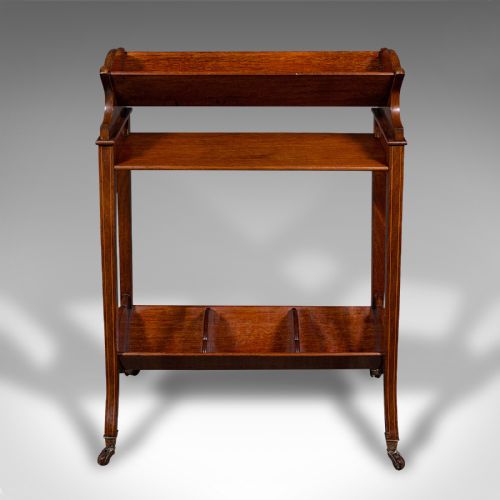
The forms vary across occasional tables, tea tables, games tables, tripod tables, and Pembroke tables. A buyer meeting these pieces will frequently encounter mahogany and walnut as the primary timbers used for the structure.
Originating largely from 19th-century workshops and the Edwardian era, these tables served practical daily functions in domestic interiors. They combine functional surfaces with ornamental stringing or figurative motifs rendered in boxwood.
How they were made
Cabinet makers constructed the primary carcass and tops using dense timbers like mahogany and walnut, providing a dark ground for contrast. Boxwood was then sliced thinly and set into precision-cut channels to form delicate lines and decorative borders.
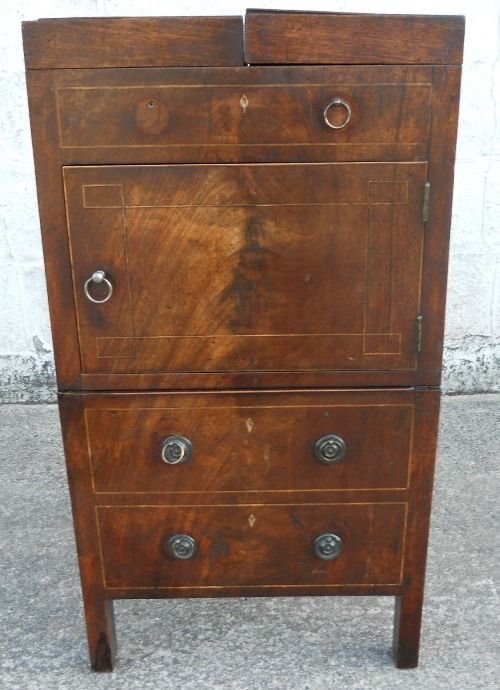
Inlaid sections often combined boxwood with darker stringing or brass accents, particularly on Regency and Victorian examples. Surfaces were finished to highlight the natural grain of the primary wood against the pale insertion of the boxwood inlay.
Listings feature mahogany, walnut, and brass combined with boxwood inlay across occasional, tea, and Pembroke table forms.
What varies in quality
The precision of the cabinet work and the crispness of the inlaid boxwood determine the standing of each piece. Finer examples display tight joints, evenly matched timber grains, and intricate stringing that remains flush with the surrounding surface.
Proportion and the restraint of the design separate standard production from superior craftsmanship. Tables with balanced tripod legs or well-formed Pembroke flaps show greater attention to structural harmony and material selection.
The Boxwood Inlay Table Glossary
- Boxwood inlay
- A decorative technique where pale boxwood is fitted into recesses carved into a darker timber surface. It creates sharp linear contrast and geometric or floral patterns.
- Pembroke table
- A small rectangular table with two hinged drop leaves on opposing sides. It often includes a single drawer and slender legs.
- Tripod table
- A small round or oval table supported by a central pillar resting on three spreading feet. Many examples feature a tilt-top mechanism.
- Stringing
- A narrow strip of contrasting wood inlaid into the surface of furniture to form delicate borders or outlines. It is commonly executed in boxwood.
- Occasional table
- A small, movable table designed for specific minor uses around a room. The category includes tea tables, lamp tables, and wine tables.
Boxwood Inlay Table: Frequently Asked Questions
What periods do these tables come from?
The available pieces span the Regency, Victorian, and Edwardian eras, alongside Georgian and Georgian Style works.
Most examples date from the 19th century through to the early 20th century.
What woods are typically used?
Mahogany and walnut form the primary timbers for the structures and table tops across these listings.
Boxwood is utilised specifically for the pale inlaid lines and decorative motifs.
How were Pembroke tables used?
Pembroke tables served as versatile furniture that could expand with drop leaves when needed.
They functioned as breakfast tables, writing surfaces, or occasional tables in sitting rooms.
Where does the boxwood contrast appear?
Boxwood inlay appears on table tops, legs, and borders to create crisp geometric or linear patterns.
It provides a pale yellow-white contrast against dark mahogany or walnut grounds.