

Georgian Mahogany Corner Cupboard
A georgian mahogany corner cupboard turns dead room into display space, offering deep shelving framed in rich timber.
What They Are
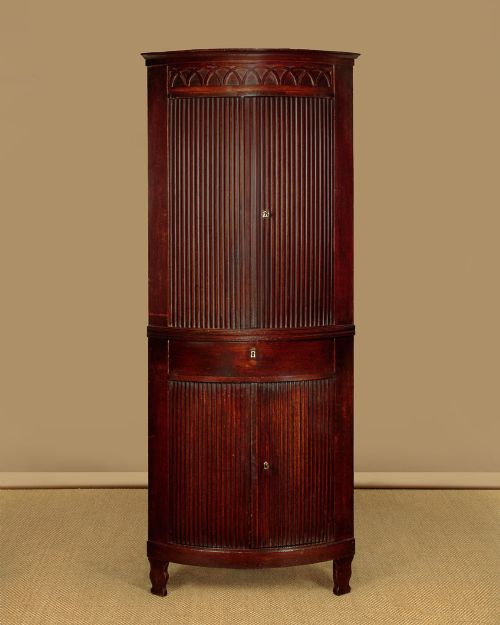
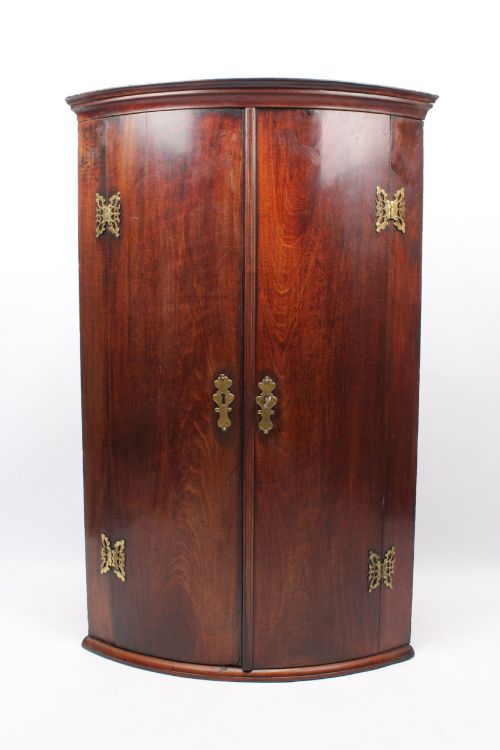
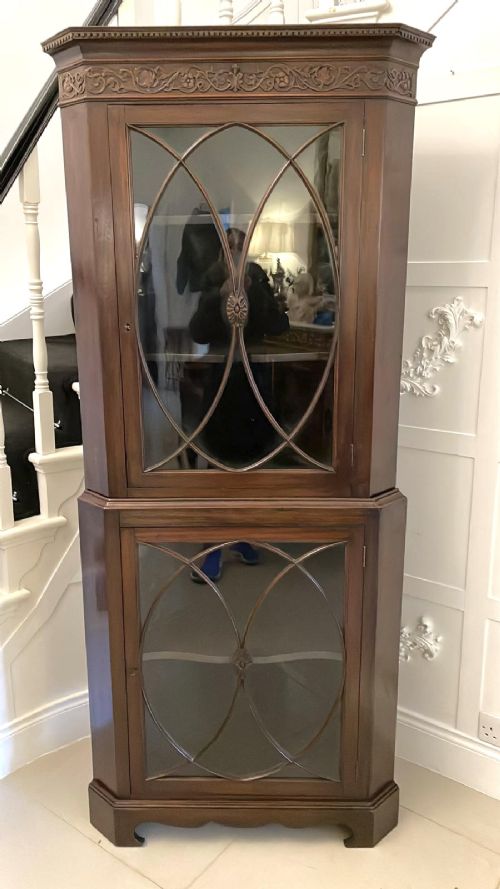
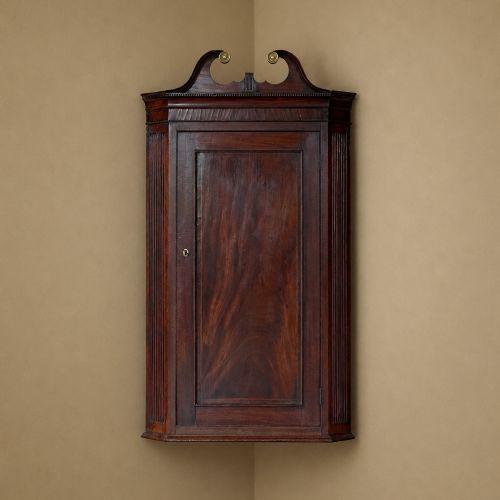
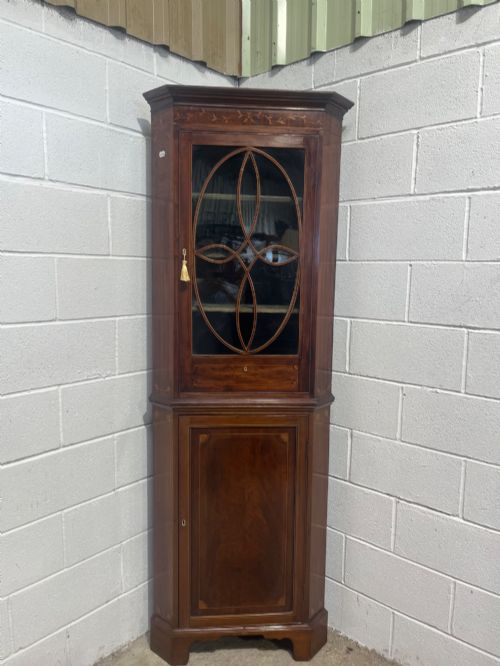
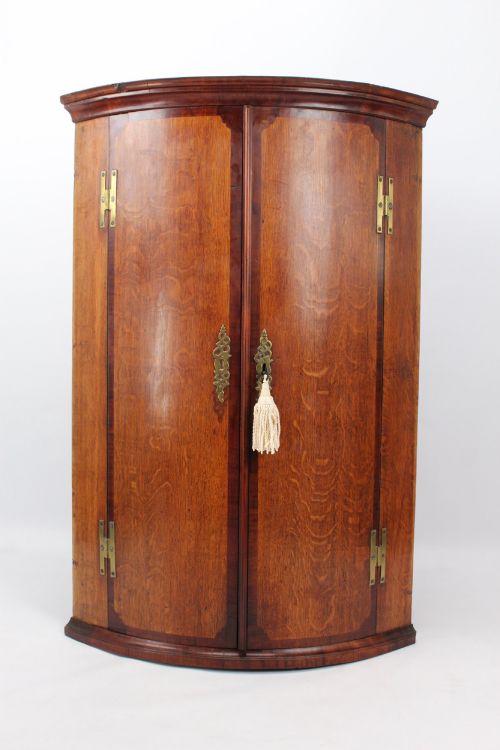
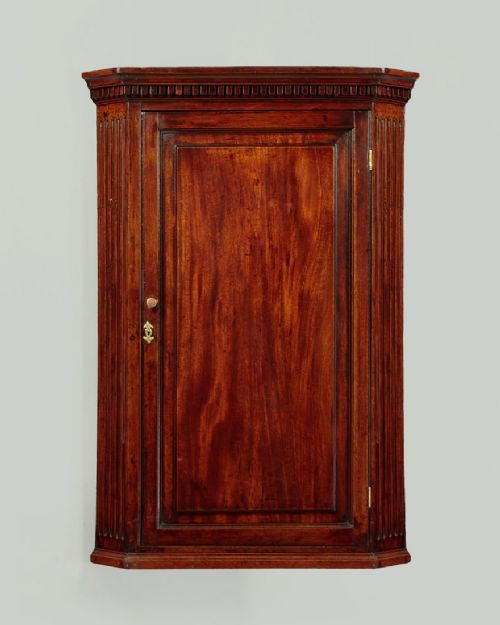
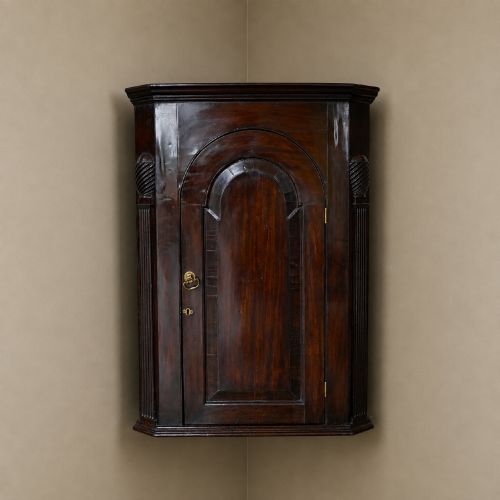
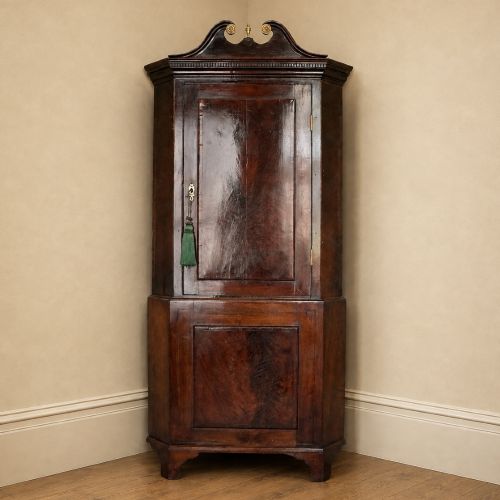
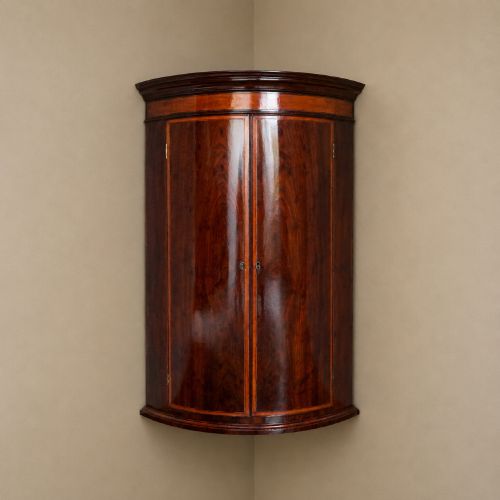
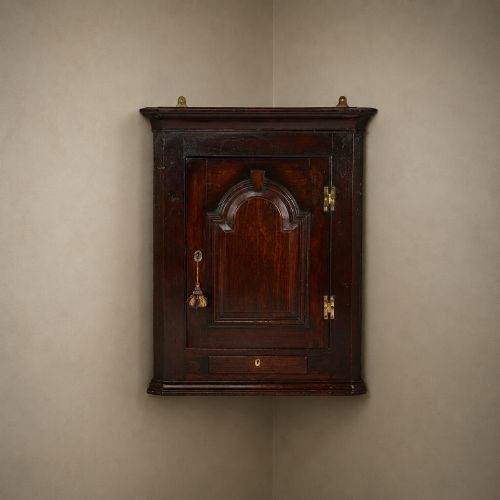
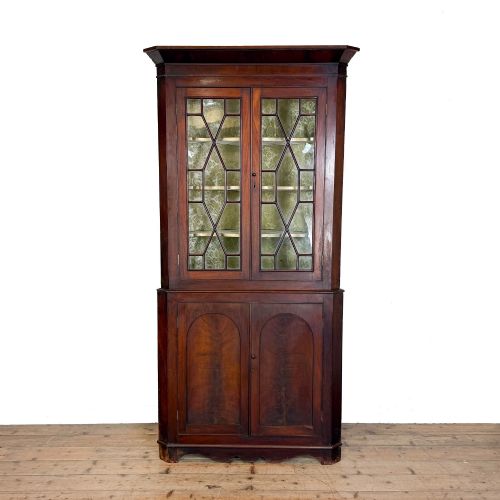
A georgian mahogany corner cupboard is a fitted storage cabinet designed to occupy empty wall intersections in domestic rooms. These pieces appear most frequently in wall-hanging formats with single bow-front doors, though standing floor variants also exist in the record.
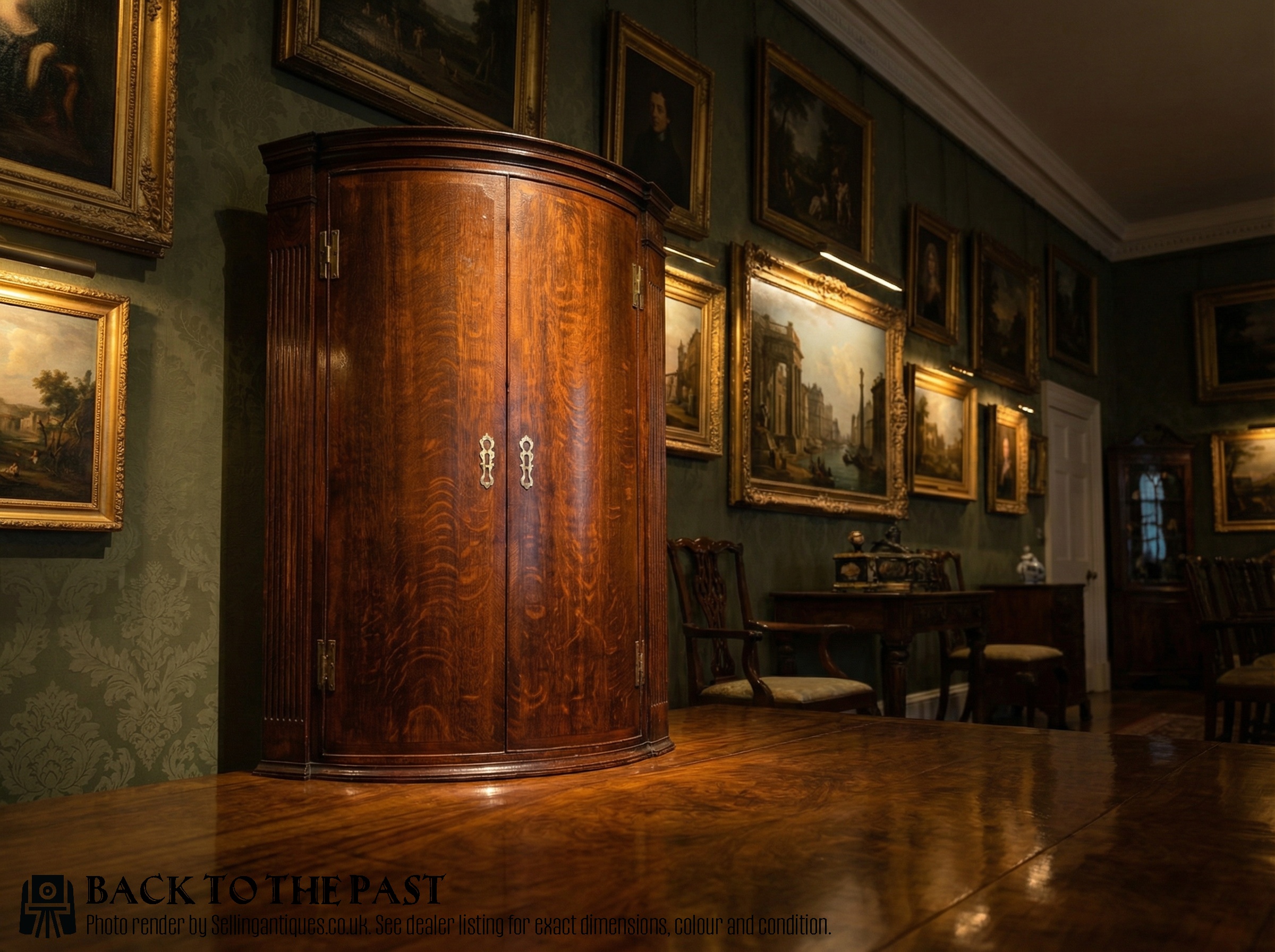
The objects span the eighteenth and early nineteenth centuries, covering the Georgian, George III, and Regency eras. Many examples adopt a curved bow or barrel front to soften the rigid right angle of the room.
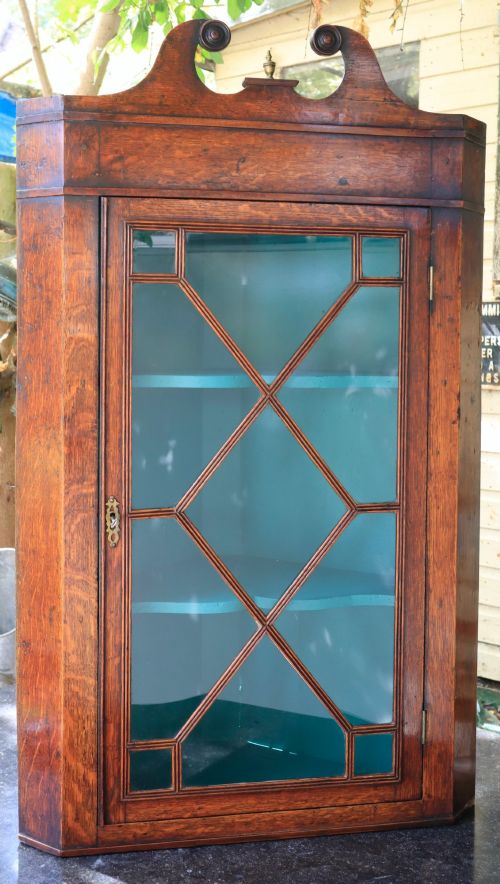
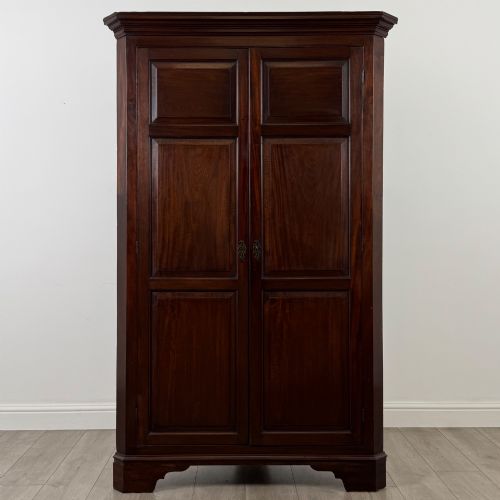
Makers produced both wall-mounted cabinets and larger double or floor-standing furniture. Secondary timbers such as oak frequently support the primary mahogany structure in carcases and internal framing.
What Varies in Quality
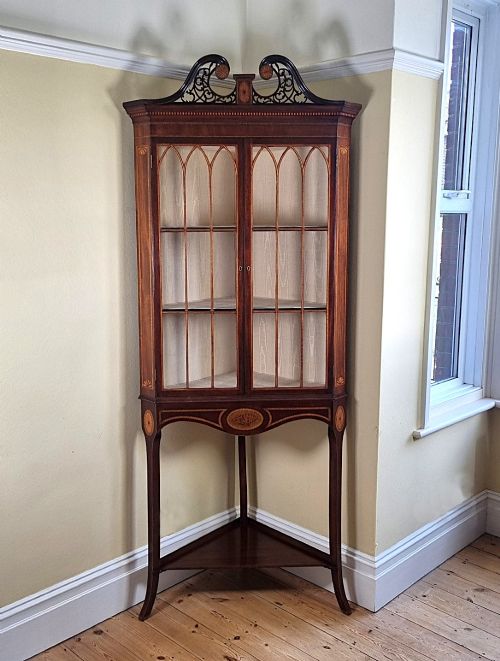
The grain pattern of the timber dictates visual impact, ranging from straight mahogany boards to highly figured flame or plum pudding surfaces. Superior execution shows in the crispness of boxwood stringing and the precise joinery of curved bow fronts.
Internal arrangement separates standard cupboards from elaborate ones. Cabinets featuring fitted spice drawers, multiple tiers, or double-door construction demonstrate greater ambition from the original workshop.
Retail Price Guide 2026
Typical UK retail prices for georgian mahogany corner cupboard, calculated from the Sellingantiques database of over a million retail prices indexed since 2003. This retail price guide relies exclusively on Sellingantiques data; no external sources or auction records are used, so the figures do not describe the wider market.
Evidence shows makers combined mahogany with oak carcases and boxwood inlay.
The Georgian Mahogany Corner Cupboard Glossary
- Bow front
- A convex, outwardly curved front facade that softens the sharp angles of a corner cabinet. This curved profile requires skilled shaping of the timber staves.
- Stringing
- A narrow inlay of contrasting wood, such as boxwood, set flush into the surface to create decorative borders. It defines panels and edges on finer cabinets.
- Flame mahogany
- A wood veneer figure resembling flickering flames, harvested from the fork of the mahogany tree. It appears on higher-status decorative surfaces.
- Carcase
- The main structural body of a cabinet without doors or hardware. Internal shelving and backboards are fitted directly into this wooden frame.
Frequently Asked Questions
Where should I hang my corner cupboard?
These cabinets suit dining rooms, hallways, or living spaces where floor area is limited. They anchor cleanly into two meeting walls.
Ensure the wall construction can support the weight of solid timber and stored contents before mounting.
How do I identify a bow front cabinet?
Look at the front doors, which curve outward in a gentle arc rather than sitting flat across the corner. This shape maximises internal volume.
Most surviving examples from the Georgian period adopt this curved barrel form.
What timber was used inside these cupboards?
Makers frequently employed oak for secondary parts such as backboards, drawer linings, and internal framing. Mahogany served as the primary face timber.
This combination provided structural strength while displaying decorative wood on the exterior.
Did these cabinets have interior drawers?
Some versions include small interior drawers positioned beneath the main shelving tiers. These compartments served for storing spices or small valuables.
Cabinets with internal drawers usually represent more detailed workshop production.