
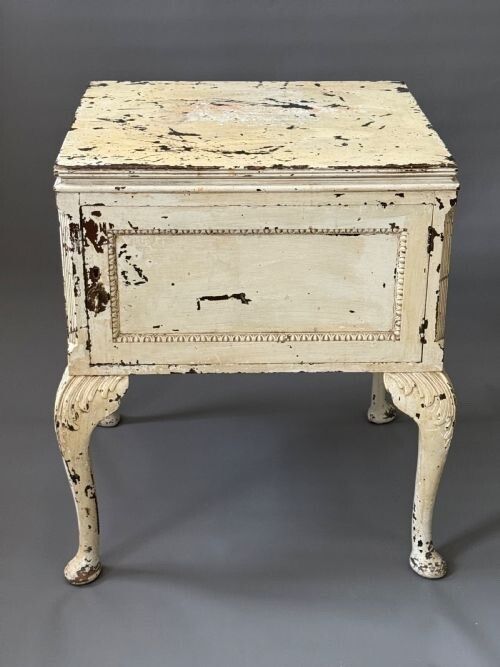
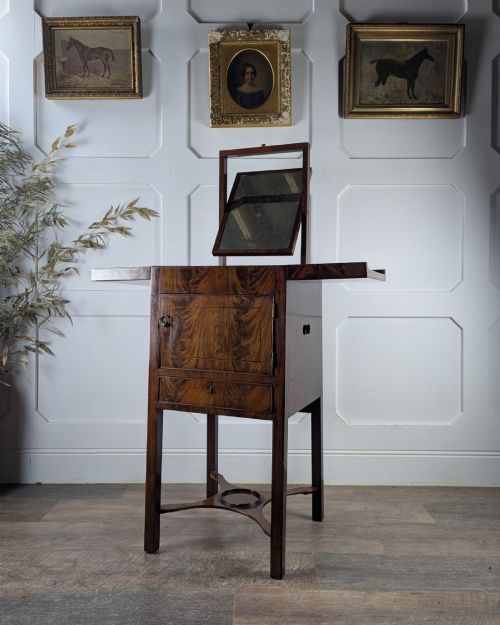
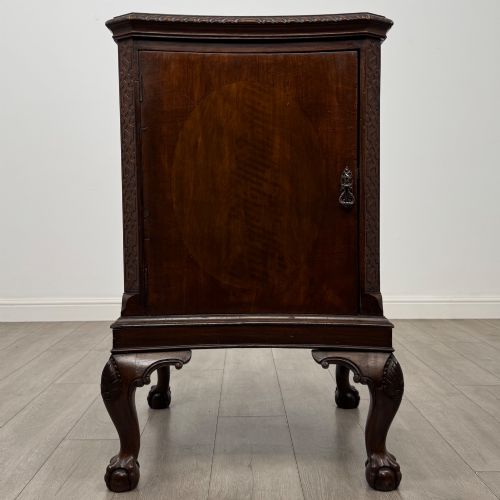
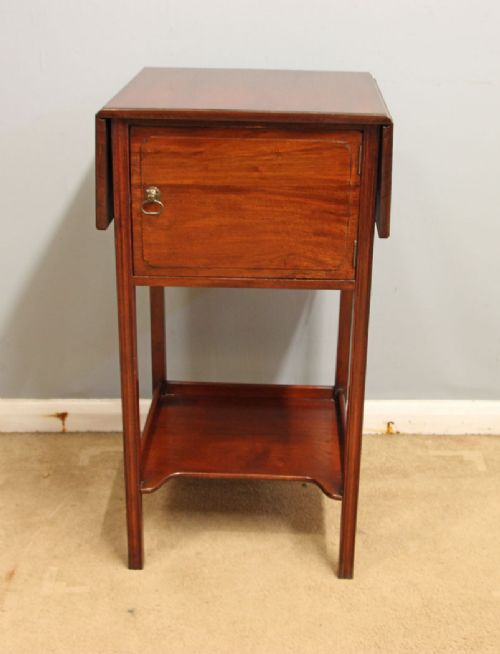
Georgian Mahogany Bedside Cabinet
A georgian mahogany bedside cabinet brings practical storage and rich timber grain to a bedroom.
Georgian Mahogany Bedside Cabinet
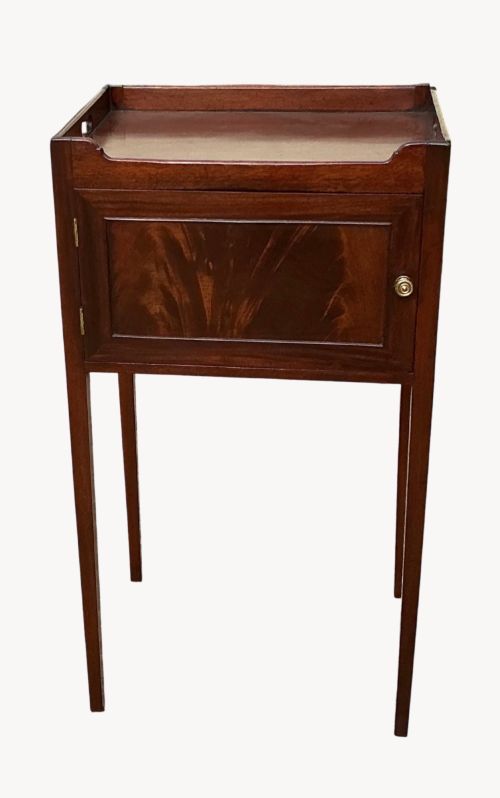
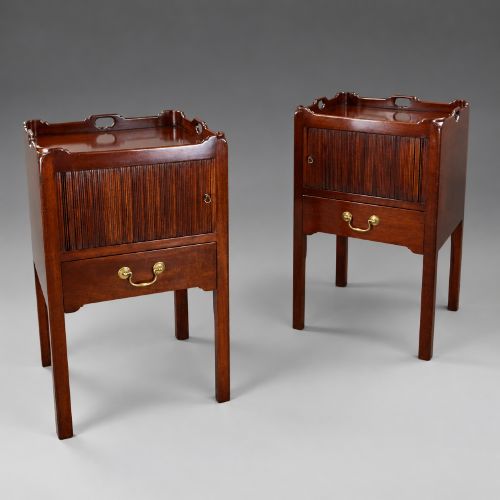
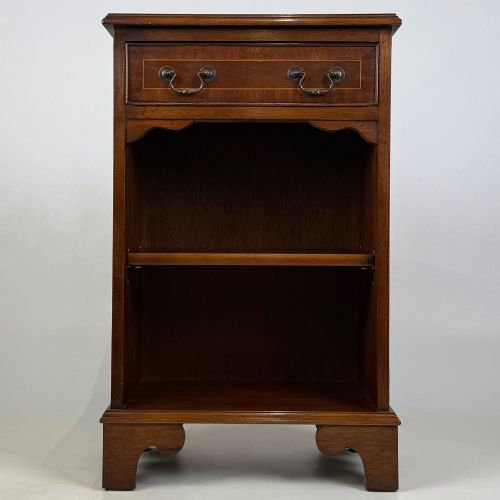
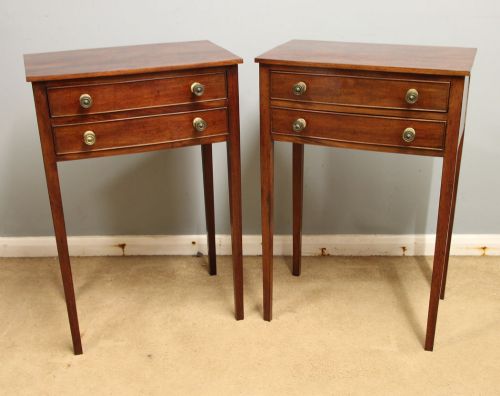
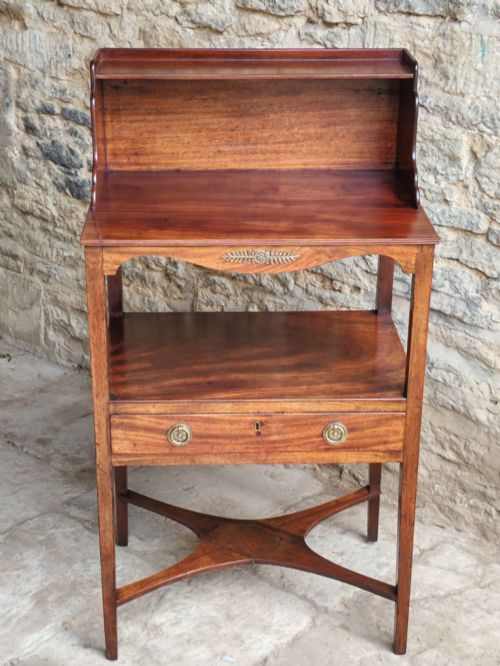
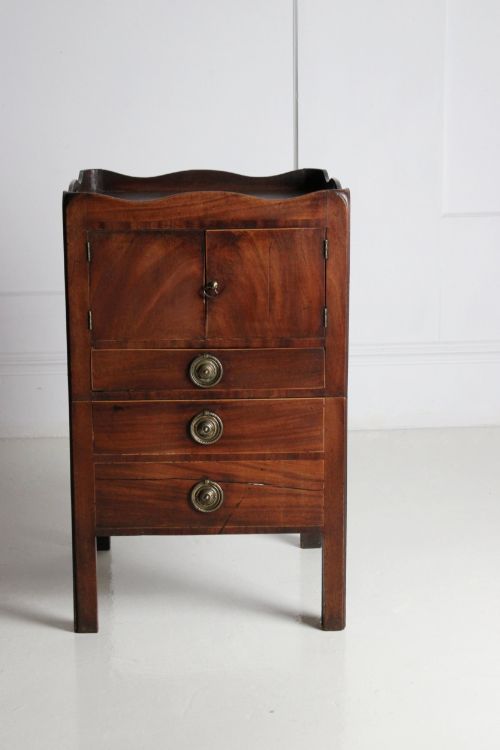
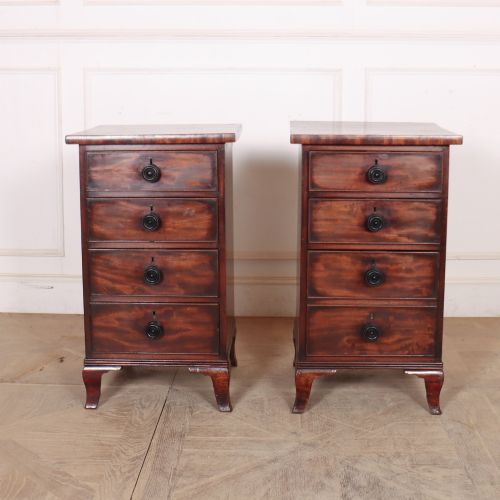
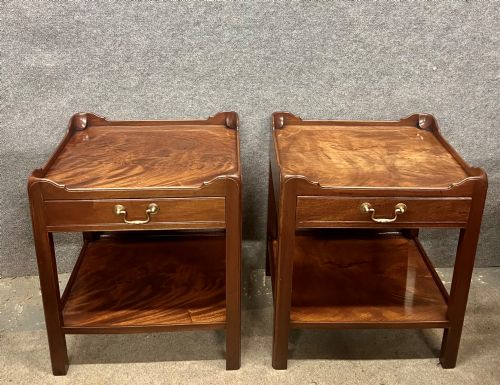
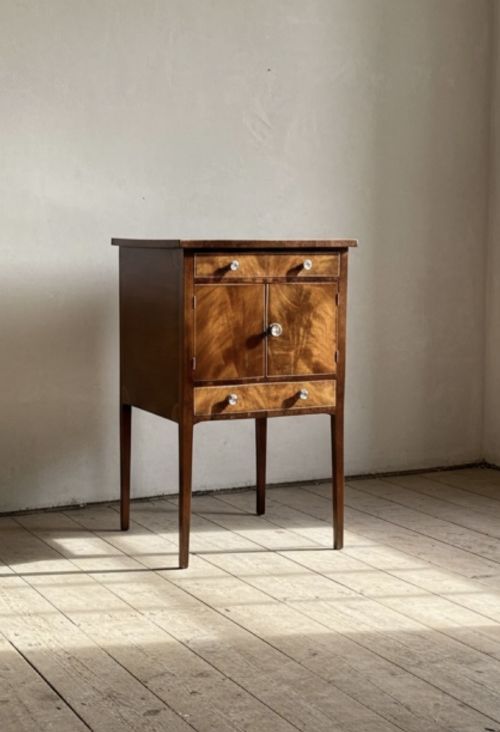
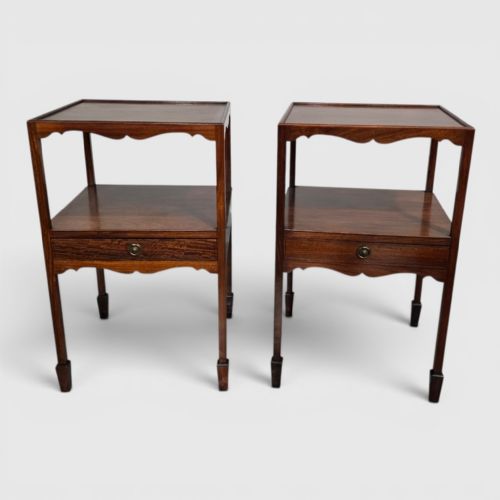
When searching for a georgian mahogany bedside cabinet, a buyer encounters pieces designed for the bedroom from the Georgian era alongside later revivals. The form varies from enclosed cupboards and pot cupboards to tray top commodes and small tables.
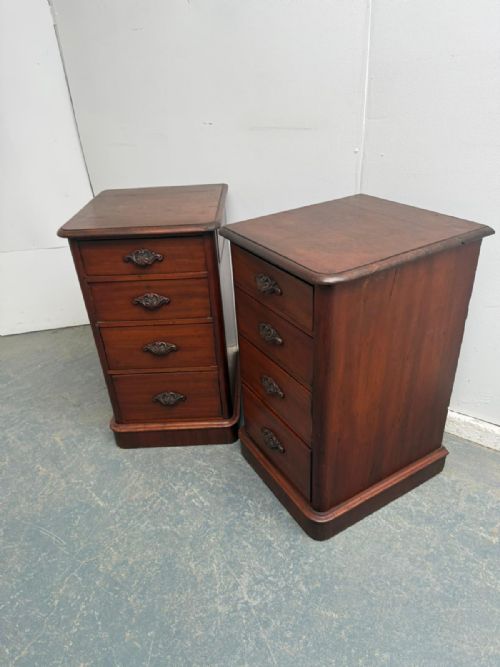
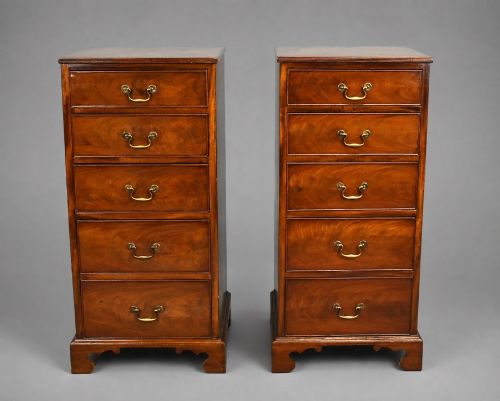
Most examples originate from the eighteenth and nineteenth centuries, with later interpretations spanning the Edwardian period and the 1930s. The selection includes single items, matched pairs, and tall bedside chests utilised for bedside storage.
Makers produced variants featuring drawers, folding tops, and corner designs to suit different chamber layouts. These items frequently appear under alternative historical terms such as night stands and washstands.
Materials and Construction
Cabinet makers relied primarily on mahogany, including Cuban mahogany and flame mahogany veneers, prized for deep natural colour and robust grain. Workshops occasionally incorporated satinwood and boxwood for decorative inlay work.
Hardware details such as brass handles and glass components complement the timber carcases. Construction techniques varied from simple dovetailed drawers to complex fold-away mechanisms on washstands.
Georgian Mahogany Bedside Cabinet Retail Price Guide 2026
Typical asking prices for georgian mahogany bedside cabinet among the pieces listed under this phrase on Sellingantiques today, from the lower quarter to the upper quarter. They describe what is for sale here now, not the wider market.
Current listings feature pieces spanning the Georgian era, the 19th century, Edwardian revivals, and 1930s interpretations.
Judging Quality
The standard of a georgian mahogany bedside cabinet rests upon the selection of timber figures and the crispness of any carving. Finely figured flame mahogany and subtle boxwood inlay distinguish superior items from plain variants.
Original brass hardware and sound structural joinery elevate the standing of a piece. Period examples demonstrate careful proportion and integrated design, whereas later revivals vary considerably in cabinet-making depth.
Gillows·Holland & Sons
The Georgian Mahogany Bedside Cabinet Glossary
- Pot cupboard
- A small enclosed cabinet originally designed to house a chamber pot. These items feature a door at the front and frequently a gallery top.
- Tray top
- A raised rim around the upper edge of a table or cabinet. This edge prevents items from sliding off the surface during use.
- Flame mahogany
- A decorative veneer cut from timber fork where branches meet the main trunk. It exhibits a distinctive flickering flame pattern.
- Commode
- A piece of furniture containing drawers or a cupboard. In a bedroom context, it often denotes a cabinet with enclosed storage.
- Night stand
- A small table or cabinet kept beside a bed for convenience. These objects held candles, books, and personal items.
Georgian Mahogany Bedside Cabinet: Frequently Asked Questions
What is a pot cupboard used for?
A pot cupboard provided enclosed bedside storage for a chamber pot in historic bedrooms. Today, buyers utilise the internal space for modern bedside essentials and small items.
The enclosed door keeps the surface tidy while maintaining a compact footprint beside the bed.
How do I spot a Georgian original?
Examine the timber grain, construction joints, and secondary woods used inside the drawers. Eighteenth-century pieces display hand-cut dovetails and mature patina developed over generations.
Revival pieces from the 1930s or Edwardian era often show different internal timber choices and machine-finished elements.
Are these cabinets sold as pairs?
Both single cabinets and matched pairs appear across the listings. Pairs frequently originate from larger bedroom suites or were assembled later by matching similar heights and timbers.
Matching pairs command strong interest from buyers seeking symmetrical bedside placement.
What is Cuban mahogany?
Cuban mahogany is a dense, heavy timber imported from the Caribbean during the eighteenth century. It is known for a deep reddish-brown tone and exceptional durability.
Cabinet makers favoured this wood for high-status furniture due to its rich appearance and resistance to wear.