
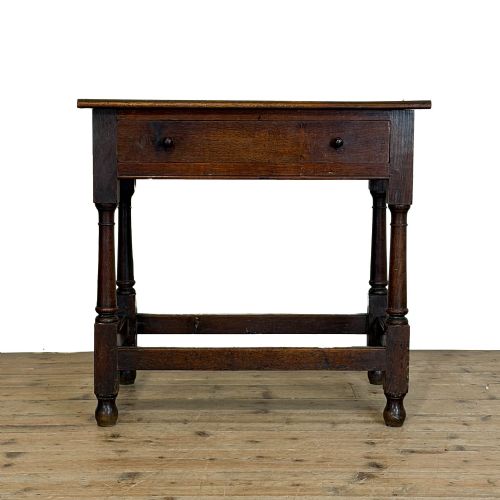
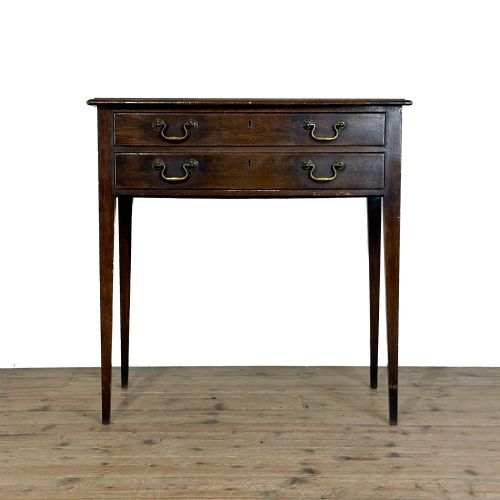
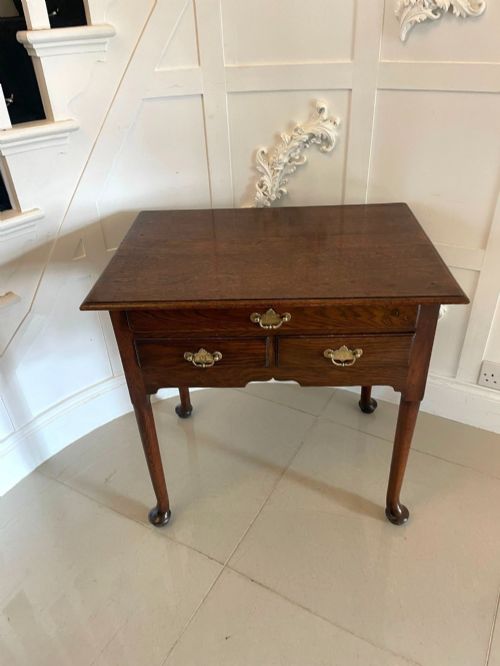
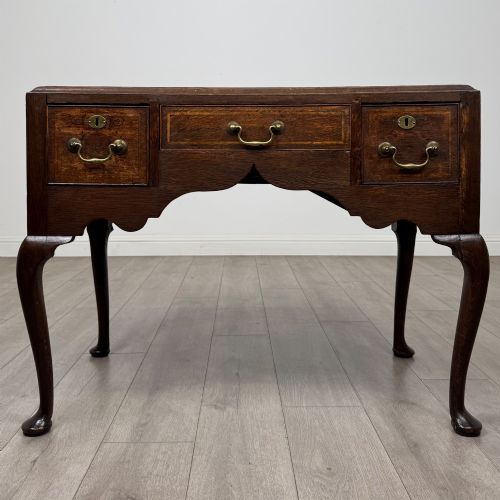
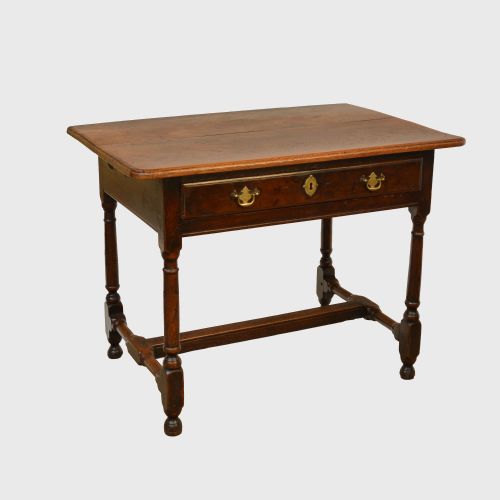
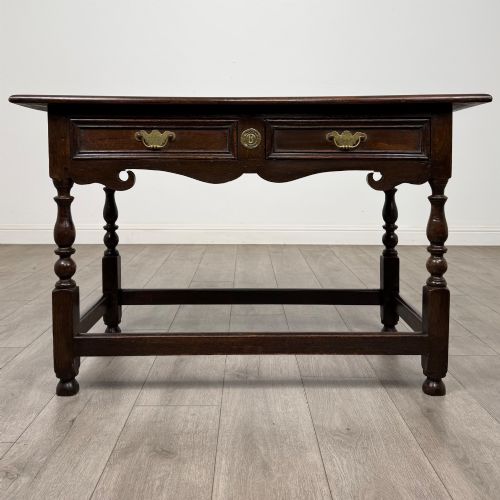
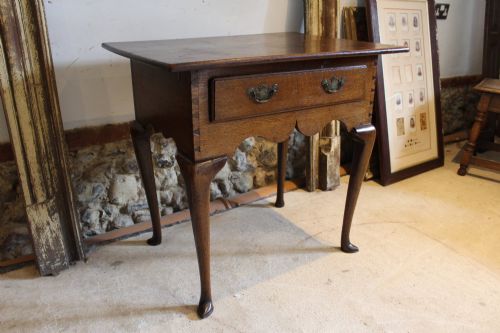
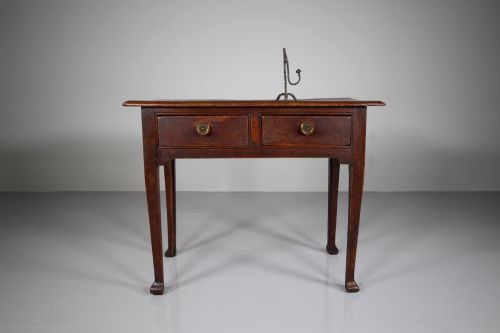
Georgian Lowboy Side Table
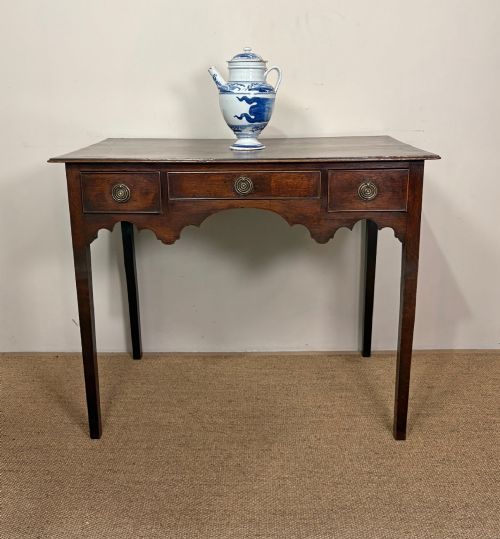
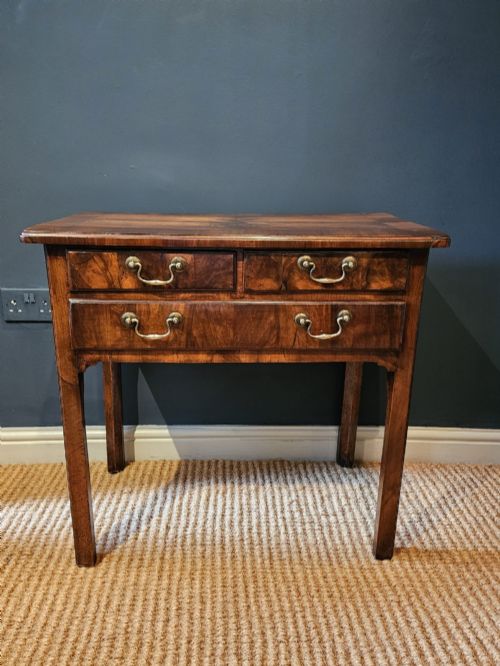
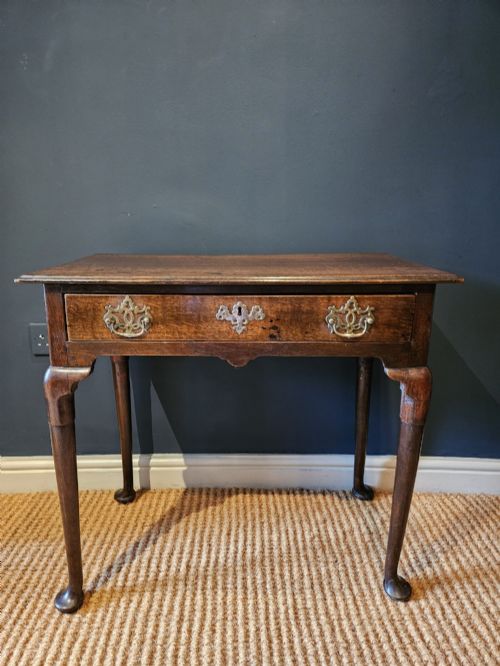
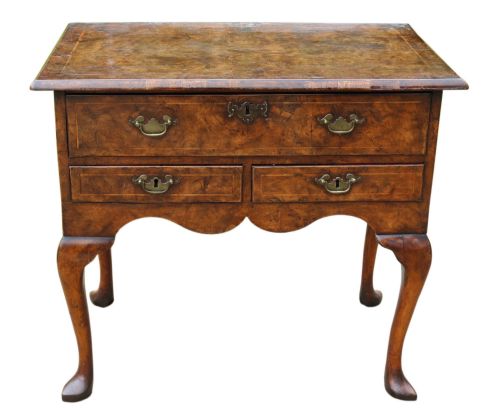
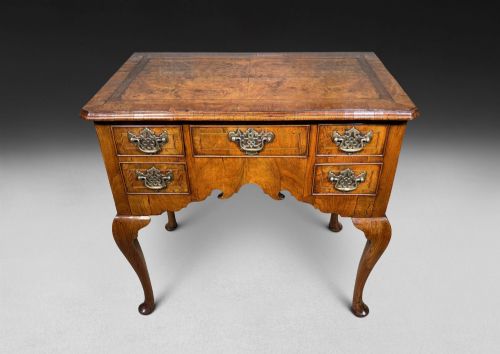
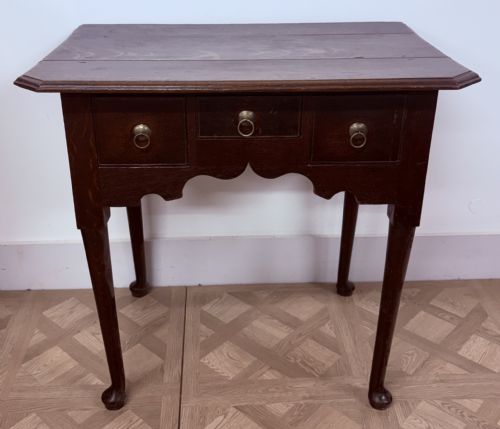
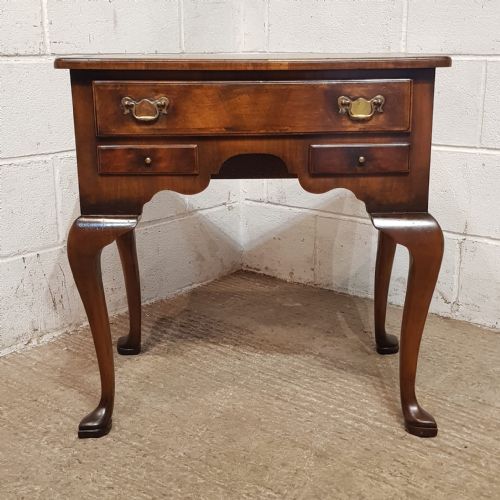
When you search for a georgian lowboy side table, you encounter compact, elegant small tables with drawers designed to stand against walls.
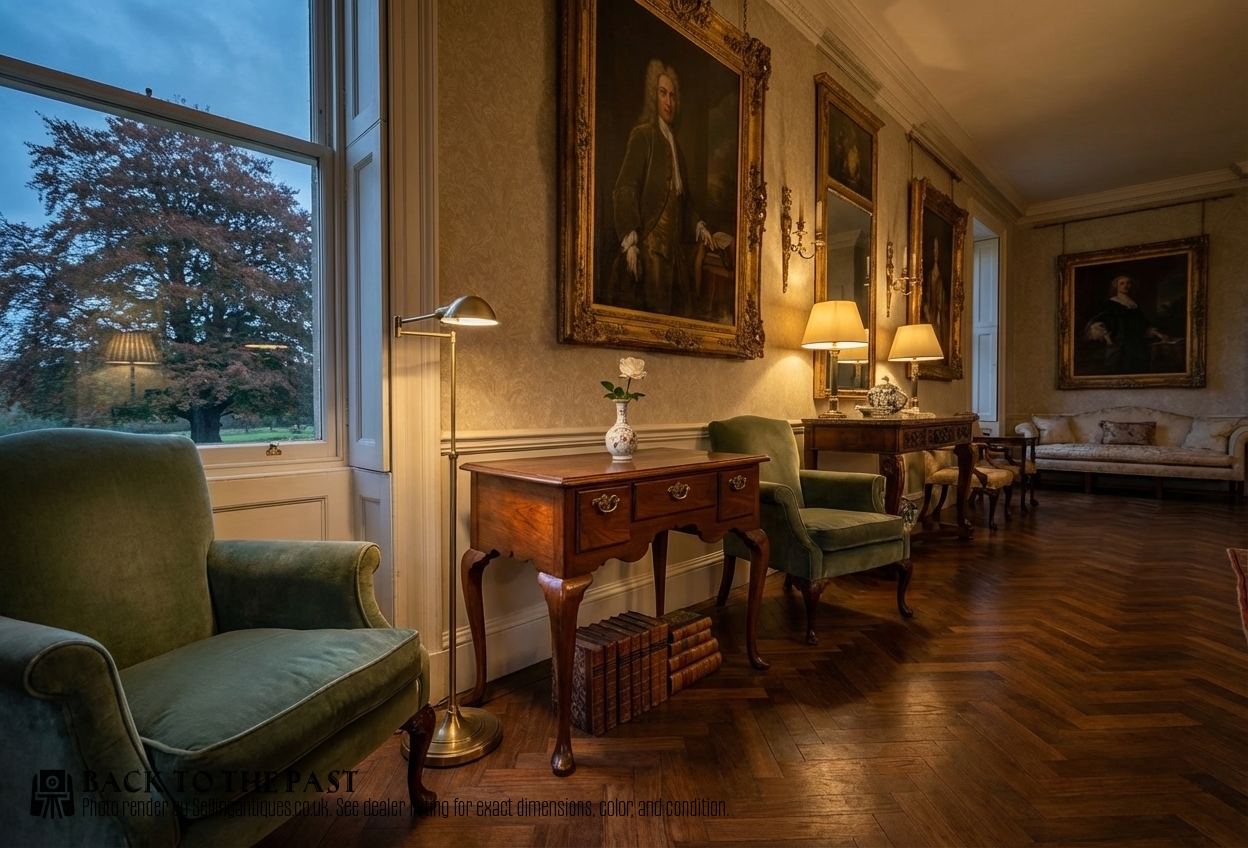
Georgian Lowboy Side Table
A georgian lowboy side table is a low, multi-drawer occasional table typically originating from the eighteenth century, used historically for dressing or writing.
The pieces on this page appear primarily in oak and mahogany, with walnut, yew, elm, fruitwood, and burr walnut also represented across Georgian and revival periods.
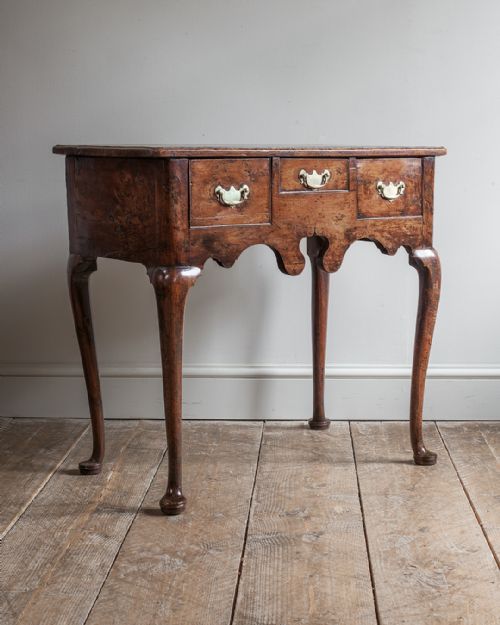
Forms span standard side tables, lowboys with single or multiple drawers, dresser bases, and console tables bearing George I, George II, George III, and Queen Anne influences.
How they were made
Cabinet makers utilised dense native timbers such as oak and elm for provincial pieces, alongside finer imported mahogany and figured walnut for higher status commissions.
Construction techniques include traditional drawer joinery and turned or cabriole legs, occasionally incorporating cross banding and decorative wood veneers.
Georgian Lowboy Side Table Retail Price Guide 2026
Typical asking prices for georgian lowboy side table among the pieces listed under this phrase on Sellingantiques today, from the lower quarter to the upper quarter. They describe what is for sale here now, not the wider market.
Some provincial lowboys doubled as writing desks, proving that even eighteenth-century paperwork required a properly compact surface.
What varies in quality
The refinement of the timber selection dictates much of the distinction, moving from plain provincial oak to highly figured burr walnut or rich mahogany.
Execution of proportions and leg carving, from simple straight supports to elaborate cabriole legs, separates standard utility tables from exceptional examples.
The Georgian Lowboy Side Table Glossary
- Lowboy
- A small table with one or more drawers, standing on four legs, typically used as a dressing or side table.
- Cabriole leg
- A furniture leg that curves out at the knee and tapers inward to an ankle, common in eighteenth-century designs.
- Cross banding
- A border strip of veneer laid around the edge of a furniture surface so the grain runs perpendicular to the centre.
- Dresser base
- A low wooden table base featuring drawers, closely related in form and function to the lowboy.
Georgian Lowboy Side Table: Frequently Asked Questions
What was a lowboy used for?
Historically, these low tables served multiple domestic purposes, acting as dressing tables, writing desks, or small side tables in halls and bedrooms.
Their compact footprint and drawer storage made them versatile items for holding personal belongings or lighting.
How do I date a lowboy?
Dating relies on examining the timber species, construction methods, and stylistic cues such as leg shapes and drawer configurations.
Eighteenth-century pieces often display hand-cut dovetails and native timbers, while later revival pieces from the twentieth century show different secondary woods and joinery.
Where should I place a lowboy?
These tables fit well in narrow hallways, living rooms, or bedrooms as accent pieces against a wall.
Their shallow depth ensures they do not crowd tight spaces while providing surface area and concealed drawer storage.
What is the difference between a side table and a lowboy?
While both terms describe small occasional tables, a lowboy specifically denotes a low table equipped with one to three drawers.
General side tables in the listings may lack drawers entirely or follow different proportion standards.