



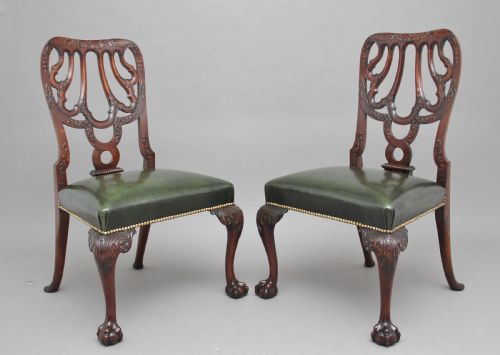


Georgian Green Leather Chair
A georgian green leather chair brings rich historical presence and sturdy utility to a room.
Georgian Green Leather Chair
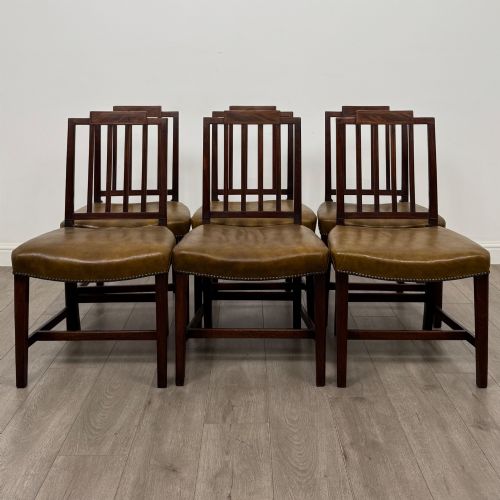
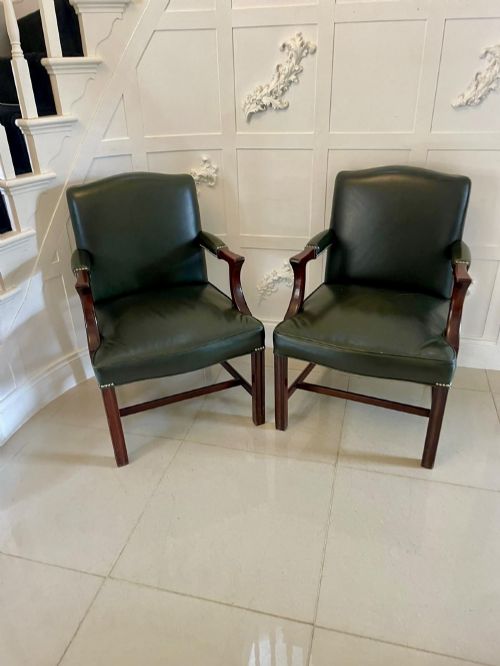
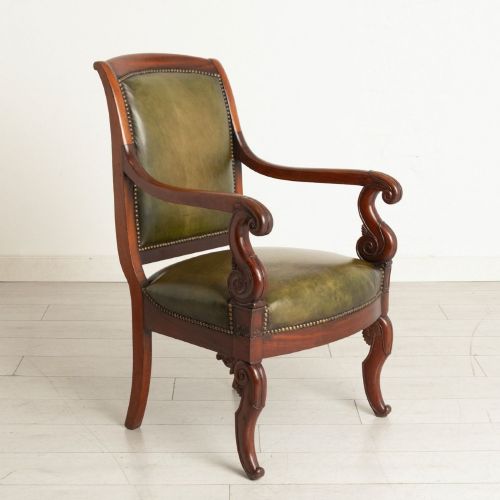
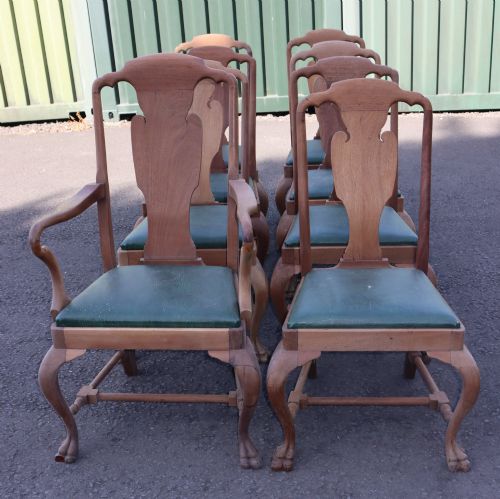
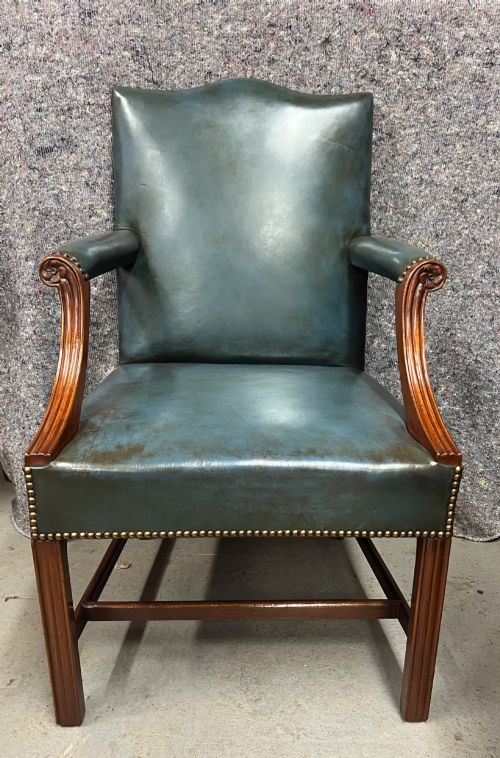
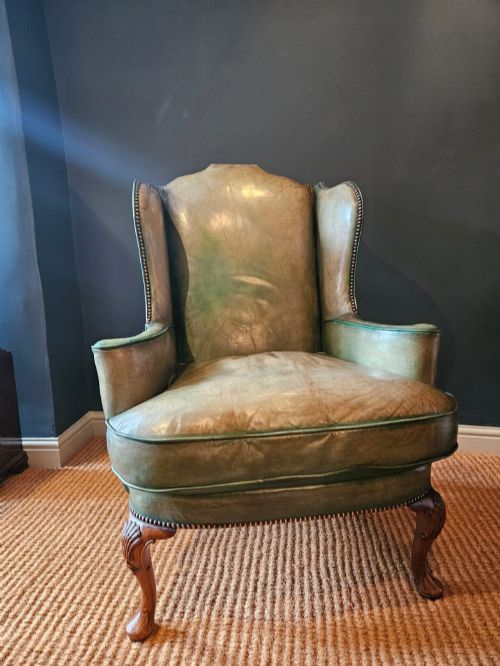
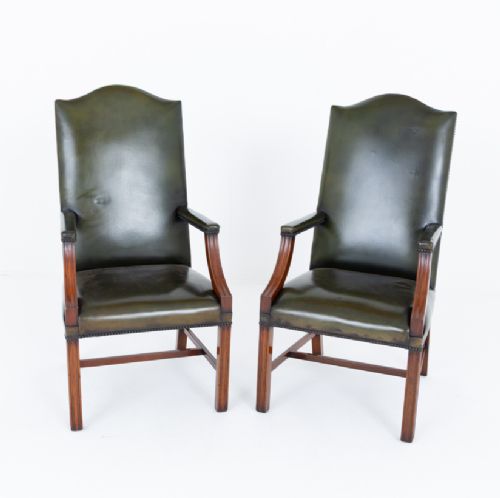
When you examine a georgian green leather chair, you encounter seating forms that span periods from the eighteenth century through later revival eras like the Georgian Revival and Regency. The listings here include library chairs, wing backs, desk chairs, and carvers.
Most examples you meet on this page pair mahogany frames with green leather upholstery, though walnut and rosewood also appear in the record. These pieces originated as functional seating for libraries, offices, and formal rooms.
Makers and periods range widely, from genuine eighteenth-century pieces to later interpretations created in the twentieth century. The forms vary from open armchairs to button-back wing chairs.
How they were made
Frames rely primarily on solid mahogany, walnut, and rosewood, sometimes shaped into simulated or faux rosewood finishes. Joinery follows traditional cabinet-making methods suited to heavy daily use.
Upholstery utilises hand-dyed green leather fastened securely to the wooden frames, often complemented by brass detailing. Secondary materials such as cane and brass hardware appear on specific library and bergère models.
Listings demonstrate a strong presence of mahogany frames paired with green leather, alongside walnut and rosewood variations.
What varies in quality
The degree of hand-carving on the wooden frame distinguishes standard production from finer examples. Timber selection and the depth of the mahogany grain dictate the baseline presence of the piece.
The condition and application of the green leather, especially hand-dyed finishes and button-backing, determine the visual harmony of the upholstery against the timber frame.
Gillows·Cooper & Holt
The Georgian Green Leather Chair Glossary
- Gainsborough chair
- A wide, open-armed desk chair with a padded back and seat, typically standing on square or cabriole legs. This form gained popularity during the eighteenth century.
- Bergère
- An enclosed armchair with an upholstered back and sides, often featuring cane work or padded leather panels. These chairs date across the Regency and later periods.
- Carver chair
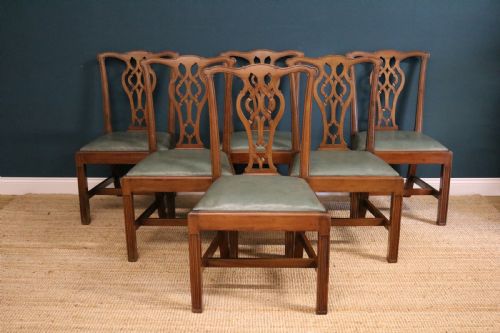
- An armchair designed to match a set of dining chairs, usually placed at the head of a table. They feature supportive armrests integrated into the wooden frame.
- Wing back
- An armchair featuring protective side panels attached to the backrest to shield the sitter from drafts. These pieces often utilise deep button-back leather upholstery.
Georgian Green Leather Chair: Frequently Asked Questions
Where did people use these chairs?
Original owners placed these seating pieces in libraries, offices, and formal reception rooms where reading and writing took place.
Their sturdy wood frames and durable leather surfaces suited heavy daily tasks.
How do I tell original periods apart?
Distinguishing periods relies on examining timber patination, frame construction methods, and stylistic cues such as cabriole legs versus later revival proportions.
Revival pieces built around nineteen-twenty often reveal different secondary woods and sharper joinery than eighteenth-century originals.
Are these chairs comfortable for daily use?
Generous seat depths and supportive upholstered backs make these armchairs suitable for regular seating at a desk or in a study.
The supportive leather and sturdy wooden frames provide reliable everyday comfort.
How do I care for the leather?
Maintain the green leather by keeping the material away from direct heat sources and applying appropriate leather conditioning treatments periodically.
Gentle dusting preserves the finish of both the wood frame and the leather upholstery.