




Late 18th Century Seating
Late 18th century seating brings enduring Georgian and continental craftsmanship into a room, offering functional history through armchairs, dining chairs, and stools.
Late 18th Century Seating
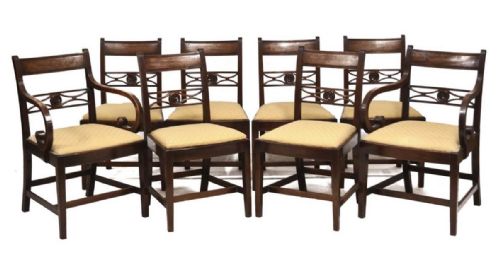
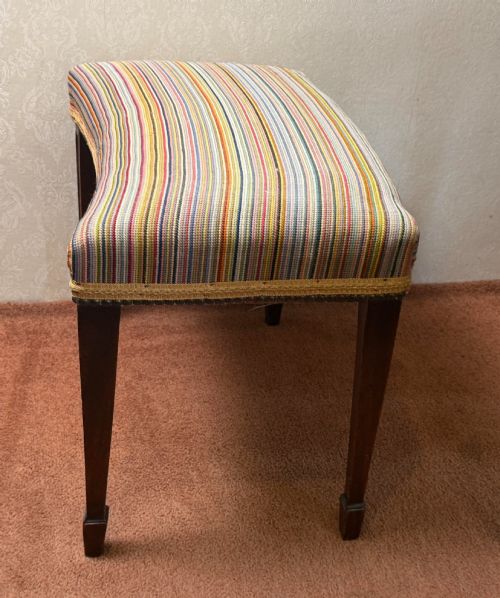
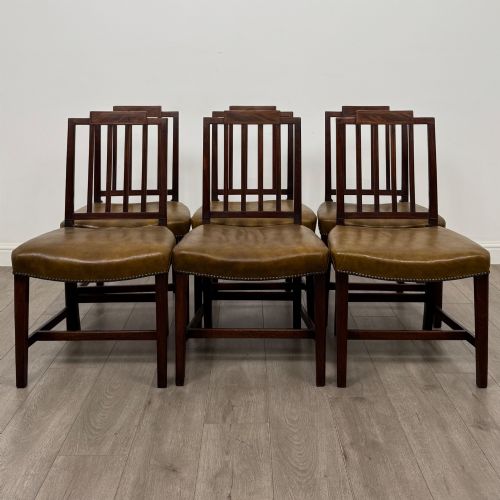
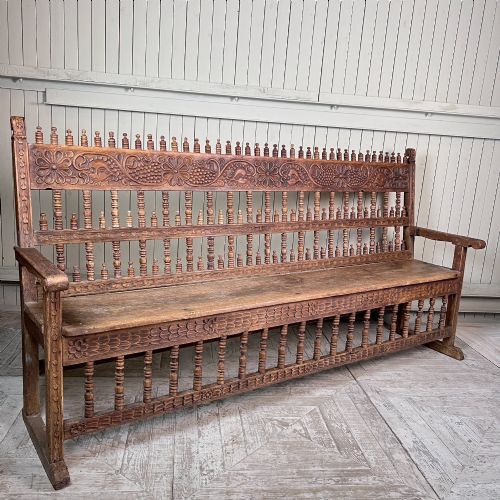
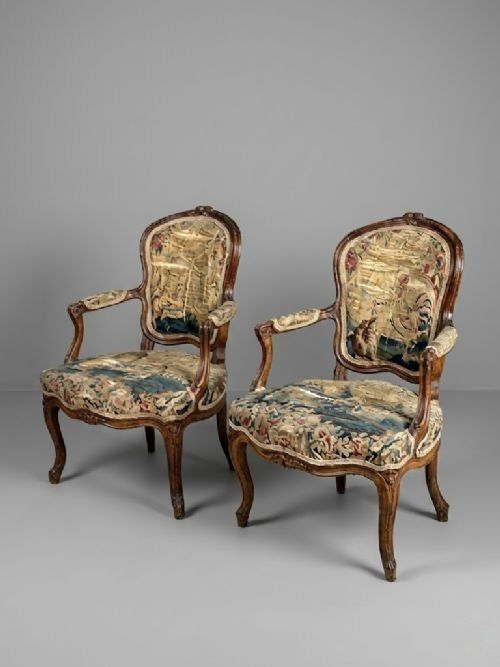
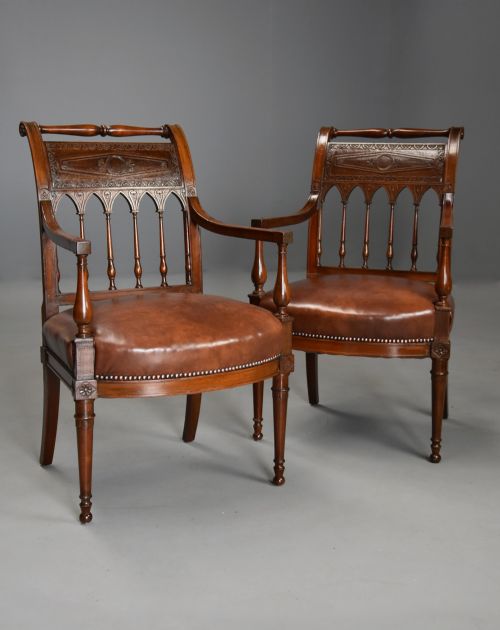
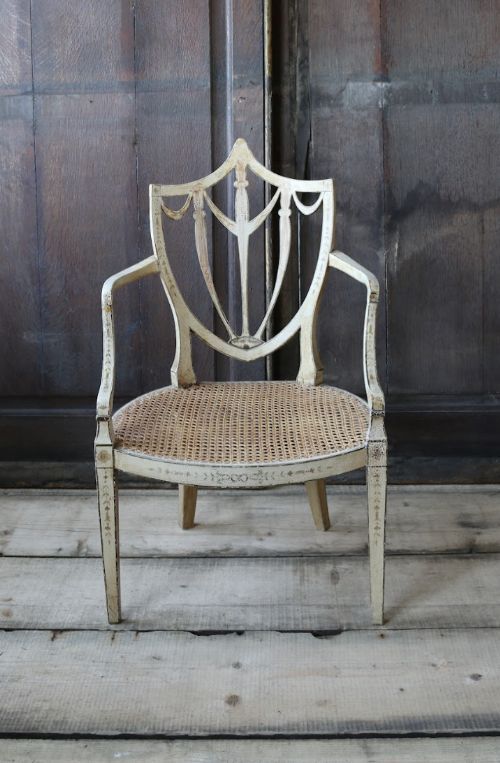
When you search for late 18th century seating, you encounter a diverse range of furniture including dining chairs, armchairs, benches, and stools. These forms span Georgian, Louis XV, French Directoire, and Spanish Colonial styles.
Objects range from individual carver chairs and hall chairs to matched sets of six or eight dining chairs. Stools and sculptural benches also appear alongside the primary chair forms.
Materials and construction methods
Makers utilised solid timbers such as mahogany and walnut, shaping them into frames with square tapering legs or carved wooden details. Marquetry inlay and painted finishes also appear on selected surfaces.
Upholstered items incorporate materials like leather, silk, and needlework secured to the frames. Brass elements occasionally accent the structural woodwork.
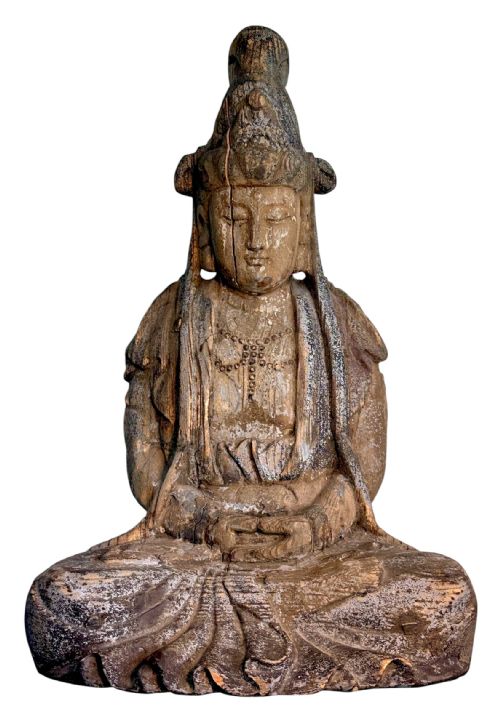
A carved wooden Buddha shares space with the dining chairs and stools, proving that late 18th century craft took unexpected journeys.
Distinctions in quality
The refinement of the carving and the integrity of the timber frame separate standard examples from finer pieces. Sharply executed details in mahogany or walnut indicate skilled workshop output.
Originality of surface finish and the preservation of period upholstery materials influence the standing of an individual piece.
The Late 18th Century Seating Glossary
- Mahogany
- A durable tropical hardwood favoured for its rich reddish-brown tone and strength in chair frames. It allows for crisp carving and stable joinery.
- Marquetry
- The art of applying pieces of veneer to a structure to form decorative patterns. Walnut furniture frequently employs this technique.
- Carver chair
- An armchair, often designed to sit at the head of a dining table. These pieces match larger sets of single dining chairs.
Late 18th Century Seating: Frequently Asked Questions
How do I care for antique leather seats?
Keep leather seats away from direct sunlight and heat sources to prevent the material from drying out. Apply suitable leather balms sparingly to maintain suppleness.
Avoid using harsh chemical cleaners on hand-dyed surfaces. Gentle dusting with a dry cloth preserves the finish.
Can these chairs be used daily?
Most dining chairs and armchairs remain structurally robust for regular domestic use. Solid mahogany and walnut frames offer strong daily support.
Delicate painted finishes or antique silk upholstery require more careful handling. Assess the joint stability before placing heavy demands on older seating.
What defines French Directoire style?
French Directoire furniture bridges Louis XVI and Empire styles, marked by cleaner lines and classical restraint. Walnut armchairs from this period often display simplified geometric forms.
Ornamentation becomes more sparing compared to earlier rococo designs. Structural balance takes precedence over elaborate carving.
Are large sets of dining chairs common?
Matched sets of six or eight dining chairs appear occasionally in late 18th century formats. These sets often combine single chairs with matching armchairs.
Individual hall chairs and carvers are also frequently listed separately. Finding complete original sets requires patience as individual pieces disperse over time.