



Georgian Glass Painting Print
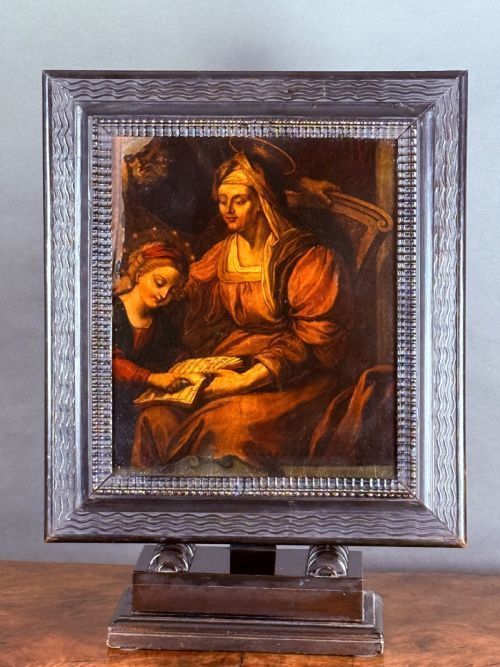
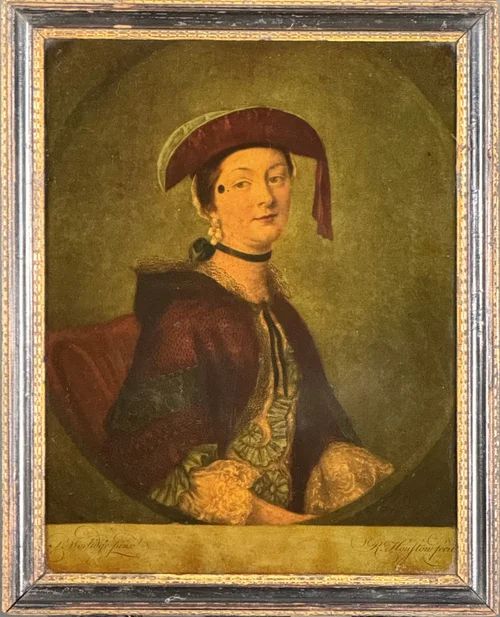
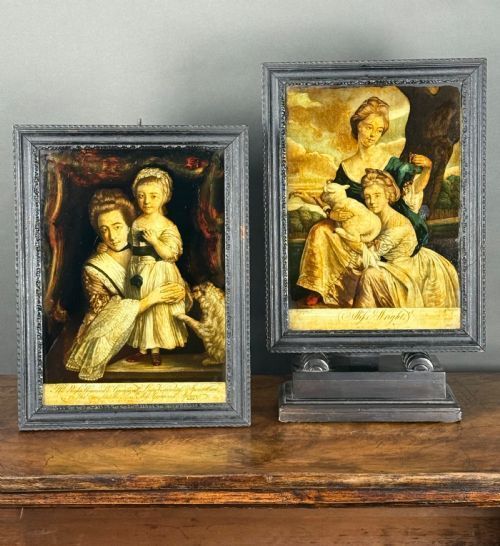
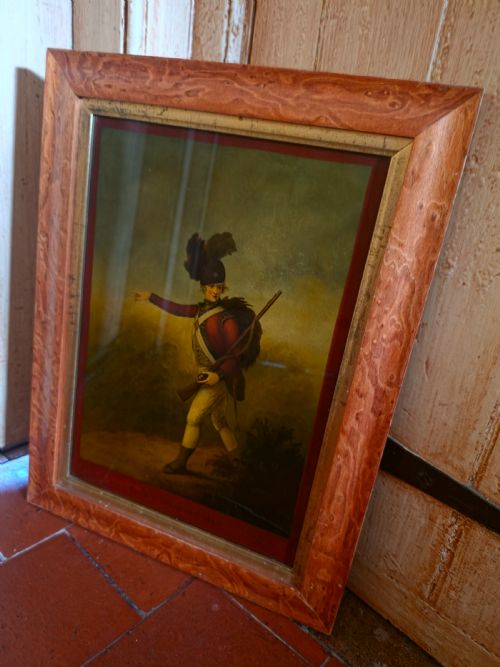
These georgian glass painting print examples capture a specialised technique where images are applied directly to the rear of the glass for display.
Georgian Glass Painting Print
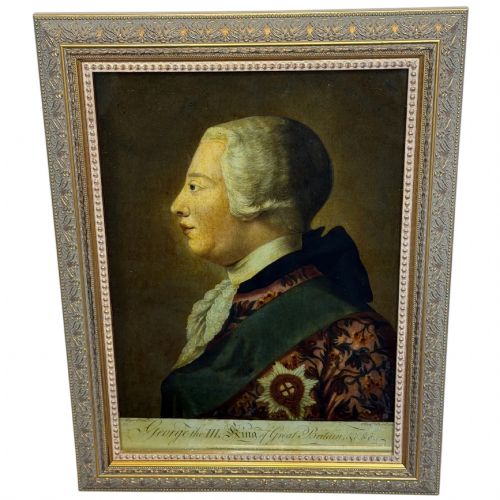
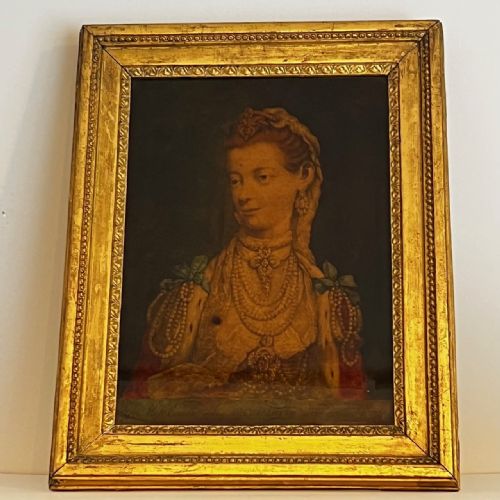
A georgian glass painting print combines delicate printmaking and hand painting applied directly to the reverse side of a glass panel. When viewed from the front, the glass protects the delicate pigments while lending a characteristic depth and lustre to the surface.
Most pieces encountered on this page date from the eighteenth and nineteenth centuries, spanning the Georgian and Regency periods. Subjects range from royal portraits and classical allegories to sporting scenes and domestic figures framed in wood.
Buyers will find individual character studies alongside matched pairs depicting seasonal allegories or historical events. The format offers a distinct alternative to standard paper prints through its glossy protective medium.
Materials and construction
These works rely on thin sheets of glass serving as both the canvas and the final protective glaze. Artisans applied mezza-tinto prints or engravings face-down onto the glass using clear adhesives before carefully scraping away the paper backing.
Once the paper was thinned, makers applied oil paint, pigment, and occasionally gold leaf directly to the reverse side in reverse order, painting fine details first and background layers last. The finished glass panel was then secured within simple wooden frames, sometimes alongside mirrors.
Early makers occasionally recycled old mirror plates when fresh glass ran short.
Quality and craftsmanship
The survival of the original wooden framing and the stability of the pigment layers significantly influence the standing of a piece. Works retaining their rich gold leaf accents and crisp mezza-tinto lines represent the peak of the medium.
Fletcher·Sebastiaan Vrancx·Charles Spooner·Richard Purcell·W. Bishop
The Georgian Glass Painting Print Glossary
- Reverse glass painting
- A technique where artists apply paint and pigment to the back of a glass sheet so the image is viewed through the front. This method preserves the colours from atmospheric dust and damage.
- Mezzotint
- A printmaking process of the intaglio family where tones are created by roughening the copper plate with a rocker. It allows for smooth gradations of light and shade highly suited to portraiture.
- Eglomise
- A process of applying a thin sheet of gold or silver leaf to the rear face of glass before engraving or painting over it. The technique produces a highly reflective metallic background.
- Allegory
- The representation of abstract ideas or moral qualities through human figures or symbolic narratives. Common Georgian examples depict the four seasons or virtues like painting and architecture.
Georgian Glass Painting Print: Frequently Asked Questions
Why are these prints backwards?
The technique requires the composition to be built in reverse on the back of the glass panel. Fine details and foreground elements are painted first before broader background colours are applied.
When the finished panel is turned over and viewed from the front, the image appears the correct way around. This reversed method gives the final artwork its unique layered depth.
Where should I hang these in my home?
These delicate works require placement away from direct sunlight to prevent the oil pigments and paper elements from fading. Stable indoor humidity is also essential to protect both the glass and the antique wooden frames.
Choose interior walls where temperature fluctuations remain minimal. Proper placement ensures the reflective glass surface can be appreciated without harsh glare.
How can I tell a Georgian print from a later copy?
Early pieces often feature hand-beaten glass with minor bubbles and irregularities visible under close inspection. The paper remnants thinned onto the glass usually show the distinct characteristics of eighteenth-century papermaking.
Examining the framing materials and backboards provides further clues regarding age. Older mountings utilise hand-cut wooden panels secured with period fixings rather than modern adhesives.