
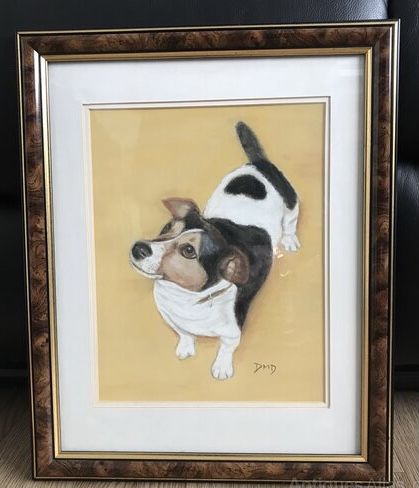


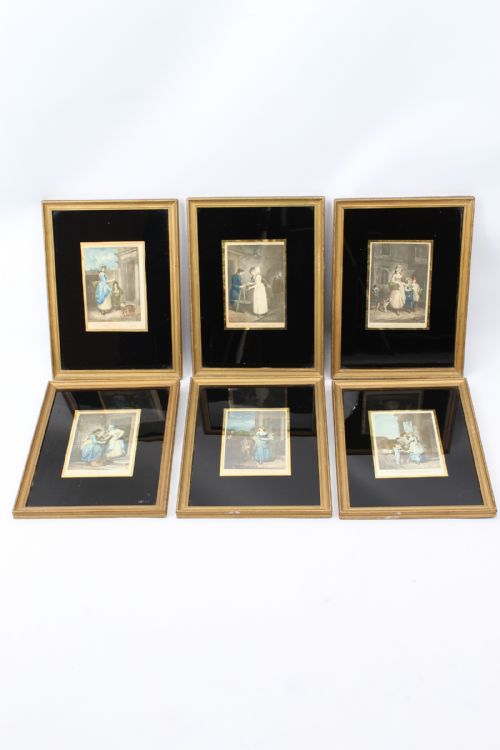


Glass Picture Artwork
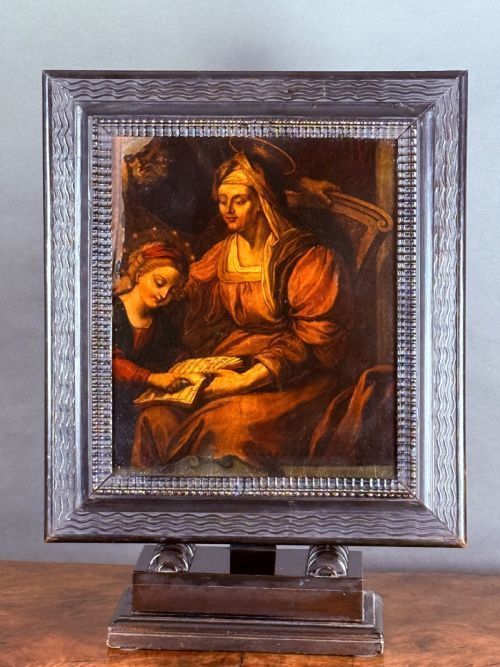
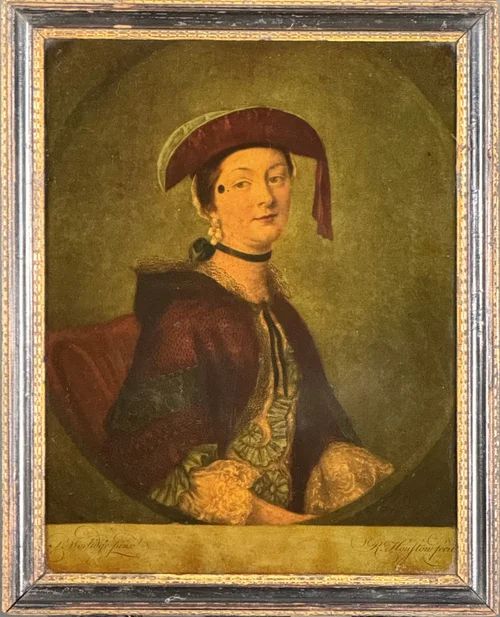
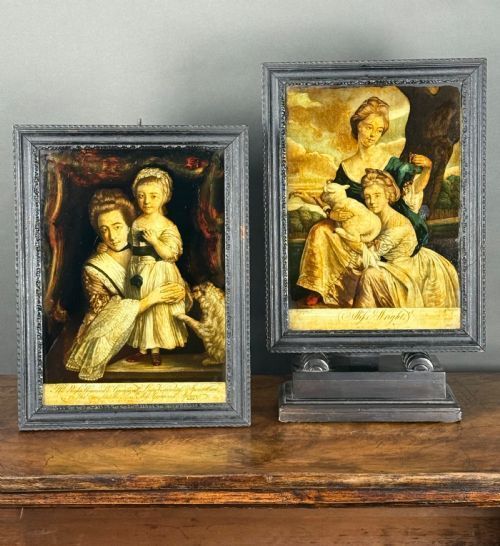
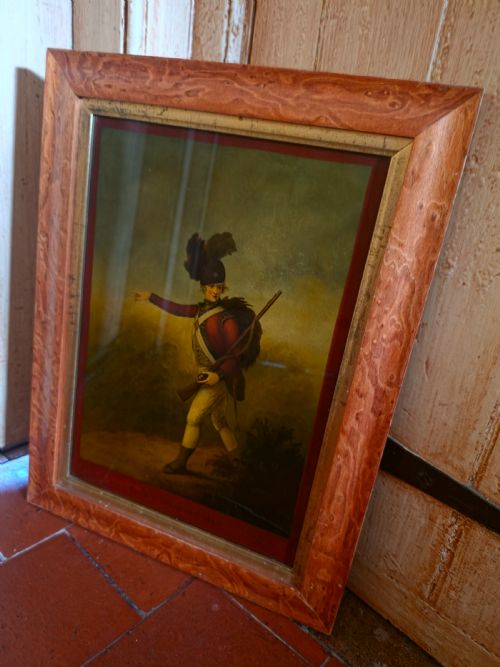
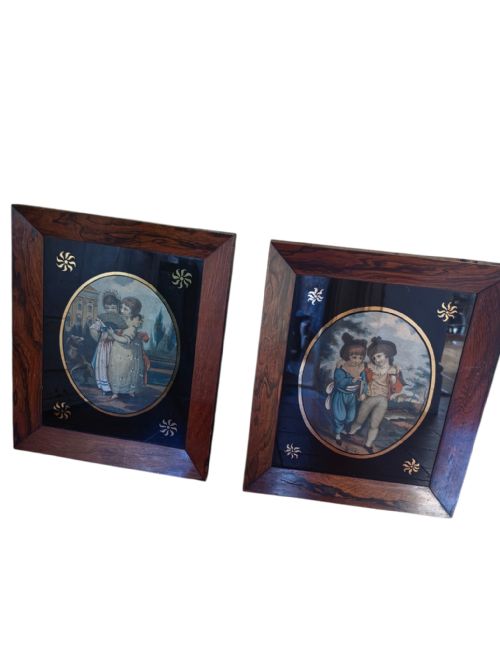
Glass picture artwork brings together delicate reverse paintings, mezzotints and crystoleoms housed in period timber frames.
Glass Picture Artwork
Glass picture artwork comprises decorative items created by painting, printing, or transferring images onto glass panels, often designed for wall display. These pieces range from early eighteenth-century reverse glass mezzotints to nineteenth-century crystoleoms and botanical studies.
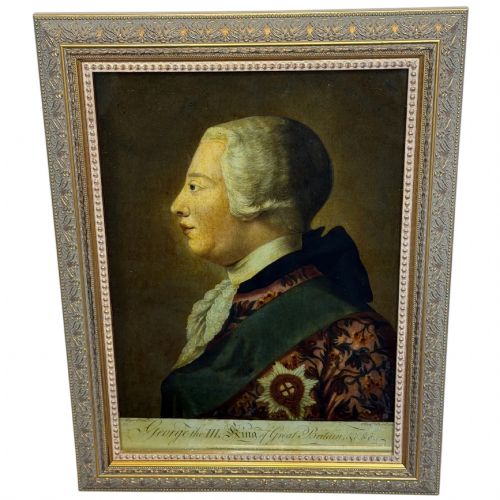
Buyers searching for glass picture artwork most frequently encounter eighteenth-century and Georgian reverse painted mezzotints, alongside Victorian crystoleoms and framed prints set behind glass. Subjects span portraits of royalty, religious figures, literary scenes, and domestic portraits.
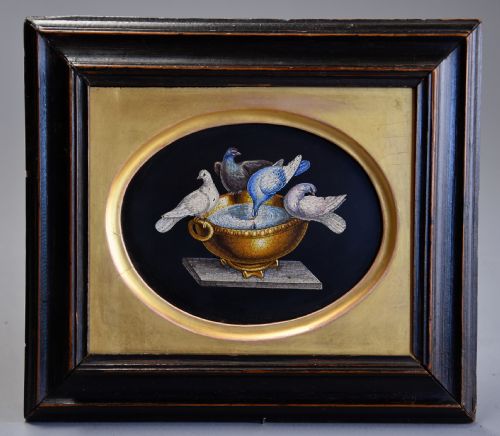
The materials supporting these artworks typically involve glass, paper, pigment, oil paint, and timber frames constructed from rosewood, maple, ebonised wood, or giltwood. Many examples preserve original frames that contribute significantly to the character of the piece.
How they were made
Reverse glass painting involves applying pigment or oil paint directly onto the reverse side of a glass panel so the finished image is viewed correctly through the front. Artists often transferred printed mezzotints onto the glass before hand-colouring the details with pigments and oils.
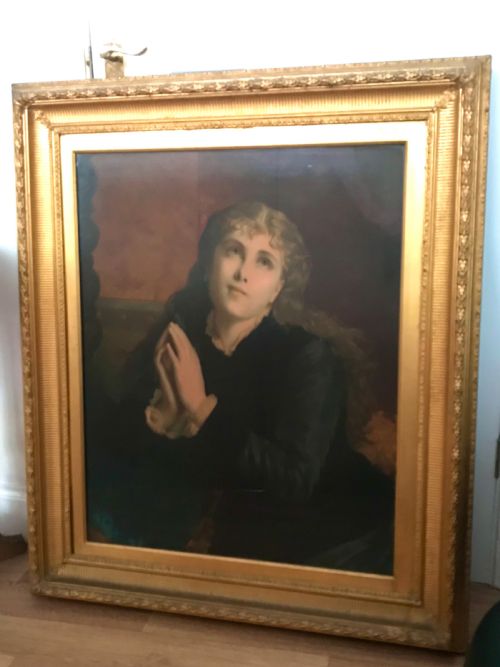
Crystoleoms utilised a different technique popular in the Victorian era, where albumen prints were pasted face-down onto glass, made transparent, and meticulously hand-painted from behind before being layered.
Frames were constructed using traditional joinery from timbers such as maple, rosewood, and gilt wood, frequently incorporating protective glazing or compartmentalised mirrors to house the fragile glass panels securely.
Listings for glass picture artwork span the seventeenth, eighteenth, nineteenth, and twentieth centuries, incorporating oil paint, pastel, watercolour, and mezzotint prints.
What varies in quality
The fineness of the hand-colouring applied to reverse mezzotints and crystoleoms dictates the visual depth and clarity of the finished image. Superior examples display precise brushwork and vibrant pigments that remain stable behind the glass.
The preservation of the glass substrate and the integrity of the original framing materials heavily influence the overall standard of a piece. Original frames matching the period of the artwork hold greater authority than later replacements.
The clarity of the transfer method and the absence of pigment flaking or severe fading across the glass surface distinguish finer historical works from standard decorative items.
Charles Spooner·Richard Purcell·Robert Sayer·Takabatake Kasho·Stuart Armfield·Schweninger
The Glass Picture Artwork Glossary
- Reverse glass painting
- A technique where an image is painted or transferred onto the back of a glass sheet and viewed from the front. This method protects the pigment from atmospheric dirt and damage.
- Mezzotint
- A printmaking process of the intaglio family where tones are developed by roughening the metal plate with a rocker. In glass pictures, these prints were transferred to glass for subsequent painting.
- Crystoleum
- A Victorian method of applying a photograph or print to glass, clearing the paper, and hand-painting the reverse to create a rich, dimensional coloured portrait. These are commonly found in ornate gilt frames.
- Oleograph
- A type of chromolithographic reproduction textured to imitate an oil painting, sometimes displayed under glass. They emerged as popular wall art during the nineteenth century.
- Giltwood
- Timber carved and coated with gold leaf or gold paint to form decorative frames. This material appears frequently on Georgian and Victorian framed works.
Glass Picture Artwork: Frequently Asked Questions
What is a reverse glass picture?
A reverse glass picture is an artwork painted or printed onto the back of a glass panel. Viewers look through the smooth front surface to see the finished composition.
This technique protects the pigments from dust and moisture, helping many eighteenth and nineteenth-century examples survive in striking condition.
How do I care for antique glass art?
Antique glass art requires stable indoor humidity and protection from direct sunlight to prevent pigments from fading and paper components from degrading.
Cleaning should involve only a dry or slightly damp microfibre cloth applied gently to the glass, avoiding harsh chemical sprays that could seep beneath old frame seals.
Are original frames important?
Original frames made from period woods like maple, rosewood, or giltwood add historical context and value to glass picture artwork. They were built specifically to support the fragile glass panels.
Matching frames also help confirm the age and authenticity of nineteenth and eighteenth-century wall art.
What subjects appear in these artworks?
Subjects range widely from royal portraits and classical scenes to religious iconography and domestic genre pieces. Many depict historical figures, literary characters, or picturesque landscapes.
Popular historical series often capture contemporary trades, naval engagements, or theatrical personalities of the Georgian and Victorian periods.