



Antique Reverse Glass Art
These delicate works of antique reverse glass art demand close attention, rendered as they are from the back to catch the light.
Antique Reverse Glass Art
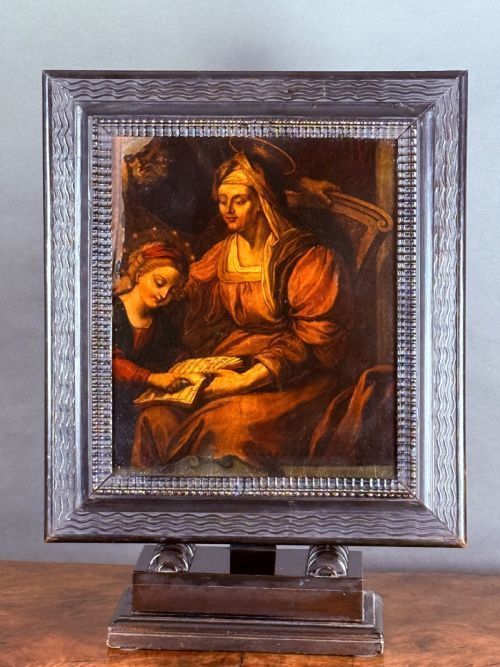
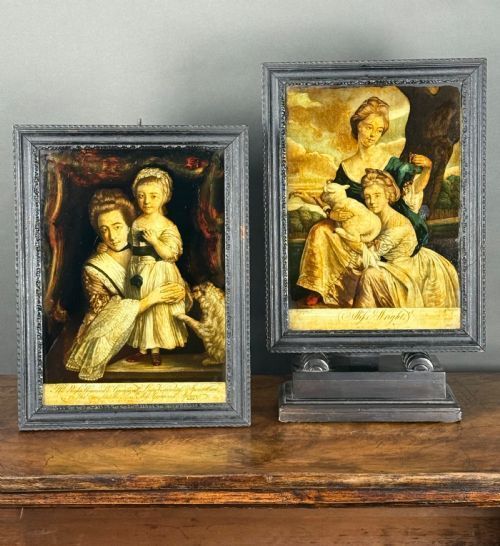
When you search for antique reverse glass art, you encounter a fascinating interplay of portrait miniatures, mezzotints, mirrors, and commercial signs created across the eighteenth, nineteenth, and early twentieth centuries. The method requires the artist to paint or print directly onto the rear surface of the glass, so that the final image is viewed correctly through the transparent sheet from the front.
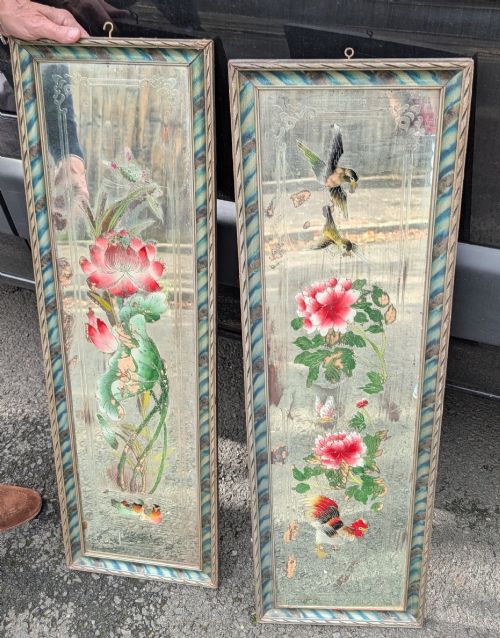
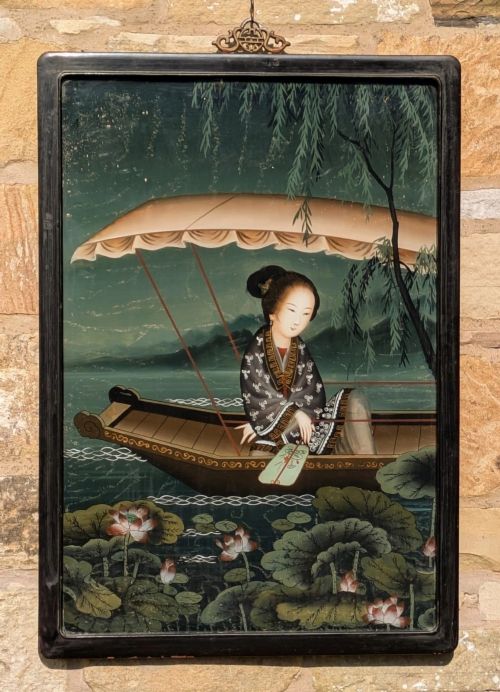
The pieces appearing most frequently here span Georgian and Regency portraiture, detailed Chinese export mirror panels, and striking twentieth-century advertising signs. Domestic scenes, allegorical representations of the seasons, and royal likenesses form the bulk of the surviving British items from the Georgian era.
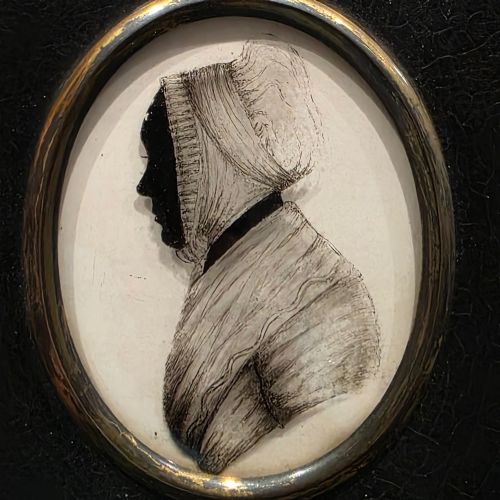
Makers utilised various supports, from delicate paper prints transferred onto glass to direct applications of oil paint and gold leaf. The resulting objects range from intimate silhouette miniatures of figures like Mrs Grace Williams to large, decorative wall-hanging mirrors and commercial shop window panels.
Materials and technique
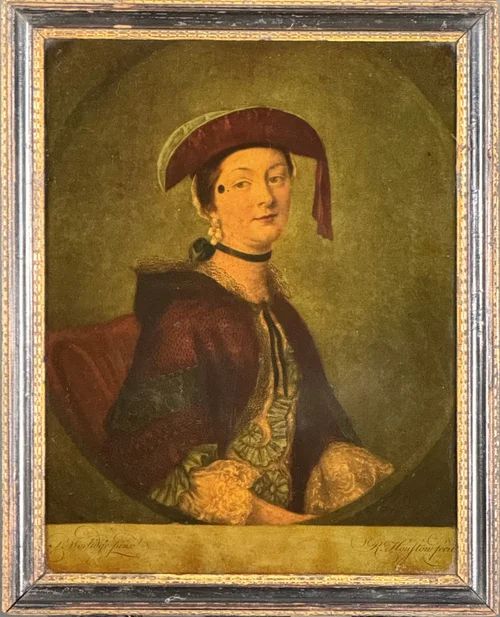
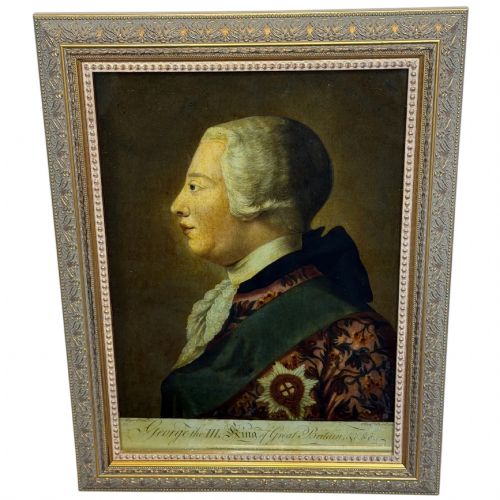
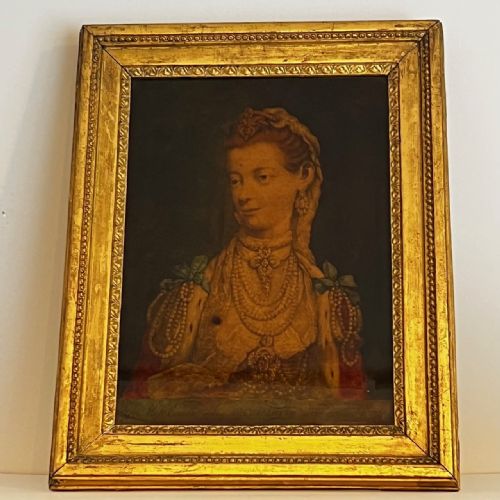
Many eighteenth-century works incorporate mezzotint prints transferred onto the glass surface, which were then hand-coloured using oil paints and pigments to achieve a luminous depth. Wood frames typically secure and protect the vulnerable glass panels.
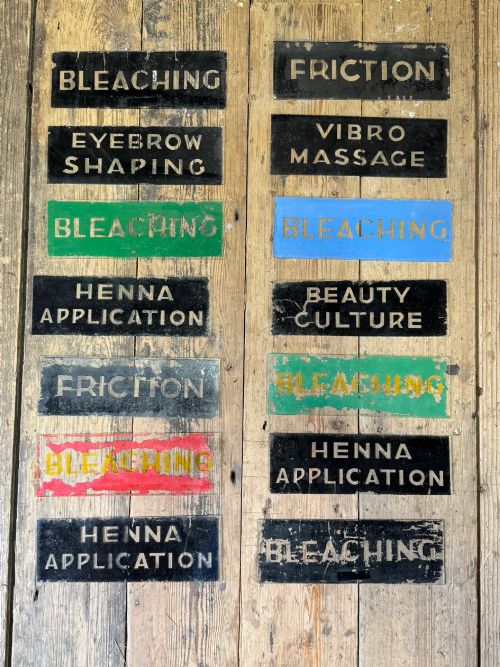
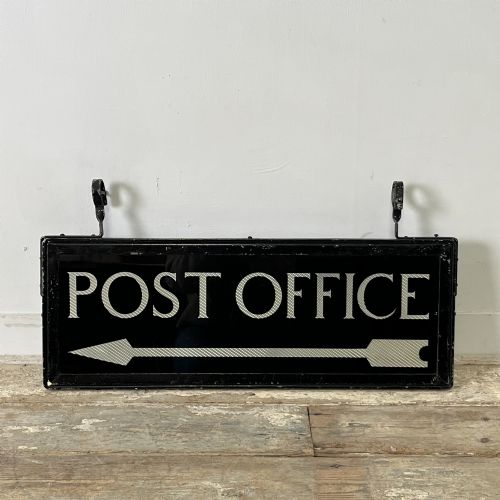
Commercial items such as post office direction signs and hairdressing establishment panels employ durable reverse-painted lettering and brass or wooden fixings to withstand daily public use.
A Scottish games board made of painted glass proves that people once played checkers with an extremely fragile view of victory.
Distinctions in quality
The finesse of the brushwork and the clarity of the transferred print determine the visual success of any piece. Skilled artisans achieved remarkable precision in portrait miniatures and mezzotints, where subtle gradations of pigment convey textiles and flesh tones through the glass.
The richness of the gilding and the preservation of the original pigments distinguish superior examples from simpler decorative items. Because the paint layer sits unprotected at the back, the stability of the medium and the absence of flaking heavily influence the integrity of the work.
Fletcher·Sebastiaan Vrancx·Charles Spooner·Richard Purcell·Frye·Abraham Cooper·Takabatake Kasho·W. Bishop·Richard Phillips
The Antique Reverse Glass Art Glossary
- Mezzotint
- A printmaking process where the copper plate is roughened to achieve tones and shades, frequently used in eighteenth-century reverse glass compositions. These prints were pasted face-down onto glass before the paper backing was rubbed away and the image hand-coloured.
- Eglomise
- A technique of applying gold or silver leaf to the reverse of glass and then engraving or painting upon it. The method yields a reflective, mirror-like finish common in decorative panels and neoclassical frames.
- Silhouette
- A solid shape of a person's profile, typically filled in with dark pigment, seen in several miniature portraits on glass from the Georgian and Regency periods. These profile likenesses were prized for their intimate accuracy before the widespread adoption of photography.
- Chinese Export
- Goods manufactured in China specifically for Western markets, encompassing reverse-painted mirrors and elite dignitary portraits dating from the eighteenth and nineteenth centuries. These items combine traditional Chinese glass-painting techniques with European subject matter.
Antique Reverse Glass Art: Frequently Asked Questions
How were reverse glass pictures displayed?
These pieces were typically hung on interior walls within dedicated wooden frames designed to protect the fragile glass sheets from knocks and humidity.
Because the smooth glass surface reflects ambient light, placement away from direct, harsh glare helped viewers appreciate the fine pigments and metallic leaf beneath.
What subjects appear on these pieces?
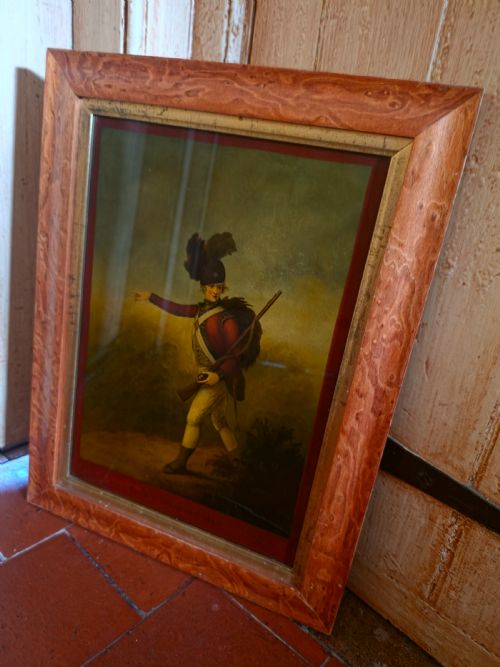
The subject matter ranges widely from Georgian royalty and literary figures to allegorical seasons, armorial crests, and nineteenth-century military personnel.
Commercial examples also feature trade signs and directional panels from post offices and beauty establishments.
How do you clean antique glass art?
Care requires avoiding all moisture and chemical cleaning agents on the rear surface, as the original paint and pigment layers rest unprotected against the glass.
Gentle dusting of the front glass and frame with a dry, soft cloth is sufficient for general maintenance.
Are these items fragile?
The glass panels are inherently delicate and susceptible to cracking or shattering if subjected to sudden impacts or heavy pressure.
Furthermore, the unsealed paint on the reverse means that moisture or friction can lift the historic pigments from the glass.