
Georgian Furniture
Georgian furniture comprises timber chests of drawers, tables, and seating made across the eighteenth and nineteenth centuries that bring enduring utility to domestic spaces.
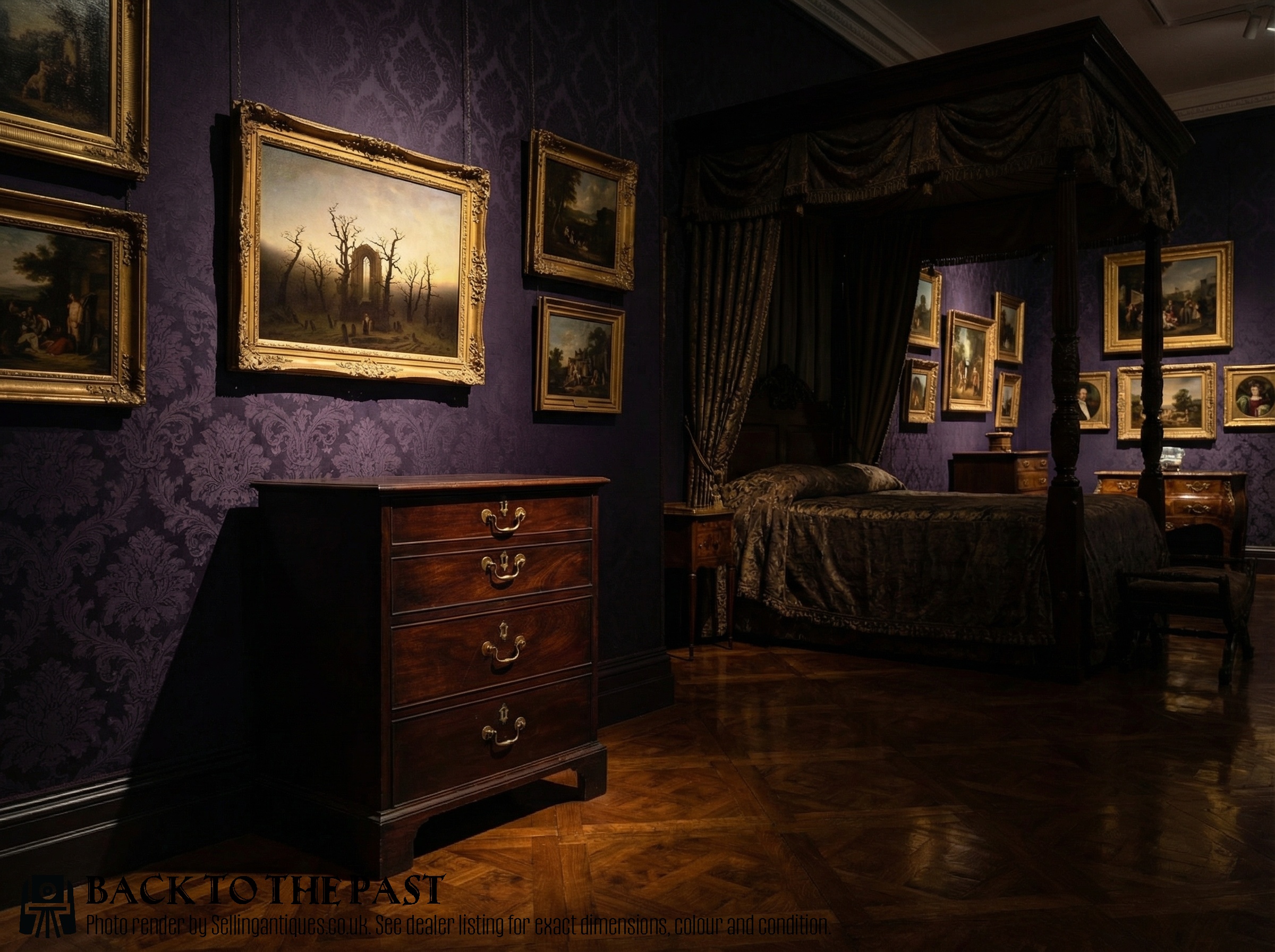
Georgian Furniture
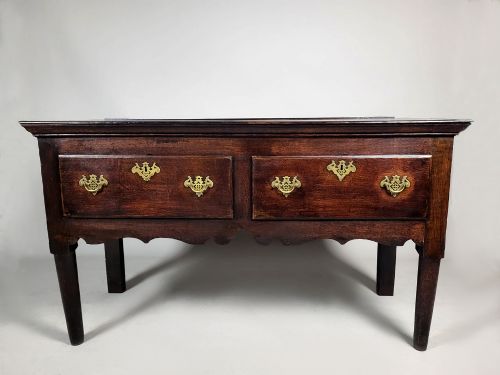
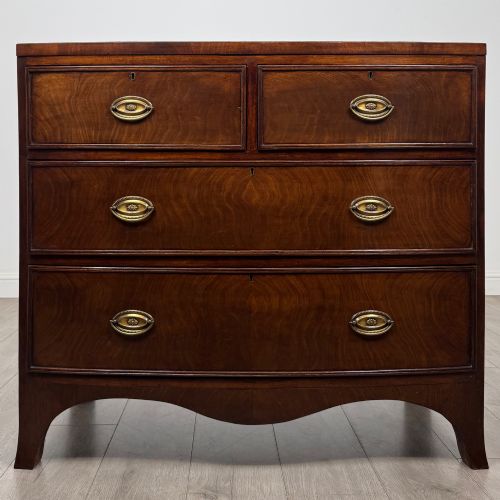
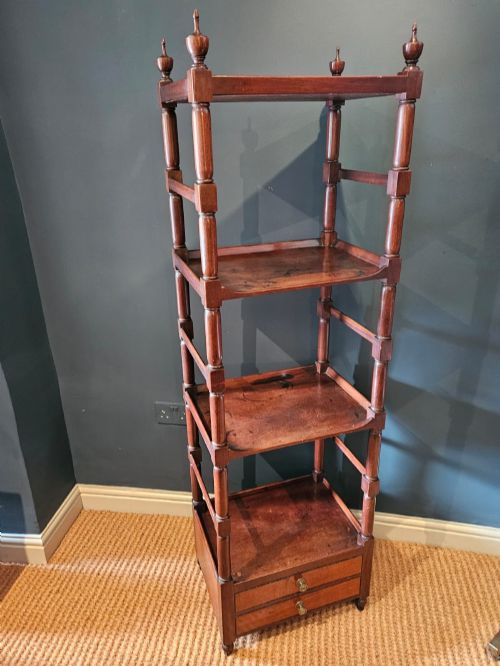
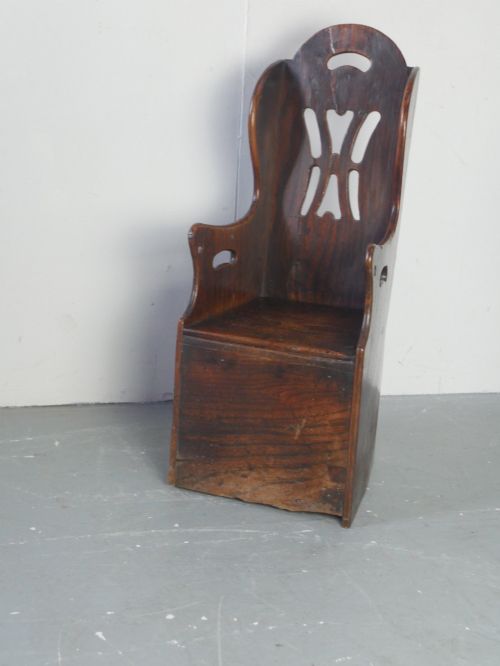
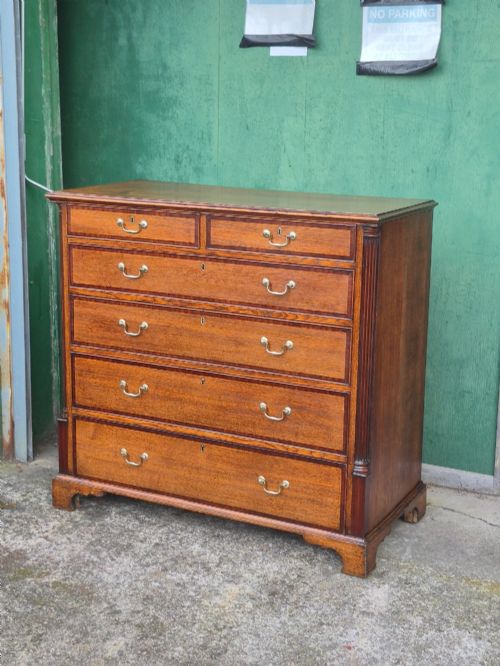
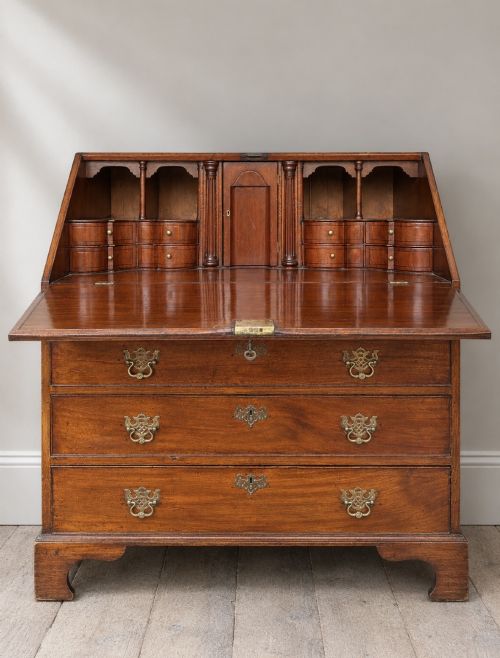
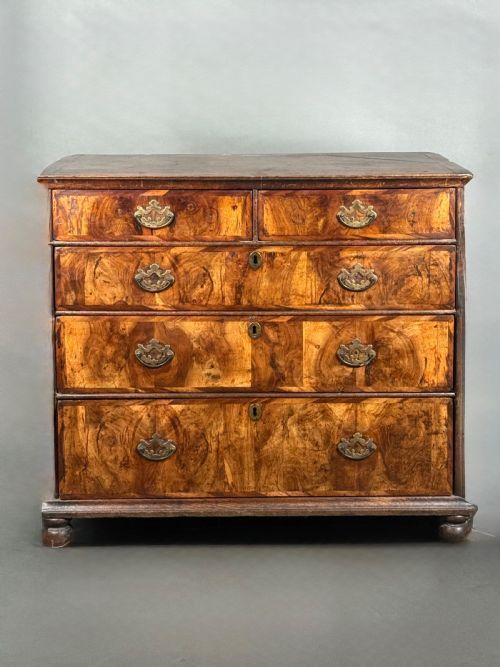
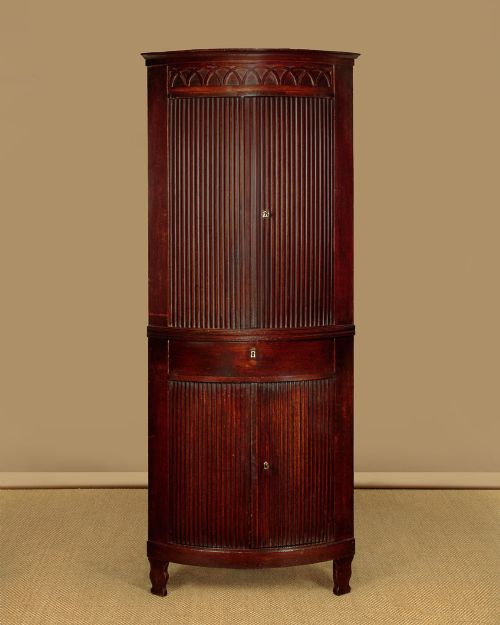
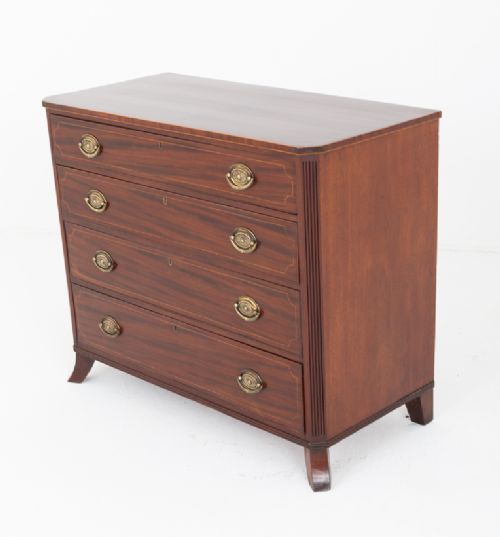
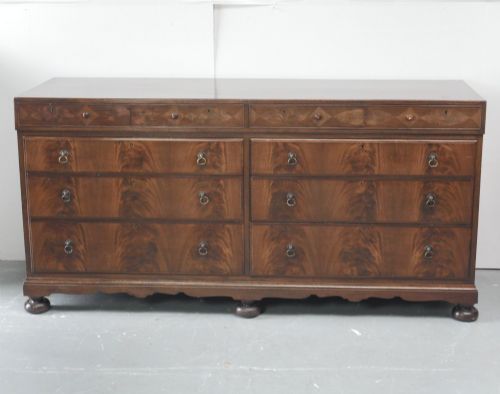
Georgian furniture encompasses practical domestic forms such as chests of drawers, bureaus, side tables, desks, armchairs, and dressers originating from the eighteenth and nineteenth centuries. Buyers searching for georgian furniture encounter authentic period items alongside later revival pieces produced in the twentieth century.
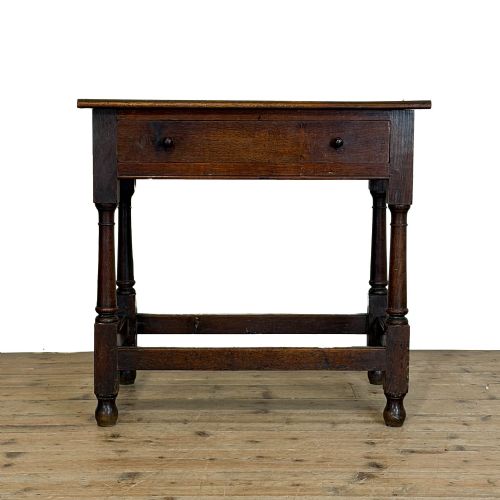
The selection includes substantial items like linen presses, secretaire bookcases, and breakfront display cabinets alongside vernacular pine and oak tables. Timbers range from early walnut and golden oak to rich mahogany and satinwood veneers.

Materials and construction
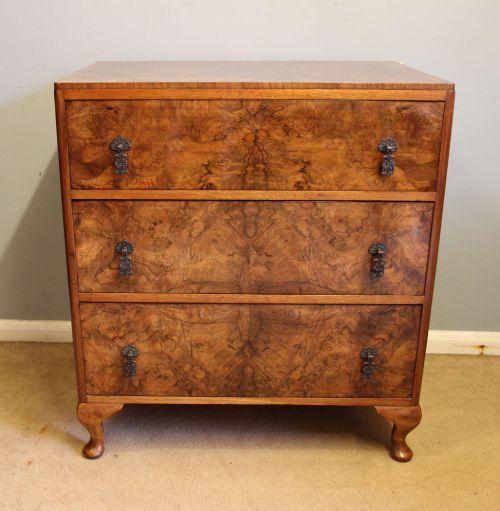
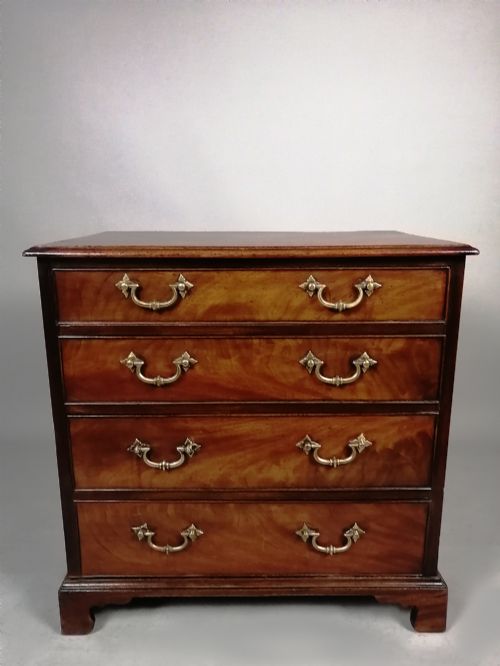
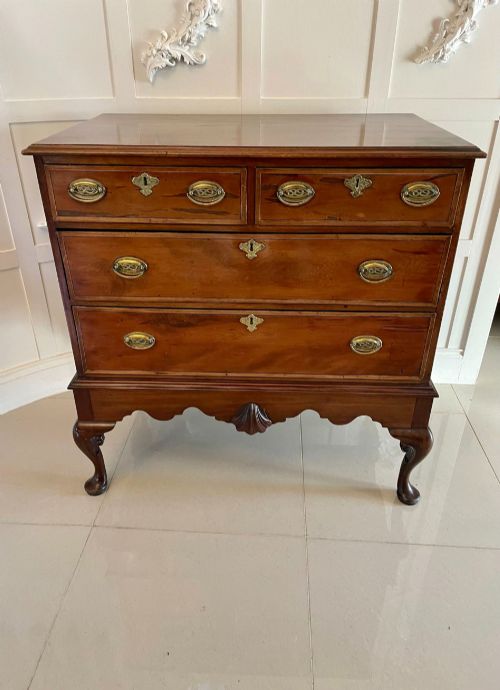
Cabinet makers utilised dense hardwoods including mahogany, oak, walnut, and yew, often applied as figured veneers over secondary timbers like pine. Surfaces frequently feature crossbanding, brass handles, and bracket feet.
Joinery methods relied on traditional techniques to build robust carcases for chests of drawers, cupboards, and dining tables designed to withstand daily use.
Listings feature oak, mahogany, walnut, and satinwood across periods spanning the eighteenth, nineteenth, and twentieth centuries.
Distinguishing quality
Quality rests upon the choice of timber figure, such as burr walnut or flame mahogany veneer, and the crispness of carved details like bracket feet or painted decoration. Finer pieces demonstrate careful timber selection and balanced proportions across secondary woods.
Makers integrated functional elements like brushing slides, compartmentalised bureau interiors, and original brass hardware smoothly into the primary design.
Whytock and Reid
The Georgian Furniture Glossary
- Bracket feet
- A stable foot style shaped like a bracket, commonly seen supporting eighteenth-century chests of drawers and cabinets.
- Brush slide
- A pull-out shelf integrated above the top drawer of a chest or bureau, used historically for writing or brushing clothes.
- Chest on chest
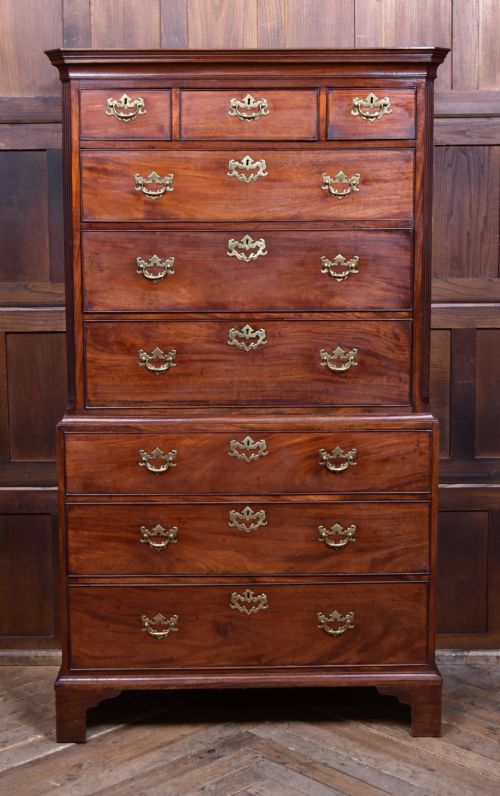
- A tall case furniture piece featuring a smaller upper chest stacked directly upon a wider lower chest.
- Torchere
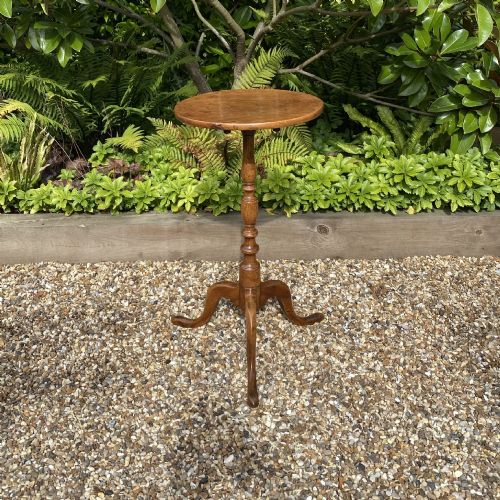
- A tall decorative stand designed to hold a candle or lamp, often executed in walnut or mahogany.
- Potboard dresser base
- A sideboard featuring an open lower shelf historically utilised for storing pots and kitchen utensils.
Georgian Furniture: Frequently Asked Questions
How do I identify a genuine period piece?
Examine the secondary timbers inside drawers and the consistency of the hand-cut joinery to determine age. Period items show appropriate wear patterns and construction methods specific to eighteenth and nineteenth-century workshops.
Compare the hardware fixing methods and timber shrinkage with known examples from the same decade to confirm authenticity.
Where should I place a bureau desk?
A bureau desk suits a study, sitting room, or hallway where its drop-front writing surface remains accessible. The compact footprint allows it to function efficiently in smaller rooms.
Keep timber surfaces away from direct heat sources and strong sunlight to protect the polish and veneer.
How do I care for antique mahogany furniture?
Dust regularly with a soft, dry cloth and apply occasional high-quality beeswax to nourish the polished wood surface. Avoid silicone-based polishes that can permanently alter the finish.
Maintain stable room humidity to prevent the solid mahogany or veneer from cracking or warping over time.
What is the difference between Georgian and Regency styles?
Georgian furniture generally displays classic proportions and carved ornamentation drawing on Palladian and Chippendale influences. Regency pieces, dating from the early nineteenth century, incorporate neoclassical motifs inspired by ancient Rome and Greece.
Regency designs often feature bolder brass inlays, rosewood or mahogany veneers, and sabre legs on seating.