



Georgian Equestrian Painting
Georgian equestrian painting captures the power of the horse and the tradition of the hunt through detailed portraiture and expansive rural landscapes.
Georgian Equestrian Painting
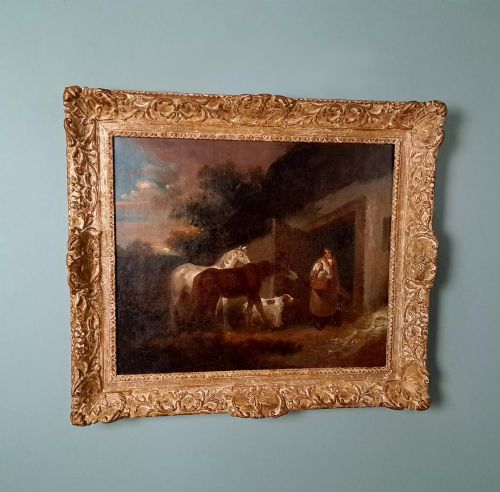
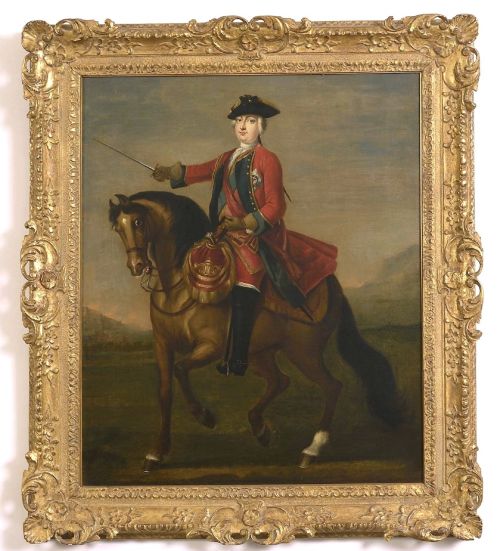
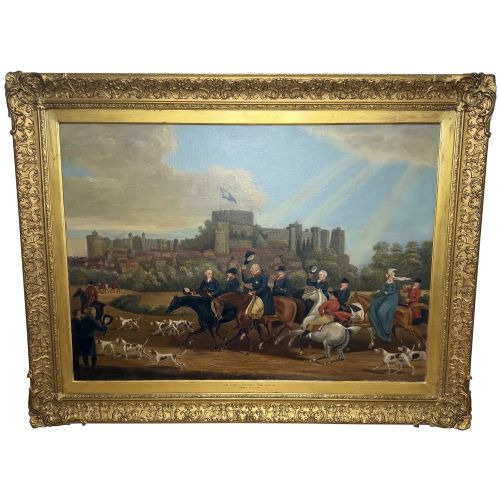
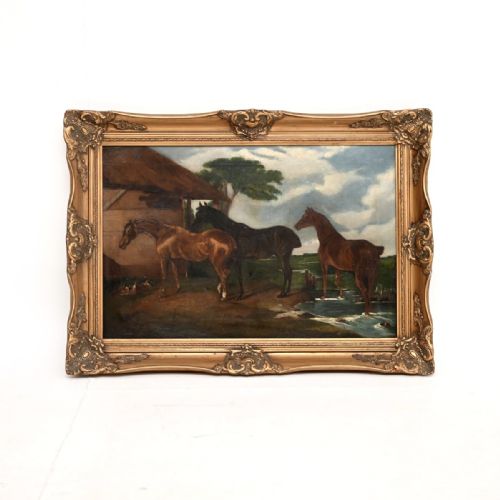
When you search for a georgian equestrian painting, you encounter works focused on horses, riders, coaches, and estate grounds set mainly across the eighteenth and nineteenth centuries. These depictions range from formal portraits of individual hunters and racehorses to lively coaching scenes and hunting parties.
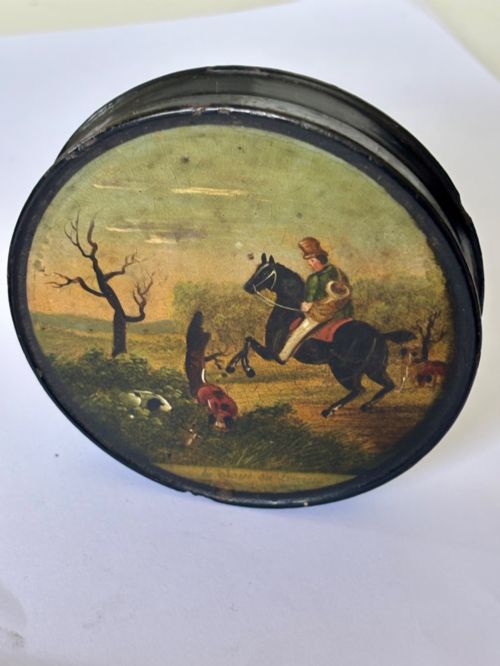
The objects on this page span oil paintings on canvas and wood panels alongside related watercolours, framed art, and folk art items such as weathervanes and snuff boxes. The selection leans heavily toward British sporting art from the nineteenth century while including earlier Georgian pieces.
Collectors find horses rendered both in tranquil stable interiors and amidst dynamic pastoral landscapes alongside grooms, dogs, and carriages. Each piece records a distinct aspect of historical rural life and equine breeding.
How they were made
Artists built these works primarily using oil paint applied to stretched canvas, wooden panels, or pine boards. Pigments were layered to create depth in the horse's coat and the surrounding landscape.
Framing often involved carved wood and gold leaf or giltwood surrounds that complemented the depth of the painted scenes. Smaller decorative objects utilised materials such as papier-mâché and mahogany.
Listings feature oil paints, watercolours, canvas, wood panels, and gold leaf across the eighteenth and nineteenth centuries.
What varies in quality
Quality rests on the precision of the animal's anatomy, the accuracy of its proportions, and the vitality of the brushwork in the landscape. Superior hands captured the muscle tension of a bay hunter or the alert expression of hounds with striking realism.
Compositional balance also separates standard decorative canvases from accomplished works by named painters. The integration of the horse with its groom, rider, or architectural backdrop dictates the visual strength of the piece.
John Wootton·Thomas Hudson·George Morland·William Williams·Abraham Cooper·Clifton Tomson·Samuel Henry Alken·John Nost Sartorius·John Vine·James Barenger·John Charles Maggs·James Pollard
The Georgian Equestrian Painting Glossary
- Equestrian Sporting Art
- Depiction of horses, hunting, and rural sports. This genre developed significantly during the Georgian and Victorian eras.
- Giltwood
- Wood carved and covered with a thin layer of gold leaf. It is frequently seen on traditional picture frames.
- Pine Panel
- A solid wood board used as a painting surface before stretched canvas became universal. It provides a rigid support for early oil works.
- Mezzotint
- A printmaking process of the intaglio family where tones are created by roughening the copper plate. It allows for subtle gradations of light and shade.
Georgian Equestrian Painting: Frequently Asked Questions
How do I identify a Georgian horse painting?
Look for clothing styles of the riders, architectural details of the background estates, and typical costume indicators like tricorne hats or riding habits.
Brushwork and canvas preparation methods also offer clues to the eighteenth-century origin of the piece.
Where were these paintings displayed originally?
These works hung primarily in the reception rooms and libraries of country houses and sporting estates.
Owners commissioned them to document prized hunters, racehorses, and successful days out with the hounds.
Are all the paintings on canvas?
While canvas remains the most common support, artists also used wooden panels, pine boards, and paper.
Smaller decorative items incorporate materials like papier-mâché for snuff boxes.
What subjects besides horses appear in these scenes?
Compositions frequently include hunting dogs, grooms, carriages, riders, and country inns.
Landscapes range from quiet stable interiors to expansive riverside estates and snowy coaching routes.