



Nineteenth Century Horse Painting
These nineteenth century horse painting works capture the power and pace of the era, offering a direct window into Victorian life and sport.
Nineteenth Century Horse Painting
A nineteenth century horse painting brings together sporting history and artistic craft, showing animals in settings ranging from hunting fields to stable interiors. Buyers searching this phrase look for authentic period works that capture the spirit of Victorian equine culture.
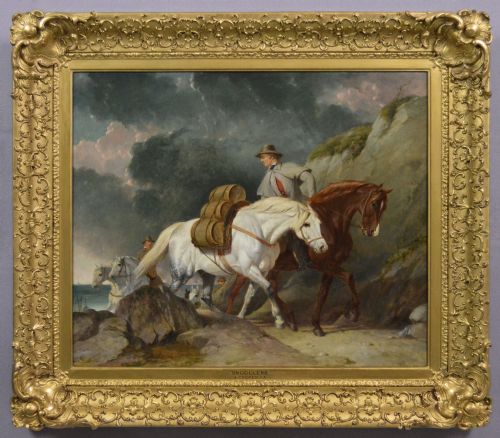
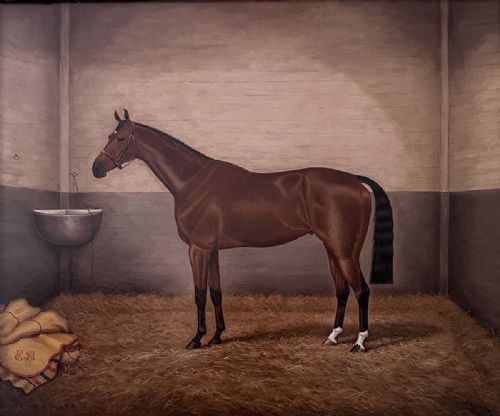
The pieces on this page span oil on canvas and delicate watercolours, reflecting both grand sporting scenes and everyday working animals. Examples vary from detailed studies of famous racehorses with jockeys up to coastal smugglers and rural cart horses.
Dating primarily from the Victorian era alongside related Georgian and Edwardian pieces, these artworks showcase the diverse ways artists of the period recorded animals. Whether signed by known hands or standing as folk art, each piece records a distinct relationship between human and horse.
Materials and construction
Painters of this era predominantly used oil on canvas or watercolour on paper, applying pigments to build rich textures and depth. Canvas works typically sit within gilt wood frames, while watercolours are mounted behind glass to protect the paper.
Support materials range from standard woven canvas to heavy paper and wood panels, reflecting the varied scale of the studios where these works were produced. The physical construction relies on traditional stretching and framing methods appropriate to the nineteenth century.
Listings feature works from the nineteenth century using oil on canvas, watercolour on paper, and gilt wood framing.
Assessing quality and execution
Quality in these works rests upon the artist's command of anatomy and movement, separating stiff renderings from paintings that convey genuine energy and presence. The handling of light on coat and landscape reveals the painter's technical skill.
The condition of the pigment and the integrity of the original canvas or paper support heavily influence the visual impact. Stronger pieces retain their initial colour balance without excessive darkening or later overpainting.
Abraham Cooper RA·Basil Nightingale·John Augustus Atkinson·Arthur Longley Vernon·Gilbert Scott Wright·Arthur Winter Shaw·Heywood Hardy·Frank Saltfleet·William Shayer Snr·Robert Thorne Waite
The Nineteenth Century Horse Painting Glossary
- Oil on canvas
- Pigment mixed with drying oil applied to a stretched woven fabric support. This technique allowed artists to achieve rich tones and subtle blending.
- Watercolour
- Fine pigment suspended in a water-soluble binder applied to paper. It produces translucent washes prized for atmospheric landscape and animal studies.
- Victorian sporting art
- A genre dedicated to depicting horses, hounds, and field sports popular during the reign of Queen Victoria. These works often record specific hunts, races, and prized animals.
- Gilt wood
- Wood carved and coated with a thin layer of gold leaf or metallic powder. Frames finished in this manner were standard for framing oil paintings of the period.
Nineteenth Century Horse Painting: Frequently Asked Questions
How do I identify a nineteenth century horse painting?
Look closely at the clothing styles of any human figures, the tack on the horses, and the framing materials, which often point to the Victorian period. Signatures, artist stamps, and exhibition labels on the reverse also help establish the date.
Examining the canvas weave and the type of stretcher frame provides further clues to the age of the piece. Comparing the subject matter to known sporting traditions of the eighteen hundreds narrows down the origin.
Where should I hang a horse painting?
These works suit traditional studies, living rooms, and hallways where their rich tones can be appreciated away from direct sunlight. Pairing them with wood furniture or period decor enhances their historic character.
Ensure the wall space remains stable in temperature and humidity to protect both the canvas and the gilt wood frame. Adequate lighting, such as a picture light, brings out the fine details in the brushwork.
What is the difference between oil and watercolour?
Oil paintings use thick pigments on canvas that offer deep colours and visible brush texture, while watercolours use translucent washes on paper. Oils are more robust, whereas watercolours require protection behind glass from moisture and light.
Watercolours often capture softer atmospheric effects, while oils excel at rich depictions of coats and landscapes. Both mediums were widely used throughout the nineteenth century for equine subjects.
Are these paintings signed by the artist?
Some pieces feature clear signatures or initials by known painters, while others remain unsigned works from regional studios. Unsigned paintings can still possess high artistic merit through their accomplished brushwork and composition.
Signatures should be examined under appropriate light to ensure they are contemporary with the paint layer. Attribution by experts often relies on style, palette, and documentary records rather than a signature alone.