
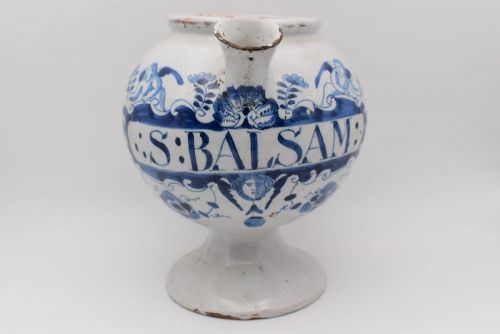


Georgian English Delftware
Georgian English delftware comprises tin-glazed earthenware dishes, bowls, and jars that bring tactile warmth and hand-painted character to any room.
Georgian English Delftware
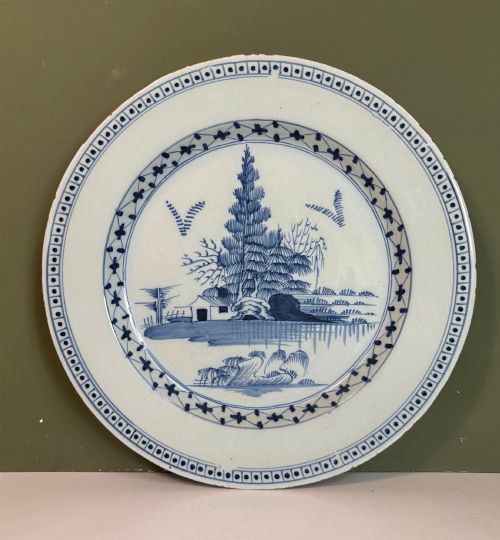
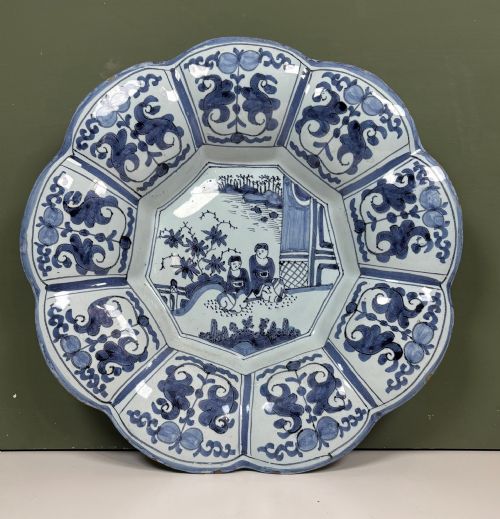
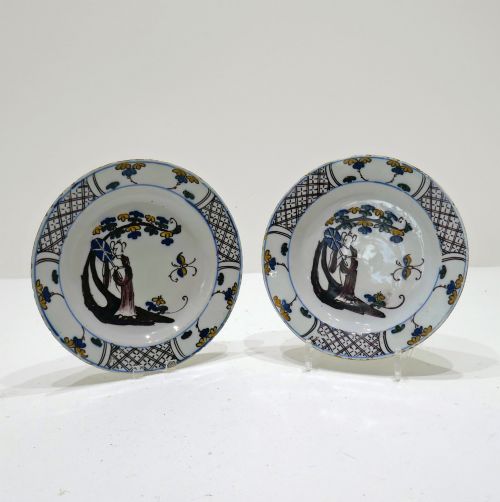
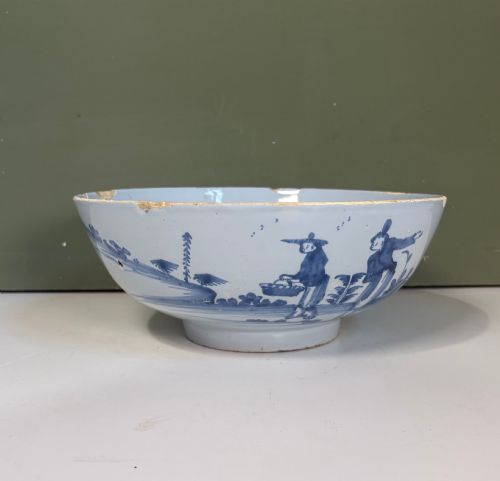
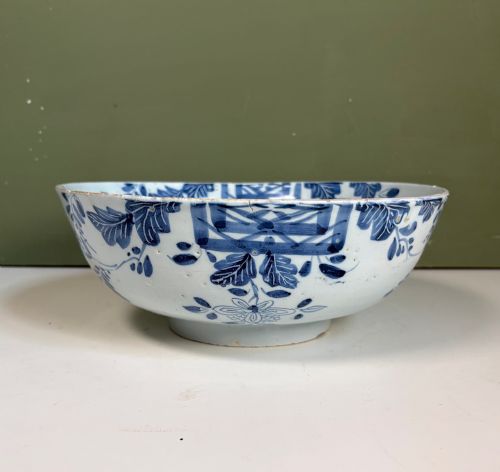
When you search for georgian english delftware, you encounter ceramics produced across the eighteenth century in centres such as Lambeth and Bristol. The forms on this page include decorative plates, large chargers, bowls, drug jars, bottles, salt cellars, and jugs.
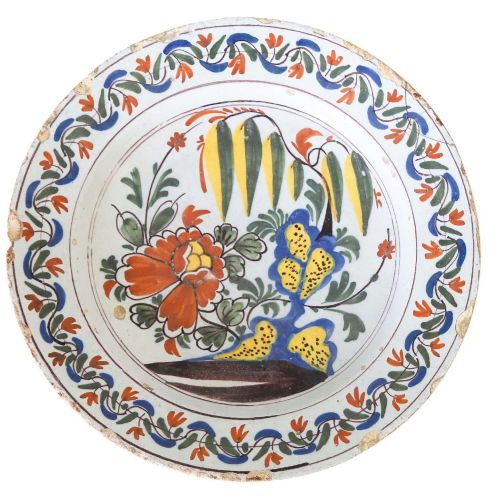
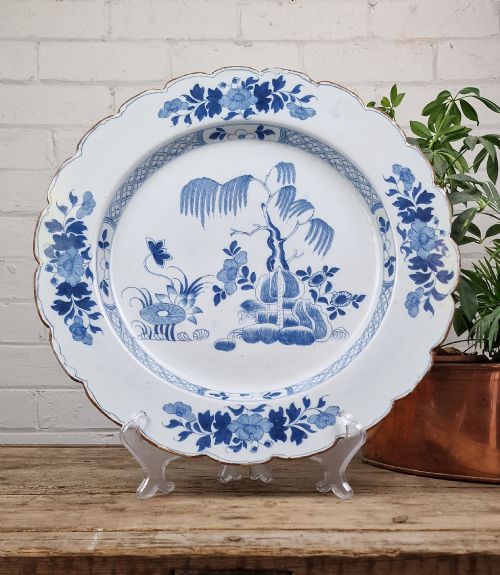
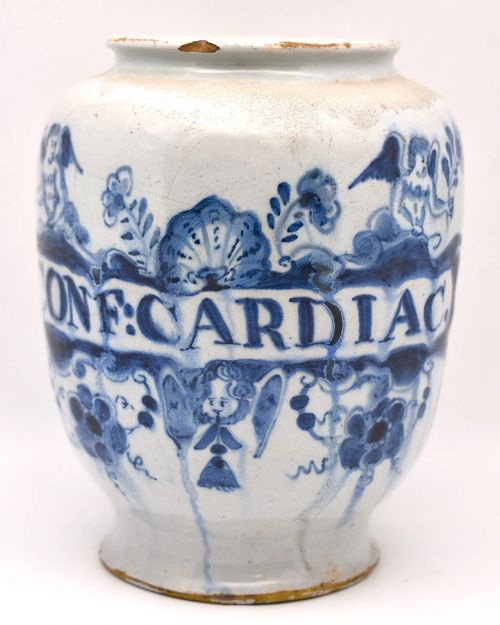
The most common items you meet are plates and chargers decorated with cobalt blue or polychrome pigments. These pieces range from simple domestic tableware to apothecary jars marked for medical use.
How they were made
Potters shaped these objects from earthenware bodies before coating them in a tin glaze that provided an opaque white surface. Cobalt oxide and other pigments were then painted directly onto the raw glaze before firing.
The absorption of the pigment into the porous tin glaze created soft edges and distinctive brushwork. This technique yielded the characteristic glossy finish seen on eighteenth-century English examples.
Listings feature eighteenth-century earthenware formed into plates, chargers, bowls, and apothecary jars using tin glaze and cobalt pigment.
What varies in quality
Quality rests primarily in the confidence and clarity of the hand-painted decoration. Crisp floral motifs, well-rendered figures, and balanced compositions set superior chargers and plates apart from stiffer, more hurried work.
The stability and thickness of the tin glaze also determine quality. A smooth, even surface with minimal pooling or dry patches preserves the visual impact of the cobalt blue and polychrome pigments.
Lambeth Pottery·Bristol Delft
The Georgian English Delftware Glossary
- Charger
- A large ornamental or serving plate intended for display on walls or sideboards rather than everyday dining. These large vessels often carry the most ambitious painted scenes.
- Polychrome
- Decoration employing multiple colours rather than a single pigment. In these pieces, greens, yellows, reds, and blues appear together on the tin glaze.
- Tin glaze
- An earthenware glaze made opaque by the addition of tin oxide. It provides the white background essential for painting delftware ceramics.
- Chinoiserie
- European decorative motifs inspired by Chinese art and porcelain. This style appears frequently on eighteenth-century chargers and plates.
Georgian English Delftware: Frequently Asked Questions
What is georgian english delftware?
Georgian English delftware refers to tin-glazed earthenware vessels made in England during the eighteenth century. They include plates, chargers, bowls, and apothecary jars decorated with hand-painted pigments.
These pieces combine local earthenware bodies with an opaque white tin glaze. They were produced in pottery centres such as Lambeth and Bristol.
How were apothecary jars used?
Apothecary jars and drug jars held medicinal preparations, syrups, and dry ingredients in eighteenth-century shops. They often featured painted labels or marks to identify specific contents.
Because they were made of tin-glazed earthenware, they kept contents sealed away from moisture. Surviving examples often display specific pharmaceutical abbreviations and painted cartouches.
How do I care for delftware?
Display these pieces securely on plate stands or wall hangers to prevent accidental knocks. Keep them away from damp environments and direct sunlight to protect the glaze and pigments.
Cleaning should be limited to gentle dusting with a soft dry cloth. Avoid washing antique tin glaze in water, as the porous earthenware body can absorb moisture through hairline cracks.
How do I spot a charger?
A charger is a large plate measuring significantly wider than standard dining ware, usually intended for display. Eighteenth-century examples often feature hanging holes drilled into the footrim.
These large surfaces provided potters with space for complex floral arrangements or figures. They form some of the most striking visual objects within eighteenth-century ceramics.
What is polychrome decoration?
Polychrome decoration involves using a palette of several colours instead of a single pigment. On these pieces, it usually means combining blues, greens, yellows, and reds.
Potters painted these pigments directly onto the unfired tin glaze. The resulting colours soften slightly during the high-temperature kiln firing.