

Georgian Drop Leaf Side Table
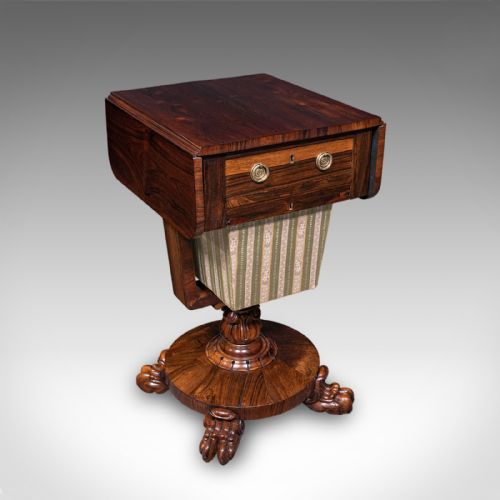
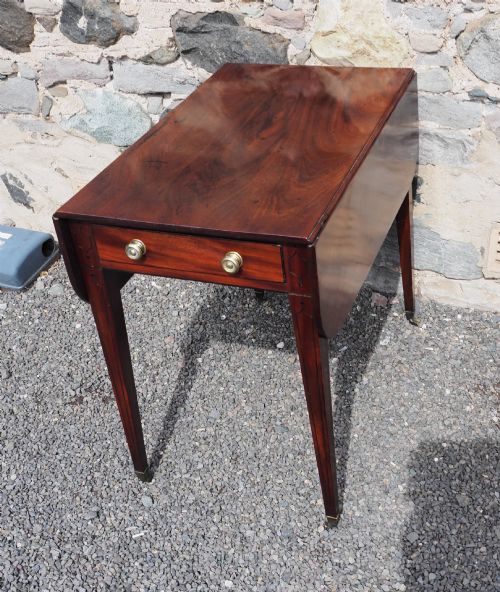
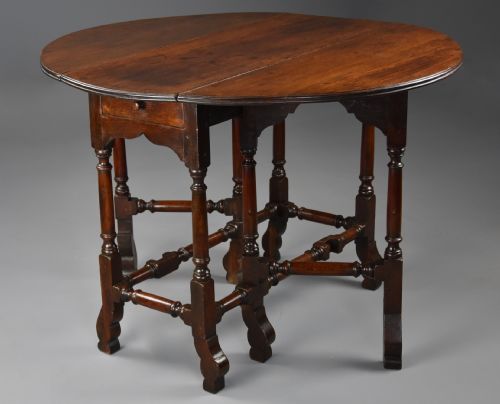
These pieces of a georgian drop leaf side table offer folding leaves and useful surfaces, combining the practicality of period engineering with timeless timber forms.
Georgian Drop Leaf Side Table
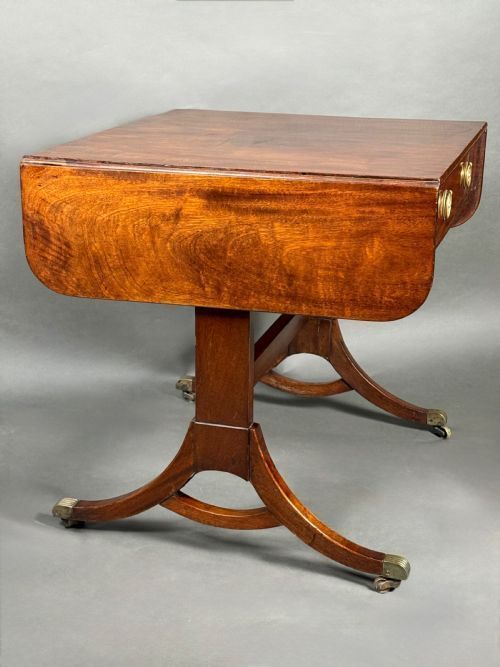
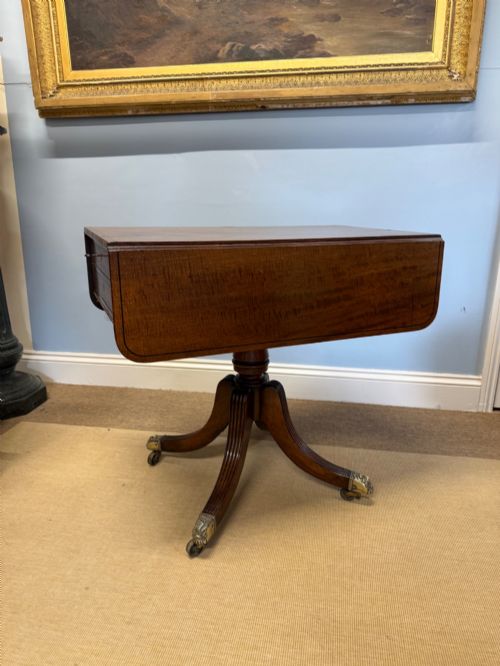
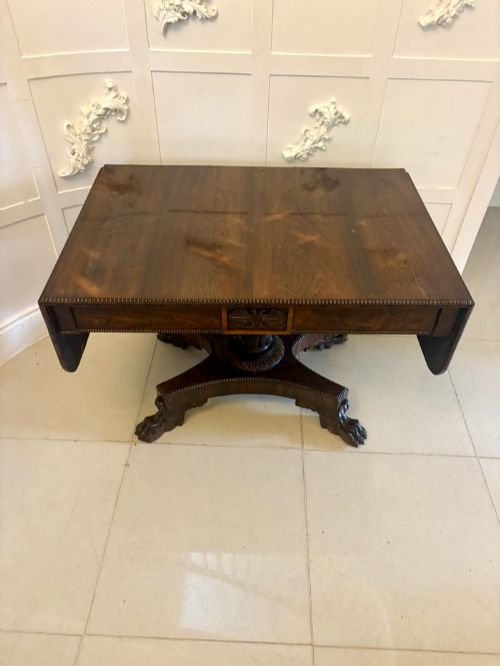
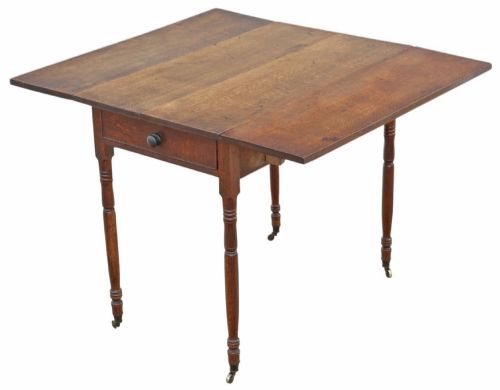
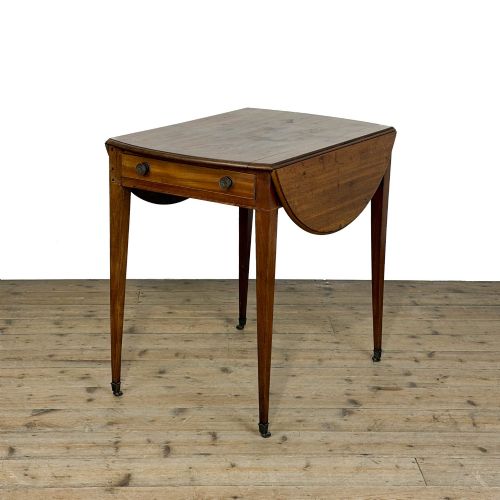
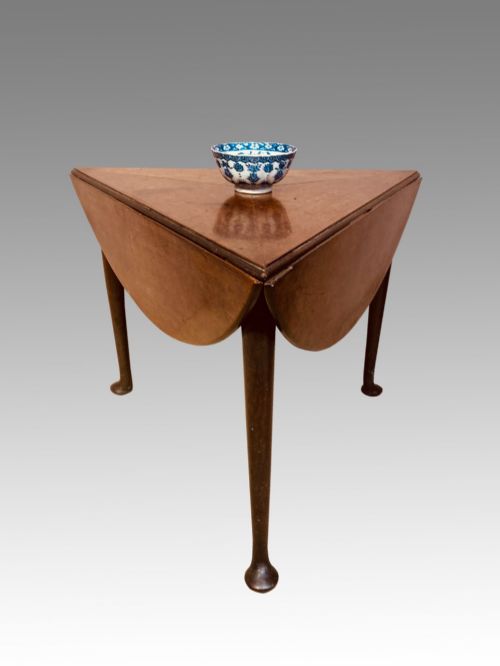
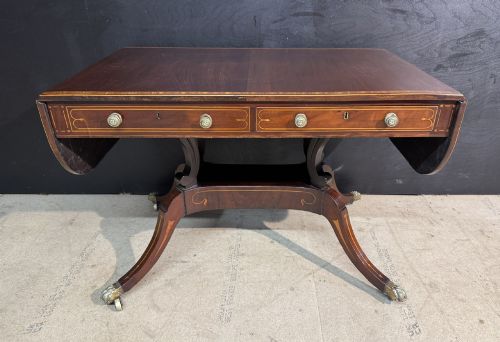
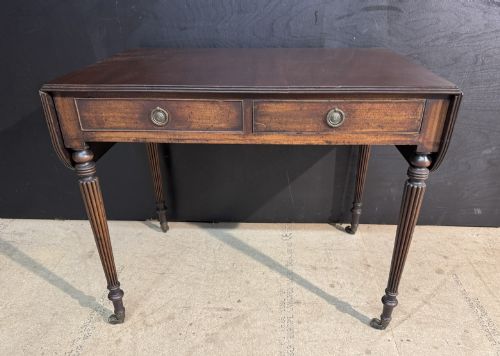
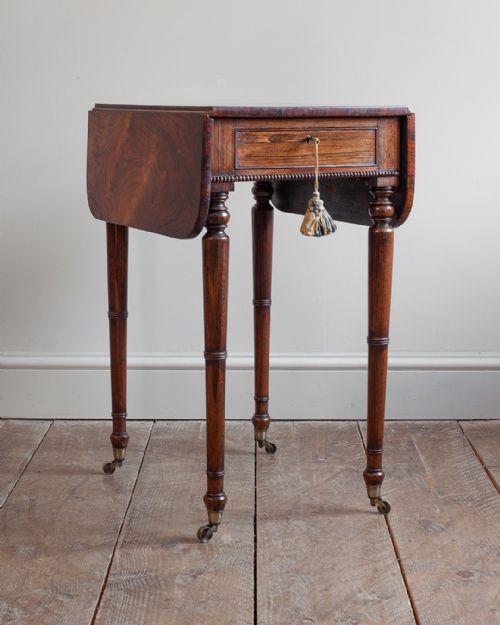
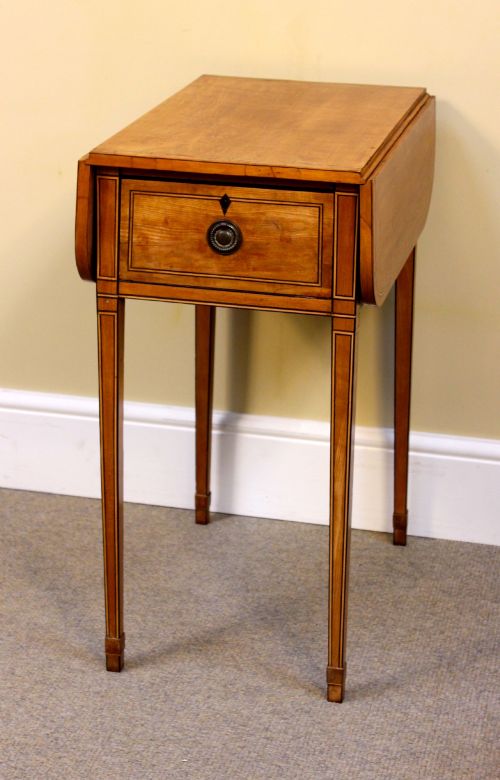
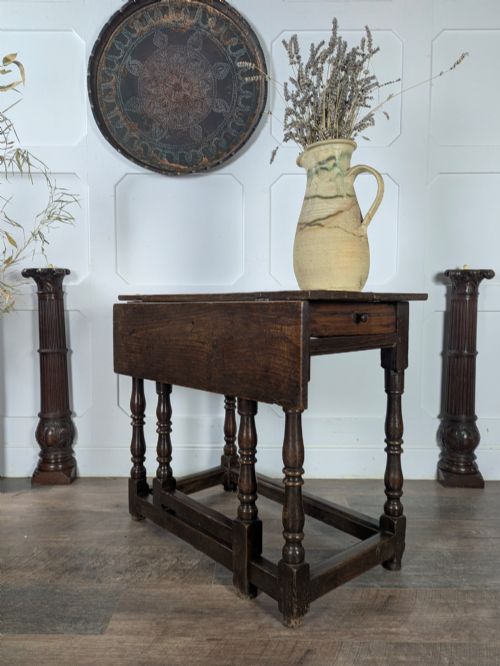
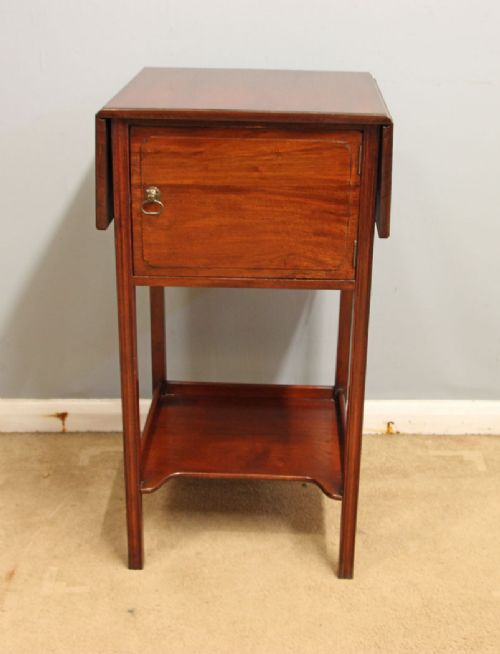
A georgian drop leaf side table brings together centuries of domestic utility, spanning the eighteenth century, the regency period, and nineteenth-century revivals. The listings demonstrate that buyers encounter various forms under this heading, including Pembroke tables, sofa tables, gateleg tables, and occasional tables with hinged leaves.
The evidence shows these tables appearing in formats designed for dining, sewing, writing, or bedside use. Solid oak country pieces share space with finely figured mahogany, rosewood, and satinwood examples intended for formal parlours and drawing rooms.
How They Were Made
Cabinet makers utilised dense hardwoods, notably mahogany, oak, and walnut, often applying flame veneers or contrasting wood inlay such as boxwood to enhance the visual depth of the top. Solid timbers provided structural integrity for gateleg and Pembroke mechanisms, while brass fittings reinforced drawers and castors.
Joinery techniques relied on sturdy framing to support the hinged drop flaps, allowing leaves to drop smoothly when not in use. Surfaces received polished finishes that accentuated the natural grain and patina developed over decades.
Some diminutive sewing tables provided hidden compartments for thread and needles alongside their folding flaps.
What Varies in Quality
The distinction between standard examples and finer works rests upon the selection of timber, such as figured mahogany or rosewood, and the precision of decorative inlays. Finer specimens display careful matching of wood grain across the drop leaves and the main top.
Proportion and scale also dictate the character of the piece, with smaller, delicate proportions and subtle carving separating everyday utilitarian furniture from the sophisticated output of high-status workshops.
The Georgian Drop Leaf Side Table Glossary
- Pembroke table
- A small drop-leaf table with hinged flaps on either side, frequently featuring one or more small drawers.
- Sofa table
- A rectangular occasional table designed to stand in front of a sofa, typically featuring drop leaves at the ends and twin pedestals or trestle supports.
- Gateleg table
- A table with hinged leaves supported by legs that swing outward like a gate to hold the flaps in place.
- Cross banding
- A border strip of veneer laid around the edge of a table top with the grain running perpendicular to the central panel.
- Patina
- The surface sheen and mellowing of colour developed by wood and polish through age and use.
Georgian Drop Leaf Side Table: Frequently Asked Questions
What is a pembroke table?
A Pembroke table is a versatile form featuring drop flaps on opposing sides and a drawer beneath the top.
These tables were originally designed for light dining or writing in breakfast rooms and parlours.
How do you use a drop leaf table?
Drop leaf tables function as compact side tables when the flaps hang down against the sides.
Raising the leaves and securing them with folding brackets or swing legs creates a larger surface for dining or writing.
What woods were used in georgian tables?
Cabinet makers predominantly worked with mahogany, oak, and walnut during the eighteenth and early nineteenth centuries.
Exotic timbers like rosewood and satinwood appear alongside decorative inlays of boxwood on later or more elaborate pieces.
How do I tell an 18th century table from a regency one?
Eighteenth-century examples often display simpler mahogany or solid oak construction, including gateleg and early Pembroke forms.
Regency pieces frequently incorporate rosewood, brass detailing, and distinct sofa table proportions with trestle bases.