

Georgian Drop Front Desk
A georgian drop front desk brings handsomely figured timber and clever writing compartments into daily service.
Georgian Drop Front Desk
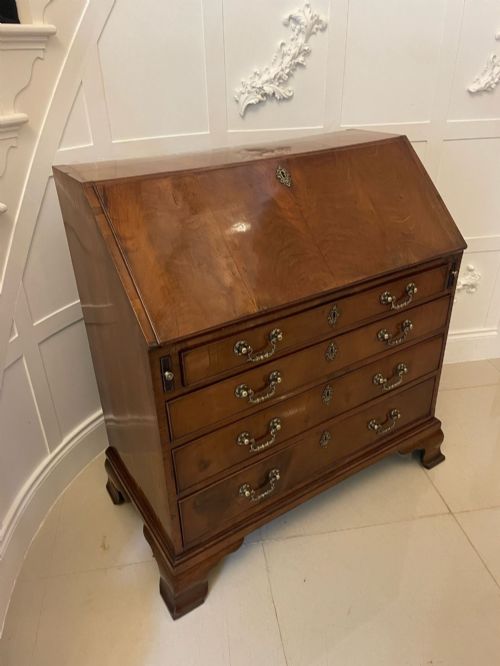
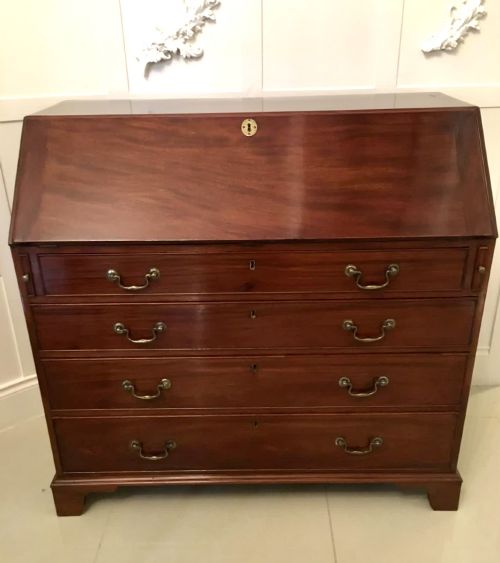
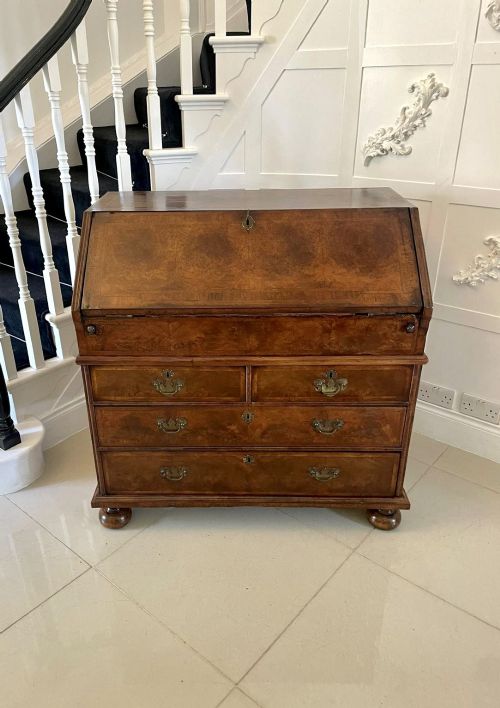
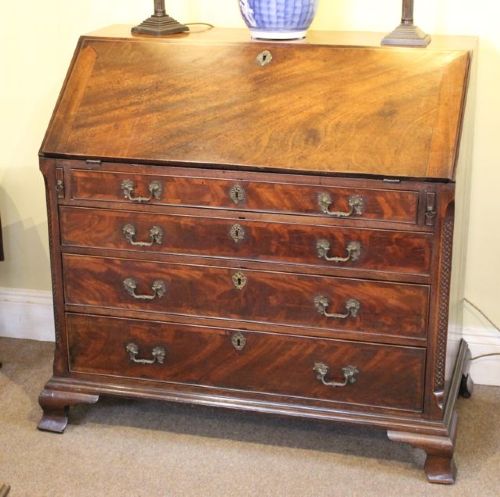
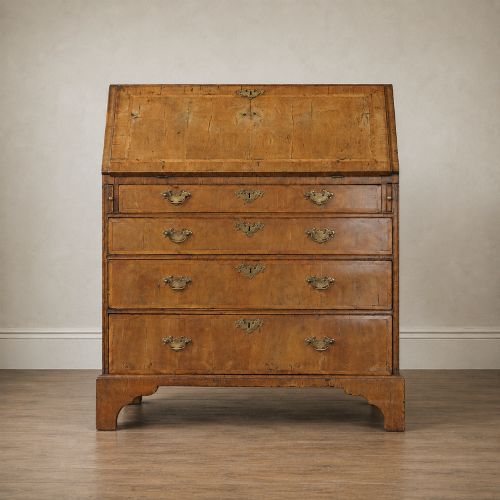
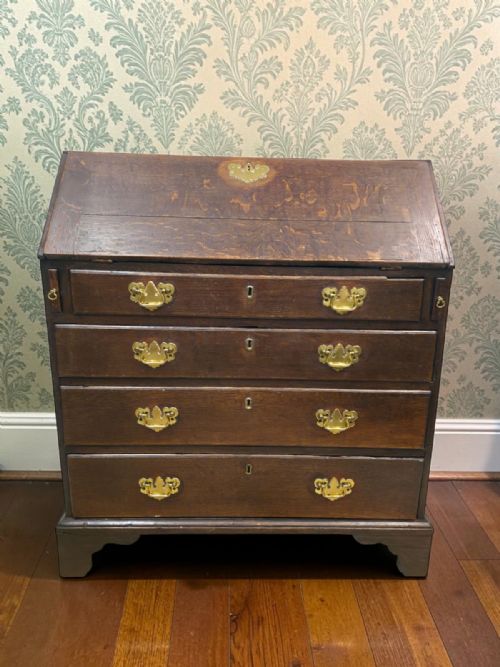
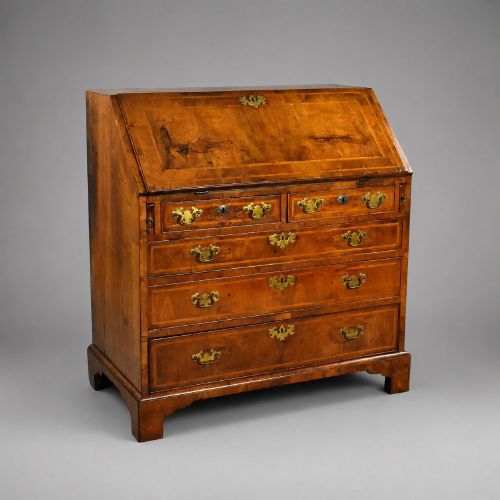
A georgian drop front desk combines a sloped or fall-front writing surface with concealed drawers and pigeonholes, often surmounted by a tall bookcase cabinet. You encounter these writing pieces across the eighteenth and nineteenth centuries, spanning eras from Queen Anne through to the Regency and Victorian periods.
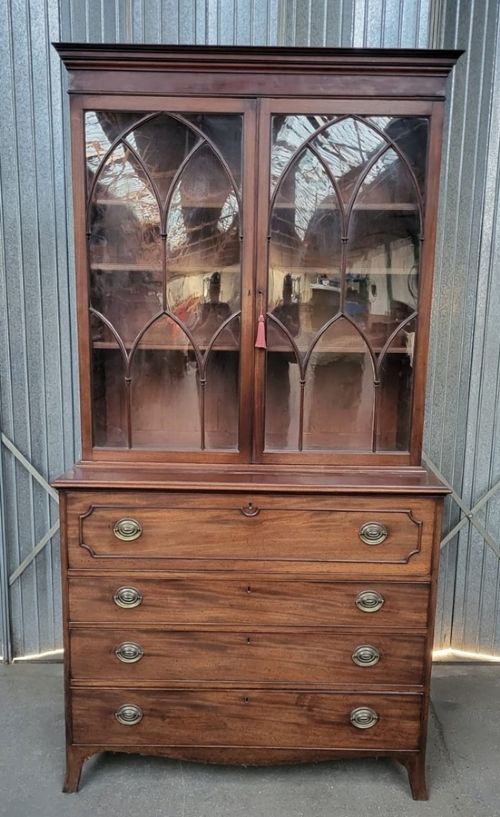
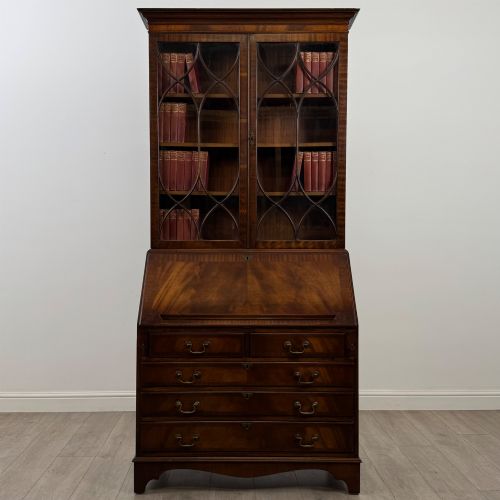
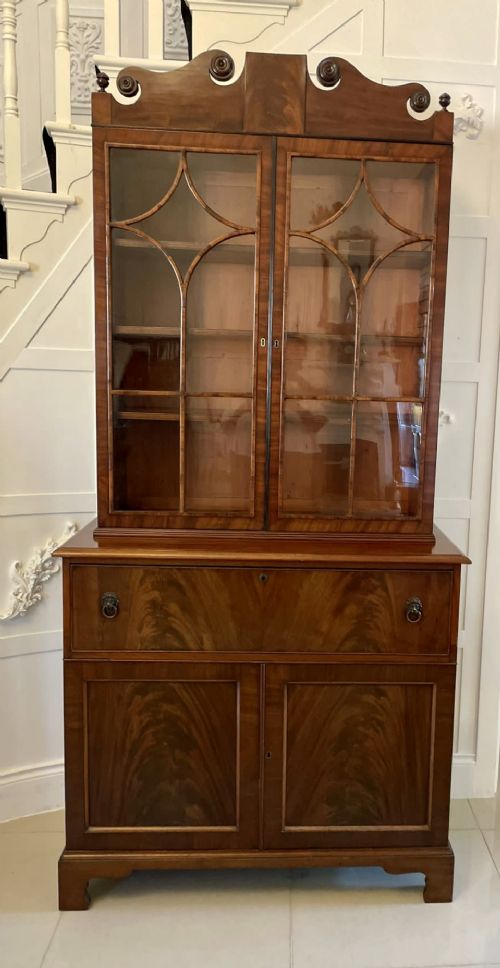
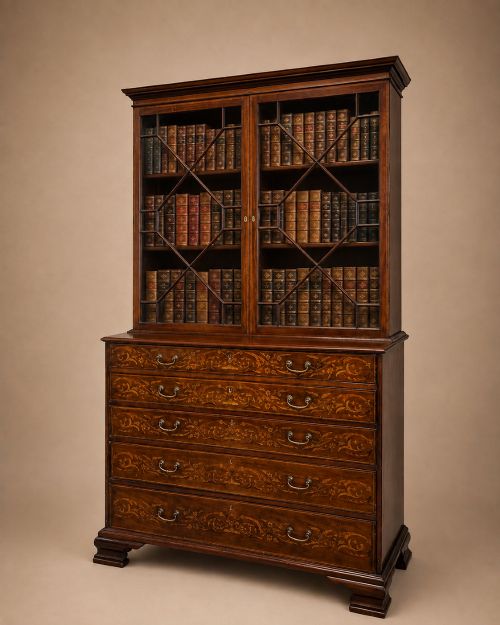
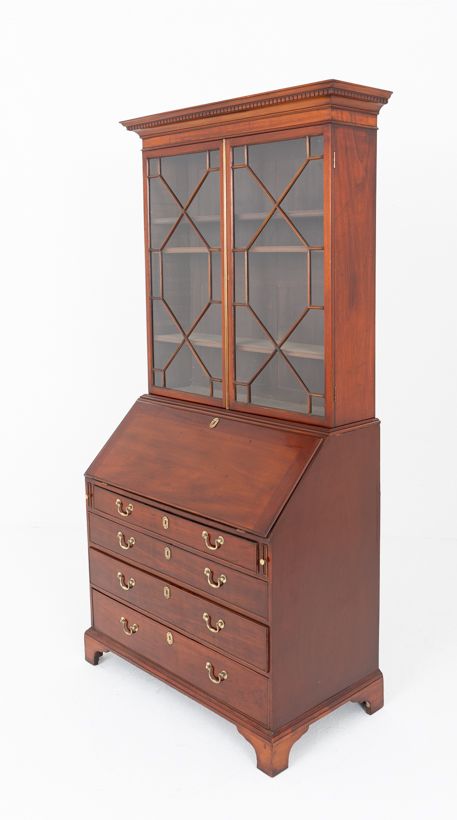
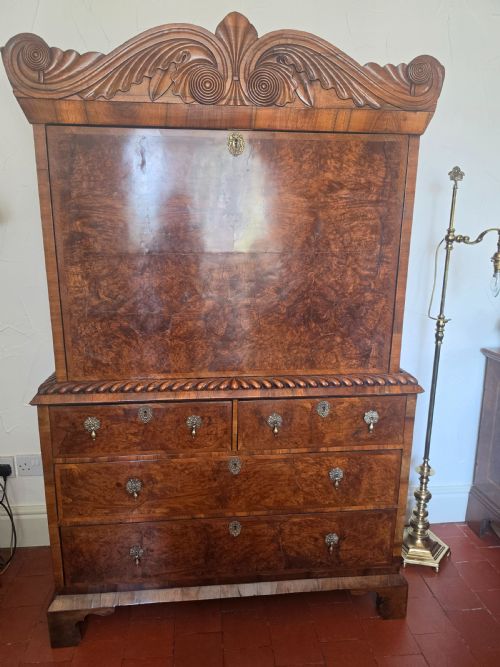
The primary forms on this page include simple freestanding bureaux, bureau bookcases with glazed upper doors, and tall escritoires in oak, mahogany, and walnut. These dual-purpose items served domestic studies and parlours for managing correspondence and storing volumes securely.
Makers and workshops constructed these desks in varying proportions, from diminutive table-top stands to large two-part bureau bookcases fitted with multiple internal compartments.
Materials and construction
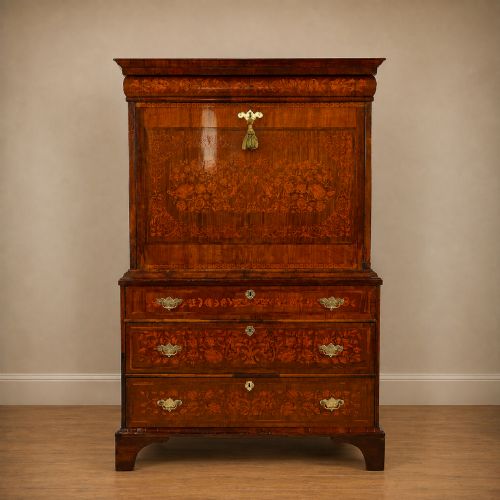
Cabinet makers built these pieces using solid timbers and decorative veneers such as mahogany, oak, walnut, burr walnut, and satinwood. Finer examples utilise herringbone inlay, floral marquetry, and brass hardware to accentuate the fall-front writing flap.
The internal writing compartment, or nest, relies on tightly joined pigeonholes and small drawers housed behind the drop front. Upper bookcase sections frequently feature glazed timber lattice doors to display leather-bound volumes.
Georgian Drop Front Desk Retail Price Guide 2026
Typical asking prices for georgian drop front desk among the pieces listed under this phrase on Sellingantiques today, from the lower quarter to the upper quarter. They describe what is for sale here now, not the wider market.
Secret compartments hidden behind pigeonholes rewarded inquisitive owners with safe storage for private correspondence.
The markers of quality
Superior examples display deeply figured mahogany or burr walnut grains selected for visual impact across the fall front and drawer fronts. The crispness of internal drawer dovetailing and the restraint of marquetry or inlay separate accomplished cabinet work from standard production.
Proportion and scale dictate the visual balance of taller secretaire bookcases and bureau cabinets. Well-preserved original brass handles, operational locks, and integrated bracket feet sustain the integrity of the piece.
Gillows of Lancaster
The Georgian Drop Front Desk Glossary
- Bureau
- A desk featuring a sloping fall-front flap that opens to reveal a fitted interior of small drawers and pigeonholes. This term frequently overlaps with desk and escritoire forms.
- Secretaire bookcase
- A tall cabinet combining a fitted writing drawer or drop-front desk section with upper shelves enclosed by glazed doors. These dual-purpose items served libraries and reception rooms.
- Escritoire
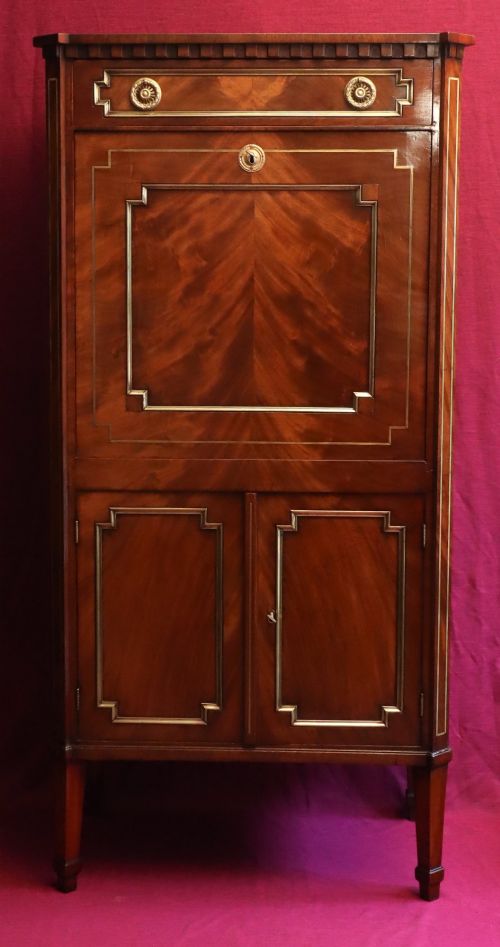
- A writing cabinet with a vertical fall front that drops down to form a writing surface, often raised on a stand or chest of drawers. Early examples date to the seventeenth and eighteenth centuries.
- Burr walnut
- A highly prized wood veneer showing knotted, swirling grain patterns harvested from tree growths. Cabinet makers utilised it on premium desks to create rich decorative surfaces.
- Marquetry
- The art of forming decorative patterns using thin veneers of different coloured woods and materials. Floral designs frequently embellish walnut writing furniture from the eighteenth century.
Georgian Drop Front Desk: Frequently Asked Questions
How do I date a bureau?
Dating relies on timber choices, construction techniques, and handle styles across different periods. Walnut and oak dominate earlier seventeenth and early eighteenth-century pieces, while mahogany becomes prevalent later.
Secondary woods inside drawers, dovetail construction, and foot styles help narrow the decade of manufacture.
Where were these desks placed?
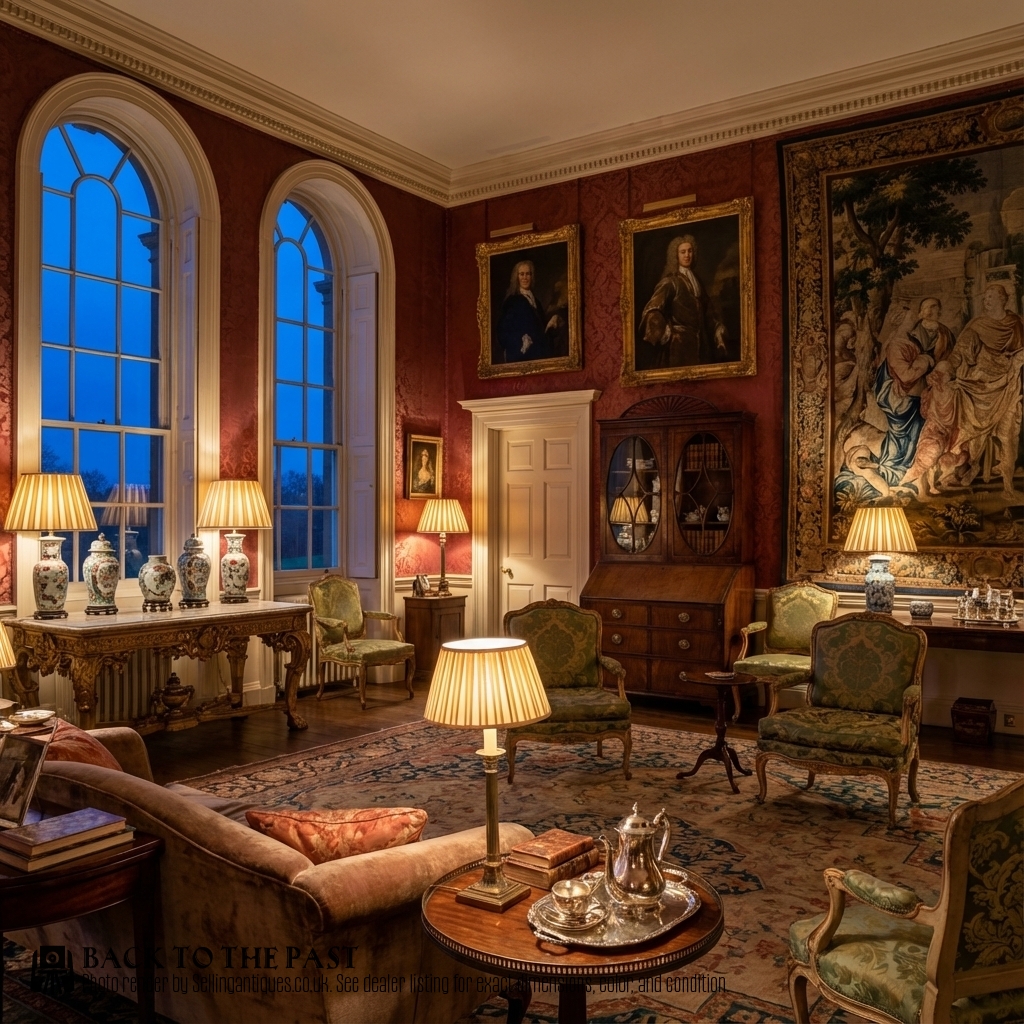
These pieces sat in parlours, private studies, and bedchambers where owners managed personal letters and household accounts. Their upright profile saved floor space while offering substantial storage.
Tall bureau bookcases doubled as libraries for displaying valuable volumes behind glazed doors.
How do I maintain the wood?
Keep wooden surfaces away from direct sunlight and steady heat sources to prevent timber splitting and veneer lifting. Regular dusting with a dry lint-free cloth preserves the polish.
Occasional application of appropriate wax feeds traditional finishes without building up residue.