

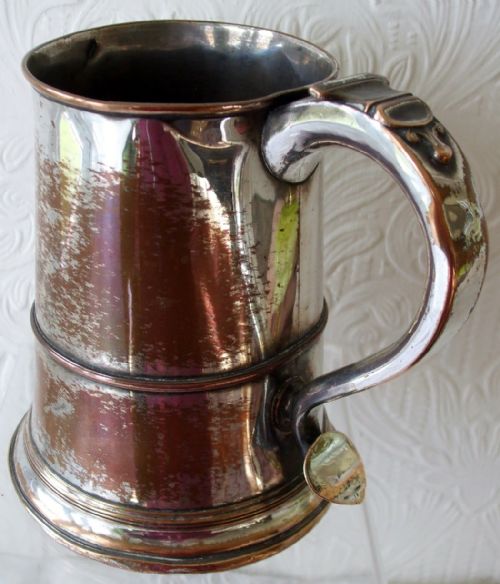


Georgian Drinking Vessel
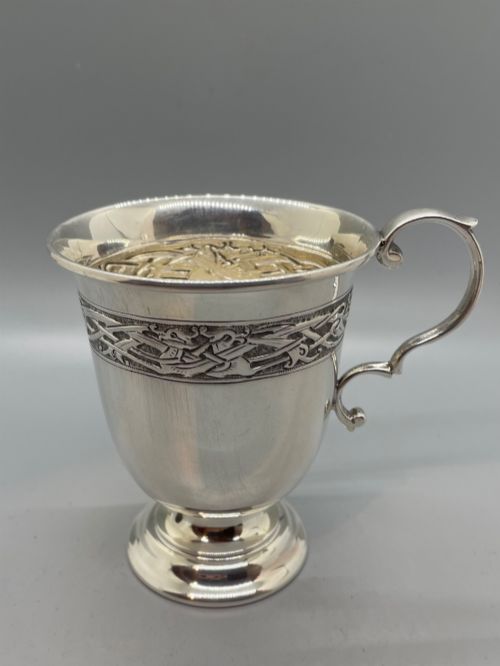
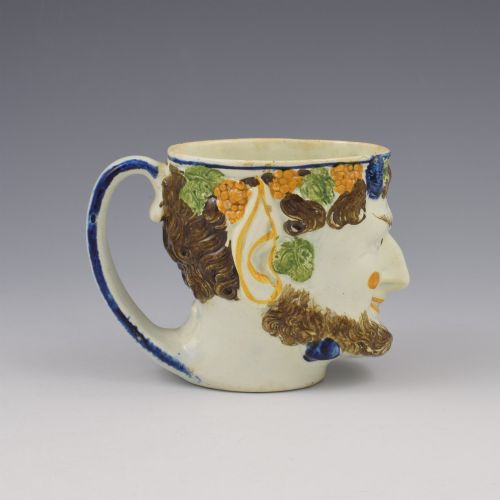
A georgian drinking vessel brings seventeenth and eighteenth century social life to the table through tactile materials like lead glass, horn and silver.
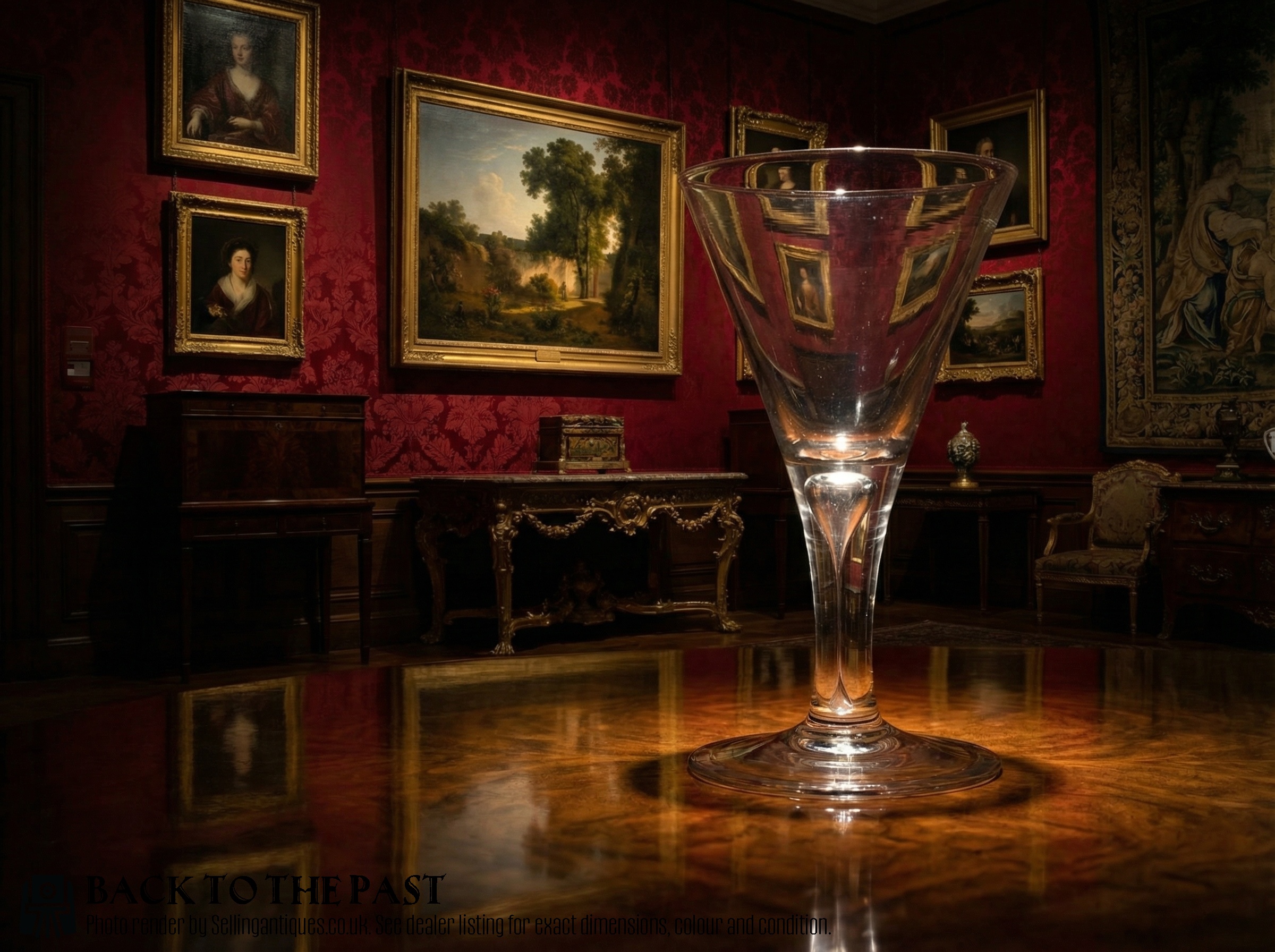
Identifying a georgian drinking vessel
Buyers searching for a georgian drinking vessel encounter glassware, beakers and cups originating from the eighteenth century. These pieces reflect the functional and social habits of the Georgian era.
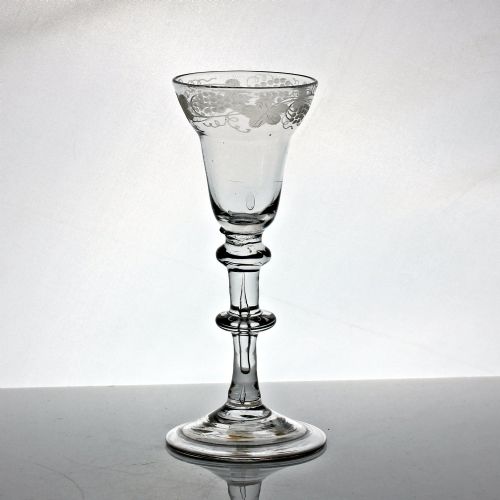
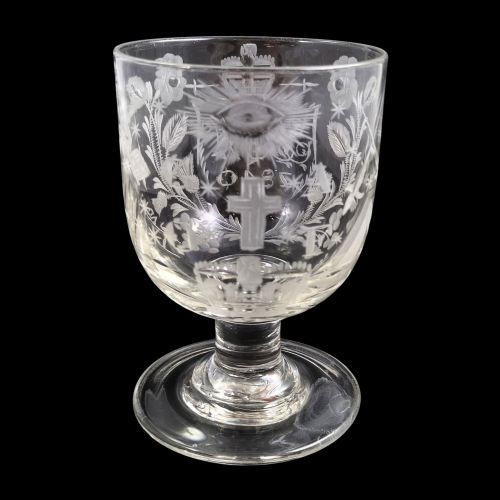
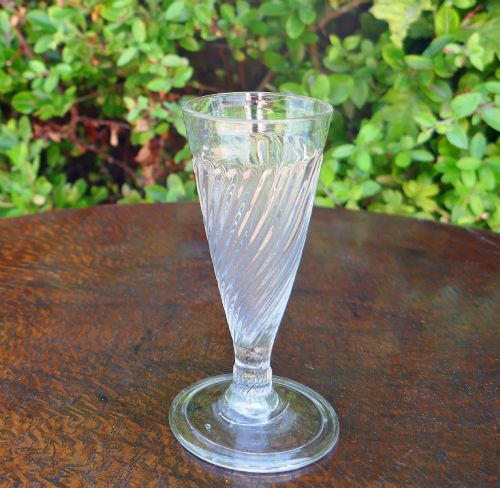
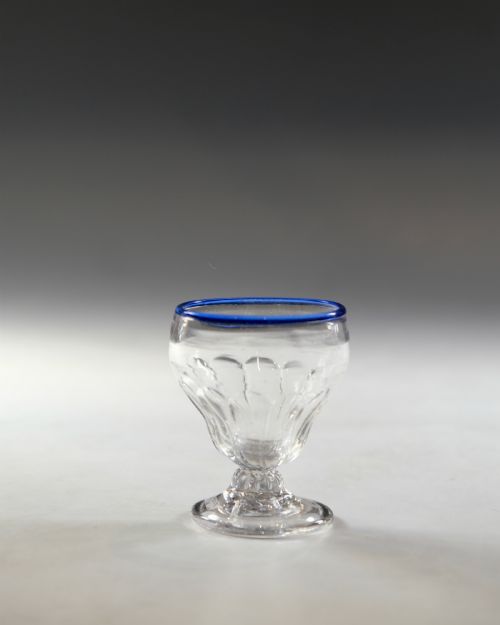
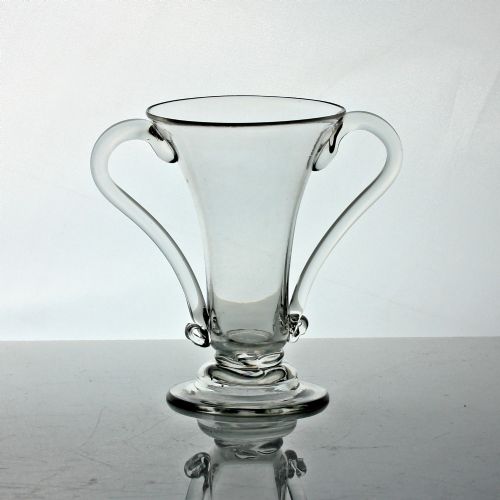
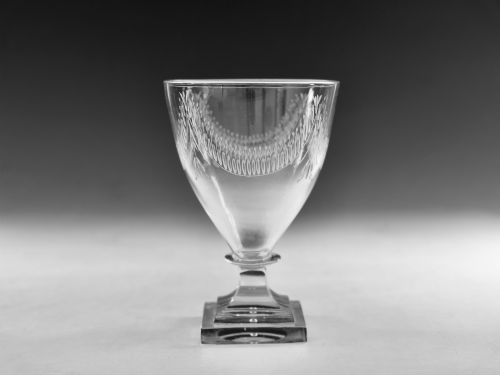
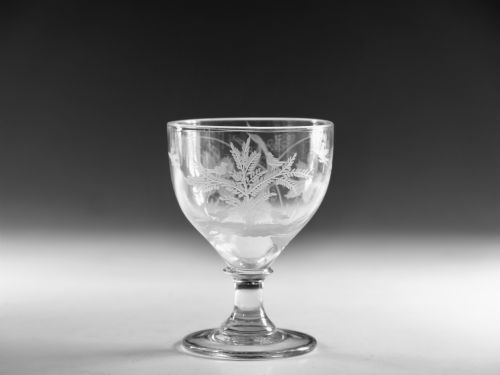
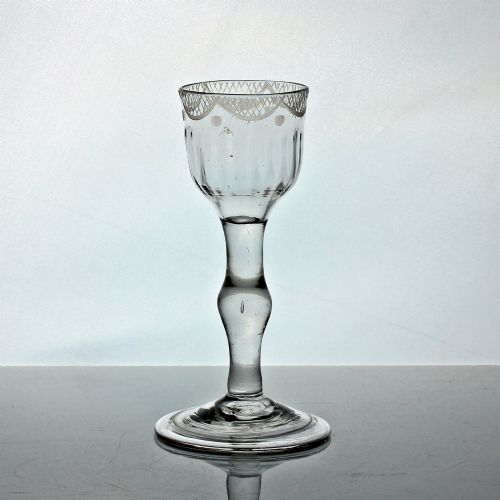
The selection on this page centres on English manufacture, featuring distinct forms such as rummers, balustroid wine glasses, plain stem goblets and folk art horn beakers.
Materials and construction
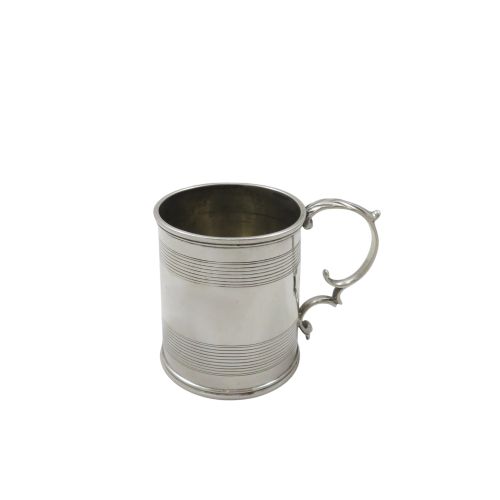
Makers utilised lead glass, lead crystal and silver alongside organic materials such as horn to produce these drinking vessels. Each material required specific forming and finishing techniques appropriate to the period.
Glass pieces demonstrate eighteenth-century glasshouse methods, resulting in sturdy rummers, balustroid stems and plain stem goblets with traditional tactile qualities.
Retail Price Guide 2026
Typical UK retail prices for georgian drinking vessel, calculated from the Sellingantiques database of over a million retail prices indexed since 2003. This retail price guide relies exclusively on Sellingantiques data; no external sources or auction records are used, so the figures do not describe the wider market.
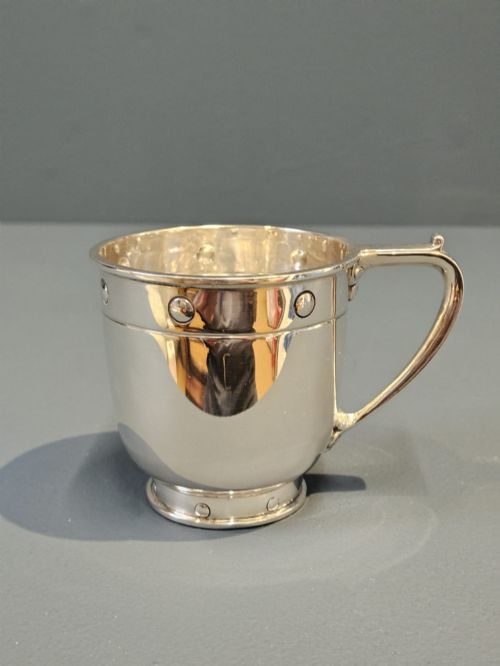
Current listings comprise eighteenth-century pieces in lead glass, lead crystal, horn and silver, representing both refined glassware and folk art.
Judging quality and character
Quality separates simple utility wares from more ambitious glassware and folk art pieces through the handling of the material. Weight, clarity in the glass and the organic shaping of horn dictate the standing of an individual item.
Form and proportion distinguish the output, where the balance of a balustroid stem or the sturdiness of a rummer shows the skill of the maker.
The Georgian Drinking Vessel Glossary
- Rummer
- A heavy drinking glass with a short stem and capacious bowl, popular in the eighteenth and nineteenth centuries for serving rum, beer or wine.
- Balustroid
- A glass stem form derived from the architectural baluster, featuring swelling profiles characteristic of mid-eighteenth-century English drinking vessels.
- Plain stem
- A straight, unornamented glass stem produced during the eighteenth century.
- Folk art
- Utilitarian objects made by self-taught or traditional makers, utilising accessible materials like horn.
Frequently Asked Questions
What is a rummer?
A rummer is a robust glass vessel featuring a short stem and a rounded bowl. These pieces were designed for everyday tavern or domestic use.
They commonly appear in eighteenth-century English contexts and handle heavier drinks than delicate wine glasses.
How are horn beakers made?
Horn beakers are fashioned from animal horn through heating, pressing and shaping techniques. This organic material yields lightweight, durable vessels.
Examples from the Georgian folk art tradition display simple, direct manufacturing methods.
What does balustroid mean?
Balustroid describes a stem style on drinking glasses that mimics architectural balusters. This form appears on mid-eighteenth-century English pieces.
The profile swells and tapers beneath the bowl.
How do I date these vessels?
Dating relies on stylistic markers, material composition and manufacturing traits associated with the eighteenth century. Forms like plain stems and balustroids provide clear chronological clues.
Comparing known periods helps establish the age of each piece.