




Georgian Derby Porcelain Figure
These porcelain figures capture mythological deities, pastoral characters and animals modelled during the eighteenth and early nineteenth centuries.
Georgian Derby Porcelain Figure
A georgian derby porcelain figure embodies the sculptural ambition of English ceramicists working from the mid-eighteenth century onwards. These objects range from mythological subjects like Diana and Jupiter to pastoral figures of shepherds, musicians and street vendors.
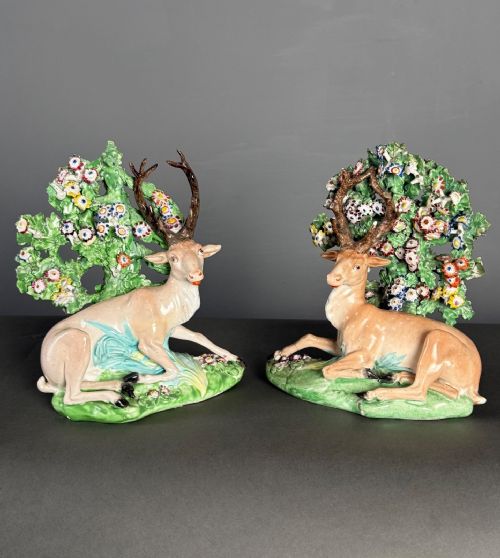
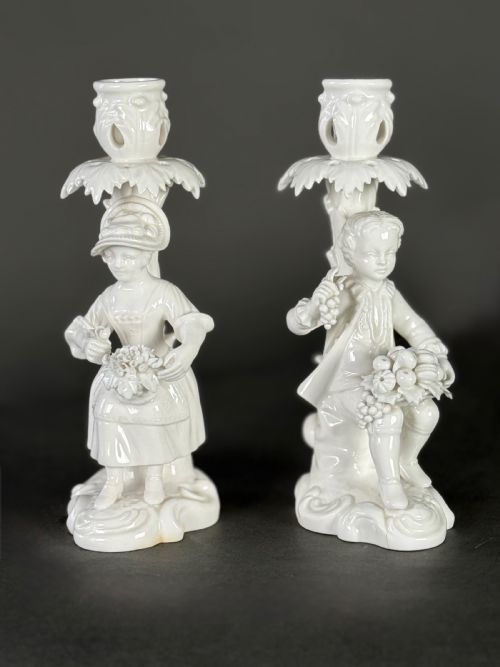
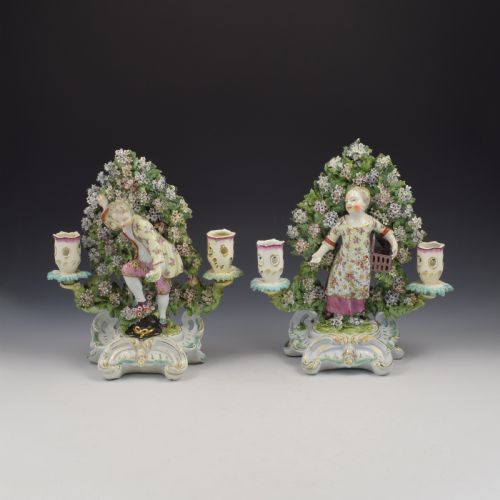
Collectors frequently encounter figures combined with functional elements such as candlesticks or framed by flowering bocage backgrounds. The listings here span the early patch period through to the later Bloor era, showing both single character studies and elaborate multi-figure groups.
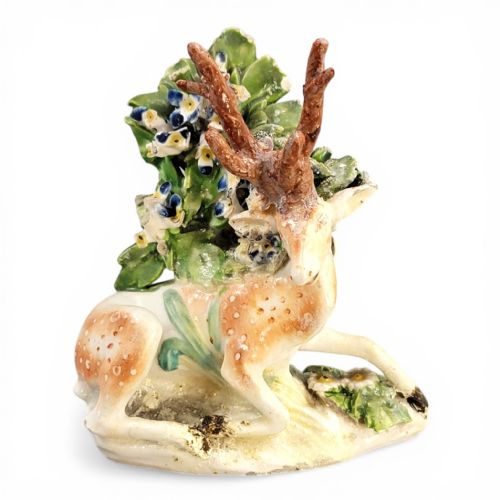
Animal studies, including recumbent stags, wild boars and sheep, appear alongside human allegories representing seasons or elements. Pieces from this tradition bridge the gap between ornamental sculpture and functional lighting.
Materials and manufacture
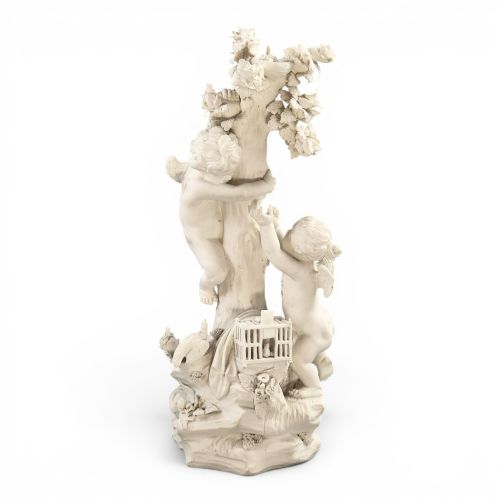
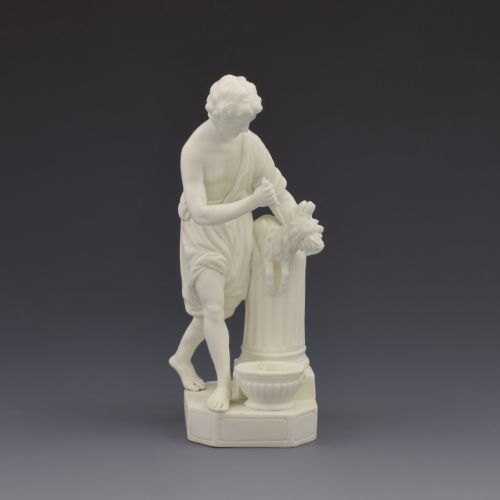
Early works utilise soft-paste porcelain, shifting later towards hard-paste and unglazed biscuit porcelain. Soft-paste bodies allowed for subtle interaction with enamels and gilding, while biscuit porcelain offered a matte surface resembling marble for classical subjects.
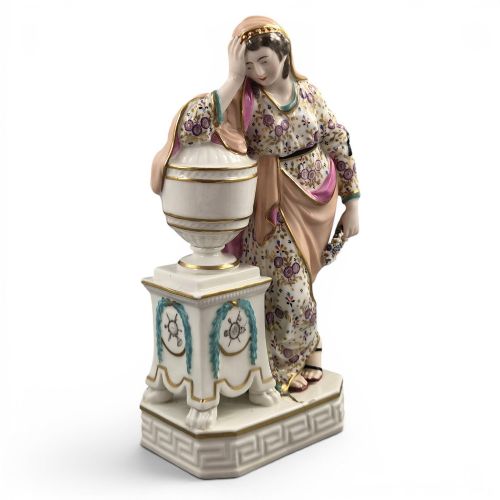
Makers applied hand-painted enamel colours and gold leaf highlights to accentuate drapery, facial expressions and naturalistic bases. Candlestick variants integrated bronze or gilt sconces alongside ceramic branches and applied floral bocage.
Rococo, Neoclassical and Regency styles define the decorative vocabulary across these figures and candlesticks.
Evaluating quality and execution
The complexity of the form dictates distinction, separating simple single figures from large multi-figure groups or intricate bocage candlesticks. Preservation of delicate extremities and the original gilding defines the standing of individual pieces.
William Duesbury Co
The Georgian Derby Porcelain Figure Glossary
- Bocage
- Applied ceramic foliage and flowers forming a leafy backdrop behind a figure. This technique created a dense three-dimensional frame common in mid-eighteenth-century English porcelain.
- Biscuit porcelain
- Unfired or single-fired unglazed porcelain producing a matte, white surface. It gained popularity for replicating the appearance of classical marble sculpture.
- Soft-paste porcelain
- A ceramic body made from glass frit and white-firing clays rather than natural kaolin. It produced a warm, translucent finish that absorbed enamel colours deeply.
- Patch mark
- A small unglazed scar on the underside of early figures left by the kiln props. These marks provide a reliable chronological indicator for dating eighteenth-century pieces.
- Enamel
- Vitreous pigments applied over the fired glaze and fixed in a muffle kiln. They provided the vibrant reds, blues and greens characteristic of Derby palette work.
Georgian Derby Porcelain Figure: Frequently Asked Questions
How do I spot soft-paste porcelain?
Soft-paste porcelain generally exhibits a warmer tone and a slightly softer surface texture than later hard-paste bodies. Transmitted light often reveals subtle variations within the body.
Inspect the base for unglazed patch marks which frequently accompany this early material.
What is biscuit porcelain used for?
Biscuit porcelain is left unglazed to produce a matte, white finish resembling carved marble. Makers utilised this material extensively for classical figures and allegorical groups during the late eighteenth century.
This finish emphasised the intricate modelling of drapery and facial expressions without reflective glaze interference.
How were these figures displayed?
Georgian households placed these porcelain pieces on mantelpieces, side tables and as part of elaborate tablescapes for dining rooms. Candlestick variants provided functional illumination while adding sculptural interest to a room.
Pairs of figures were often arranged symmetrically to balance decorative displays.