
Georgian Cut Glass
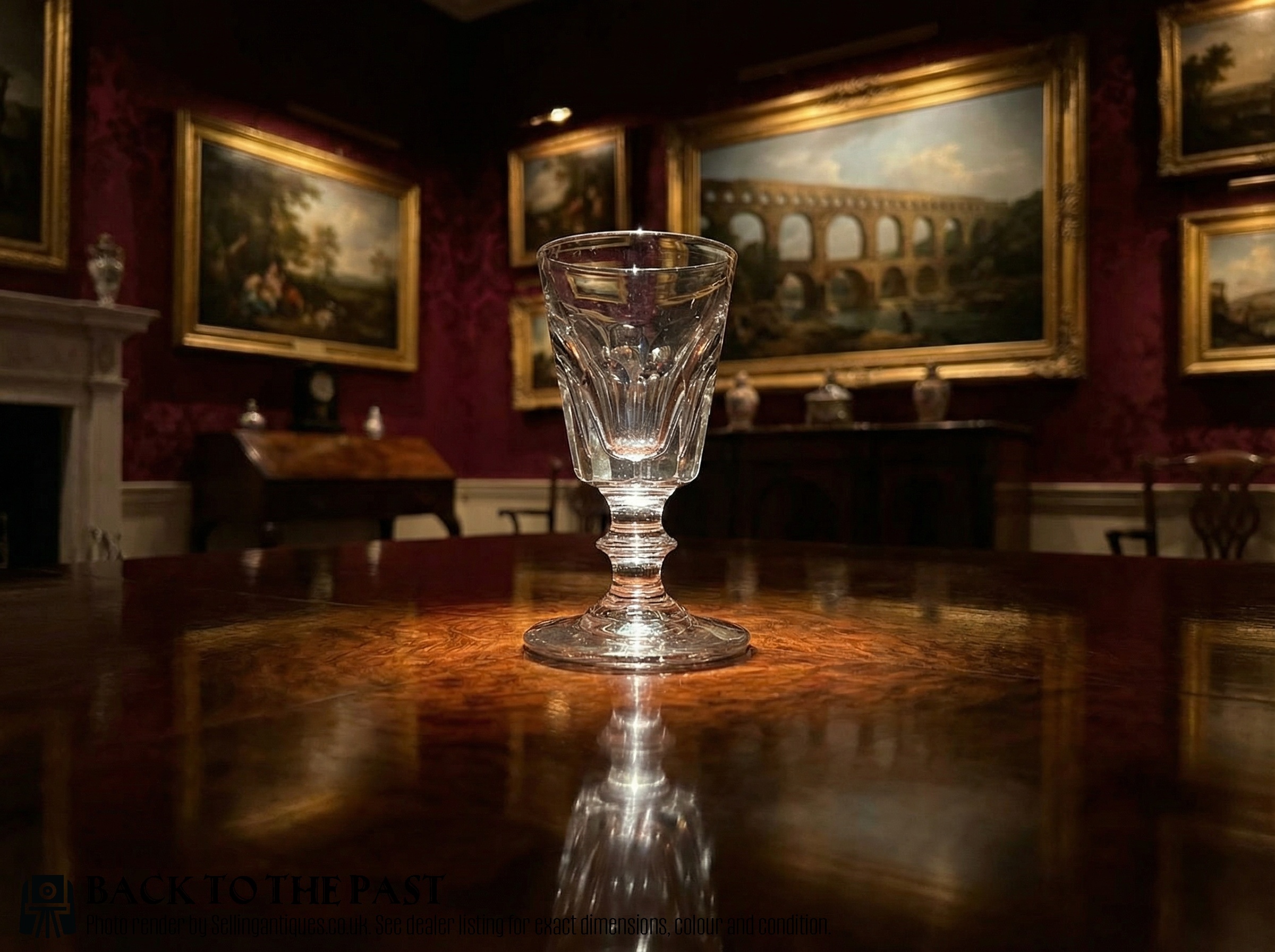
Georgian cut glass brings together lead crystal, deep wheel-cutting, and silver mountings from the eighteenth and nineteenth centuries for the table.
Georgian Cut Glass
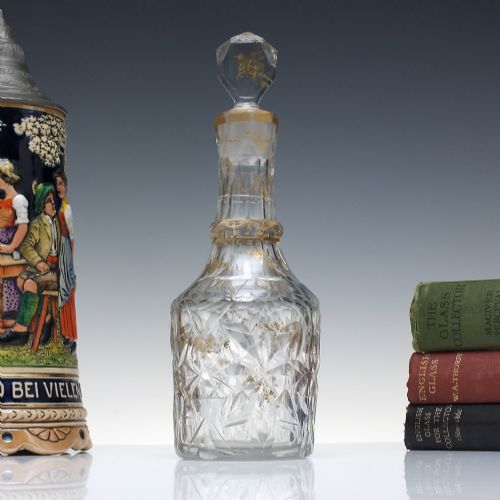
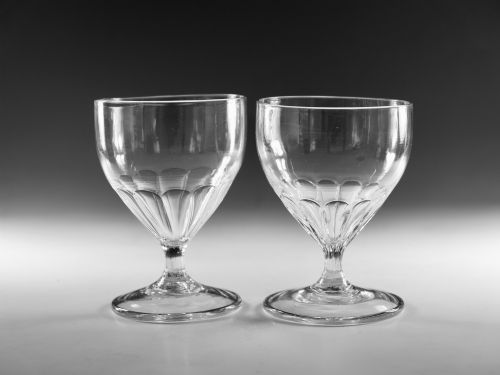
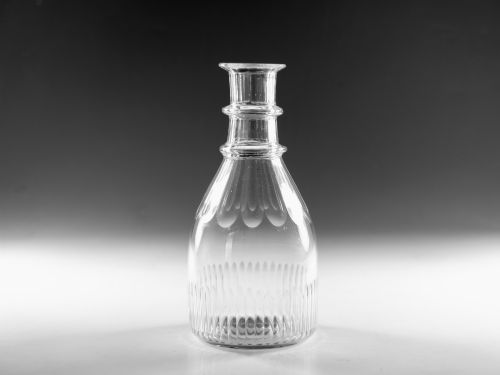
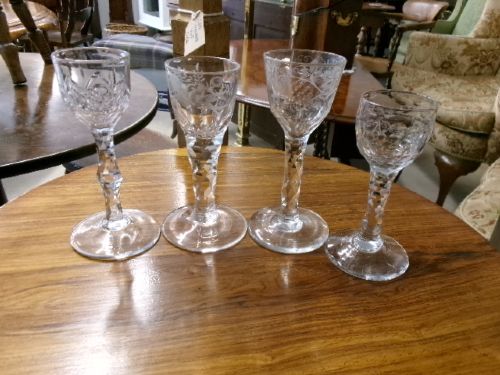
When you search for georgian cut glass, you find tableware, drinking vessels, and serving pieces produced primarily during the Georgian, Regency, and early Victorian eras. These items range from heavy decanters, rummers, and wine glasses to butter dishes, cruet sets, and salts.
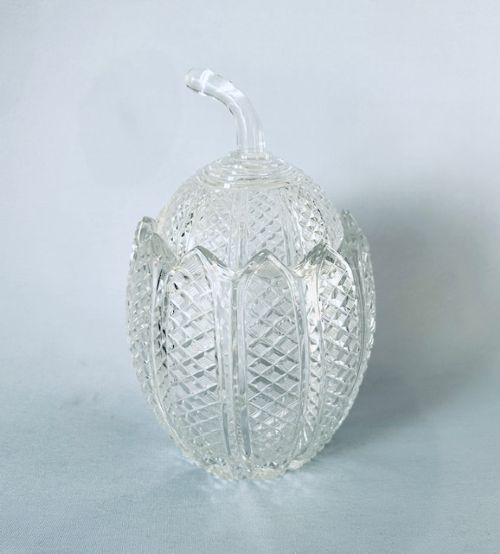
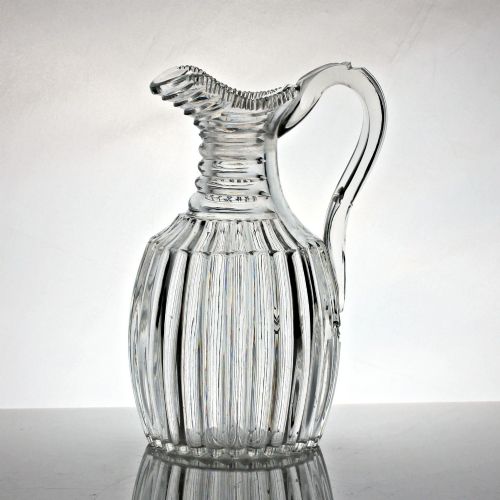
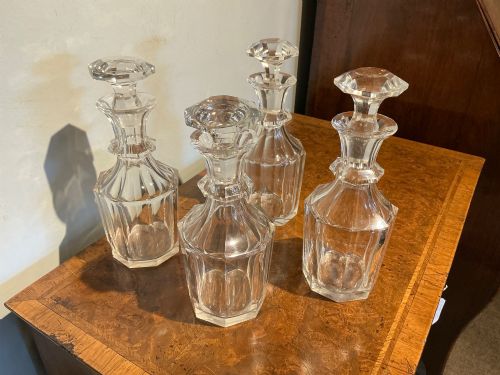
You are most likely to encounter practical vessels such as decanters, water jugs, and stemmed drinking glasses alongside occasional decorative forms like standing bowls and biscuit barrels. Many originate from English workshops or Anglo-Irish houses known for heavy lead metal.
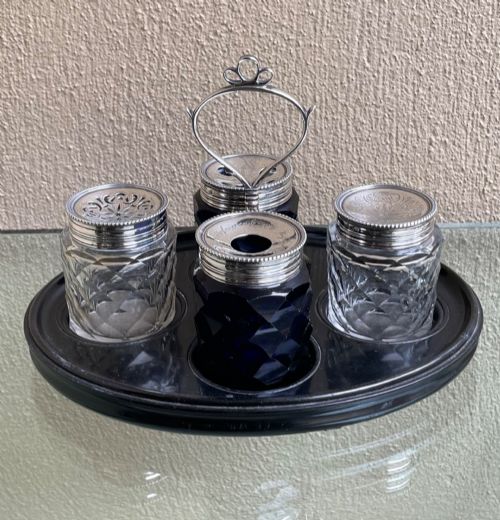
The selection also includes associated silver-mounted items, tea caddies, and preserve bowls that utilise cut glass elements. These domestic objects reflect the dining habits and interior aesthetics of the late eighteenth and early nineteenth centuries.
How they were made
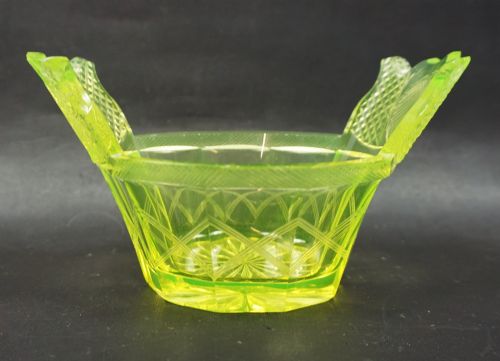
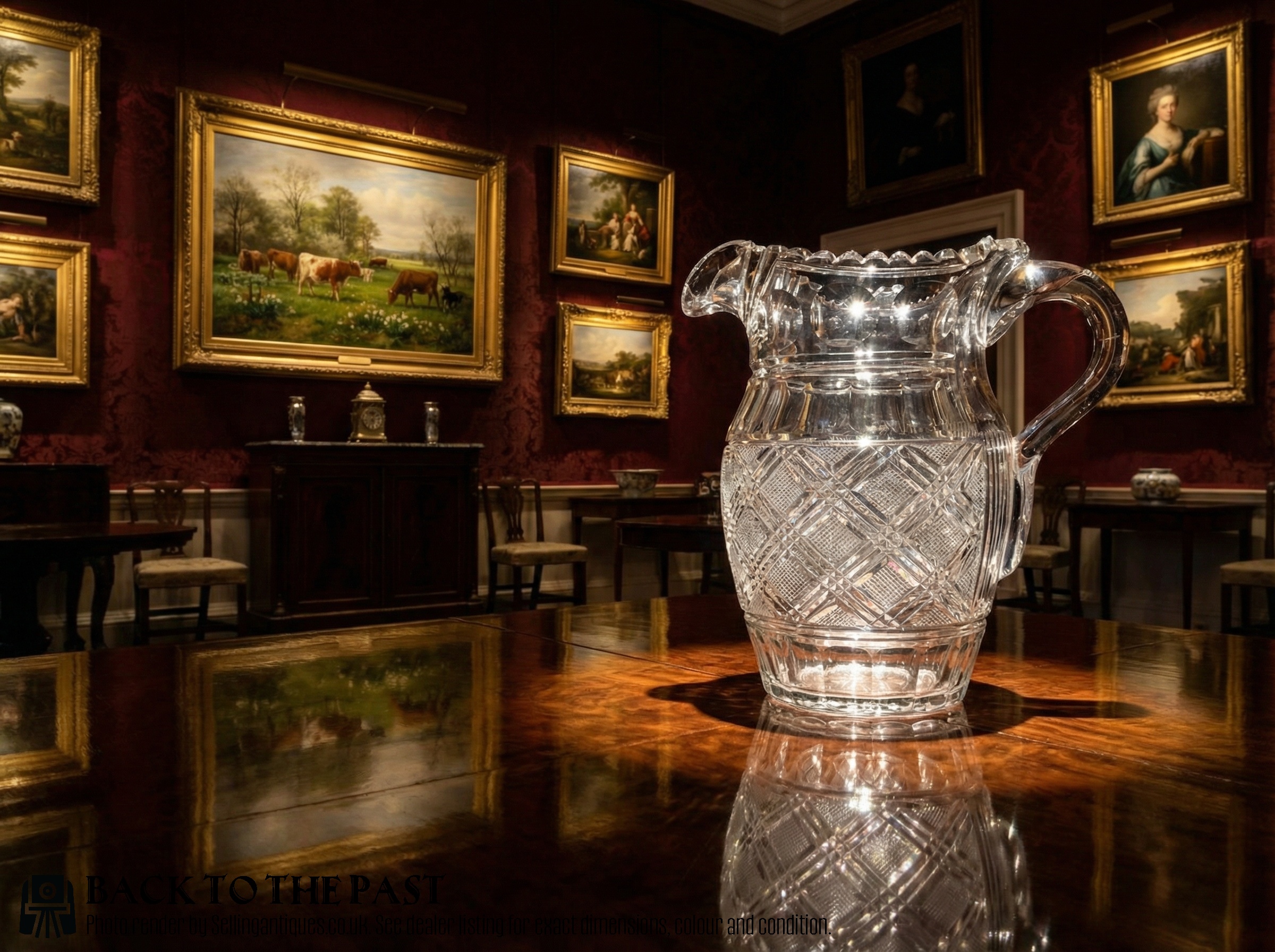
Makers relied heavily on lead crystal and heavy glass blanks, which allowed artisans to cut deep facets, pillars, prisms, and hobnail patterns into the material. The glass was first mouth-blown or cast into forms before wheels and abrasives applied the geometric or linear decoration.
Finishing involved polishing the cut surfaces either by hand or acid to restore brilliance to the lead crystal. Many items integrate sterling silver, parcel gilt, brass, or mahogany mountings, combining metalworking with glass-cutting techniques.
Georgian Cut Glass Retail Price Guide 2026
Typical asking prices for georgian cut glass among the pieces listed under this phrase on Sellingantiques today, from the lower quarter to the upper quarter. They describe what is for sale here now, not the wider market.
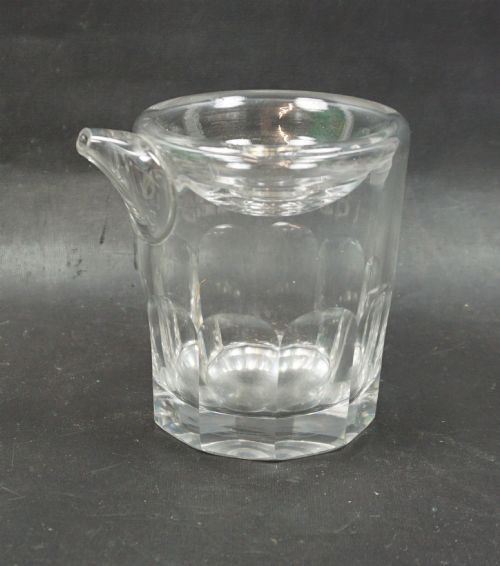
Feeding cups and piggins appear among the serving wares, proving that Georgian dining involved both supreme elegance and highly specialised vessels.
What varies in quality
The weight, clarity, and ring of the lead crystal separate finer pieces from heavier, duller commercial wares. Superior objects display crisp, deep cutting that catches the light cleanly without blurring at the edges.
Proportion and the integration of secondary materials like sterling silver or gilt detailing distinguish master workshops from standard production. The precision of the facet cuts and the absence of surface ripples in the glass body dictate the standing of individual vessels.
James Giles·William Rudkins·Charles Thomas Fox
The Georgian Cut Glass Glossary
- Prism cut
- A linear cutting style featuring flat, parallel planes that refract light strongly, frequently seen on the necks of decanters and jugs.
- Hobnail cut
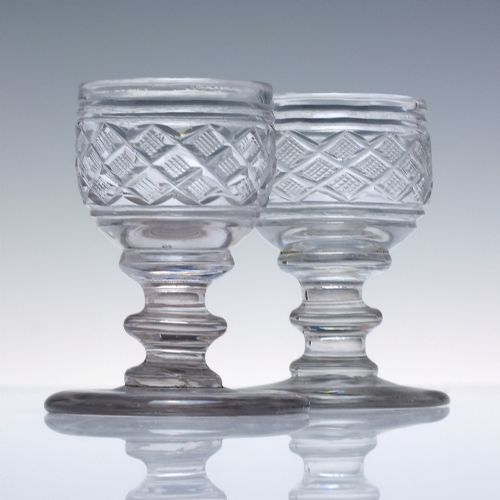
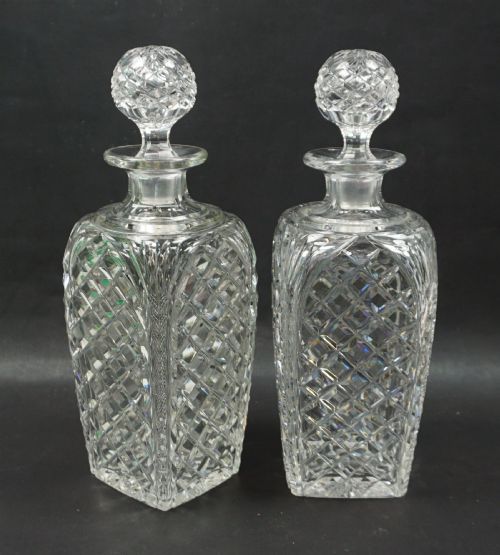
- A raised, diamond-shaped pattern carved into the glass surface, creating a tactile and highly reflective texture.
- Rummer
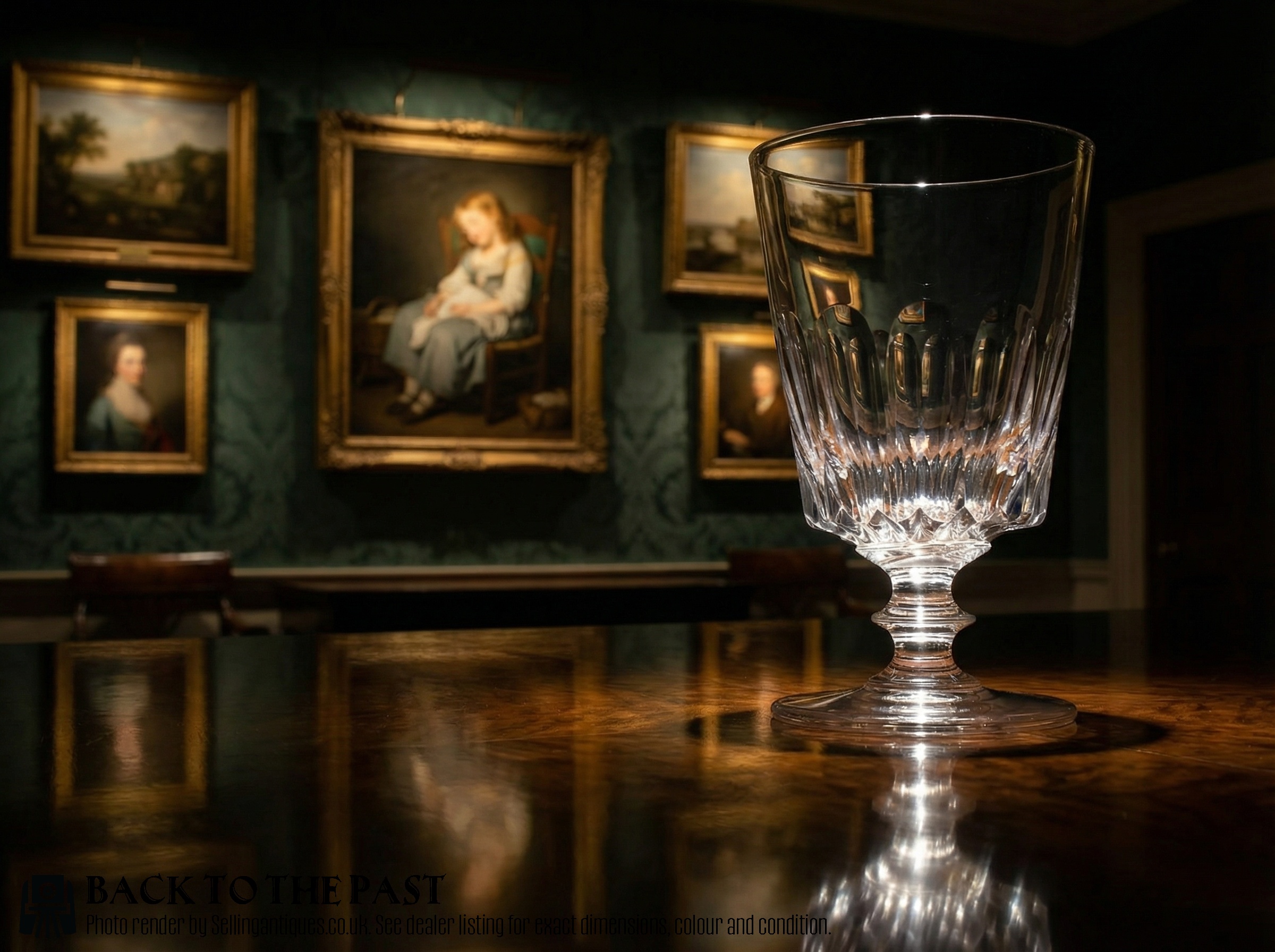
- A large, sturdy drinking glass with a short stem and a bucket or round bowl, used historically for ale, wine, or punch.
- Firing glass
- A small, thick-based drinking glass designed to be thumped on a tavern table without breaking during toasts.
- Cruet set
- A matched collection of glass bottles mounted in a silver or metal stand for holding condiments, oil, and vinegar at the dining table.
Georgian Cut Glass: Frequently Asked Questions
What is georgian cut glass?
It encompasses table glass, decanters, and serving vessels made from lead crystal during the Georgian and Regency periods. Artisans decorated these heavy glass bodies using wheel-cut facets, flutes, and geometric patterns.
These pieces reflect the dining and entertaining customs of the late eighteenth and early nineteenth centuries. They remain prized for their weight, clarity, and deep refractive cuts.
How do you date georgian cut glass?
Dating relies on the profile of the vessel, the weight of the lead crystal, and the style of the cutting. Earlier pieces often feature thinner faceted stems or bright engraving, while Regency examples lean towards heavy pillar and hobnail cuts.
Foot rims, pontil marks on the base, and accompanying silver hallmarks provide further clues to the decade of manufacture. Comparing the form against documented archive pieces helps narrow the production era.
How were decanters used?
Decanters held wine, spirits, or water for service at the dining table or sideboard. Their heavy lead glass construction and tight stoppers kept contents secure and prevented evaporation.
They stood in sets alongside condiment bottles and water jugs during formal meals. The cut patterns helped servants grip the heavy vessels safely in candlelit rooms.
Are these pieces safe for daily use?
Most antique lead crystal is robust enough for careful handling and service, though hand washing in lukewarm water is essential. Sudden temperature changes can crack old glass, so hot liquids must be avoided.
Many collectors use their rummers and decanters for special occasions rather than daily dining. Proper care preserves the polished surface and any delicate silver mounts.