




George III Decanter
A george iii decanter brings substantial lead crystal, rich mahogany, and bright sterling silver directly to the dining table.
George III Decanter
A george iii decanter search reveals heavy cut glass bottles, fitted mahogany boxes, and sterling silver wine labels designed for formal dining. Buyers encounter freestanding glass vessels alongside fitted wooden caddies and protective coasters.
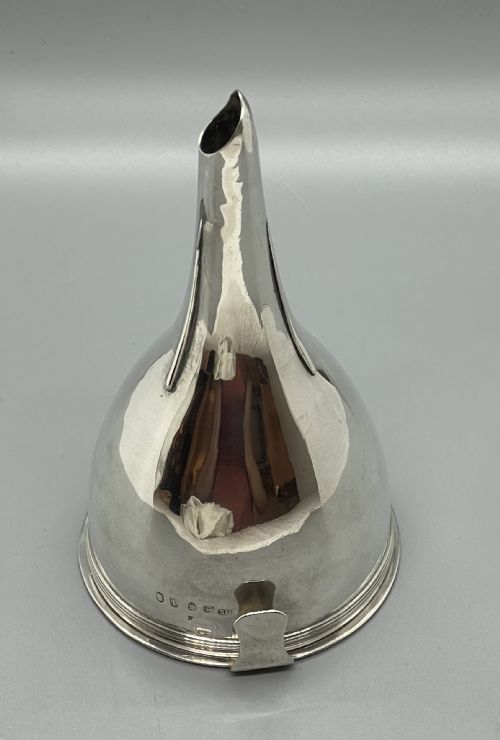
The objects stem from the Georgian era and the late eighteenth century. Alongside the bottles themselves, related barware such as silver funnels and cruet stands appear frequently.
Materials and construction
Makers utilised heavy lead crystal and cut glass, shaping vessels with deep fluting and faceted necks. Wooden items rely on solid mahogany, sometimes combined with brass fittings, gold leaf, and Old Sheffield plate.
Silver components including decanter labels and wine coasters were hand-hammered and engraved by silversmiths. Glass vessels often display hand-blown pontil marks on the base alongside wheel-cut decoration.
Objects span the Georgian period, the year 1800, and the wider eighteenth century.
Assessing craftsmanship and condition
Quality rests upon the depth of the glass cutting and the clarity of the lead crystal. Crisp hand-engraving on silver labels and tight joints in mahogany boxes distinguish superior pieces.
The presence of matching pairs and complete fitted interiors elevates certain items above single bottles. Intricate gilding and original stoppers contribute further to the distinction.
James Giles·Hester Bateman·Solomon Hougham·Digby Scott Benjamin Smith·Thomas James·Phipps Robinson·Elizabeth Morley
The George III Decanter Glossary
- Cut glass
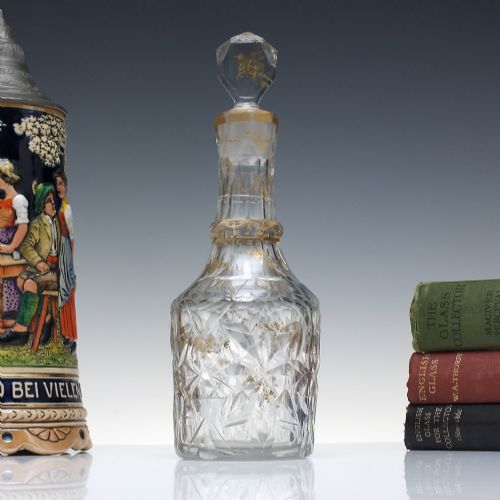
- Glass decorated by grinding facets or patterns into the surface using a wheel. This technique creates brilliant light refraction in lead crystal.
- Decanter label
- A small metal tag hung by a chain around the neck of a bottle to identify the contents. They are frequently cast or engraved in sterling silver.
- Old Sheffield plate
- A composite material made by fusing a thin sheet of silver to a copper base. It was widely used for coasters and wine accessories.
- Wine coaster
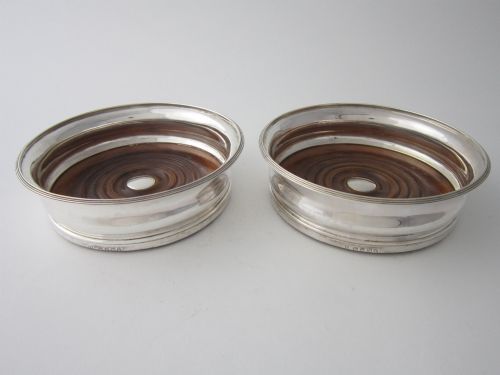
- A small circular stand with a wooden base and metal rim designed to protect the table. They often feature green baize underneath.
- Pontil mark
- A rough scar left on the base of blown glassware where the pontil rod was detached. Its presence confirms traditional hand-blown manufacture.
George III Decanter: Frequently Asked Questions
How do I identify a George III decanter?
Look for heavy lead crystal construction combined with deep hand-cut fluting and a distinct pontil mark on the base. Proportions are typically robust and designed to sit securely in wooden coasters.
Matching stoppers and period hallmarks on associated silver labels help confirm the era of production.
What were decanter boxes used for?
Decanter boxes and caddies safely transported and stored fragile glass bottles during travel or dining. They feature fitted interior partitions lined to hold multiple bottles securely.
Some examples include brass carrying handles and locking mechanisms for security.
Are wine coasters meant to stay on the table?
Wine coasters were passed around the dining table after the servants withdrew. Their wheeled or baize-lined bases allowed smooth gliding across polished mahogany surfaces.
They held the decanter steady while guests poured their own wine.
What is the difference between lead crystal and normal glass?
Lead crystal contains lead oxide, which increases the weight, refractive index, and clarity of the material. This composition allows for deeper, sharper facet cutting.
It produces a resonant ring when struck gently, unlike standard blown glass.