
Georgian Clear Stemware
Georgian clear stemware brings eighteenth-century craftsmanship to the table with drinking vessels shaped for wine, ale, and spirits.
Georgian Clear Stemware
When you search for georgian clear stemware, you look at drinking vessels originating primarily in the eighteenth and early nineteenth centuries, spanning periods from the 1750s through the Regency era.
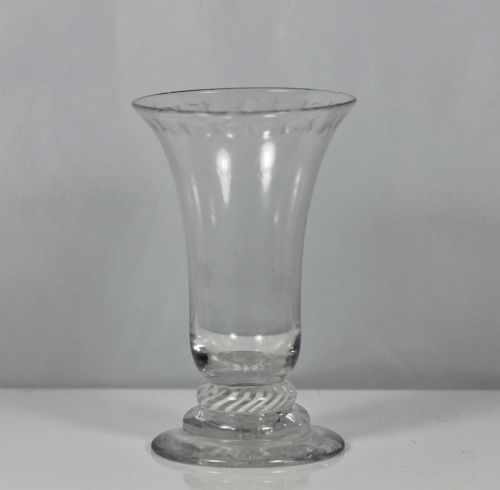
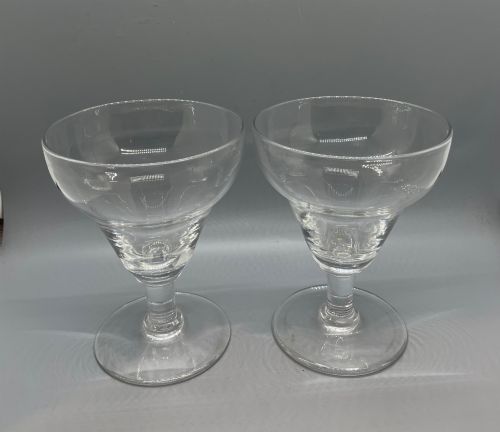
The pieces appearing here include wine glasses, dram glasses, ale glasses, and rummers, rendered in clear glass and lead crystal.
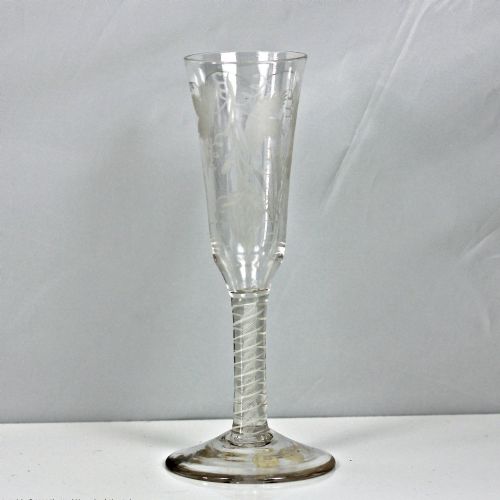
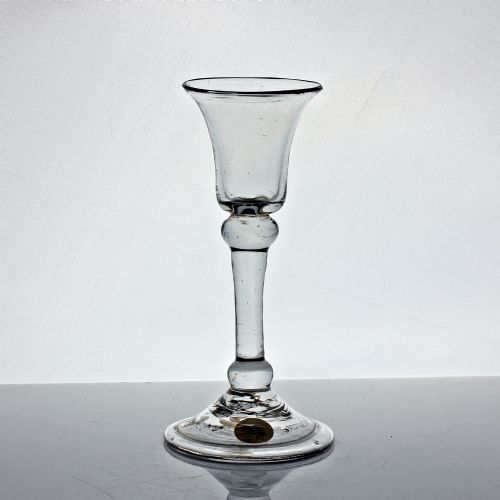
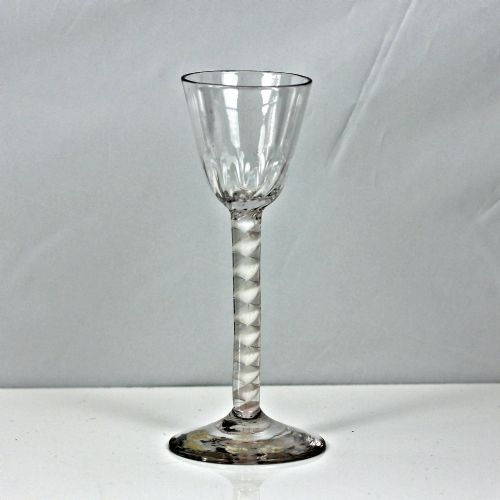
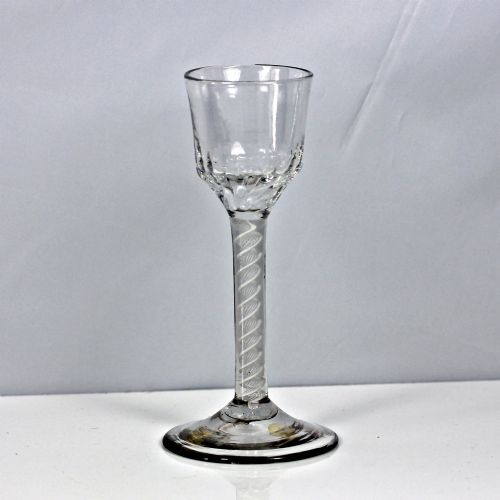
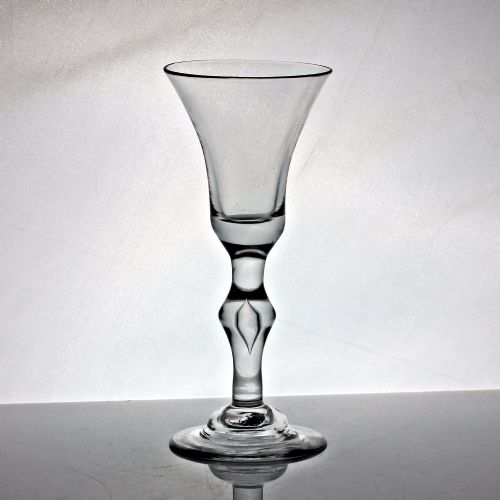
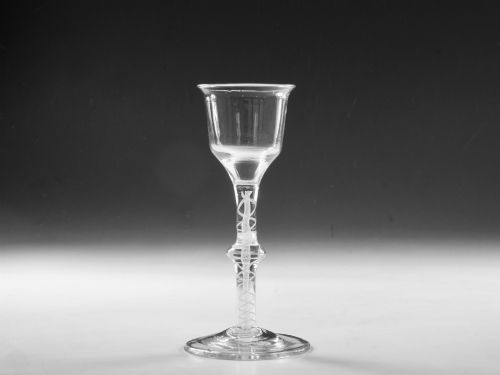
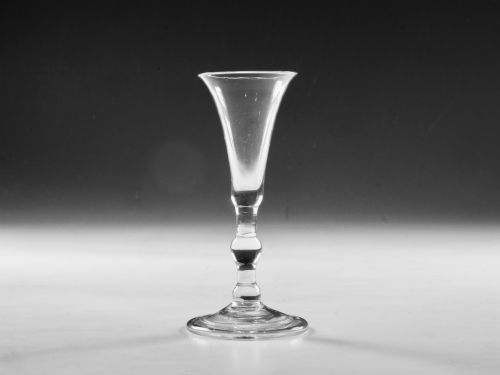
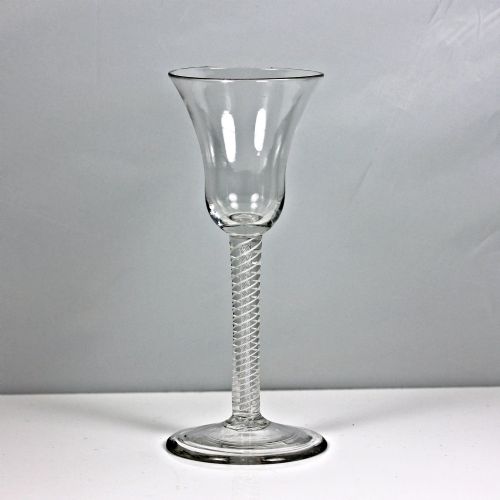
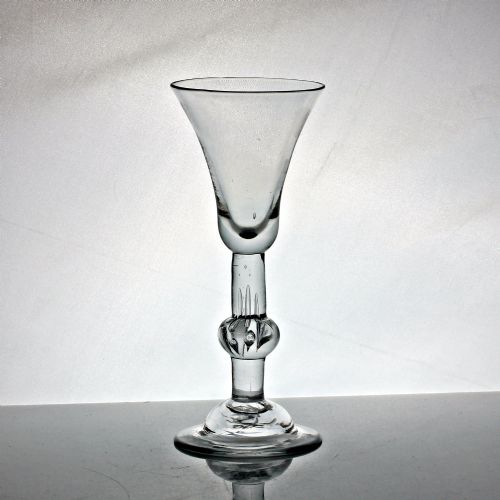
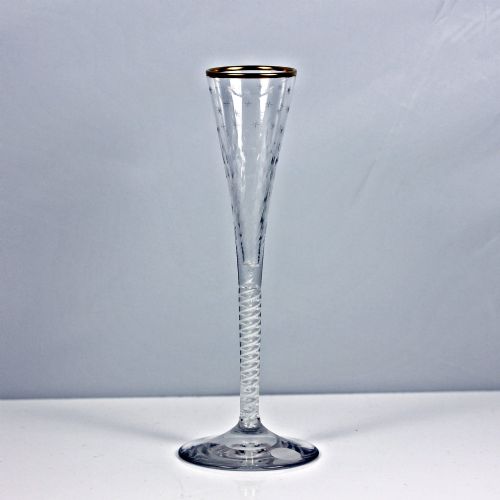
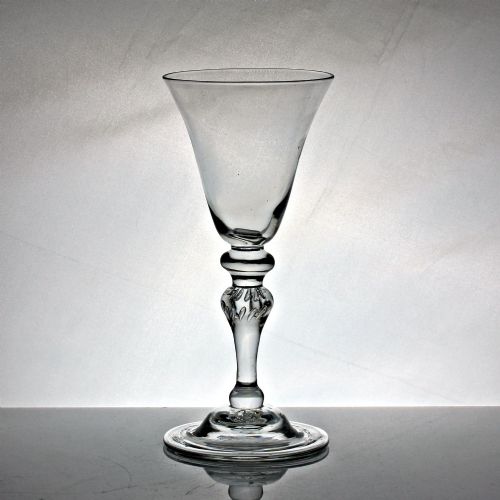
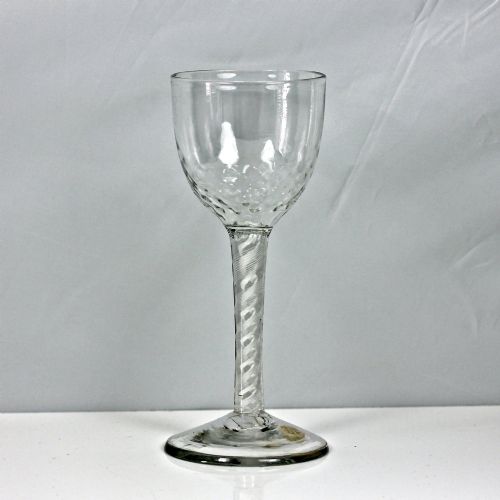
The most common formats on this page are eighteenth-century wine glasses featuring specialised stems such as air twists, opaque twists, and plain stems supporting bell, ogee, or pan-top bowls.
Materials and Techniques
These pieces rely heavily on lead glass, flint glass, and lead crystal, which gave makers the weight and clarity required for deep optical effects and fine engraving.
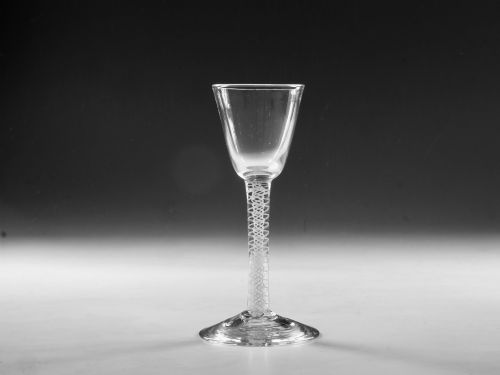
Master glassmakers manipulated the molten metal to trap air bubbles within the stems or drew out threads of white and occasionally coloured enamel to form intricate multi-spiral and double-series twists.
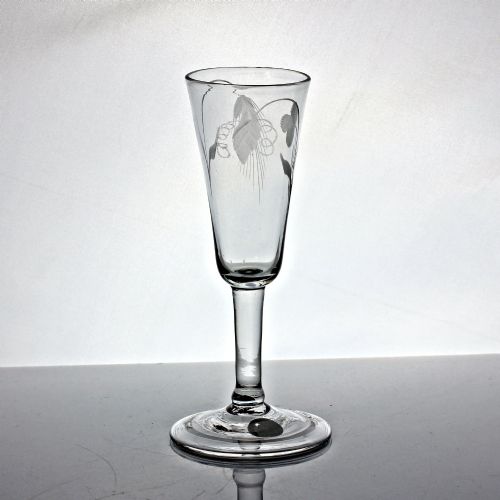
Bowls were frequently finished with wheel-engraving, depicting floral motifs, Jacobite emblems, or commemorative inscriptions, and supported by folded feet for added rim strength.
Listings span the eighteenth century into the Regency period, featuring lead glass, flint glass, and enamel materials across wine, ale, and rummer forms.
Markers of Distinction
The distinction between standard examples and superior pieces rests on the complexity of the stem formation, such as the intricacy of composite or mixed twists and the presence of domed or folded feet.
Engraving quality dictates standing within the category, with crisp, detailed wheel-cut decoration elevating a vessel far above simpler mould-blown or plain-stemmed counterparts.
Proportion and metal clarity further separate ordinary drinking glasses from exceptional baluster goblets and marriage wine vessels.
The Georgian Clear Stemware Glossary
- Air twist
- A stem containing elongated spiral air bubbles formed during the drawing of the glass. This technique creates a delicate internal pattern visible through the clear metal.
- Opaque twist
- A stem enclosing fine white or enamelled glass threads twisted into single or double series patterns. It represents a hallmark of mid-eighteenth-century English glassmaking.
- Balustroid
- A stem form derived from heavy baluster styles but with thinner proportions, often featuring knops or collars. These appear frequently on eighteenth-century wine glasses.
- Rummer
- A capacious drinking vessel introduced in the late eighteenth or early nineteenth century for ale, rum, or wine. They typically sit on short stems with faceted or plain bowls.
- Wrythen
- A decorative optical moulded pattern twisting diagonally across the bowl or body of the glass. This effect results from twisting the glass while hot inside a ribbed mould.
Georgian Clear Stemware: Frequently Asked Questions
What is georgian clear stemware?
Georgian clear stemware comprises drinking vessels produced during the eighteenth and early nineteenth centuries, primarily in England, using lead glass and crystal.
These pieces encompass wine glasses, ale glasses, dram glasses, and rummers shaped with various stem forms like air twists, opaque twists, and plain stems.
How do I date an 18th-century wine glass?
Dating relies on observing the combination of bowl shape, foot formation, and particularly the internal structure of the stem. Earlier pieces often feature heavy baluster stems or folded feet, while mid-century examples introduced air and opaque twists.
Gradual shifts in glass composition, pontil mark characteristics, and engraving styles also help narrow down the decade of production.
Can I use these glasses for dining?
Many collectors use eighteenth-century stemware for special occasions, though hand washing is essential due to the fragile nature of historic lead glass.
Careful handling prevents thermal shock and protects the delicate rims and historical engraving from accidental chips.
What are Jacobite wine glasses?
Jacobite glasses are eighteenth-century drinking vessels engraved with secret symbols supporting the exiled Stuart cause, such as the rose and oak leaves.
These political artefacts were used by sympathizers to toast the king over the water during clandestine meetings.